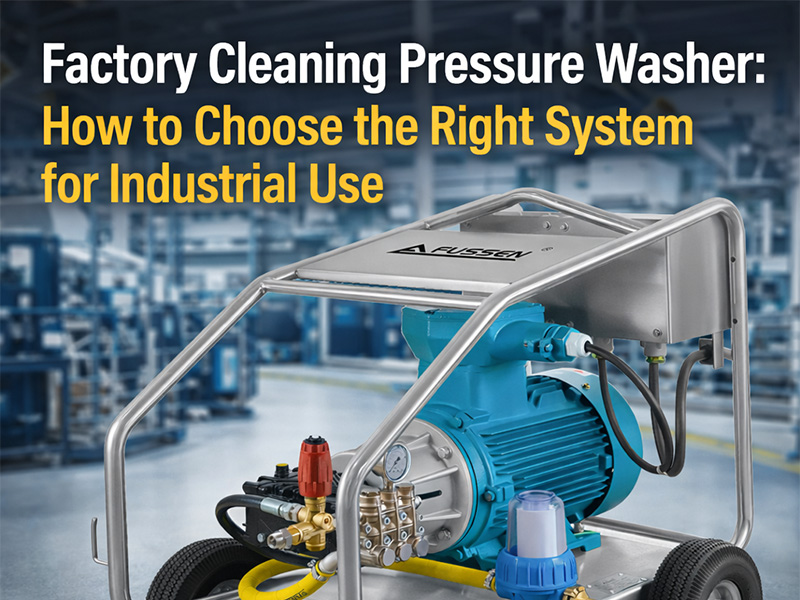
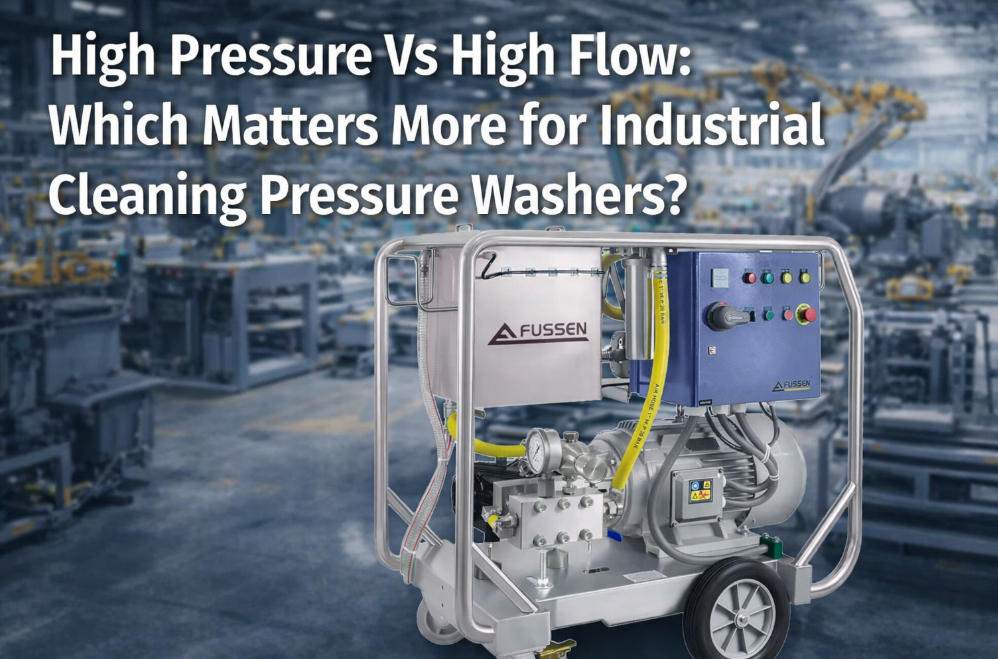
In the domain of industrial cleaning, the debate between high pressure and high flow in pressure washers is significant. Each element plays a vital role, yet their impact varies depending on the specific cleaning task. Understanding when to prioritize pressure over flow, or vice versa, can influence the effectiveness of the cleaning process. This nuanced distinction raises questions about optimizing performance for varied applications. What factors should guide this decision?
In the context of industrial cleaning, pressure and flow are critical factors that influence the effectiveness of a pressure washer. Pressure, measured in PSI or bar, determines the force of the water, while flow rate, indicated in L/min or GPM, indicates the volume of water delivered. Understanding how these two elements interact can help users select the appropriate pressure washer for specific cleaning tasks. Selecting the right cleaning performance metrics ensures efficient and effective cleaning results tailored to the demands of various applications.
Pressure, measured in pounds per square inch (PSI) or bar, plays a critical role in industrial cleaning applications. An industrial cleaning pressure washer harnesses this force to effectively remove stubborn contaminants from surfaces. The pressure delivered by an industrial pressure washer determines its cleaning efficiency, particularly in heavy-duty tasks. High pressure cleaning machines are designed to generate significant PSI, enabling them to tackle tough grime and deposits. For instance, industrial water jet cleaning relies on high-pressure systems to penetrate deep into materials, ensuring thorough cleaning. Understanding the relationship between pressure and cleaning effectiveness allows operators to select the right equipment, ensuring peak performance in various industrial environments. Proper control of PSI ultimately enhances productivity and prolongs the lifespan of cleaning equipment. Additionally, pressure choice should be based on application requirements, as different tasks demand varying levels of pressure for optimal results.
Flow rate, measured in liters per minute (L/min) or gallons per minute (GPM), is an essential factor in the operation of pressure washers. In the context of an industrial power washer, flow rate determines how much water is delivered to the surface being cleaned. A higher flow rate facilitates quicker cleaning by allowing more water to cover the area, enabling efficient rinsing and removal of debris. Conversely, a lower flow rate may prolong cleaning tasks, especially in larger industrial applications. Understanding flow rate helps operators optimize their cleaning processes, ensuring they select the right industrial power washer for their specific needs. This control over flow rate can greatly impact overall cleaning effectiveness and operational efficiency. Additionally, high flow rates are particularly beneficial in applications where heavy grease and grime are present, as they help ensure thorough cleaning.
Understanding flow rate is only part of the equation when it comes to industrial pressure washers; the interplay between pressure and flow is equally important. Pressure determines the force with which water hits a surface, while flow rate dictates the volume of water delivered. Together, they impact cleaning efficiency considerably.
To grasp this relationship, consider the following:
In industrial applications, understanding this balance allows for enhanced control and precision, especially when utilizing well-engineered pumps that ensure stable pressure output and high efficiency.
Understanding the balance between pressure and flow is vital for optimizing industrial cleaning efficiency. The wrong choice can markedly slow down cleaning processes, leading to increased time and costs. This balance directly impacts overall performance, making it essential for operators to make informed decisions. Hot water systems achieve higher cleaning efficiency than cold systems due to the physical benefits of hot water, allowing for effective cleaning with less mechanical pressure.
Choosing the wrong balance between pressure and flow in industrial cleaning pressure washers can greatly hinder cleaning efficiency. When operators misjudge these parameters, several issues arise:
These factors collectively diminish cleaning efficiency, underscoring the importance of selecting the right pressure and flow balance to maintain productivity and control in industrial cleaning operations. Moreover, achieving the right balance is crucial for optimizing high pressure water jetting applications where precision and effectiveness are essential.
The balance between pressure and flow in industrial cleaning pressure washers greatly influences cleaning time, operational costs, and overall performance. High-pressure units excel at removing tough stains from surfaces quickly, minimizing the time spent on each task. However, excessive pressure may lead to increased wear on equipment and higher maintenance costs. Alternatively, high-flow models optimize water usage, enhancing efficiency for larger areas, but may require more time to achieve comparable results. Ultimately, the ideal configuration depends on specific cleaning needs and objectives. Understanding this balance allows operators to make informed decisions, ensuring effective cleaning while managing costs and enhancing operational efficiency. Strategic selection of pressure and flow can lead to significant improvements in overall productivity. Additionally, the effectiveness of high pressure cleaning relies on balancing pressure and flow rate, as higher flow rates improve contaminant removal and reduce re-deposition.
High pressure cleaning is essential in various industrial applications, particularly for tasks like rust removal and surface preparation. It is also effective for paint stripping and the removal of industrial coatings. Additionally, high pressure is necessary to eliminate hard deposits and scale that accumulate on surfaces. In some cases, 2800 Bar pressure washers are required for material removal in specialized marine applications.
Rust removal and surface preparation are critical tasks in industrial cleaning that often require high-pressure cleaning techniques. These processes guarantee that surfaces are adequately prepared for further treatments and coatings, enhancing durability and performance. High-pressure cleaning is particularly effective for:
Utilizing high-pressure methods provides operators with the control needed to achieve superior results in rust removal and surface preparation. Additionally, understanding common problems associated with high-pressure washers can help ensure optimal performance during these cleaning tasks.
When considering paint stripping and the application of industrial coatings, high-pressure cleaning emerges as an essential technique for achieving ideal results. Utilizing high-pressure washers allows operators to effectively remove layers of old paint and coatings, ensuring a clean surface for new applications. This process not only enhances adhesion but also prolongs the lifespan of the new coating.
The controlled force of high-pressure cleaning provides precision, enabling the operator to target specific areas without damaging the underlying material. Additionally, this method reduces the need for harsh chemicals, promoting a safer and more environmentally friendly approach. In industrial settings, where efficiency and effectiveness are paramount, high-pressure cleaning is an indispensable tool for successful paint stripping and coating applications. Regular maintenance of equipment is crucial to ensure optimal thermal performance during the cleaning process.
Removing hard deposits and scale from surfaces can be a challenging task that often requires specialized techniques. High-pressure cleaning emerges as a critical solution in such scenarios, offering effective removal without damaging the underlying material. When considering high-pressure cleaning for this purpose, one should evaluate:
High flow pressure washers are particularly effective for cleaning large factory floors and surfaces due to their ability to move more water quickly. They excel at removing grease, sludge, and loose debris, making them ideal for environments where speed and thoroughness are essential. In production settings, their high water output enhances cleaning efficiency, allowing operations to maintain productivity. Additionally, the FDK Series pumps are designed for high-flow, high-power cleaning, making them suitable for demanding industrial applications.
Efficiency is paramount in industrial cleaning, particularly when tackling extensive factory floors and surfaces. High flow pressure washers excel in these scenarios due to their ability to cover large areas quickly and effectively. Their advantages include:
For industrial settings, utilizing high flow pressure washers can enhance operational efficiency and maintain a pristine work environment, allowing for peak performance and safety. Additionally, the FEL Series pumps, with their impressive flow rate delivery, are designed to support high-volume applications effectively.
For many industrial cleaning tasks, tackling grease, sludge, and loose debris presents a significant challenge. High flow pressure washers excel in these scenarios due to their ability to deliver large volumes of water rapidly. This high flow capability effectively dislodges stubborn contaminants, allowing for a thorough cleaning without the need for excessive pressure. The continuous flow helps to wash away thick layers of grease and sludge, minimizing the risk of re-depositing dirt on surfaces. Additionally, the increased water volume aids in rinsing away loose debris, ensuring a cleaner finish. In environments where maintaining cleanliness is critical, high flow pressure washers offer a strategic advantage, providing operators with the control necessary to achieve ideal results efficiently and effectively. Furthermore, the thermal energy from hot water pressure washers enhances the cleaning performance for tougher residues.
Maximizing cleaning speed in production environments often hinges on the choice of pressure washer. High flow pressure washers excel in scenarios where rapid cleaning is essential. Their effectiveness can be summarized through three key advantages:
In industrial cleaning, the significance of flow often outweighs that of pressure, particularly in factory settings where large areas need to be covered efficiently. However, there are scenarios where high pressure becomes essential for removing stubborn contaminants. The most effective cleaning systems achieve a harmonious balance between both flow and pressure to address various cleaning challenges. For instance, the FKE Series pressure washers are designed to deliver high flow rates while providing sufficient pressure for demanding cleaning tasks.
Flow rate plays an essential role in industrial cleaning, particularly when it comes to effectively removing heavy debris and contaminants from surfaces. While pressure is important, a higher flow rate often guarantees a more thorough cleaning process. Consider the following advantages of flow:
In factory environments where cleanliness is critical, prioritizing flow can lead to superior results, minimizing downtime and maximizing productivity. Additionally, an electric pressure washer’s energy consumption is typically lower than that of diesel or gas units, making it a more efficient choice for high-flow applications.
While higher flow rates are often advantageous, there are scenarios in industrial cleaning where pressure becomes the critical factor. For instance, when dealing with stubborn contaminants such as grease, oil, or baked-on residues, the ability to deliver high pressure can effectively dislodge and remove these materials. In cases where surface integrity is paramount, such as cleaning delicate machinery or equipment, precise pressure control allows operators to avoid damage while still achieving effective cleaning. Additionally, in environments with heavy buildup, such as manufacturing facilities, high pressure can penetrate deep into crevices, ensuring thorough cleaning. Consequently, understanding when to prioritize pressure can greatly enhance the efficiency and efficacy of industrial cleaning operations. The FHE-P Series is designed specifically for high-pressure washing, providing optimal performance for these challenging cleaning tasks.
Achieving ideal cleaning results in industrial settings necessitates a balanced approach that incorporates both high pressure and high flow. Systems that effectively combine these elements provide superior performance and efficiency.
Choosing the appropriate pressure and flow for industrial cleaning applications is essential for achieving ideal results. Factors such as the specific cleaning task—whether it be factory floor cleaning, heavy machinery maintenance, or surface preparation—play a significant role in this decision. Additionally, the frequency of cleaning, whether continuous or occasional, can influence the required specifications for pressure washers. Understanding cleaning efficiency is crucial for optimizing the performance in relation to pressure settings and surface materials.
When selecting the appropriate pressure and flow for factory floor cleaning, it is essential to evaluate the specific contaminants and surfaces involved. Understanding these factors allows for ideal cleaning efficiency and surface protection.
Consider the following when making a decision:
Heavy machinery cleaning demands careful consideration of pressure and flow to secure effective cleaning without damaging sensitive components. Operators must assess the specific grime and contaminants present, as well as the machinery’s materials and design. High pressure is beneficial for breaking down tough deposits but can harm delicate parts if misapplied. Conversely, high flow rates can efficiently wash away loose dirt without risking damage, making them suitable for less stubborn contaminants. A balanced approach often yields the best results. Selecting the appropriate combination of pressure and flow secures the machinery is thoroughly cleaned while maintaining its integrity, ultimately prolonging its lifespan and enhancing operational efficiency in industrial settings. Understanding pressure washer nozzle angles is crucial for achieving optimal cleaning results.
Effective surface preparation tasks require a careful assessment of both pressure and flow to achieve ideal results. Selecting the right combination is essential for maximizing efficiency and ensuring surfaces are properly cleaned or prepped for further treatment.
Consider the following factors when making a decision:
Additionally, correct hose selection based on the application-specific requirements can significantly enhance cleaning performance and reduce maintenance costs.
Careful evaluation of these elements leads to ideal surface preparation.
Choosing the right pressure and flow for industrial cleaning depends greatly on whether the cleaning tasks are continuous or occasional. Continuous cleaning applications typically require higher pressure combined with substantial flow rates to effectively remove persistent grime and contaminants. This guarantees efficient operation, reducing downtime and enhancing productivity. In contrast, occasional cleaning tasks may benefit from a more moderate approach; lower pressure and flow can suffice for less demanding jobs, minimizing equipment wear and saving resources. Ultimately, understanding the specific cleaning requirements allows for the selection of pressure washers that optimize performance while maintaining control over operational costs. Evaluating the frequency and intensity of cleaning needs is essential for maximizing effectiveness and guaranteeing equipment longevity. Additionally, features such as high-strength stainless steel head can significantly enhance the durability of pressure washers used in demanding environments.
Many buyers of industrial pressure washers make the mistake of prioritizing PSI numbers without considering flow rate, which can impact cleaning efficiency. Often, the importance of cleaning speed is overlooked, leading to inadequate performance for specific applications. Additionally, selecting a system that is not suited for the intended task can result in wasted resources and unsatisfactory outcomes. Choosing a washer designed with premium materials ensures durability and efficiency, which is crucial for optimal performance.
When selecting an industrial pressure washer, an overemphasis on PSI (pounds per square inch) can lead to significant misjudgments. Many buyers assume that higher PSI directly correlates with better cleaning performance, which is not always the case. This narrow focus can obscure other essential factors. Here are three common pitfalls:
In addition, soft start technology can enhance the performance of pressure washers by providing smoother acceleration, reducing wear on components, and ensuring optimal operation even in challenging conditions. Understanding the broader context of pressure washing guarantees a more informed and effective purchasing decision, ultimately leading to superior cleaning outcomes.
Efficiency in industrial cleaning often hinges on the interplay between flow rate and cleaning speed, yet these essential factors are frequently overlooked. Many operators mistakenly prioritize pressure alone, neglecting how flow rate directly affects the removal of contaminants. A higher flow rate can enhance cleaning speed by delivering more water to the surface, thereby removing dirt and grime more effectively. Conversely, inadequate flow can lead to longer cleaning times and potential operator frustration. Skipping this critical evaluation can result in suboptimal performance and increased operational costs. Understanding the balance between flow rate and cleaning speed empowers operators to make informed decisions, ensuring that they select pressure washers that align with their specific cleaning requirements and efficiency goals. The high durability of industrial-grade motors contributes significantly to the overall effectiveness of pressure washers in demanding environments.
A notable number of operators make the mistake of selecting an industrial pressure washer that does not align with their specific cleaning needs. This oversight can lead to inefficiencies and increased operational costs.
Common errors include:
Additionally, using certified explosion-proof equipment is vital in hazardous settings to prevent accidents and ensure safety compliance.
Awareness of these pitfalls is essential for making an informed choice and ensuring effective cleaning operations.
Industrial pressure washers achieve ideal pressure and flow through careful pump design and efficiency, which directly affects their cleaning capabilities. Nozzle selection and spray patterns play an essential role in directing water flow to maximize impact on surfaces. Additionally, system configuration and accessories can greatly enhance performance, ensuring that users meet specific cleaning requirements. The pressure regulation systems in these washers help maintain consistent output, further improving cleaning efficiency.
Pump design plays an essential role in determining the performance of pressure washers, influencing both pressure and flow rates. Efficient pumps can maximize cleaning effectiveness while maintaining operational control. Key aspects of pump design and efficiency include:
Nozzle selection and spray pattern play an essential role in enhancing the performance of pressure washers, complementing the efficiency achieved through advanced pump design. The right nozzle type and angle can greatly influence the cleaning effectiveness, allowing operators to control pressure and flow precisely according to the task at hand. The FEK Series pumps, for example, are designed to deliver high-pressure capabilities that enhance productivity during industrial cleaning tasks.
| Nozzle Type | Spray Pattern |
|---|---|
| 0° | Focused stream |
| 15° | Narrow fan |
| 25° | Wide fan |
Choosing the appropriate nozzle guarantees that the operator can effectively manage water distribution and impact force. This precision is vital for achieving ideal cleaning results while reducing the risk of damage to surfaces, thereby enhancing overall operational control and efficiency.
Effective system configuration and the use of specialized accessories are essential for optimizing pressure and flow in pressure washing applications. A well-designed setup can greatly enhance performance and efficiency, allowing operators to achieve desired results with precision.
Key elements include:
Choosing the best pressure washer setup depends on the specific cleaning needs of various industrial applications. For factory and facility cleaning, equipment and machinery cleaning, and heavy-duty tasks, different configurations of pressure and flow can enhance efficiency and effectiveness. Understanding these requirements is essential for selecting the appropriate pressure washer to achieve ideal results. For instance, the FKD Series diesel ultra-high-pressure cleaning system is designed for extreme industrial applications that demand high performance and durability.
A variety of pressure washer setups are essential for maintaining cleanliness in factories and facilities, where different surfaces and contaminants require tailored approaches. Selecting the right pressure washer can greatly enhance efficiency and effectiveness.
While the type of contaminants vary in industrial settings, selecting the right pressure washer setup is essential for effective equipment and machinery cleaning. High-pressure models are adept at dislodging caked-on grime, while high-flow variants excel in rinsing away residues. Understanding the specific requirements of the machinery can enhance cleaning efficiency and prolong equipment life. Additionally, utilizing high-pressure pumps ensures that operators can tackle even the toughest cleaning challenges.
| Application | Recommended Pressure | Recommended Flow |
|---|---|---|
| Heavy Machinery | 3000 PSI | 4 GPM |
| Light Equipment | 2000 PSI | 3 GPM |
| Precision Instruments | 1500 PSI | 2 GPM |
| Paint Removal | 2500 PSI | 3.5 GPM |
Choosing the appropriate setup empowers operators to achieve ideal results while maintaining control over cleaning processes.
Heavy-duty industrial cleaning tasks demand specific pressure washer setups tailored to varying applications. Selecting the right configuration can enhance efficiency and effectiveness. Here are three essential setups to reflect on:
Choosing the right setup is vital for achieving desired cleanliness and operational efficiency.
In industrial cleaning, the choice between high pressure and high flow hinges on the specific demands of the task at hand. High flow rates enhance productivity by covering larger areas efficiently, while high pressure is essential for tackling tough grime and stains. A balanced system that incorporates both elements often yields the best results, ensuring both capability and efficiency. For instance, the FCH Series pumps provide maximum corrosion resistance and long-term reliability, making them ideal for demanding industrial applications.
Selecting the right balance between flow and pressure in industrial cleaning pressure washers can greatly impact overall productivity. While pressure is critical for removing stubborn contaminants, flow plays a pivotal role in efficiency. A higher flow rate translates to quicker coverage of larger surfaces, which is essential in time-sensitive environments.
Consider these factors when evaluating flow for productivity:
Additionally, high-performance pumps like the FCL Series are designed to deliver optimal flow rates, making them ideal for demanding cleaning tasks.
Ultimately, the choice between flow and pressure should align with specific cleaning needs for ideal outcomes.
Finding the right balance between flow and pressure is essential, as each aspect serves distinct purposes in industrial cleaning. Pressure is often synonymous with capability; it determines the force applied to surfaces, enhancing the effectiveness of the cleaning process. High pressure can effectively remove stubborn dirt, grease, and contaminants, making it vital for tasks requiring intense cleaning power. However, excessive pressure may damage sensitive surfaces, highlighting the importance of a controlled approach. Operators must assess the specific cleaning requirements and select pressure levels that optimize performance without compromising safety. Ultimately, the choice between high pressure and high flow hinges on the nature of the job, ensuring that the right capabilities are employed for maximum efficiency and effectiveness. For instance, specialized jetting systems, such as those found in the FDH Series, can handle extreme pressure levels while maintaining flow rates suitable for demanding continuous operation.
A balanced system that harmonizes both pressure and flow is often the best choice for industrial cleaning tasks. Achieving the right equilibrium guarantees peak performance and efficiency, allowing operators to tackle various applications effectively. Here are three key considerations when selecting a balanced pressure washer:
Ultimately, understanding the specific job requirements leads to more effective cleaning solutions.
High flow pressure washers can potentially damage delicate surfaces due to their increased water volume. Users must exercise caution and adjust settings appropriately to prevent harm, ensuring surface integrity while achieving effective cleaning results.
To maintain ideal pressure and flow, one must regularly inspect and clean filters while adjusting nozzle sizes accordingly. Balancing these elements guarantees efficiency, preventing potential damage to equipment and surfaces, ultimately empowering users in their cleaning tasks.
For pressure washing, individuals should wear safety goggles, gloves, sturdy footwear, and protective clothing. This gear minimizes risks from debris and chemicals, ensuring a controlled and safe environment during the cleaning process.
Eco-friendly options for industrial pressure washers include models that utilize biodegradable detergents, energy-efficient designs, and water-saving technologies. These alternatives reduce environmental impact while maintaining effective cleaning performance, aligning with sustainable practices and regulatory requirements.
To troubleshoot low pressure or flow issues, one should check for clogs in hoses and nozzles, inspect the pump for damage, guarantee proper water supply, and verify that all connections are secure and leak-free.
In the intricate dance of industrial cleaning, the choice between high pressure and high flow is akin to selecting the right brush for a masterpiece. Each application whispers its own needs, urging operators to listen closely. By harmonizing these two elements, one can reveal the hidden beauty beneath layers of grime and neglect. Ultimately, the journey to a pristine surface lies not in choosing one over the other, but in embracing the delicate balance tailored to the task at hand.

 English
  Spanish
  Russian
  Korean
  Japanese
  Portuguese
  Arabic