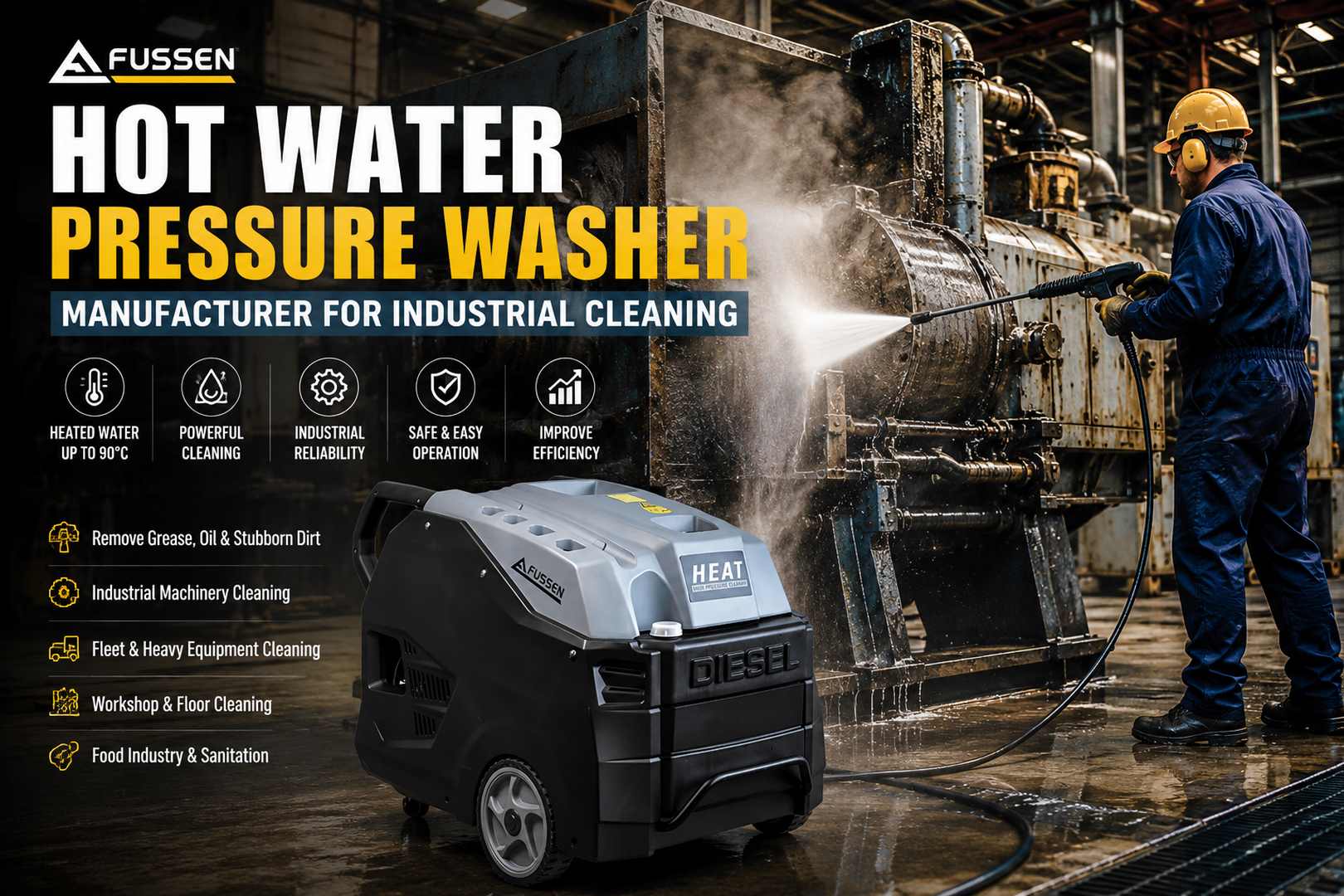
Selecting the right grease cleaning pressure washer is vital for achieving ideal cleaning results. Various specifications play a significant role in the efficiency and effectiveness of these machines. Understanding these core elements can help buyers make informed decisions. However, many overlook essential features that can impact performance. What are the key specifications to take into account, and how can they influence the overall cleaning process? The answers may surprise you.
Selecting the appropriate grease cleaning pressure washer is essential for minimizing costs associated with downtime and inadequate cleaning. Key industries such as automotive, food processing, and manufacturing rely on effective cleaning solutions to maintain operational efficiency. Achieving the right balance of pressure, flow, and reliability can greatly influence productivity and labor costs. Additionally, understanding the balance of temperature, pressure, and flow rate is crucial for optimal cleaning performance.
Choosing the wrong grease cleaning pressure washer can lead to significant costs, as insufficient cleaning and prolonged downtime may disrupt operations. The impact of selecting an inadequate unit can manifest in various ways:
Ultimately, investing in the right pressure washer is critical for maintaining productivity and controlling operational costs, ensuring that cleaning tasks are completed efficiently and effectively. Additionally, selecting a unit with continuous-duty operation can enhance reliability and reduce maintenance needs, ensuring minimal downtime in high-use facilities.
While various industries rely on the effective cleaning of grease and grime, the automotive, food processing, heavy machinery, and manufacturing sectors are particularly impacted by the choice of pressure washer. In these fields, the ability to utilize a high-pressure grease remover is essential for maintaining equipment and ensuring operational efficiency. A hot water pressure washer for grease not only enhances cleaning performance but also reduces the need for harsh chemicals, promoting a safer working environment. Selecting the right pressure washer can greatly influence productivity, machine lifespan, and compliance with health standards. As a result, industry leaders must prioritize the specifications of their grease cleaning pressure washers to meet the specific demands of their operations and achieve ideal results. Additionally, the effectiveness of hot water in breaking down grease plays a crucial role in enhancing cleaning efficiency and reducing chemical usage.
When it comes to industrial grease cleaning, striking the right balance between pressure, flow, and reliability is vital for effective performance. An ideal industrial grease cleaning pressure washer should deliver:
Choosing the right combination of these specifications empowers operators, allowing them to tackle tough cleaning tasks with confidence. Investing in a high-quality industrial grease cleaning pressure washer not only streamlines cleaning processes but also enhances operational efficiency across various industries.
Additionally, selecting a model with high-flow capabilities can significantly improve cleaning efficiency for larger surfaces and heavy-duty applications.

When selecting a grease cleaning pressure washer, several core specifications warrant careful consideration. Key factors include pressure requirements, flow rate, and whether the unit can handle hot or cold water. Additionally, the pump material and power source options play a critical role in determining the washer’s overall durability and efficiency. It is also essential to assess the cleaning mechanism employed by the washer, as this will influence its effectiveness in tackling stubborn contaminants.
Pressure, measured in PSI or Bar, plays a pivotal role in effectively breaking down thick grease during cleaning. Heavy-duty industrial applications typically require pressure levels within certain ranges to guarantee efficiency, while ultra-high pressures may be necessary for tackling particularly stubborn residues. Understanding these specifications is essential for selecting the right pressure washer for grease cleaning tasks. Additionally, the importance of flow rate is crucial for enhancing productivity and ensuring thorough cleaning results.
Cleaning thick grease requires significant force, making pressure a critical factor in the effectiveness of a pressure washer. The right pressure guarantees peak cleaning performance, particularly for industrial cleaning water jets and diesel/electric grease washers. Key considerations include:
These elements dictate the washer’s ability to tackle stubborn grease effectively. Additionally, understanding the importance of pressure levels for material removal can enhance your selection process for high-performance grease cleaning pressure washers.
What are the typical PSI/bar ranges needed for heavy-duty industrial applications? Generally, these applications require pressure levels between 3,000 to 5,000 PSI (206 to 345 bar). For specialized tasks, an explosion-proof industrial washer may necessitate higher pressures. Understanding these ranges guarantees peak performance, enabling effective removal of stubborn grease and contaminants, ultimately leading to enhanced operational efficiency in demanding industrial environments. Additionally, selecting the right pressure is crucial to avoid incomplete rust removal, which can lead to higher labor costs and safety risks.
Ultra-high pressure is often crucial for tackling particularly stubborn residues in industrial cleaning scenarios. When evaluating pressure washers, consider these core specifications:
These features guarantee peak performance and control during challenging cleaning tasks. Additionally, a high-performance diesel engine ensures reliable operation even in harsh working conditions.

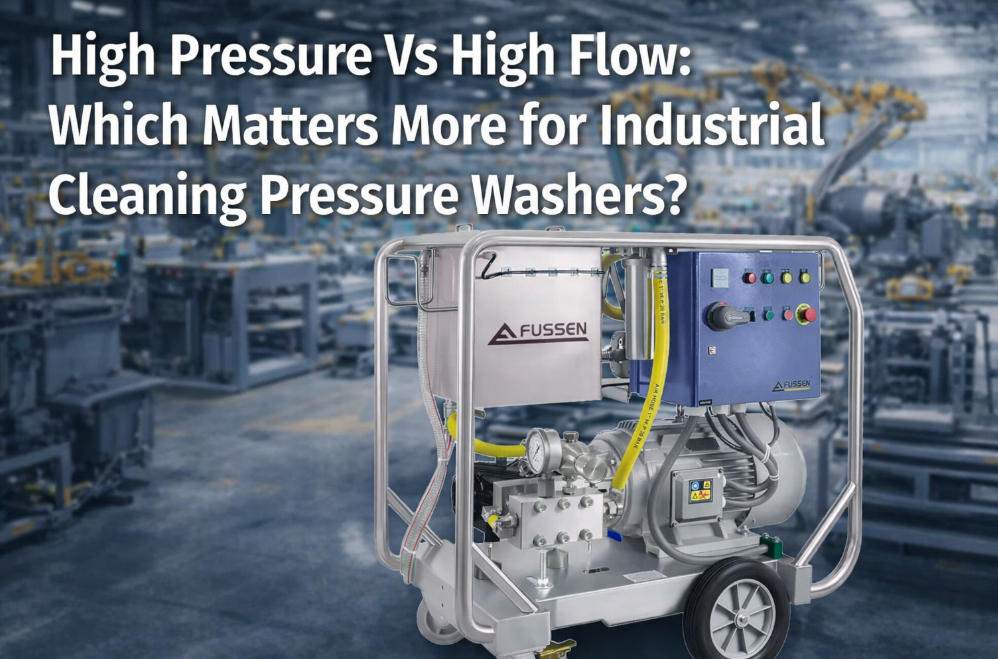
Flow rate is a critical specification when selecting a grease cleaning pressure washer, as it directly influences cleaning speed and area coverage. Matching the flow rate to the size of the factory or facility guarantees efficiency and effectiveness during operation. Additionally, balancing flow with pressure is essential for achieving peak performance in various cleaning tasks. For instance, cleaning performance metrics such as pressure (bar/PSI) and flow rate (L/min) are vital to consider for optimal results.
How does flow rate influence the efficiency of a grease cleaning pressure washer? A higher flow rate enhances cleaning speed and area coverage, allowing for more efficient operations. Consider these factors:
These aspects underscore the importance of flow rate in achieving excellent results. Additionally, the FCC Series pumps offer flow rates ranging from 5.6 to 15.9 L/min, providing options for various cleaning applications.

When selecting a grease cleaning pressure washer, matching the flow rate to the size of the factory or facility is essential for optimizing performance. A proper flow rate guarantees efficient cleaning without wasting resources. Below is a guide to help determine the appropriate flow rate based on facility size:
| Facility Size (Sq. Ft.) | Recommended Flow Rate (GPM) | Cleaning Efficiency |
|---|---|---|
| Up to 1,000 | 2-3 | High |
| 1,000 - 5,000 | 3-5 | Very High |
| Over 5,000 | 5+ | Maximum Efficiency |
Additionally, selecting the right pressure washer can significantly impact cleaning efficiency, ensuring that the equipment meets the demands of the facility size.
While selecting a grease cleaning pressure washer, it is crucial to balance flow and pressure to achieve ideal performance. Consider the following factors:
This balance leads to effective grease removal. Additionally, selecting the correct pressure washer nozzle angle ensures you can effectively tackle various surfaces without causing damage.
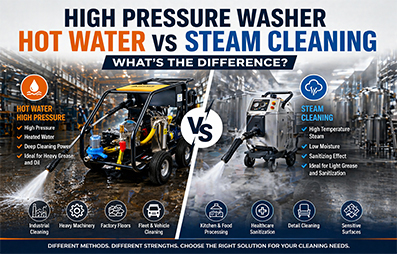
When considering grease cleaning pressure washers, the choice between hot water and cold water capabilities is essential. Hot water is often more effective for grease removal due to its ability to dissolve oils and contaminants more efficiently. However, cold water units can be sufficient for lighter cleaning tasks, and energy efficiency should also be a key factor in the decision-making process. The FHE-P Series offers diesel-fired boilers that heat water up to 90°C, enhancing grease breakdown and disinfection results.

Although both hot and cold water pressure washers can be effective for cleaning, hot water offers distinct advantages for grease removal. These advantages include:
Investing in a hot water unit can considerably elevate cleaning performance, providing more control over stubborn grease challenges. Additionally, understanding common problems that can arise with pressure washers helps ensure you choose a reliable unit that meets your needs.
Choosing a cold water pressure washer can be a practical decision for certain cleaning tasks, especially when dealing with less stubborn grime. These units effectively remove dirt, dust, and light grease without the need for heated water. Ideal for routine maintenance and cleaning vehicles or outdoor surfaces, they offer a cost-effective solution for users prioritizing simplicity and efficiency in their cleaning routine. Additionally, they are often preferred for general cleaning applications due to their lower operational costs and ease of use.
While evaluating pressure washers, energy efficiency is an essential factor, particularly when deciding between hot water and cold water capabilities. Consider these points:
Additionally, hot water pressure washers can enhance heat exchanger cleaning efficiency by improving the removal of stubborn fouling types.
These considerations can greatly influence purchasing decisions.
The pump material and its durability are critical considerations when selecting a grease cleaning pressure washer. Factors such as ceramic versus alloy steel plungers and advanced sealing technology for harsh environments can greatly impact performance and longevity. Additionally, understanding the expected lifespan and maintenance cycles of the pump will help guarantee reliable operation over time. Choosing the right plunger material, such as ceramic plungers for high-pressure applications, can significantly reduce downtime and extend seal life.
When evaluating pressure washers for grease cleaning, the material of the plungers plays an essential role in guaranteeing durability and performance. Key considerations include:
Choosing wisely guarantees long-lasting effectiveness. Additionally, understanding the appropriate pump material choices for your specific cleaning environment can enhance the longevity and performance of your pressure washer.
Evaluating sealing technology becomes paramount in high-temperature or corrosive environments, especially following the assessment of plunger materials. Effective seals prevent leakage and maintain operational efficiency under extreme conditions. Users should prioritize seals made from high-performance materials, such as Viton or PTFE, which resist degradation. This focus guarantees long-term reliability, minimizing downtime and maximizing control over the pressure washer’s performance in demanding applications. Additionally, selecting pumps with ceramic plungers further reduces wear and enhances the durability of the sealing system.
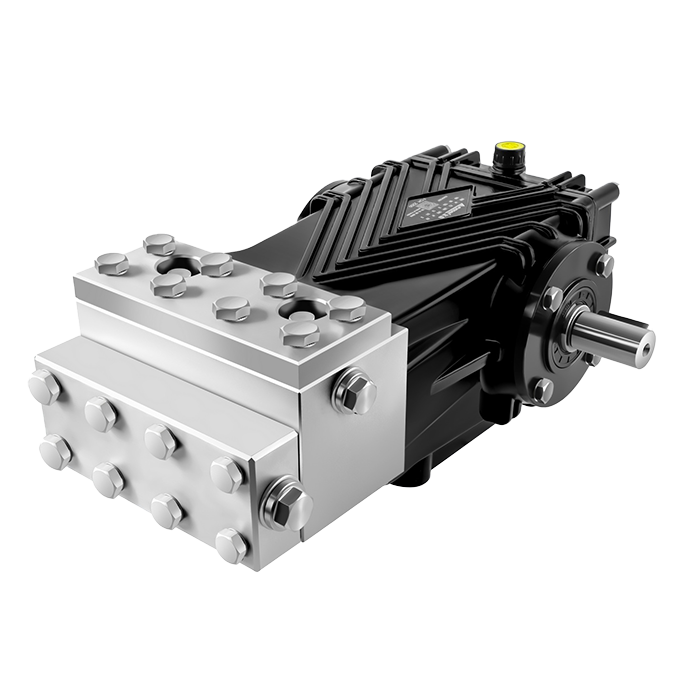
Understanding the expected lifespan and maintenance cycles of a pressure washer is essential, particularly when considering the pump material and its durability. Key factors include:
Evaluating these elements guarantees informed decisions for reliable, long-term grease cleaning efficiency. Additionally, the stainless steel construction of the FASH Series pumps ensures they withstand aggressive cleaning media, further enhancing their durability.

When selecting a grease cleaning pressure washer, evaluating power source options is essential. Electric, diesel, and gasoline models each present unique advantages and disadvantages, particularly concerning industrial applications and usage environments. Additionally, considerations around continuous operation and duty cycles will greatly influence the choice for specific tasks. Diesel models, such as those in the FAD series, offer strong durability and a high-pressure output, making them particularly suitable for demanding environments.
Choosing the right power source for an industrial grease cleaning pressure washer is essential, as each option—electric, diesel, and gasoline—comes with distinct advantages and disadvantages. Consider the following:
The environment in which a grease cleaning pressure washer will be used markedly influences its specifications and performance requirements. Indoor models typically prioritize quieter operation and reduced emissions, necessitating electric power sources. In contrast, outdoor models can leverage gasoline or diesel for greater pressure output and mobility. Evaluating these factors guarantees ideal selection based on intended usage, enhancing efficiency and effectiveness. Additionally, models like the FBE Series offer high-pressure output that meets demanding cleaning tasks for various applications.
Understanding continuous operation and duty cycles is essential for selecting a grease cleaning pressure washer that meets specific demands. Evaluating these factors can enhance performance and longevity. Consider the following specifications:
These elements guarantee peak functionality, allowing users to maintain control during extensive cleaning tasks. Additionally, understanding pressure and flow rate is crucial, as it significantly affects the efficiency of grease removal during cleaning processes.
When considering a grease cleaning pressure washer, safety features and certifications are vital factors. Compliance with standards such as CE, ISO9001, and OHSAS guarantees that the equipment meets necessary safety regulations. Additionally, features like safety valves, pressure switches, and explosion-proof models are essential for operating in hazardous environments. Ensuring that the washer has certified explosion-proof protection is crucial for minimizing operational risks in explosive settings.
Compliance with safety standards such as CE, ISO9001, and OHSAS is essential for any pressure washer intended for grease cleaning. These certifications guarantee reliability and safety, ensuring the equipment meets rigorous quality benchmarks. Key aspects to evaluate include:
Additionally, ensure that the manufacturer conducts machine testing and quality assurance, as this will confirm the equipment’s effectiveness and reliability before shipment.
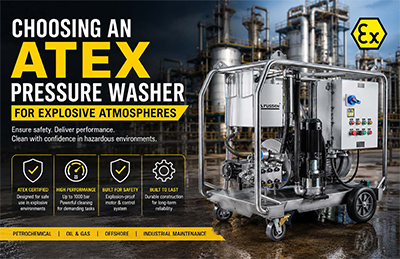
For operations involving flammable grease or hazardous environments, selecting an explosion-proof pressure washer is essential to guarantee safety and compliance with industry regulations. These models feature specialized components designed to prevent ignition sources and are rigorously tested to meet safety standards. Investors must prioritize machines with relevant certifications, ensuring reliable performance in demanding conditions while minimizing risks associated with volatile substances. Additionally, it’s important to consider models equipped with an explosion-proof motor to ensure safe operation in explosive atmospheres.
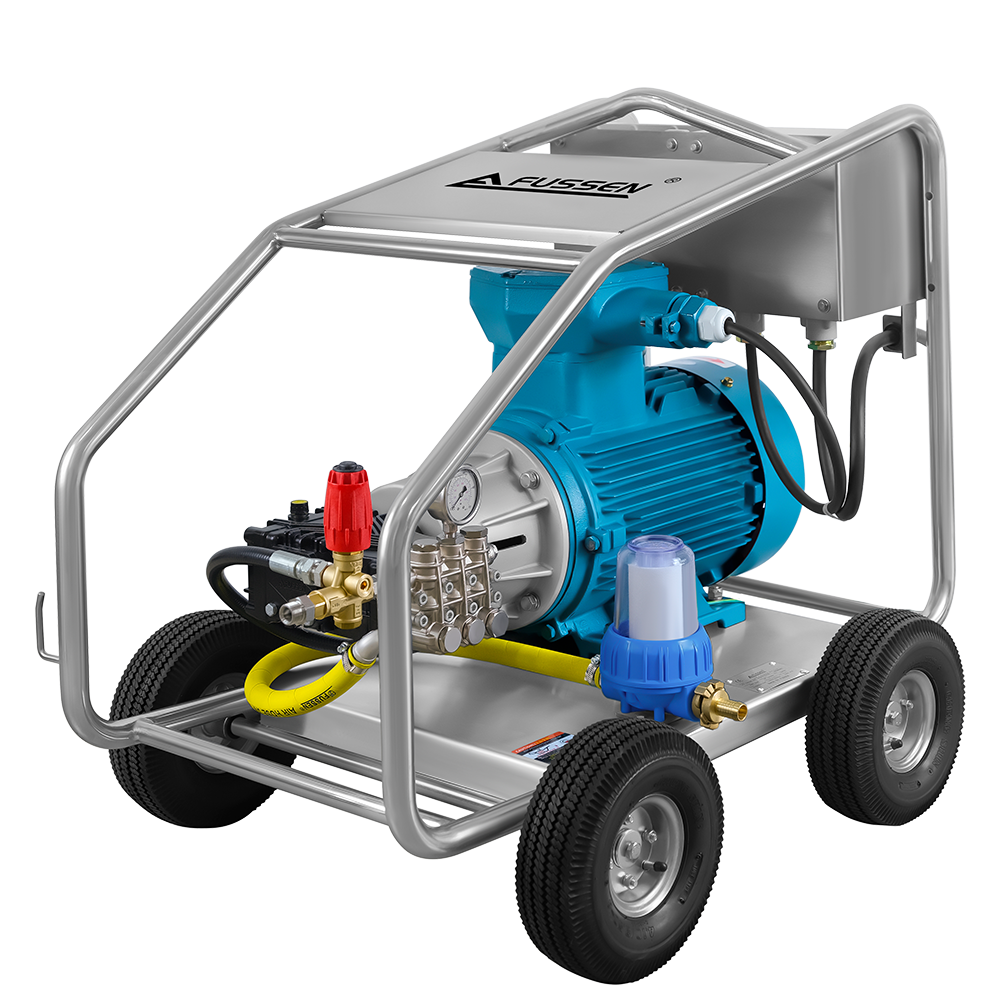
Safety features such as safety valves, pressure switches, and protective frames are essential specifications to evaluate when purchasing a grease cleaning pressure washer. These components guarantee peak performance and user safety. Consider the following:
Additionally, understanding the difference between safety valves and pressure regulating valves is crucial for ensuring that your equipment operates safely and efficiently.
When selecting a grease cleaning pressure washer, evaluating the available accessories and optional features is essential. Nozzle types, such as rotating and fan-shaped options, along with dump guns and lances, can greatly enhance cleaning efficiency. Additionally, hose reels, float valves, and booster pumps contribute to stable operation, making them important considerations for potential buyers.
Nozzle types play an essential role in the effectiveness of grease cleaning pressure washers. Understanding the various options guarantees peak performance:
Choosing the right nozzle enhances control and cleaning precision. Additionally, incorporating a soft start feature can further improve the performance by reducing wear on high-pressure seals and packings.
While selecting a grease cleaning pressure washer, the importance of evaluating accessories such as dump guns, lances, and hose reels cannot be overstated. Dump guns enable efficient discharge of high-pressure water, while lances allow for precise application in hard-to-reach areas. Hose reels facilitate organized storage, preventing tangling and damage. Together, these components enhance operational efficiency and user control during cleaning tasks. Proper hose selection based on pressure ratings is crucial to ensure safety and reliability during operation.
Evaluating float valves and booster pumps is essential for ensuring stable operation in grease cleaning pressure washers. These components contribute greatly to performance. Consider the following attributes:
When evaluating suppliers and manufacturers for grease cleaning pressure washers, important factors include the choice between global and local providers, which can influence delivery times and support options. Additionally, considerations such as warranty terms, availability of service, and spare parts are essential for long-term reliability. Finally, verifying performance through references and industry certifications can help guarantee the selected supplier meets quality standards. It’s also beneficial to ensure that the supplier offers original spare parts for maintenance and repairs, as this can greatly enhance the longevity of your equipment.
Choosing between global and local suppliers for grease cleaning pressure washers involves critical considerations regarding delivery and support. Evaluating these suppliers requires a focused approach to guarantee reliability and satisfaction.
To guarantee long-term satisfaction with a grease cleaning pressure washer, it is essential for buyers to assess warranty terms, service options, and the availability of spare parts from suppliers and manufacturers. A robust warranty can safeguard investments, providing peace of mind against defects and malfunctions. Service options should include timely repairs and maintenance support, ensuring minimal downtime. Additionally, buyers must evaluate the ease of obtaining spare parts, as availability can greatly impact the longevity and efficiency of the equipment. Engaging with reputable suppliers who offer extensive service agreements and readily accessible parts enhances operational control. As a result, thorough evaluation of these aspects is critical in making an informed decision, ultimately leading to a reliable and efficient cleaning solution. Furthermore, it is important to ensure that suppliers provide original spare parts for long-term maintenance and performance of the machine.
A thorough evaluation of suppliers and manufacturers is essential for guaranteeing the acquisition of a grease cleaning pressure washer that meets performance expectations. This process involves confirming verified performance, references, and industry certifications. Buyers should focus on the following aspects:
Furthermore, it’s advantageous to consider suppliers who hold ISO9001 certification as this reflects a commitment to quality management and continuous improvement.
Such scrutiny guarantees informed purchasing decisions and ideal performance.
When considering grease cleaning pressure washers, industry-specific specifications are vital for peak performance. Different sectors, such as automotive and heavy equipment facilities, food processing plants, and manufacturing workshops, require tailored features to meet their unique cleaning challenges. An extensive checklist for each industry can streamline the selection process and guarantee compliance with safety and efficiency standards. For instance, in demanding applications, a high-pressure pump like the FBB Series can significantly enhance cleaning effectiveness.
Automotive and heavy equipment facilities require specialized pressure washers designed to effectively tackle grease and grime. Selecting the right model can greatly enhance operational efficiency. Key specifications to evaluate include:
In food processing plants, where hygiene and cleanliness are paramount, selecting a pressure washer equipped with specific features is essential for maintaining sanitary conditions. First, a high-temperature capability is critical for effectively removing grease and bacteria. Additionally, a stainless-steel construction is preferred for durability and resistance to corrosion. The pressure washer should offer adjustable pressure settings to guarantee safe cleaning of delicate equipment without damage. Moreover, an effective filtration system is fundamental to prevent contaminants from re-entering the environment. A portable design enhances maneuverability, allowing operators to reach tight spaces. Finally, ease of maintenance assures that the equipment remains operational, safeguarding compliance with health regulations. These specifications empower plant managers to uphold rigorous hygiene standards confidently. Furthermore, selecting a washer with explosion-proof motor ensures safe operation in explosive atmospheres, which is crucial in certain food processing environments.
In manufacturing plants and workshops, the effectiveness of grease cleaning pressure washers hinges on specific requirements tailored to the type of grease and the frequency of cleaning. Optimizing pressure, flow, and accessories for each industry can greatly enhance cleaning performance and efficiency. A thorough checklist can serve as a valuable tool for ensuring that all essential specifications are met. Additionally, selecting a model with high durability and performance can significantly impact the washer’s longevity and effectiveness in demanding environments.
When selecting a grease cleaning pressure washer, it is essential to take into account the specific type of grease and the frequency of cleaning required for various environments, particularly in manufacturing plants and workshops.
Consider the following specifications:
Tailoring these factors guarantees peak performance and efficient cleaning processes. Additionally, opting for a washer with high durability ensures reliable performance even in demanding conditions.
Optimizing pressure, flow, and accessories for grease cleaning pressure washers can greatly enhance efficiency across various industries, particularly in manufacturing plants and workshops. The following checklist outlines key specifications for effective cleaning:
| Pressure (PSI) | Flow Rate (GPM) |
|---|---|
| 1500-3000 | 2.0-5.0 |
| 2500-4000 | 3.0-8.0 |
| 3000-5000 | 4.0-10.0 |
| 3500-6000 | 5.0-12.0 |
A high-quality plunger pump, such as those found in the FCD Series, can significantly improve cleaning performance and durability.
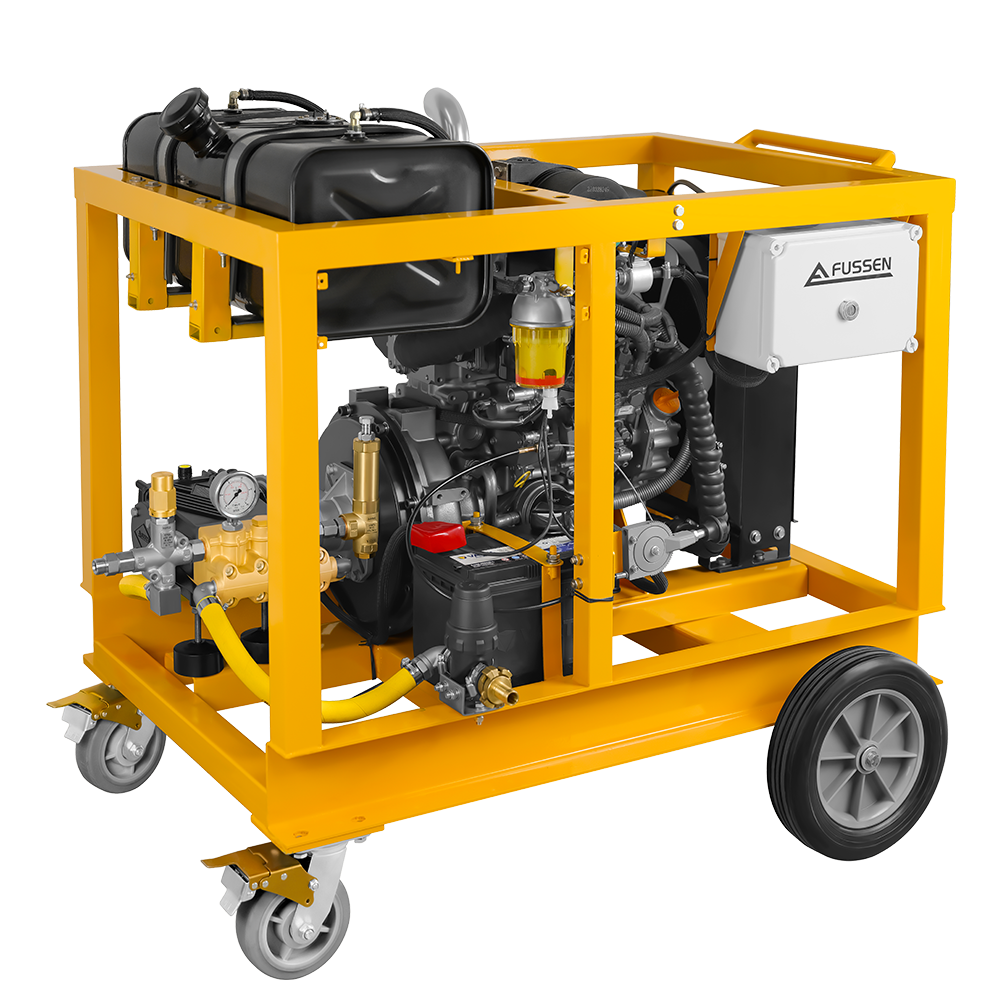
When purchasing a grease cleaning pressure washer, buyers often make critical mistakes that can impact performance and longevity. Many focus solely on PSI numbers, neglecting essential factors such as flow rate and surface coverage. Additionally, overlooking the durability, pump material, and appropriate power source for the intended environment can lead to unsatisfactory results. It’s also vital to consider high-pressure impact that is necessary for efficiently removing stubborn grease and residues.
Many buyers mistakenly focus solely on PSI (pounds per square inch) ratings when selecting a grease cleaning pressure washer, believing that higher numbers automatically equate to better cleaning performance. This narrow perspective can lead to less-than-ideal choices. To guarantee effective cleaning, buyers should consider multiple factors, including:
While evaluating options for grease cleaning pressure washers, buyers often overlook the importance of flow rate and surface coverage. Flow rate, measured in gallons per minute (GPM), directly influences cleaning efficiency; a higher GPM means more water reaching the surface, effectively dislodging grease and grime. Additionally, surface coverage determines how much area can be cleaned within a specific timeframe. A unit with a low flow rate may require excessive time and effort, undermining productivity. Buyers should seek a balance between PSI, GPM, and nozzle design to optimize results. Ignoring these factors can lead to subpar cleaning performance, ultimately affecting satisfaction and results. Awareness of flow rate and surface coverage is vital for making an informed, effective purchase. Moreover, the FME Series delivers a maximum working pressure of 500 bar, ensuring consistent cleaning performance in marine environments for optimal results.
Durability stands as a critical factor in the selection of a grease cleaning pressure washer. Buyers often overlook this essential aspect, which can lead to dissatisfaction and costly repairs. To guarantee longevity and reliability, consider the following specifications:
Additionally, ensure that the pump is designed for continuous-duty systems, as this will help maintain steady pressure during operation. Investing in these features guarantees a reliable and effective cleaning experience.
Selecting the appropriate power source for a grease cleaning pressure washer is essential, as it directly impacts performance and usability. Choosing the wrong power source can lead to inefficiencies, safety hazards, or inadequate cleaning capabilities.
| Power Source Type | Ideal Use Case |
|---|---|
| Electric | Indoor settings, light-duty tasks |
| Gas | Outdoor use, heavy-duty cleaning |
| Battery | Portable, remote locations |
| Diesel | Industrial applications |
| Propane | Enclosed spaces with ventilation |
Understanding the differences between these sources allows users to maximize performance while ensuring safety and convenience. Selecting the right power source empowers the user to achieve optimum results, avoiding the pitfalls associated with mismatched equipment. For instance, the FSE Series electric high pressure washer operates on standard 220V household power, making it ideal for home use and light-duty tasks.

Making an informed purchase decision for a grease cleaning pressure washer hinges on understanding specific specifications that align with individual cleaning needs. Buyers must consider several key factors to guarantee they select the right model.
Additionally, it’s important to consider the explosion-proof features of the pressure washer, especially if it’s intended for use in hazardous environments.

 English
  Spanish
  French
  Russian
  Japanese
  Portuguese
  Arabic
  Korean