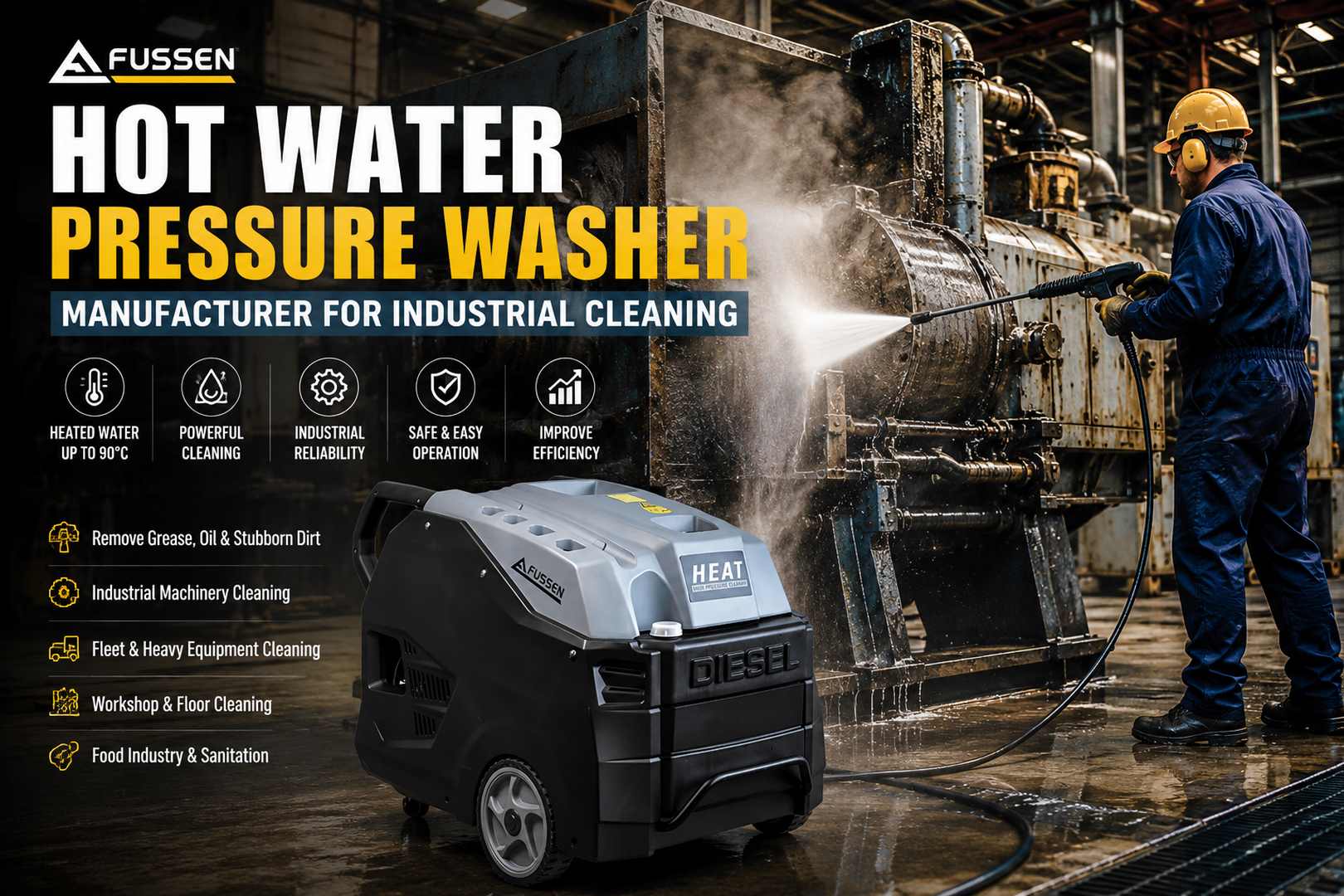
Elegir la hidrolavadora adecuada para la limpieza de grasa es fundamental para obtener resultados óptimos. Diversas especificaciones influyen significativamente en la eficiencia y eficacia de estas máquinas. Comprender estos elementos clave ayuda a los compradores a tomar decisiones informadas. Sin embargo, muchos pasan por alto características esenciales que pueden afectar el rendimiento. ¿Cuáles son las especificaciones clave a tener en cuenta y cómo influyen en el proceso de limpieza? Las respuestas podrían sorprenderte.
Seleccionar la hidrolavadora de limpieza de grasa adecuada es esencial para minimizar los costos asociados con el tiempo de inactividad y la limpieza inadecuada. Industrias clave como la automotriz, el procesamiento de alimentos y la manufactura dependen de soluciones de limpieza efectivas para mantener la eficiencia operativa. Lograr el equilibrio adecuado de presión, caudal y confiabilidad puede influir en gran medida en la productividad y los costos laborales. Además, comprender la equilibrio de temperatura, presión y caudal es fundamental para un rendimiento de limpieza óptimo.
Elegir la hidrolavadora de grasa incorrecta puede generar costos significativos, ya que una limpieza insuficiente y un tiempo de inactividad prolongado pueden interrumpir las operaciones. El impacto de seleccionar una unidad inadecuada puede manifestarse de diversas maneras:
En definitiva, invertir en la hidrolimpiadora adecuada es fundamental para mantener la productividad y controlar los costes operativos, garantizando que las tareas de limpieza se completen de forma eficiente y eficaz. Además, seleccionar una unidad con funcionamiento continuo Puede mejorar la fiabilidad y reducir las necesidades de mantenimiento, garantizando un tiempo de inactividad mínimo en instalaciones de alto uso.
Si bien diversas industrias dependen de la limpieza eficaz de grasa y suciedad, los sectores automotriz, de procesamiento de alimentos, de maquinaria pesada y de manufactura se ven particularmente afectados por la elección de la hidrolavadora. En estos campos, la capacidad de utilizar un desengrasador de alta presión es esencial para el mantenimiento de los equipos y para garantizar la eficiencia operativa. Una hidrolavadora de agua caliente para grasa no solo mejora el rendimiento de la limpieza, sino que también reduce la necesidad de productos químicos agresivos, lo que promueve un entorno de trabajo más seguro. Seleccionar la hidrolavadora adecuada puede influir enormemente en la productividad, la vida útil de la máquina y el cumplimiento de las normas sanitarias. Como resultado, los líderes de la industria deben priorizar las especificaciones de sus hidrolavadoras de limpieza de grasa para satisfacer las demandas específicas de sus operaciones y lograr resultados ideales. Además, la eficacia del agua caliente en descomponiendo la grasa Desempeña un papel crucial en la mejora de la eficacia de la limpieza y la reducción del uso de productos químicos.
En lo que respecta a la limpieza de grasa industrial, lograr el equilibrio adecuado entre presión, caudal y fiabilidad es vital para un rendimiento eficaz. Una hidrolavadora ideal para la limpieza de grasa industrial debería ofrecer:
Elegir la combinación adecuada de estas especificaciones capacita a los operarios, permitiéndoles afrontar con confianza las tareas de limpieza más exigentes. Invertir en una hidrolavadora industrial de alta calidad para la limpieza de grasa no solo agiliza los procesos de limpieza, sino que también mejora la eficiencia operativa en diversos sectores.
Además, seleccionar un modelo con capacidades de alto flujo Puede mejorar significativamente la eficacia de la limpieza en superficies grandes y aplicaciones de uso intensivo.

Al seleccionar una hidrolavadora para limpieza de grasa, varias especificaciones básicas merecen una cuidadosa consideración. Los factores clave incluyen los requisitos de presión, el caudal y si la unidad puede manejar agua caliente o fría. Además, el material de la bomba y las opciones de fuente de alimentación juegan un papel fundamental a la hora de determinar la durabilidad y eficiencia generales de la hidrolavadora. También es esencial evaluar la mecanismo de limpieza empleado por la lavadora, ya que esto influirá en su eficacia para combatir los contaminantes persistentes.
La presión, medida en PSI o Bar, juega un papel fundamental en la descomposición efectiva de la grasa espesa durante la limpieza. Las aplicaciones industriales de alta resistencia generalmente requieren niveles de presión dentro de ciertos rangos para garantizar la eficiencia, mientras que pueden ser necesarias presiones ultra altas para abordar residuos particularmente persistentes. Comprender estas especificaciones es esencial para seleccionar la hidrolavadora adecuada para las tareas de limpieza de grasa. Además, Importancia del caudal Es fundamental para mejorar la productividad y garantizar resultados de limpieza exhaustivos.
La limpieza de grasa espesa requiere una fuerza considerable, por lo que la presión es un factor crítico en la eficacia de una hidrolavadora. La presión adecuada garantiza un rendimiento de limpieza óptimo, especialmente para chorros de agua industriales y desengrasadoras diésel/eléctricas. Las consideraciones clave incluyen:
Estos elementos determinan la capacidad de la lavadora para eliminar eficazmente la grasa persistente. Además, es importante comprender la importancia de niveles de presión para la eliminación de material Puede mejorar su proceso de selección de hidrolimpiadoras de alto rendimiento para la limpieza de grasa.
¿Cuáles son los rangos típicos de PSI/bar necesarios para aplicaciones industriales de alta resistencia? Generalmente, estas aplicaciones requieren niveles de presión entre 3000 y 5000 PSI (206 y 345 bar). Para tareas especializadas, una lavadora industrial a prueba de explosiones puede requerir presiones más altas. Comprender estos rangos garantiza un rendimiento óptimo, lo que permite la eliminación eficaz de grasa y contaminantes persistentes, lo que en última instancia conduce a una mayor eficiencia operativa en entornos industriales exigentes. Además, seleccionar la presión correcta es crucial para evitar eliminación incompleta del óxido, lo cual puede conllevar mayores costes laborales y riesgos para la seguridad.
La presión ultra alta suele ser crucial para eliminar residuos especialmente difíciles en entornos de limpieza industrial. Al evaluar hidrolimpiadoras, tenga en cuenta estas especificaciones clave:
Estas características garantizan un rendimiento y control óptimos durante tareas de limpieza exigentes. Además, un alto rendimiento motor diésel Garantiza un funcionamiento fiable incluso en condiciones de trabajo adversas.

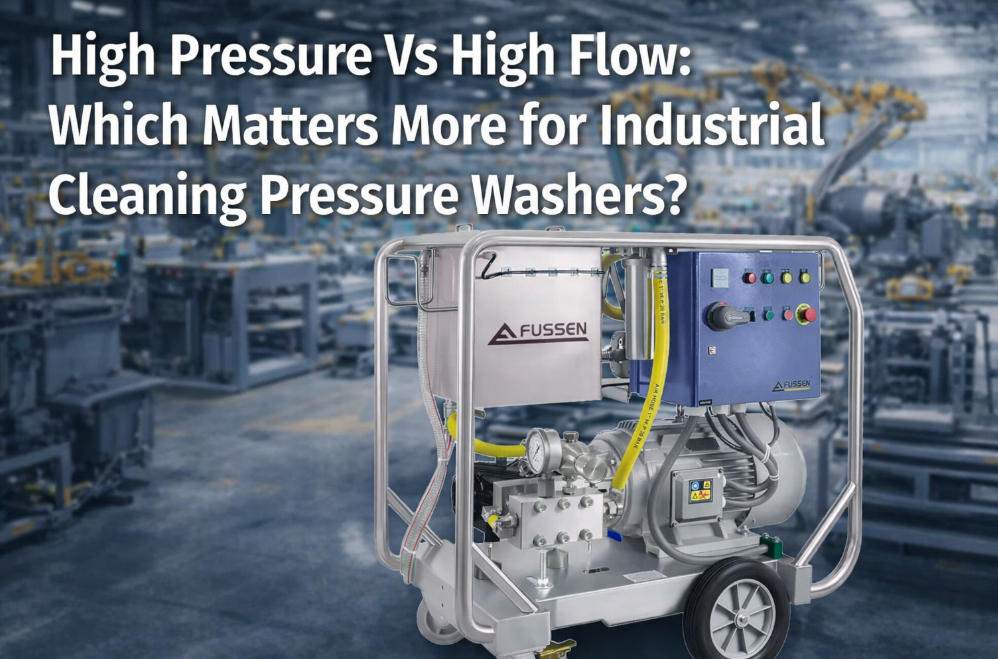
El caudal es una especificación crítica al seleccionar una hidrolavadora para limpieza de grasa, ya que influye directamente en la velocidad de limpieza y la cobertura del área. Ajustar el caudal al tamaño de la fábrica o instalación garantiza la eficiencia y la efectividad durante el funcionamiento. Además, equilibrar el caudal con la presión es esencial para lograr un rendimiento óptimo en diversas tareas de limpieza. Por ejemplo, métricas de rendimiento de limpieza Para obtener resultados óptimos, es fundamental tener en cuenta parámetros como la presión (bar/PSI) y el caudal (L/min).
¿Cómo influye el caudal en la eficiencia de una hidrolavadora para limpieza de grasa? Un caudal mayor aumenta la velocidad de limpieza y la cobertura del área, lo que permite operaciones más eficientes. Considere estos factores:
Estos aspectos resaltan la importancia del caudal para lograr excelentes resultados. Además, las bombas de la serie FCC ofrecen caudales que van desde 5,6 a 15,9 L/min, ofreciendo opciones para diversas aplicaciones de limpieza.

Al seleccionar una hidrolavadora para la limpieza de grasa, es fundamental ajustar el caudal al tamaño de la fábrica o instalación para optimizar el rendimiento. Un caudal adecuado garantiza una limpieza eficiente sin desperdiciar recursos. A continuación, encontrará una guía para determinar el caudal apropiado según el tamaño de la instalación:
| Tamaño de las instalaciones (pies cuadrados) | Caudal recomendado (GPM) | Eficiencia de limpieza |
|---|---|---|
| Hasta 1.000 | 2-3 | Alto |
| 1,000 - 5,000 | 3-5 | Muy alto |
| Más de 5.000 | 5+ | Eficacia máxima |
Además, seleccionar la hidrolavadora adecuada puede tener un impacto significativo. eficiencia de limpieza, garantizando que el equipo cumpla con las exigencias del tamaño de las instalaciones.
Al seleccionar una hidrolavadora para la limpieza de grasa, es fundamental equilibrar el caudal y la presión para lograr un rendimiento óptimo. Considere los siguientes factores:
Este equilibrio conduce a una eliminación eficaz de la grasa. Además, seleccionar el correcto ángulo de la boquilla de la hidrolavadora Garantiza que puedas tratar eficazmente diversas superficies sin causar daños.
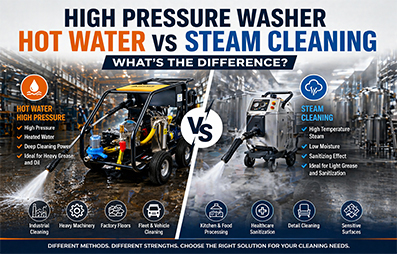
Al considerar hidrolimpiadoras para la limpieza de grasa, la elección entre agua caliente y agua fría es fundamental. El agua caliente suele ser más eficaz para eliminar la grasa debido a su capacidad para disolver aceites y contaminantes con mayor eficacia. Sin embargo, las unidades de agua fría pueden ser suficientes para tareas de limpieza más ligeras, y la eficiencia energética también debe ser un factor clave en el proceso de toma de decisiones. Serie FHE-P Ofrece calderas de gasóleo que calientan el agua hasta 90 °C, mejorando la descomposición de la grasa y los resultados de desinfección.

Si bien tanto las hidrolavadoras de agua caliente como las de agua fría pueden ser efectivas para la limpieza, el agua caliente ofrece claras ventajas para la eliminación de grasa. Estas ventajas incluyen:
Invertir en una unidad de agua caliente puede elevar considerablemente el rendimiento de la limpieza, proporcionando un mayor control sobre los desafíos de la grasa persistente. Además, comprender problemas comunes Los problemas que pueden surgir con las hidrolimpiadoras ayudan a garantizar que elija una unidad fiable que satisfaga sus necesidades.
Elegir una hidrolavadora de agua fría puede ser una decisión práctica para ciertas tareas de limpieza, especialmente cuando se trata de suciedad menos persistente. Estas unidades eliminan eficazmente la suciedad, el polvo y la grasa ligera sin necesidad de agua caliente. Ideales para el mantenimiento rutinario y la limpieza de vehículos o superficies exteriores, ofrecen una solución rentable para los usuarios que priorizan la simplicidad y la eficiencia en su rutina de limpieza. Además, a menudo se prefieren para aplicaciones de limpieza general debido a sus menores costos operativos y facilidad de uso.
Al evaluar hidrolimpiadoras, la eficiencia energética es un factor esencial, especialmente al decidir entre las que tienen capacidad para agua caliente o fría. Tenga en cuenta estos puntos:
Además, las hidrolavadoras de agua caliente pueden mejorar limpieza del intercambiador de calor mayor eficiencia al mejorar la eliminación de los tipos de incrustaciones más difíciles de eliminar.
Estas consideraciones pueden influir enormemente en las decisiones de compra.
El material de la bomba y su durabilidad son consideraciones críticas al seleccionar una hidrolavadora de limpieza de grasa. Factores como los émbolos de cerámica frente a los de acero aleado y la tecnología de sellado avanzada para entornos hostiles pueden afectar en gran medida el rendimiento y la longevidad. Además, comprender la vida útil esperada y los ciclos de mantenimiento de la bomba ayudará a garantizar un funcionamiento fiable a lo largo del tiempo. Elegir el material adecuado para el émbolo, como émbolos de cerámica En aplicaciones de alta presión, puede reducir significativamente el tiempo de inactividad y prolongar la vida útil de los sellos.
Al evaluar hidrolimpiadoras para la limpieza de grasa, el material de los émbolos desempeña un papel fundamental para garantizar su durabilidad y rendimiento. Entre las consideraciones clave se incluyen:
Elegir sabiamente garantiza una eficacia duradera. Además, comprender lo apropiado Opciones de materiales para la bomba Adaptar la hidrolimpiadora a su entorno de limpieza específico puede mejorar la vida útil y el rendimiento de la misma.
La evaluación de la tecnología de sellado se vuelve primordial en entornos de alta temperatura o corrosivos, especialmente después de la evaluación de los materiales del émbolo. Los sellos eficaces evitan fugas y mantienen la eficiencia operativa en condiciones extremas. Los usuarios deben priorizar los sellos fabricados con materiales de alto rendimiento, como Viton o PTFE, que resisten la degradación. Este enfoque garantiza la fiabilidad a largo plazo, minimizando el tiempo de inactividad y maximizando el control sobre el rendimiento de la hidrolavadora en aplicaciones exigentes. Además, seleccionar bombas con émbolos de cerámica Reduce aún más el desgaste y mejora la durabilidad del sistema de sellado.
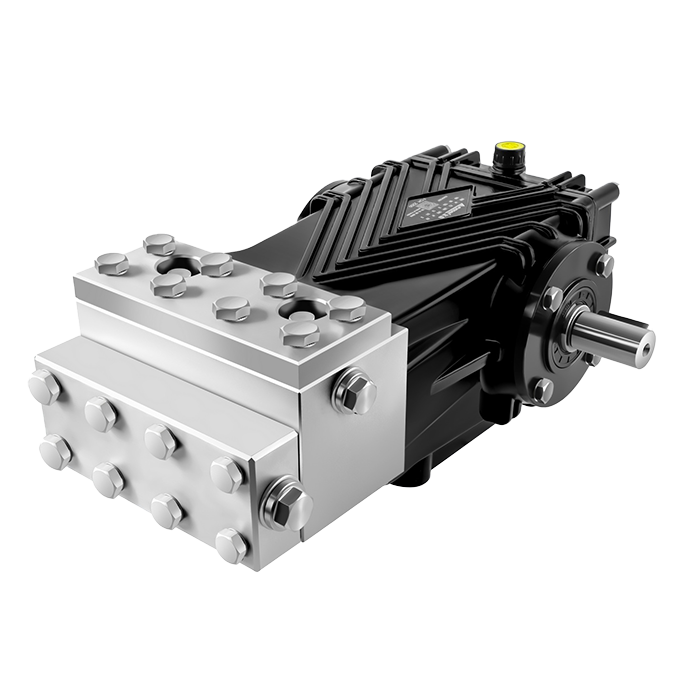
Es fundamental comprender la vida útil prevista y los ciclos de mantenimiento de una hidrolimpiadora, especialmente al considerar el material de la bomba y su durabilidad. Los factores clave incluyen:
La evaluación de estos elementos garantiza decisiones informadas para una eficacia de limpieza de grasa confiable y a largo plazo. Además, construcción de acero inoxidable Las bombas de la serie FASH están diseñadas para resistir medios de limpieza agresivos, lo que mejora aún más su durabilidad.

Al seleccionar una hidrolavadora para limpieza de grasa, es fundamental evaluar las opciones de fuente de alimentación. Los modelos eléctricos, diésel y de gasolina presentan ventajas y desventajas únicas, especialmente en lo que respecta a aplicaciones industriales y entornos de uso. Además, las consideraciones sobre el funcionamiento continuo y los ciclos de trabajo influirán en gran medida en la elección para tareas específicas. Los modelos diésel, como los de la serie FAD, ofrecen gran durabilidad y una salida de alta presión, lo que las hace especialmente adecuadas para entornos exigentes.
Elegir la fuente de alimentación adecuada para una hidrolavadora industrial de limpieza de grasa es fundamental, ya que cada opción (eléctrica, diésel y gasolina) presenta ventajas y desventajas distintas. Considere lo siguiente:
El entorno en el que se utilizará una hidrolavadora para limpieza de grasa influye notablemente en sus especificaciones y requisitos de rendimiento. Los modelos para interiores suelen priorizar un funcionamiento más silencioso y la reducción de emisiones, lo que requiere fuentes de alimentación eléctricas. Por el contrario, los modelos para exteriores pueden utilizar gasolina o diésel para una mayor presión y movilidad. Evaluar estos factores garantiza la selección ideal en función del uso previsto, mejorando la eficiencia y la eficacia. Además, modelos como la serie FBE ofrecen salida de alta presión que satisface las exigentes tareas de limpieza para diversas aplicaciones.
Comprender el funcionamiento continuo y los ciclos de trabajo es fundamental para seleccionar una hidrolavadora de limpieza de grasa que cumpla con las necesidades específicas. Evaluar estos factores puede mejorar el rendimiento y la vida útil. Considere las siguientes especificaciones:
Estos elementos garantizan una funcionalidad máxima, lo que permite a los usuarios mantener el control durante tareas de limpieza extensas. Además, comprender presión y caudal Es fundamental, ya que afecta significativamente la eficacia de la eliminación de grasa durante los procesos de limpieza.
Al considerar una hidrolavadora para limpieza de grasa, las características de seguridad y las certificaciones son factores vitales. El cumplimiento de estándares como CE, ISO9001 y OHSAS garantiza que el equipo cumpla con las normas de seguridad necesarias. Además, características como válvulas de seguridad, interruptores de presión y modelos a prueba de explosiones son esenciales para operar en entornos peligrosos. Asegurarse de que la hidrolavadora tenga protección certificada a prueba de explosiones es fundamental para minimizar los riesgos operacionales en entornos explosivos.
El cumplimiento de normas de seguridad como CE, ISO9001 y OHSAS es esencial para cualquier hidrolimpiadora destinada a la limpieza de grasa. Estas certificaciones garantizan la fiabilidad y la seguridad, asegurando que el equipo cumpla con rigurosos estándares de calidad. Los aspectos clave a evaluar incluyen:
Además, asegúrese de que el fabricante realice Pruebas de máquinas y garantía de calidad, ya que esto confirmará la eficacia y fiabilidad del equipo antes del envío.
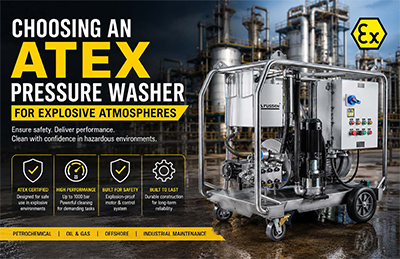
Para operaciones que involucren grasa inflamable o entornos peligrosos, seleccionar una hidrolavadora a prueba de explosiones es esencial para garantizar la seguridad y el cumplimiento de las regulaciones de la industria. Estos modelos cuentan con componentes especializados diseñados para prevenir fuentes de ignición y se prueban rigurosamente para cumplir con los estándares de seguridad. Los inversores deben priorizar las máquinas con certificaciones relevantes, asegurando un rendimiento confiable en condiciones exigentes y minimizando los riesgos asociados con sustancias volátiles. Además, es importante considerar modelos equipados con un motor a prueba de explosiones para garantizar un funcionamiento seguro en atmósferas explosivas.
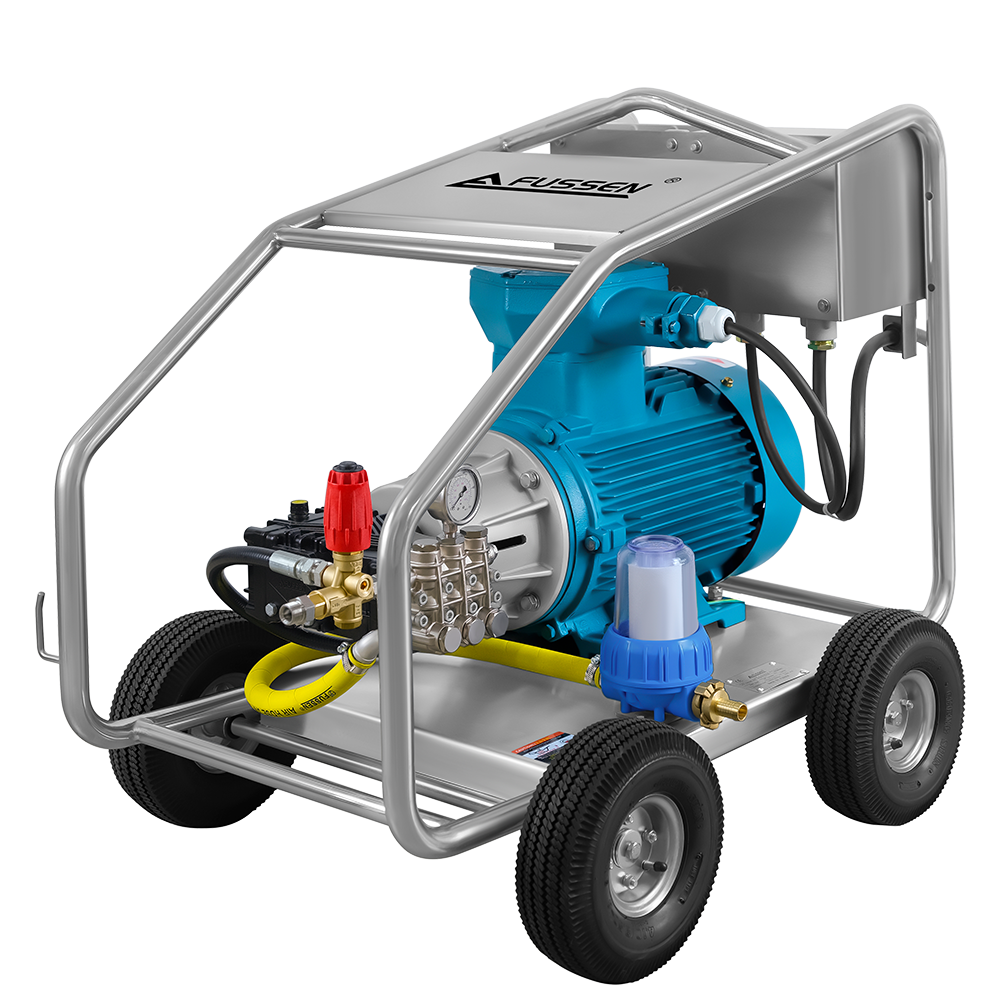
Las características de seguridad, como las válvulas de seguridad, los interruptores de presión y los marcos de protección, son especificaciones esenciales a evaluar al comprar una hidrolavadora para limpieza de grasa. Estos componentes garantizan un rendimiento óptimo y la seguridad del usuario. Considere lo siguiente:
Además, comprender la diferencia entre válvulas de seguridad y válvulas reguladoras de presión Es fundamental para garantizar que su equipo funcione de forma segura y eficiente.
Al seleccionar una hidrolavadora para la limpieza de grasa, es fundamental evaluar los accesorios y las funciones opcionales disponibles. Los tipos de boquillas, como las giratorias y las de abanico, junto con las pistolas y lanzas de descarga, pueden mejorar considerablemente la eficacia de la limpieza. Además, los carretes de manguera, las válvulas de flotador y las bombas de refuerzo contribuyen a un funcionamiento estable, por lo que son aspectos importantes a considerar para los posibles compradores.
El tipo de boquilla desempeña un papel fundamental en la eficacia de las hidrolimpiadoras para la limpieza de grasa. Comprender las distintas opciones garantiza un rendimiento óptimo.
Elegir la boquilla adecuada mejora el control y la precisión de la limpieza. Además, incorporar una función de arranque suave Puede mejorar aún más el rendimiento al reducir el desgaste de los sellos y empaquetaduras de alta presión.
Al seleccionar una hidrolavadora para limpieza de grasa, es fundamental evaluar accesorios como pistolas de descarga, lanzas y carretes de manguera. Las pistolas de descarga permiten una descarga eficiente de agua a alta presión, mientras que las lanzas permiten una aplicación precisa en áreas de difícil acceso. Los carretes de manguera facilitan el almacenamiento organizado, evitando enredos y daños. En conjunto, estos componentes mejoran la eficiencia operativa y el control del usuario durante las tareas de limpieza. selección de mangueras Es fundamental basarse en las clasificaciones de presión para garantizar la seguridad y la fiabilidad durante el funcionamiento.
La evaluación de las válvulas de flotador y las bombas de refuerzo es fundamental para garantizar un funcionamiento estable en las hidrolimpiadoras desgrasantes. Estos componentes contribuyen en gran medida al rendimiento. Considere los siguientes atributos:
Al evaluar proveedores y fabricantes de hidrolavadoras para limpieza de grasa, los factores importantes incluyen la elección entre proveedores globales y locales, lo que puede influir en los tiempos de entrega y las opciones de soporte. Además, consideraciones como los términos de la garantía, la disponibilidad del servicio y las piezas de repuesto son esenciales para la confiabilidad a largo plazo. Finalmente, verificar el rendimiento a través de referencias y certificaciones de la industria puede ayudar a garantizar que el proveedor seleccionado cumpla con los estándares de calidad. También es beneficioso asegurarse de que el proveedor ofrezca repuestos originales para el mantenimiento y las reparaciones, ya que esto puede prolongar considerablemente la vida útil de su equipo.
Elegir entre proveedores globales y locales de hidrolimpiadoras para la limpieza de grasa implica considerar aspectos cruciales como la entrega y el soporte técnico. Evaluar a estos proveedores requiere un enfoque minucioso para garantizar la fiabilidad y la satisfacción del cliente.
Para garantizar la satisfacción a largo plazo con una hidrolavadora desgrasante, es esencial que los compradores evalúen los términos de la garantía, las opciones de servicio y la disponibilidad de repuestos de los proveedores y fabricantes. Una garantía sólida puede proteger las inversiones, brindando tranquilidad frente a defectos y fallas. Las opciones de servicio deben incluir reparaciones oportunas y soporte de mantenimiento, asegurando un tiempo de inactividad mínimo. Además, los compradores deben evaluar la facilidad para obtener repuestos, ya que la disponibilidad puede afectar significativamente la longevidad y la eficiencia del equipo. Colaborar con proveedores de buena reputación que ofrecen amplios acuerdos de servicio y repuestos fácilmente accesibles mejora el control operativo. Por lo tanto, una evaluación exhaustiva de estos aspectos es fundamental para tomar una decisión informada, lo que en última instancia conduce a una solución de limpieza confiable y eficiente. Además, es importante asegurarse de que los proveedores proporcionen repuestos originales para el mantenimiento y el rendimiento a largo plazo de la máquina.
Una evaluación exhaustiva de proveedores y fabricantes es fundamental para garantizar la adquisición de una hidrolavadora desgrasadora que cumpla con las expectativas de rendimiento. Este proceso implica verificar el rendimiento, las referencias y las certificaciones del sector. Los compradores deben centrarse en los siguientes aspectos:
Además, es ventajoso considerar proveedores que tengan Certificación ISO9001 ya que esto refleja un compromiso con la gestión de la calidad y la mejora continua.
Este nivel de análisis garantiza decisiones de compra informadas y un rendimiento óptimo.
Al considerar hidrolavadoras para la limpieza de grasa, las especificaciones específicas de la industria son vitales para un rendimiento óptimo. Diferentes sectores, como las instalaciones de automoción y maquinaria pesada, las plantas de procesamiento de alimentos y los talleres de fabricación, requieren características adaptadas para afrontar sus desafíos de limpieza únicos. Una lista de verificación exhaustiva para cada industria puede simplificar el proceso de selección y garantizar el cumplimiento de las normas de seguridad y eficiencia. Por ejemplo, en aplicaciones exigentes, una bomba de alta presión Productos como la serie FBB pueden mejorar significativamente la eficacia de la limpieza.
Las instalaciones de automoción y maquinaria pesada requieren hidrolimpiadoras especializadas diseñadas para eliminar eficazmente la grasa y la suciedad. Seleccionar el modelo adecuado puede mejorar considerablemente la eficiencia operativa. Las especificaciones clave a evaluar incluyen:
En las plantas de procesamiento de alimentos, donde la higiene y la limpieza son primordiales, seleccionar una hidrolavadora equipada con características específicas es esencial para mantener condiciones sanitarias. En primer lugar, una capacidad de alta temperatura es fundamental para eliminar eficazmente la grasa y las bacterias. Además, se prefiere una construcción de acero inoxidable por su durabilidad y resistencia a la corrosión. La hidrolavadora debe ofrecer ajustes de presión regulables para garantizar una limpieza segura de equipos delicados sin dañarlos. Asimismo, un sistema de filtración eficaz es fundamental para evitar que los contaminantes vuelvan al ambiente. Un diseño portátil mejora la maniobrabilidad, permitiendo a los operadores acceder a espacios reducidos. Finalmente, la facilidad de mantenimiento asegura que el equipo permanezca operativo, salvaguardando el cumplimiento de las normas sanitarias. Estas especificaciones permiten a los gerentes de planta mantener con confianza los rigurosos estándares de higiene. Además, seleccionar una hidrolavadora con motor a prueba de explosiones Garantiza un funcionamiento seguro en atmósferas explosivas, lo cual es crucial en determinados entornos de procesamiento de alimentos.
En plantas de fabricación y talleres, la eficacia de las hidrolavadoras de limpieza de grasa depende de requisitos específicos adaptados al tipo de grasa y la frecuencia de limpieza. Optimizar la presión, el caudal y los accesorios para cada industria puede mejorar considerablemente el rendimiento y la eficiencia de la limpieza. Una lista de verificación exhaustiva puede servir como una valiosa herramienta para garantizar que se cumplan todas las especificaciones esenciales. Además, seleccionar un modelo con alta durabilidad y rendimiento puede afectar significativamente la vida útil y la eficacia de la lavadora en entornos exigentes.
A la hora de seleccionar una hidrolimpiadora para la limpieza de grasa, es fundamental tener en cuenta el tipo específico de grasa y la frecuencia de limpieza necesaria para los distintos entornos, especialmente en plantas de fabricación y talleres.
Considere las siguientes especificaciones:
Adaptar estos factores garantiza un rendimiento óptimo y procesos de limpieza eficientes. Además, optar por una lavadora con alta durabilidad Garantiza un rendimiento fiable incluso en condiciones exigentes.
La optimización de la presión, el caudal y los accesorios de las hidrolimpiadoras para la limpieza de grasa puede mejorar considerablemente la eficiencia en diversos sectores, especialmente en plantas de fabricación y talleres. La siguiente lista de verificación describe las especificaciones clave para una limpieza eficaz:
| Presión (PSI) | Caudal (GPM) |
|---|---|
| 1500-3000 | 2.0-5.0 |
| 2500-4000 | 3.0-8.0 |
| 3000-5000 | 4.0-10.0 |
| 3500-6000 | 5.0-12.0 |
Una bomba de émbolo de alta calidad, como las que se encuentran en Serie FCD, puede mejorar significativamente el rendimiento y la durabilidad de la limpieza.
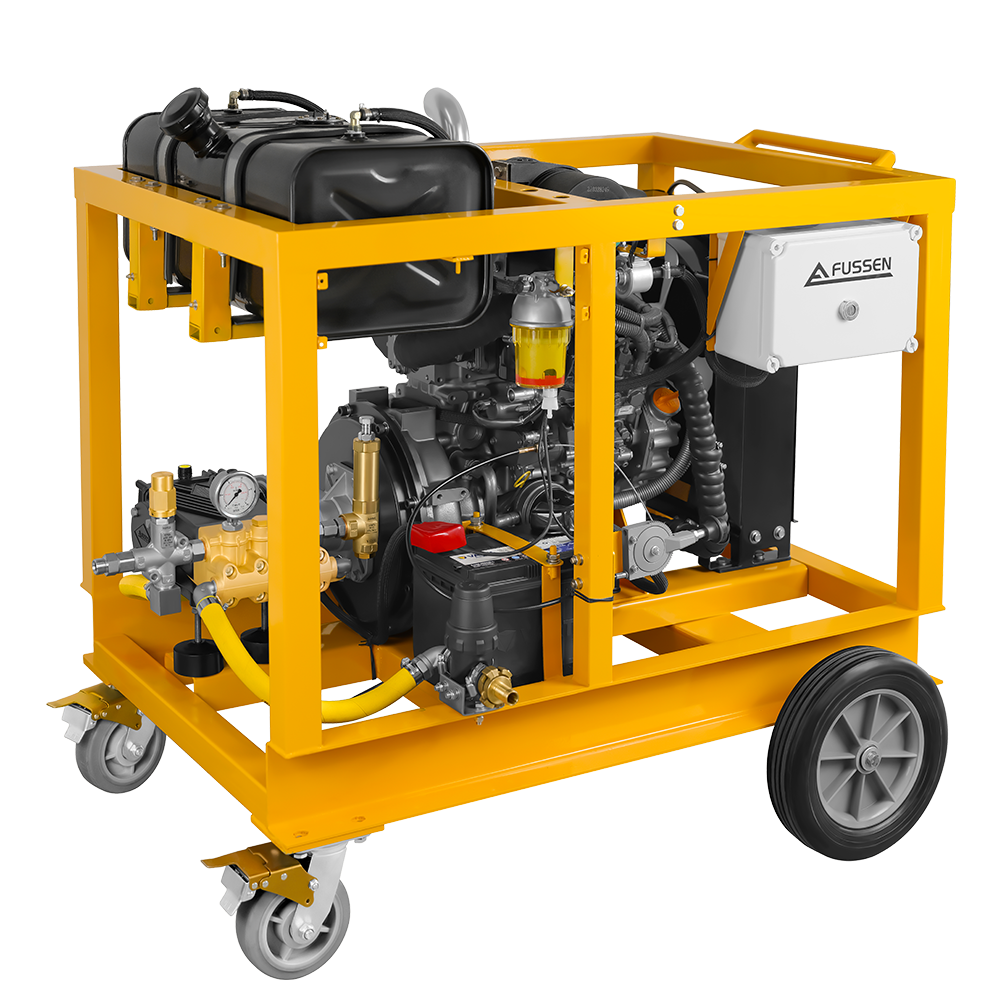
Al comprar una hidrolavadora para limpieza de grasa, los compradores suelen cometer errores críticos que pueden afectar el rendimiento y la durabilidad. Muchos se centran únicamente en los valores de PSI, descuidando factores esenciales como el caudal y la cobertura de la superficie. Además, pasar por alto la durabilidad, el material de la bomba y la fuente de alimentación adecuada para el entorno previsto puede conducir a resultados insatisfactorios. También es vital considerar impacto de alta presión Esto es necesario para eliminar eficazmente la grasa y los residuos persistentes.
Muchos compradores se centran erróneamente solo en la presión (PSI, libras por pulgada cuadrada) al seleccionar una hidrolavadora para desgrasar, creyendo que un valor más alto equivale automáticamente a un mejor rendimiento de limpieza. Esta perspectiva limitada puede llevar a elecciones poco acertadas. Para garantizar una limpieza eficaz, los compradores deben considerar múltiples factores, entre ellos:
Al evaluar las opciones de hidrolavadoras para la limpieza de grasa, los compradores a menudo pasan por alto la importancia del caudal y la cobertura de la superficie. El caudal, medido en galones por minuto (GPM), influye directamente en la eficiencia de la limpieza; un GPM más alto significa que llega más agua a la superficie, lo que permite desalojar eficazmente la grasa y la suciedad. Además, la cobertura de la superficie determina cuánta área se puede limpiar en un tiempo determinado. Una unidad con un caudal bajo puede requerir demasiado tiempo y esfuerzo, lo que reduce la productividad. Los compradores deben buscar un equilibrio entre la presión (PSI), el GPM y el diseño de la boquilla para optimizar los resultados. Ignorar estos factores puede conducir a un rendimiento de limpieza deficiente, lo que en última instancia afecta la satisfacción y los resultados. Conocer el caudal y la cobertura de la superficie es vital para realizar una compra informada y eficaz. Además, la serie FME ofrece una presión de trabajo máxima de 500 bar, lo que garantiza rendimiento de limpieza constante en entornos marinos para obtener resultados óptimos.
La durabilidad es un factor crucial a la hora de elegir una hidrolimpiadora de grasa. Los compradores suelen pasar por alto este aspecto esencial, lo que puede provocar insatisfacción y reparaciones costosas. Para garantizar una larga vida útil y fiabilidad, tenga en cuenta las siguientes especificaciones:
Además, asegúrese de que la bomba esté diseñada para sistemas de servicio continuo, Esto ayudará a mantener una presión constante durante el funcionamiento. Invertir en estas características garantiza una experiencia de limpieza fiable y eficaz.
Seleccionar la fuente de alimentación adecuada para una hidrolavadora desgrasadora es fundamental, ya que influye directamente en su rendimiento y facilidad de uso. Elegir la fuente de alimentación incorrecta puede provocar ineficiencias, riesgos para la seguridad o una capacidad de limpieza insuficiente.
| Tipo de fuente de alimentación | Caso de uso ideal |
|---|---|
| Eléctrico | Entornos interiores, tareas ligeras |
| Gas | Uso en exteriores, limpieza de alta resistencia |
| Batería | Ubicaciones portátiles y remotas |
| Diesel | Aplicaciones industriales |
| Propano | Espacios cerrados con ventilación |
Comprender las diferencias entre estas fuentes permite a los usuarios maximizar el rendimiento al tiempo que garantiza la seguridad y la comodidad. Seleccionar la fuente de alimentación adecuada permite al usuario lograr resultados óptimos, evitando los inconvenientes asociados con equipos incompatibles. Por ejemplo, la Serie FSE La hidrolimpiadora eléctrica de alta presión funciona con la corriente doméstica estándar de 220 V, lo que la hace ideal para uso doméstico y tareas ligeras.

Para tomar una decisión de compra informada sobre una hidrolavadora para desgrasar, es fundamental comprender las especificaciones que se ajusten a las necesidades de limpieza individuales. Los compradores deben considerar varios factores clave para garantizar la elección del modelo adecuado.
Además, es importante considerar la características a prueba de explosiones de la hidrolimpiadora, especialmente si está destinada a ser utilizada en entornos peligrosos.

 English
  Spanish
  French
  Russian
  Japanese
  Portuguese
  Arabic
  Korean