In high-pressure cleaning equipment, safety valves and pressure regulating valves are often misunderstood or incorrectly treated as the same component. In reality, they serve completely different purposes. Confusing their roles can lead to unstable pressure, equipment damage, or serious safety risks.
This article explains the difference between a safety valve and a pressure regulating valve, how each one works, and why both are essential for effective pressure washer pressure control.
Proper pressure control is critical for safe and reliable operation. During cleaning, pressure conditions are constantly changing due to trigger gun operation, nozzle condition, and flow variation. Without effective pressure control, these changes can result in pressure spikes, excessive heat, and unnecessary mechanical stress.
Stable pressure control helps ensure consistent cleaning performance, protects key components, and reduces the risk of failure during operation.

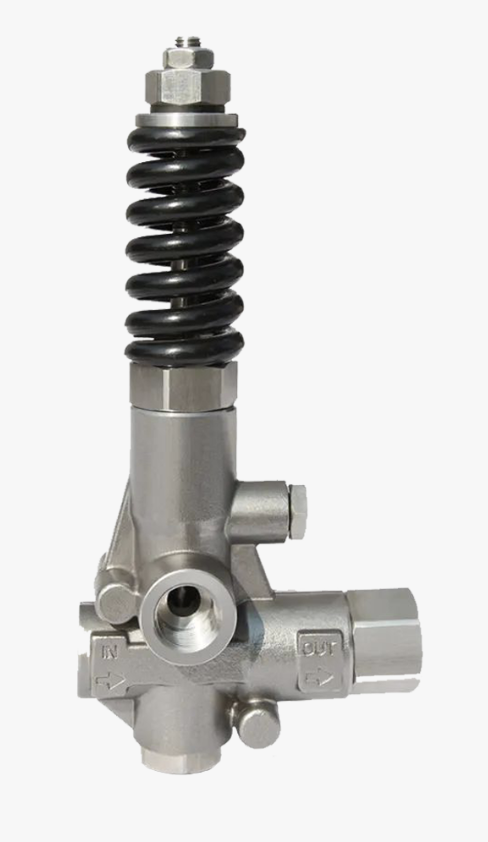
A safety valve is a protective device designed to prevent dangerous overpressure. Its function is straightforward: it opens automatically when pressure exceeds a preset limit and releases excess pressure to protect the equipment.
A safety valve is intended purely for protection. It remains closed during normal operation and activates only under abnormal conditions, such as blocked nozzles, sudden pressure spikes, or valve malfunctions.
A safety valve may open when:
Pressure exceeds the rated limit
Flow is restricted or blocked
A regulating valve fails to respond
Safety valves are not designed for continuous pressure regulation. Frequent opening usually indicates a problem, such as incorrect pressure settings or improper nozzle selection. In normal operation, a safety valve should rarely activate.
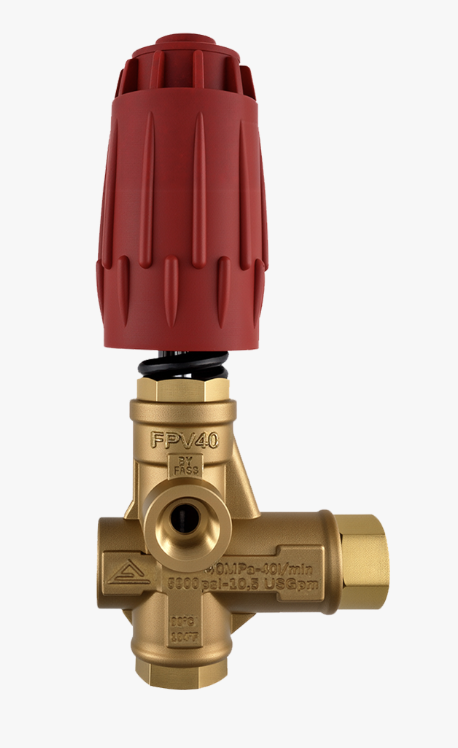
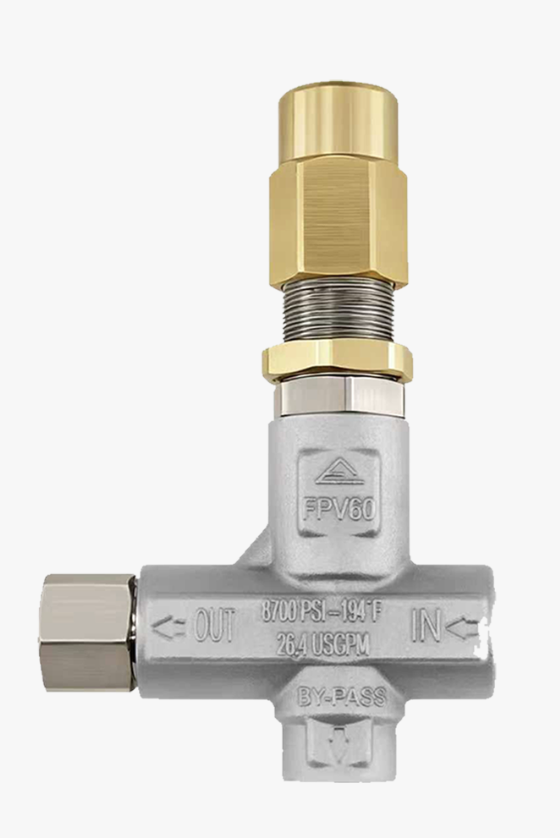
A pressure regulating valve is responsible for controlling working pressure during normal operation. In high-pressure cleaning equipment, this valve is commonly referred to as a pressure washer unloader valve.
A pressure regulating valve responds immediately to changes in flow and load. When pressure rises above the desired level, the valve diverts excess pressure to maintain a stable working condition.
In many applications, the terms “pressure regulating valve” and “unloader valve” describe the same function: a valve that manages pressure during operation and protects the pump from overload when flow changes.
Unlike a safety valve, the pressure regulating valve operates continuously. It plays a key role in maintaining stable pressure, reducing mechanical stress, and ensuring smooth operation during cleaning.
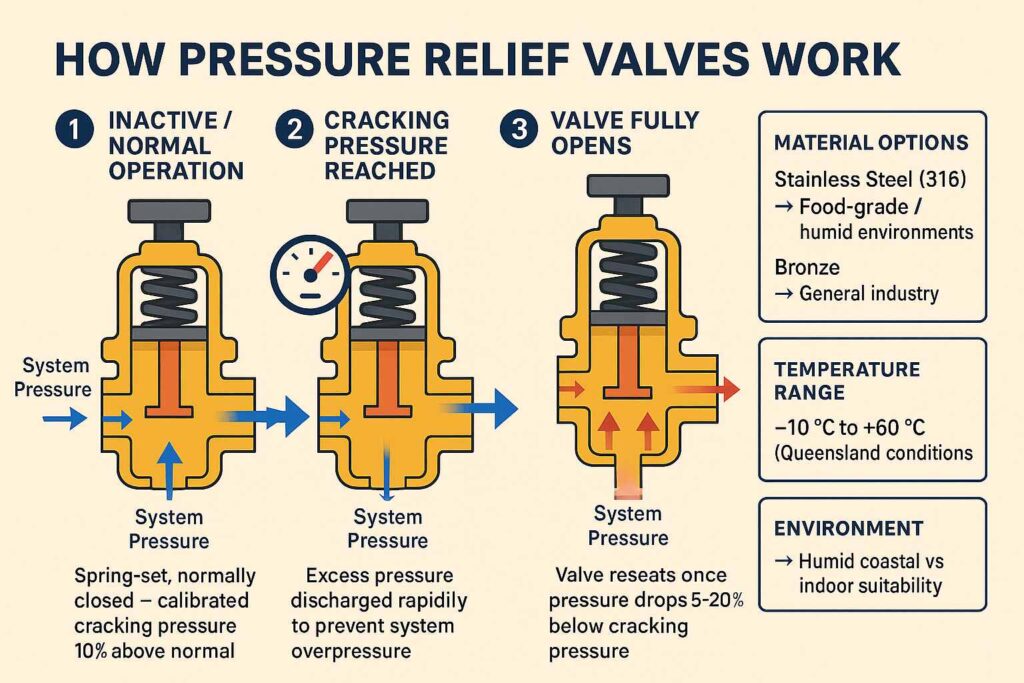
The difference between a safety valve and a pressure regulating valve lies in their purpose and operating behavior.
A safety valve provides emergency protection and activates only when pressure exceeds a safe limit.
A pressure regulating valve controls pressure continuously during normal operation.
Safety valves are typically factory-set and rarely adjusted, while pressure regulating valves are often adjustable to match working requirements. Misusing either valve can lead to unstable pressure, premature wear, or safety risks.
Understanding safety valve vs pressure regulating valve differences is essential for correct installation and operation.
Each valve has a specific responsibility. The pressure regulating valve manages pressure during daily operation, while the safety valve provides protection when abnormal conditions occur.
Relying on only one valve cannot provide the same level of protection. Effective pressure washer pressure control requires both proper regulation and reliable safety protection.

Safety valves are not designed for continuous operation. Using them for pressure control can cause rapid wear and unstable pressure.
Even a properly adjusted regulating valve can fail due to contamination, wear, or incorrect setup. Without a safety valve, overpressure conditions may cause serious damage.
Frequent activation usually indicates incorrect nozzle size, improper pressure adjustment, or a faulty regulating valve. This should always be investigated rather than ignored.
Correct pressure control helps extend pump life, reduce heat buildup, protect hoses and fittings, and maintain consistent cleaning performance. Stable pressure is not only about efficiency, but also about long-term reliability and safe operation.
A safety valve and a pressure regulating valve are not interchangeable components.
The pressure regulating valve controls pressure during normal operation
The safety valve protects against abnormal overpressure conditions
Understanding the role of each valve helps ensure safer operation, longer equipment life, and reliable pressure control in high-pressure cleaning applications.

 English
  Spanish
  Russian
  Korean
  Japanese
  Portuguese
  Arabic