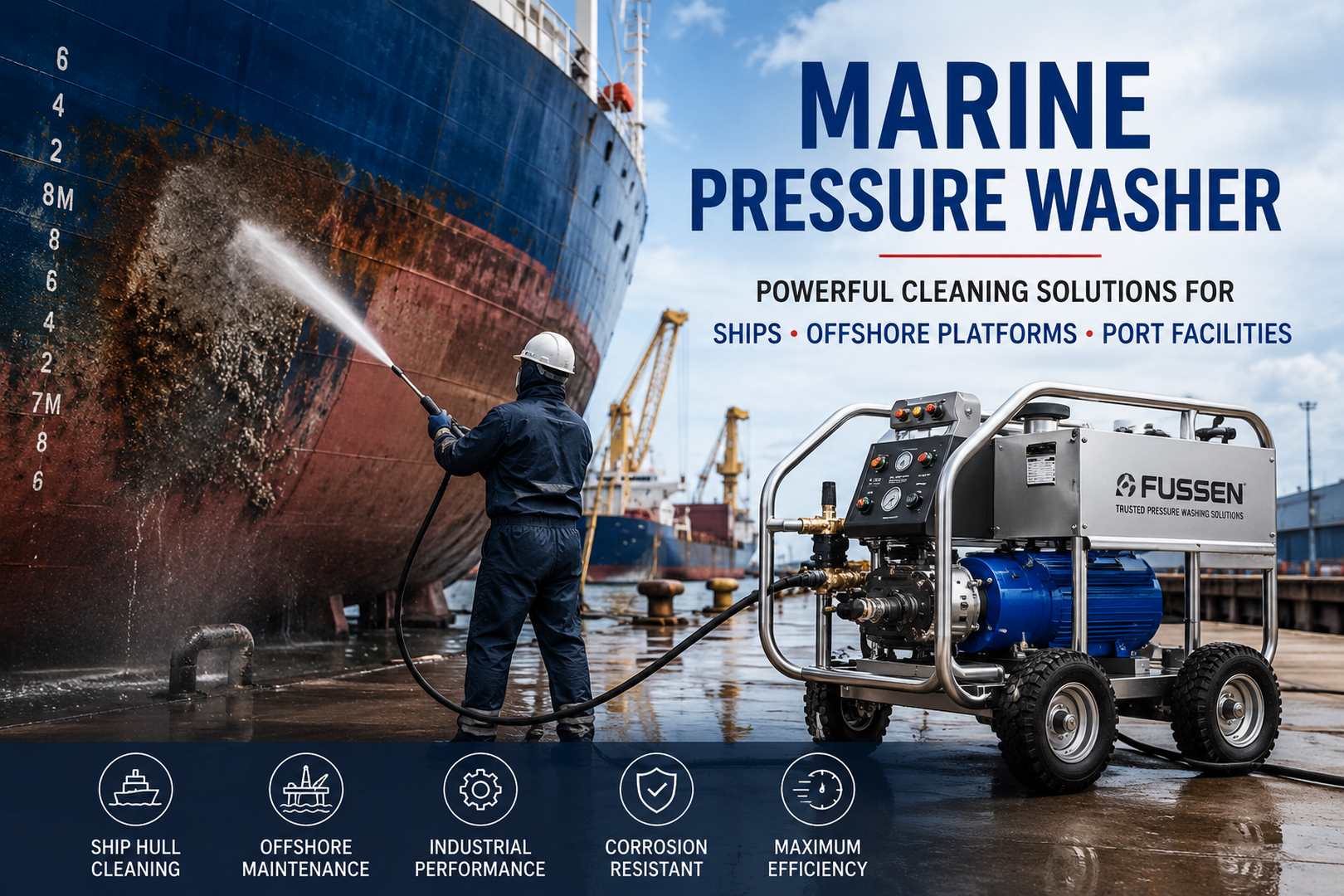
Морская мойка высокого давления — это специализированная установка. система очистки под высоким давлением Разработаны для работы в суровых морских условиях. В отличие от стандартных моек высокого давления, морские мойки высокого давления оснащены коррозионностойкими компонентами, мощными насосами и рамами промышленного класса, способными выдерживать постоянное воздействие соленой воды, влажности и сложных условий эксплуатации.
Морские мойки высокого давления используют струи воды под высоким давлением для удаления загрязнений, таких как солевые отложения, жир, масло, ржавчина, морские обломки, краска и промышленные отходы, с судов, морских сооружений и портовых объектов. В зависимости от области применения, оборудование для морской очистки может варьироваться от стандартных систем высокого давления, работающих при 100–500 бар, до систем сверхвысокого давления воды, превышающего 1000 бар, для подготовки поверхности и удаления покрытий.
Современные аппараты высокого давления для морской техники широко используются верфями, операторами судов, подрядчиками, работающими на морских платформах, военно-морскими базами, портовыми властями и компаниями, предоставляющими услуги по техническому обслуживанию морских судов, в поисках эффективных и экологически ответственных решений для очистки.
Морские суда работают в одних из самых агрессивных сред в мире. Постоянное воздействие морской воды, солевых брызг, влажности и промышленных загрязнителей ускоряет коррозию, обрастание и износ оборудования. Без регулярной очистки и технического обслуживания суда и морская инфраструктура могут испытывать снижение эффективности эксплуатации, увеличение затрат на техническое обслуживание и сокращение срока службы.
Мойка под высоким давлением — эффективный метод удаления загрязнений без чрезмерного использования химикатов или абразивных материалов. Восстанавливая поверхности до оптимального состояния, морские мойки высокого давления помогают операторам:
Для коммерческих судоходных компаний, операторов морских платформ и верфей очистка под высоким давлением — это не просто задача по техническому обслуживанию, а неотъемлемая часть управления активами и соблюдения нормативных требований.
Операции по очистке морских сооружений сопряжены с уникальными трудностями, требующими оборудования, специально разработанного для сложных условий эксплуатации.
Соленая вода оказывает сильное коррозионное воздействие как на суда, так и на чистящее оборудование. Морские мойки высокого давления должны использовать коррозионностойкие материалы, такие как рамы из нержавеющей стали, насосы из нержавеющей стали, керамические поршни и специализированные системы уплотнения, чтобы обеспечить долговременную надежность в прибрежных и морских условиях.
На судах и морских сооружениях скапливается широкий спектр загрязнений, включая водоросли, ракушки, солевые отложения, жир, остатки топлива, ржавчину и промышленные отходы. Для различных задач очистки требуются разные уровни давления, скорости потока и конфигурации сопел для достижения эффективных результатов без повреждения поверхностей.
Морские суда часто имеют обширные надводные площади, ограниченные пространства, возвышенные конструкции и труднодоступные места. Бригадам уборщиков требуются мощные мобильные системы мойки под высоким давлением, способные обеспечивать стабильную работу в сложных условиях.
Коммерческие суда и морские платформы работают в условиях жесткого графика. Техническое обслуживание часто приходится проводить во время коротких доковых стоянок или плановых остановок. Очистка под высоким давлением позволяет ускорить циклы очистки, помогая операторам минимизировать время простоя и быстрее вернуть оборудование в эксплуатацию.
Операторы морских судов сталкиваются с ужесточением экологических норм в отношении обращения с отходами, подготовки поверхности и предотвращения загрязнения. Технологии струйной очистки водой под высоким давлением помогают сократить использование химикатов, обеспечивая при этом эффективную очистку, что способствует внедрению устойчивых методов технического обслуживания.
Поскольку стандарты технического обслуживания морских судов продолжают развиваться, выбор подходящей морской мойки высокого давления стало важнейшим фактором в обеспечении безопасного, эффективного и экономически выгодного технического обслуживания судов и инфраструктуры.
Морская среда относится к числу наиболее сложных условий эксплуатации для промышленного очистного оборудования. Суда, морские платформы, порты и морская инфраструктура постоянно подвергаются воздействию коррозионных элементов, сильных загрязнений и строгим эксплуатационным требованиям. В результате стандартное очистное оборудование часто не обладает необходимой долговечностью и производительностью для длительной эксплуатации в морских условиях.
Специализированные мойки высокого давления для морского применения разработаны для решения этих задач благодаря коррозионностойкой конструкции, высокопроизводительным насосам, передовым системам защиты и надежной работе в суровых морских условиях.
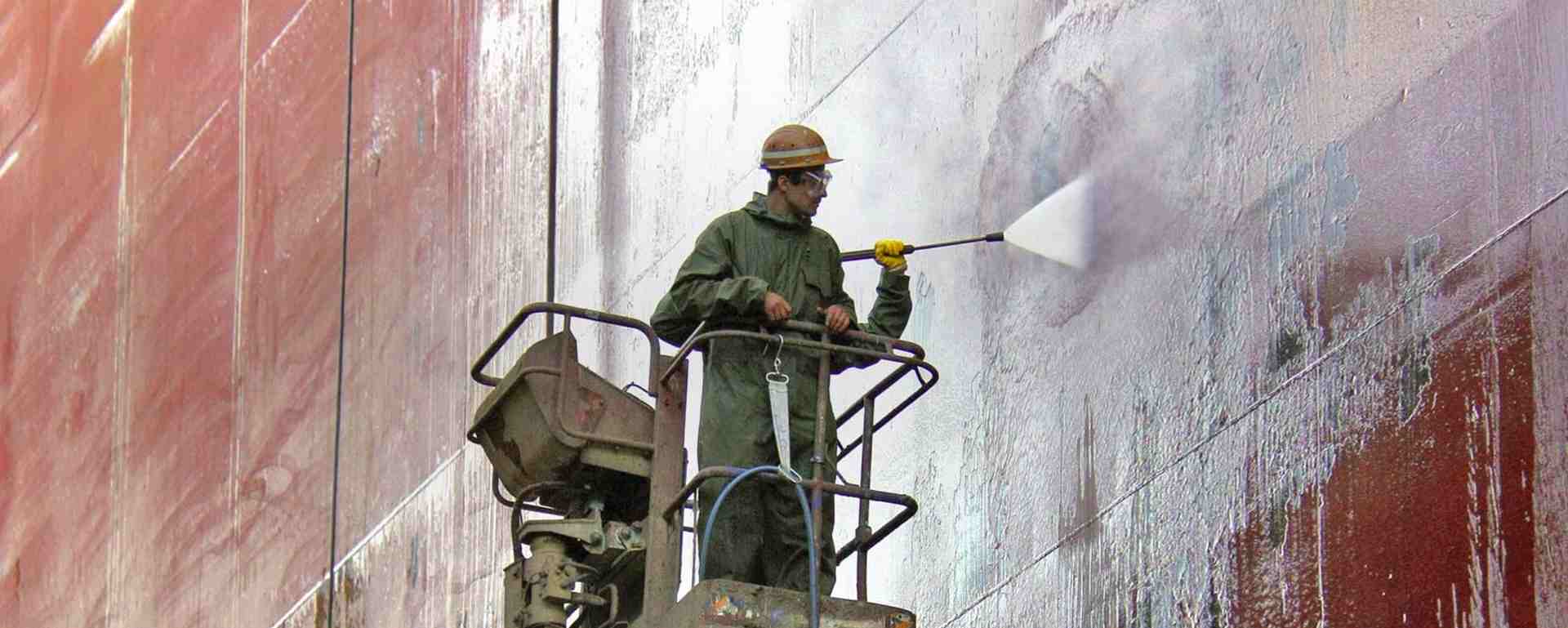
Одна из самых больших проблем в обслуживании морских судов — постоянное воздействие соленой воды и влажной прибрежной среды. Соль ускоряет коррозию поверхностей судов, морских сооружений, механизмов и оборудования для технического обслуживания. Со временем коррозия может ослабить структурную целостность, увеличить затраты на ремонт и сократить срок службы оборудования.
Поэтому морские мойки высокого давления должны быть изготовлены из компонентов, устойчивых к коррозии и обеспечивающих надежную работу в сложных условиях. Такие элементы, как рамы из нержавеющей стали, насосы из нержавеющей стали, керамические поршни, коррозионностойкие фитинги и специализированные системы уплотнения, помогают защитить оборудование от преждевременного износа.
Для судов, работающих в морских или прибрежных зонах, инвестиции в коррозионностойкое очистное оборудование значительно снижают требования к техническому обслуживанию и повышают долгосрочную надежность.
На морских судах накапливается широкий спектр загрязнений, которые зачастую трудно удалить с помощью обычных методов очистки. На корпусах судов могут образовываться водоросли, ракушки и обрастание морской биомассой, а в машинных отделениях, на погрузочно-разгрузочном оборудовании и морских платформах часто скапливаются сильные загрязнения от смазки, масла, остатков топлива и промышленных отложений.
Эти загрязнения могут негативно влиять на эффективность работы, безопасность и производительность оборудования. Например, чрезмерное обрастание корпуса увеличивает гидродинамическое сопротивление, что приводит к увеличению расхода топлива и эксплуатационных расходов.
Струйная очистка водой под высоким давлением обеспечивает необходимую мощность для эффективного удаления стойких загрязнений. В зависимости от области применения операторам могут потребоваться различные уровни давления, от обычной мойки и обезжиривания до подготовки поверхности под высоким давлением и удаления покрытий. Специализированные морские мойки высокого давления обеспечивают необходимую гибкость для решения этих разнообразных задач очистки, сводя к минимуму ручной труд.
Коммерческие суда, морские платформы и портовые сооружения работают по строгому графику, где простои напрямую влияют на прибыльность. Техническое обслуживание часто проводится во время плановых доковых работ, периодов ремонта или кратковременных остановок производства, что оставляет ремонтным бригадам ограниченное время для выполнения задач по очистке и осмотру.
В таких ситуациях эффективность очистки становится критически важным фактором. Высокопроизводительные мойки высокого давления для морского оборудования позволяют ремонтным бригадам быстрее удалять загрязнения, эффективнее подготавливать поверхности и завершать работы по очистке в сжатые сроки.
Современные промышленные мойки высокого давления также включают в себя такие функции, как высокая производительность, насосы непрерывного действия, автоматические системы безопасности и прочную мобильную конструкцию, что повышает производительность и снижает трудозатраты. Более быстрые циклы очистки позволяют операторам быстрее возвращать емкости и оборудование в эксплуатацию, сохраняя при этом высокие стандарты технического обслуживания.
Соблюдение экологических норм приобретает все большее значение во всей мировой морской индустрии. Операторы судов, подрядчики, работающие на шельфе, и портовые власти должны соблюдать правила, регулирующие предотвращение загрязнения, обращение с отходами, безопасность труда и методы подготовки поверхности.
Традиционные методы очистки часто основаны на использовании больших объемов химикатов или абразивных материалов, что создает дополнительные экологические проблемы и сложности с утилизацией. Струйная очистка водой под высоким давлением предлагает более экологичную альтернативу, поскольку снижает потребление химикатов, обеспечивая при этом эффективную очистку.
Кроме того, надлежащая очистка играет важную роль в обеспечении соответствия нормативным требованиям, поддерживая проведение инспекций, программы борьбы с коррозией, поддержание покрытий и надежность оборудования. Хорошо обслуживаемые суда и морские сооружения лучше соответствуют отраслевым стандартам, снижая при этом риск дорогостоящих сбоев в работе.
Для операторов морских судов, стремящихся к экологичным и эффективным решениям в области технического обслуживания, специализированные мойки высокого давления обеспечивают практичный баланс между эффективностью очистки, экологической ответственностью и долгосрочной надежностью эксплуатации.
Морские мойки высокого давления широко используются в морской отрасли. Для обслуживания судов, морских сооружений и портовой инфраструктуры. От плановой очистки до сложной подготовки поверхностей, гидроструйная очистка под высоким давлением помогает операторам повысить надежность оборудования, снизить затраты на техническое обслуживание и продлить срок службы активов.
Корпус — одна из важнейших частей судна, требующих регулярного технического обслуживания. Постоянное воздействие морской воды приводит к накоплению солевых отложений, водорослей, ракообразных и других морских организмов, которые могут негативно сказаться на ходовых качествах судна.
Мойка под высоким давлением эффективно удаляет эти загрязнения, восстанавливая поверхности корпуса и способствуя поддержанию топливной эффективности. Морские мойки высокого давления также широко используются во время технического обслуживания в сухом доке для подготовки корпусов к осмотрам, ремонту и нанесению защитных покрытий.
К распространенным методам очистки корпусов судов относятся:
Палубы и надстройки кораблей постоянно подвергаются воздействию морской воды, остатков топлива, смазки, грязи и промышленных загрязнителей. Регулярная чистка помогает поддерживать безопасные условия труда и защищает поверхности от долговременного разрушения.
Морские мойки высокого давления быстро удаляют стойкие загрязнения с палуб, перил, лестниц и наружных конструкций, снижая риск скольжения и улучшая общий внешний вид судна.
Типичные задачи по очистке палуб включают:
Грузовые трюмы и резервуары для хранения должны тщательно очищаться между погрузками, чтобы предотвратить загрязнение и обеспечить соответствие требованиям к транспортировке. Остаточные материалы, пыль, химикаты и остатки продукции могут ухудшить качество груза и создать эксплуатационные проблемы.
Системы очистки под высоким давлением позволяют операторам эффективно удалять загрязнения, сводя к минимуму время простоя между операциями загрузки.
К распространенным задачам очистки грузовых трюмов и резервуаров относятся:
В машинных отделениях находится часть наиболее важного оборудования судна, и там часто скапливаются смазка, масло, остатки топлива и грязь. Поддержание чистоты в машинных отделениях повышает надежность оборудования и облегчает проведение осмотров и технического обслуживания.
Морские мойки высокого давления помогают ремонтным бригадам очищать сложные компоненты оборудования, сокращая при этом трудозатраты на ручную очистку.
Типичные задачи по очистке оборудования включают:
На верфях часто используют гидроструйную обработку под высоким давлением при ремонте и модернизации судов. Подготовка поверхности имеет важное значение для обеспечения надлежащей адгезии покрытия и продления срока службы защитных лакокрасочных покрытий.
По сравнению с некоторыми традиционными методами, струйная обработка водой под высоким давлением обеспечивает эффективную подготовку поверхности, одновременно снижая образование пыли и количество абразивных отходов.
К типичным областям применения на верфях относятся:
Морские нефтегазовые платформы работают в крайне агрессивной морской среде, где накопление соли, коррозия и промышленное загрязнение являются постоянными проблемами. Регулярная очистка помогает поддерживать безопасность эксплуатации и надежность оборудования.
Морские мойки высокого давления широко используются для очистки морских сооружений, конструктивных элементов и производственного оборудования, подверженного воздействию суровых условий окружающей среды.
Типичные области применения в морской акватории включают:
Порты и портовые сооружения требуют постоянного технического обслуживания для обеспечения эффективной обработки грузов и работы судов. Тяжелая техника, погрузочные площадки и терминальная инфраструктура регулярно подвергаются воздействию грязи, масла, соли и промышленных загрязнений.
Очистка под высоким давлением помогает поддерживать эффективность работы и продлевает срок службы ценной инфраструктуры и оборудования.
К типичным задачам по техническому обслуживанию портов относятся:
От технического обслуживания корпусов судов до очистки морских платформ и поддержания в надлежащем состоянии портовых сооружений, морские мойки высокого давления играют жизненно важную роль в обеспечении безопасных, эффективных и экономически выгодных морских операций.
Выбор соответствующего уровня давления является одним из важнейших факторов для достижения эффективных результатов очистки морских поверхностей. Различные задачи по техническому обслуживанию морских сооружений требуют различных сочетаний давления и расхода в зависимости от типа загрязнения, материала поверхности и желаемого результата.
Чрезмерное давление может повредить покрытия или подложки, а недостаточное давление может оказаться неэффективным для удаления стойких загрязнений. Понимание требований к давлению для конкретных морских применений помогает операторам максимально повысить эффективность очистки, одновременно защищая ценное оборудование.
Мойка под низким давлением обычно используется для планового технического обслуживания судов и общих работ по очистке. Этого диапазона давления достаточно для удаления поверхностных загрязнений без повреждения окрашенных поверхностей, оборудования или защитных покрытий.
Он широко используется для ежедневного и еженедельного технического обслуживания на борту коммерческих судов, пассажирских кораблей, рыболовных судов и рабочих катеров.
Типичные области применения включают:
Основная цель этого диапазона давления — профилактическое техническое обслуживание, помогающее операторам минимизировать риски коррозии, поддерживая при этом чистоту и безопасность рабочей среды.

Системы очистки среднего давления обеспечивают более высокую мощность очистки для более сложных задач по техническому обслуживанию. Они обычно используются для удаления сильных загрязнений, жировых отложений и промышленных остатков, встречающихся в ходе морских операций.
Этот диапазон давления обеспечивает превосходный баланс между эффективностью очистки и защитой поверхности, что делает его подходящим для многих работ по техническому обслуживанию судов и портов.
К распространенным областям применения относятся:
Многие операторы коммерческого судостроения считают этот диапазон давления наиболее универсальным вариантом, поскольку он позволяет выполнять широкий спектр работ по техническому обслуживанию без использования оборудования сверхвысокого давления.

Когда необходимо удалить коррозию, поврежденные покрытия или стойкие отложения, требуются более высокие уровни давления. Гидроструйная очистка под высоким давлением часто используется в проектах по ремонту и модернизации судов для подготовки поверхностей к осмотру, техническому обслуживанию и повторному нанесению покрытия.
При таком уровне давления операторы могут эффективно удалять продукты коррозии и ослабленные покрытия, снижая при этом потребность в химической обработке.
Типичные области применения включают:
Этот диапазон давления обычно используется во время планового технического обслуживания в сухом доке, где надлежащая подготовка поверхности имеет решающее значение для обеспечения долговечности покрытия.

Сверхвысоконапорная гидроструйная очистка представляет собой наивысший уровень технологий промышленной очистки морских судов. Эти системы генерируют чрезвычайно мощные струи воды, способные удалять толстые слои покрытия, сильную коррозию и трудновыводимые загрязнения без использования абразивных материалов.
Оборудование сверхвысокого давления в основном используется судостроительными верфями, промышленными подрядчиками и специализированными компаниями по техническому обслуживанию морских судов, занимающимися крупномасштабными проектами по модернизации.
К распространенным областям применения относятся:
Сверхвысоконапорная гидроструйная обработка Этот метод позволяет значительно снизить образование пыли и абразивных отходов по сравнению с традиционными методами пескоструйной обработки, что делает его все более популярным решением для экологически чувствительных проектов по техническому обслуживанию морских сооружений.
Выбор идеальной мойки высокого давления для морских судов зависит от задачи очистки, состояния поверхности и целей технического обслуживания. В то время как для обычной очистки судов может потребоваться всего 100–250 бар, подготовка поверхности и удаление покрытий часто требуют давления, превышающего 500 бар или даже 1000 бар.
Операторам морских судов следует оценить:
Подбирая параметры давления в соответствии с конкретными задачами, морские компании могут повысить эффективность очистки, продлить срок службы оборудования, снизить общие затраты на техническое обслуживание.
Выбор между электрической и дизельной мойкой высокого давления для морских судов — ключевое решение для операторов судов, верфей, подрядчиков, работающих на шельфе, и портовых ремонтных бригад. Оба варианта обеспечивают значительную эффективность очистки, но их пригодность зависит от условий эксплуатации, доступных источников питания, требований к мобильности и приоритетов технического обслуживания.
Понимание сильных сторон каждой системы помогает операторам морских судов выбирать оборудование, обеспечивающее оптимальный баланс производительности, надежности и эксплуатационных расходов.
Электрические морские мойки высокого давления Они широко используются на верфях, в портах, сухих доках и на промышленных морских объектах, где имеется стабильное электроснабжение. Эти машины обеспечивают надежную работу, отличаются низким уровнем шума и упрощенными требованиями к техническому обслуживанию.
Многие электрические модели предназначены для непрерывной промышленной эксплуатации и могут обеспечивать высокое давление и расход, подходящие для большинства задач по очистке морских судов.
К основным преимуществам относятся:
Электрические мойки высокого давления особенно эффективны для работ по техническому обслуживанию судов, проводимых во время докования, ремонта на верфях, очистки грузовых трюмов и планового технического обслуживания портовых сооружений.
Однако их работа зависит от доступа к электроэнергии, что может ограничивать их использование в отдаленных или морских районах.
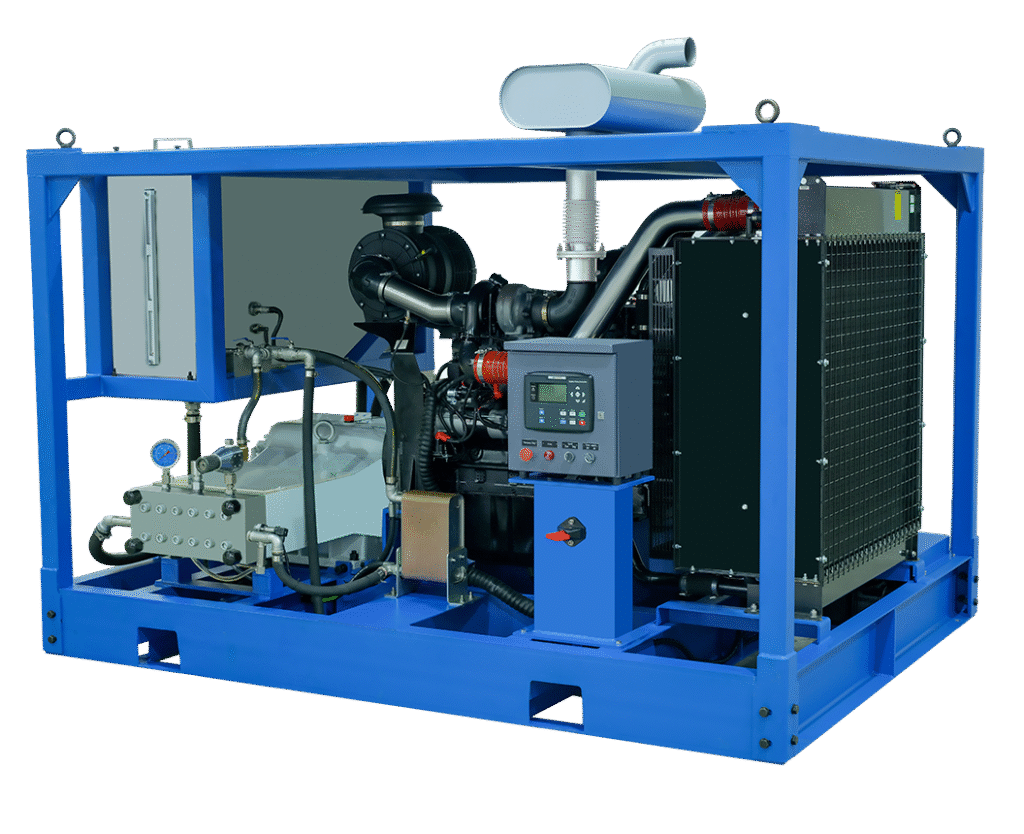
Морские дизельные мойки высокого давления Они предназначены для применения в условиях отсутствия или нецелесообразности электроснабжения. Оснащенные автономными системами электропитания, они обеспечивают максимальную мобильность и гибкость при проведении работ по техническому обслуживанию морских судов.
Эти установки широко используются в морских условиях, удаленных портовых сооружениях, на строительных площадках и в крупных проектах по техническому обслуживанию судов, где операторам требуется автономное решение для очистки.
К основным преимуществам относятся:
Благодаря тому, что дизельные системы не зависят от внешних источников питания, они позволяют ремонтным бригадам проводить работы по очистке практически в любом месте, что делает их популярным выбором для подрядчиков, работающих на морских платформах, и выездных сервисных групп.
Однако дизельные агрегаты, как правило, требуют более частого планового технического обслуживания из-за необходимости ремонта двигателя и обычно производят более высокий уровень шума, чем электрические аналоги.
Выбор лучшей мойки высокого давления для морских судов зависит от конкретных условий эксплуатации и требований к техническому обслуживанию.
| Рассмотрение | Электрическая морская мойка высокого давления | Морская мойка высокого давления с дизельным двигателем |
|---|---|---|
| Источник питания | Требуется подключение к электросети. | Автономный источник питания |
| Уровень шума | Ниже | Выше |
| Требования к техническому обслуживанию | Ниже | Выше |
| Эксплуатационные расходы | В целом ниже | Зависимость от топлива |
| Мобильность | Ограничено доступом к электропитанию. | Отличный |
| Использование верфи | Отличный | Хороший |
| Использование в шельфе | Ограниченный | Отличный |
| Удаленные местоположения | Ограниченный | Отличный |
В общем:
Многие компании, занимающиеся техническим обслуживанием морских судов, используют как электрические, так и дизельные агрегаты, чтобы обеспечить гибкость при выполнении различных проектов и в разных условиях работы. Выбирая подходящий источник энергии для каждого конкретного случая, операторы могут максимизировать производительность, сократить время простоя и оптимизировать долгосрочные эксплуатационные расходы.
Морская среда предъявляет чрезвычайные требования к чистящему оборудованию. Постоянное воздействие соленой воды, влажности, коррозионных загрязнений и сложных условий эксплуатации означает, что не все промышленные мойки высокого давления подходят для использования в морских условиях.
При выборе мойки высокого давления для морского применения покупателям следует оценивать не только давление и расход воды. Долговечность оборудования, коррозионная стойкость, надежность и функции безопасности играют решающую роль в обеспечении долгосрочной работы и минимизации затрат на техническое обслуживание.
Коррозия является одной из основных причин выхода из строя оборудования в морской среде. Мойки высокого давления, работающие на судах, морских платформах и прибрежных сооружениях, постоянно подвергаются воздействию солевых брызг, влаги и суровых погодных условий.
Для максимального увеличения срока службы в конструкциях морских моек высокого давления и компонентах, предназначенных для работы с жидкостями, должны использоваться коррозионностойкие материалы.
Ключевые особенности включают в себя:
Инвестиции в коррозионностойкие конструкции помогают снизить затраты на техническое обслуживание и повысить надежность оборудования в сложных условиях морской эксплуатации.
Насос высокого давления — это сердце любой морской мойки высокого давления. Качество насоса напрямую влияет на эффективность очистки, производительность и срок службы оборудования.
Для применения в промышленном судостроении требуются насосы, способные к непрерывной работе при высоких нагрузках, поддерживая при этом стабильное выходное давление.
К важным характеристикам насоса относятся:
Высококачественные плунжерные насосы обеспечивают стабильную работу во время сложных операций по очистке, сводя к минимуму время простоя и эксплуатационные расходы.
Стабильная подача воды имеет важное значение для защиты насоса и поддержания эффективности очистки. В морской среде качество воды и условия водоснабжения могут значительно меняться, что делает системы защиты от загрязнения воды особенно важными.
Грамотно спроектированная система водоснабжения помогает предотвратить повреждение насоса и обеспечивает его бесперебойную работу.
Ключевые особенности включают в себя:
Надежные системы водоснабжения помогают продлить срок службы насосов и снизить риск дорогостоящих поломок оборудования.
Для проведения работ по очистке морских судов часто требуется транспортировка оборудования через доки, палубы судов, верфи и промышленные объекты. Прочная конструкция, обеспечивающая мобильность, повышает эффективность работы и снижает физическую нагрузку на обслуживающий персонал.
Морские мойки высокого давления должны быть спроектированы таким образом, чтобы их было легко перемещать, сохраняя при этом устойчивость в сложных условиях эксплуатации.
К важным особенностям, обеспечивающим мобильность, относятся:
Грамотно разработанные системы мобильности позволяют операторам быстро и безопасно размещать оборудование в различных рабочих условиях.
Работы по техническому обслуживанию морских судов часто проводятся в замкнутых пространствах, на высоте и в опасных промышленных условиях. Меры безопасности имеют решающее значение для защиты как операторов, так и оборудования во время операций по очистке под высоким давлением.
Современные морские мойки высокого давления оснащены многочисленными системами защиты, обеспечивающими безопасную и надежную работу.
К основным функциям безопасности относятся:
Эти системы защиты не только повышают безопасность на рабочем месте, но и помогают продлить срок службы оборудования, предотвращая повреждения, которых можно избежать во время эксплуатации.
Наиболее эффективные морские мойки высокого давления сочетают в себе коррозионностойкую конструкцию, высокопроизводительные насосные системы, надежный отвод воды, высокую мобильность и комплексную защиту. Сосредоточившись на этих важнейших характеристиках, операторы морских судов могут сократить время простоя, повысить эффективность технического обслуживания и максимизировать отдачу от инвестиций в оборудование.
Для сложных задач по очистке морских судов долговечность и надежность зачастую так же важны, как и выходное давление, поэтому оценка функциональных характеристик является ключевым этапом в процессе выбора оборудования.
Выбор подходящей мойки высокого давления для морских судов включает в себя гораздо больше, чем просто выбор максимально доступного давления. Операторы морских судов должны оценить свои потребности в очистке, условия эксплуатации, доступность электроэнергии и долгосрочные затраты на эксплуатацию, чтобы убедиться, что оборудование обеспечивает надежную работу и максимальную окупаемость инвестиций.
Тщательно оценив эти факторы, судовладельцы, верфи, подрядчики, работающие на морских платформах, и операторы портов могут выбрать мойку высокого давления, которая отвечает как текущим, так и будущим потребностям в техническом обслуживании.
Для разных типов морских объектов требуются разные методы очистки. Требования к очистке рыболовного судна существенно отличаются от требований к очистке контейнеровоза, морской платформы, военно-морского судна или балкера.
Первым шагом при выборе оборудования является определение основных задач по очистке, для которых будет использоваться мойка высокого давления.
Следует учитывать следующие факторы:
Операторам, занимающимся плановым техническим обслуживанием, могут потребоваться только системы среднего давления, в то время как судостроительным заводам и промышленным подрядчикам часто необходимо оборудование для гидроструйной очистки под высоким или сверхвысоким давлением для подготовки поверхности и удаления покрытий.
Давление и расход воды — два наиболее важных параметра при выборе мойки высокого давления для морского применения.
Давление определяет силу, необходимую для удаления загрязнений, а скорость потока влияет на скорость и производительность очистки.
В общем:
| Приложение | Рекомендуемое давление |
|---|---|
| Регулярная чистка палубы | 100–250 бар |
| Удаление соли и грязи | 100–250 бар |
| Удаление густых жировых отложений | 250–500 бар |
| Очистка грузового трюма | 250–500 бар |
| Удаление ржавчины | 500–1000 бар |
| Подготовка поверхности | 500–1000 бар |
| удаление покрытия | Бар на 1000+ человек |
Более высокие скорости потока особенно важны для очистки поверхностей крупных судов, грузовых трюмов и портовых сооружений, где производительность является ключевым фактором.
Правильный выбор сочетания давления и расхода обеспечивает эффективную очистку без лишнего повреждения поверхности.
Часто именно условия эксплуатации определяют, какой тип мойки высокого давления лучше выбрать: электрическую или дизельную.
К числу вопросов, которые следует рассмотреть, относятся:
Электрические мойки высокого давления часто предпочитают использовать на верфях, ремонтных базах и причальных сооружениях, где имеется необходимая энергетическая инфраструктура. Системы с дизельным двигателем обеспечивают большую гибкость для морских платформ, удаленных морских проектов и полевых работ по техническому обслуживанию, где требуется автономное электропитание.
Выбор подходящего источника питания может значительно повысить эффективность работы и снизить логистические сложности.
Морская среда создает уникальные проблемы, которые могут существенно повлиять на срок службы и надежность оборудования.
Мойки высокого давления, работающие вблизи морской воды, подвергаются воздействию:
В таких условиях операторам следует отдавать приоритет коррозионностойкому оборудованию, обладающему следующими характеристиками:
Оборудование, разработанное специально для использования в морских условиях, как правило, отличается большей надежностью и меньшими требованиями к техническому обслуживанию в течение всего срока службы.
Первоначальная цена покупки представляет собой лишь часть общих инвестиций в оборудование. Морские компании все чаще оценивают мойки высокого давления, исходя из общей стоимости за весь жизненный цикл, а не только из первоначальной стоимости.
К важным факторам относятся:
Более дешевая техника может потребовать более частого ремонта и замены, что в конечном итоге увеличит эксплуатационные расходы. В отличие от этого, промышленные морские мойки высокого давления с высококачественными насосами, коррозионностойкой конструкцией и надежными системами защиты часто обеспечивают более низкие долгосрочные эксплуатационные расходы.
Для многих операторов морских судов надежность и время безотказной работы важнее, чем достижение самой низкой первоначальной цены покупки.
Идеальная мойка высокого давления для морских судов должна обеспечивать баланс между эффективностью очистки, надежностью эксплуатации и долгосрочными затратами на эксплуатацию. Оценивая тип судна, требования к очистке, необходимое давление, доступную мощность, условия окружающей среды и затраты на протяжении всего жизненного цикла, морские компании могут выбрать оборудование, обеспечивающее стабильную работу и поддерживающее эффективное техническое обслуживание в течение многих лет.
Специалистам по техническому обслуживанию морских судов требуется оборудование, способное надежно работать в самых сложных условиях эксплуатации по всему миру. От очистки судов и технического обслуживания морских платформ до подготовки поверхностей на верфях, системы очистки должны обеспечивать стабильную производительность, долговечность и долгосрочную ценность.
Обладая многолетним опытом в области технологий гидроструйной очистки под высоким давлением, компания Fussen предлагает профессиональные решения для очистки морских сооружений, разработанные для удовлетворения разнообразных потребностей судовладельцев, верфей, оффшорных подрядчиков и операторов портов. Приверженность Fussen инновациям, качественному производству и инженерным решениям, ориентированным на конкретные задачи, заслужила доверие клиентов на мировых промышленных рынках.
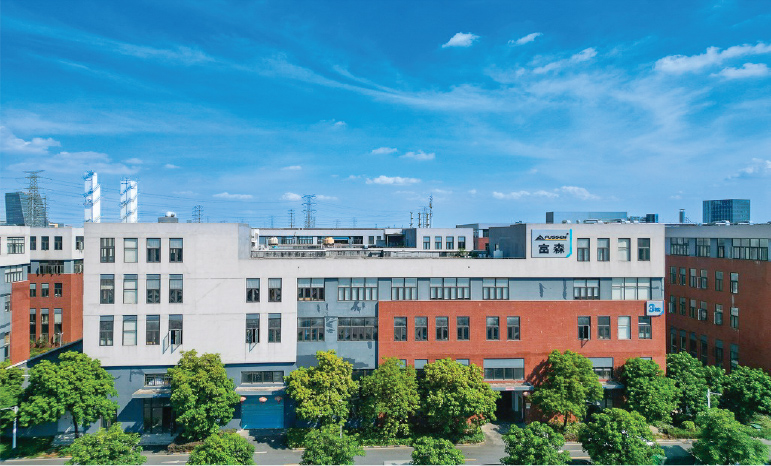
Производительность любой мойки высокого давления во многом зависит от качества её насосной системы. Как специалист в области технологий струйной обработки водой под высоким давлением, Фюссен Компания накопила более чем 25-летний опыт в исследованиях, разработке и производстве плунжерных насосов высокого давления и промышленного очистного оборудования.
Благодаря постоянным инновациям и строгому контролю качества компания Fussen разработала передовые насосные технологии, в частности:
Благодаря обширному техническому опыту компания Fussen предлагает надежные решения для очистки оборудования в широком спектре морских применений.
Очистка морских судов — одно из основных направлений деятельности компании Fussen. Оборудование Фюссена Широко используется для очистки судов, промышленного обслуживания, удаления краски, ржавчины и в сложных проектах по подготовке поверхностей. Оборудование компании получило признание как на внутреннем, так и на международном рынках за свою надежность и эффективность очистки.
Морские операторы используют аппараты высокого давления Fussen для:
Благодаря сочетанию прочной конструкции и высокой производительности очистки под высоким давлением, системы Fussen помогают операторам повысить эффективность технического обслуживания и сократить время простоя.
Морское оборудование должно выдерживать постоянное воздействие соленой воды, влажности и суровых условий эксплуатации. Для решения этих задач компания Fussen предлагает конфигурации, разработанные с учетом требований морской среды и обеспечивающие долговечность в агрессивных средах.
Доступные функции включают:
Некоторые модели Fussen специально разработаны с использованием рам из нержавеющей стали, насосов из нержавеющей стали и коррозионностойких конструкций, подходящих для длительной эксплуатации в морских условиях. Такая конструкция помогает продлить срок службы оборудования и снизить требования к техническому обслуживанию.
Для различных задач по обслуживанию морских судов требуется разная мощность очистки. Компания Fussen предлагает широкий спектр решений для мойки под высоким давлением, способных справиться со всем: от обычной мойки судов до промышленной подготовки поверхностей.
Доступные диапазоны давления включают:
Подходит для:
Подходит для:
Подходит для:
Широкий диапазон давления позволяет операторам морских судов выбирать оборудование, точно соответствующее их требованиям к очистке и целям повышения производительности.
Каждая морская операция сопряжена с уникальными проблемами очистки. Типы судов, условия эксплуатации, графики технического обслуживания и нормативные требования могут значительно различаться от одного проекта к другому.
Для удовлетворения этих разнообразных потребностей компания Fussen предлагает индивидуальные решения по очистке оборудования различных категорий, в том числе:
Независимо от того, где осуществляется очистка — на верфи, морской платформе, в порту, на нефтеперерабатывающем терминале или в опасной морской среде — компания Fussen может предложить решение, адаптированное к конкретным условиям эксплуатации.
Благодаря сочетанию передовых насосных технологий, коррозионностойкой конструкции, широкого диапазона давления и гибких возможностей индивидуальной настройки, компания Fussen помогает операторам морских судов во всем мире проводить более безопасные, эффективные и экономичные работы по техническому обслуживанию.

 English
  Spanish
  French
  Russian
  Japanese
  Portuguese
  Arabic
  Korean