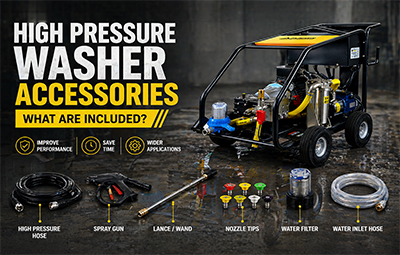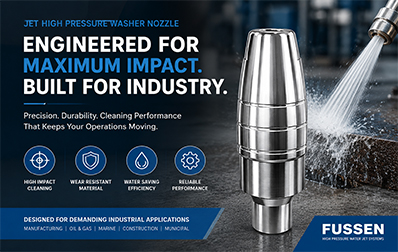
Форсунки для моек высокого давления — это важные компоненты, которые существенно влияют на эффективность очистки. Каждый тип форсунки разработан для решения конкретных задач, от точного удаления пятен до очистки более широких поверхностей. Понимание различий между этими форсунками имеет решающее значение для оптимизации производительности. Различные углы наклона и конструкции предназначены для разных областей применения, что вызывает вопросы об их пригодности в различных сценариях. Какие факторы следует учитывать при выборе подходящей форсунки для конкретной задачи?
При выборе мойки высокого давления выбор насадки имеет решающее значение, поскольку он существенно влияет на эффективность очистки и эксплуатационные расходы. Насадки для промышленных моек высокого давления бывают разных типов, каждая из которых предназначена для создания определенных схем распыления, оптимизирующих процесс очистки. Турбонасадка для моек высокого давления может повысить скорость очистки за счет концентрации давления воды во вращающейся струе, что делает ее подходящей для удаления стойких загрязнений. Насадки для очистки под высоким давлением, напротив, обеспечивают прямую, мощную струю, идеально подходящую для подготовки поверхности. Понимание таблицы размеров насадок для моек высокого давления имеет важное значение для выбора правильной насадки, обеспечения максимальной эффективности использования воды, продления срока службы насоса и повышения производительности оператора при сохранении безопасности поверхности. Следовательно, оптимизация насадки не может быть упущена из виду для эффективной промышленной очистки. Более того, использование правильной насадки имеет важное значение. давление и расход Для каждой из этих задач можно значительно улучшить результаты уборки и повысить эффективность.
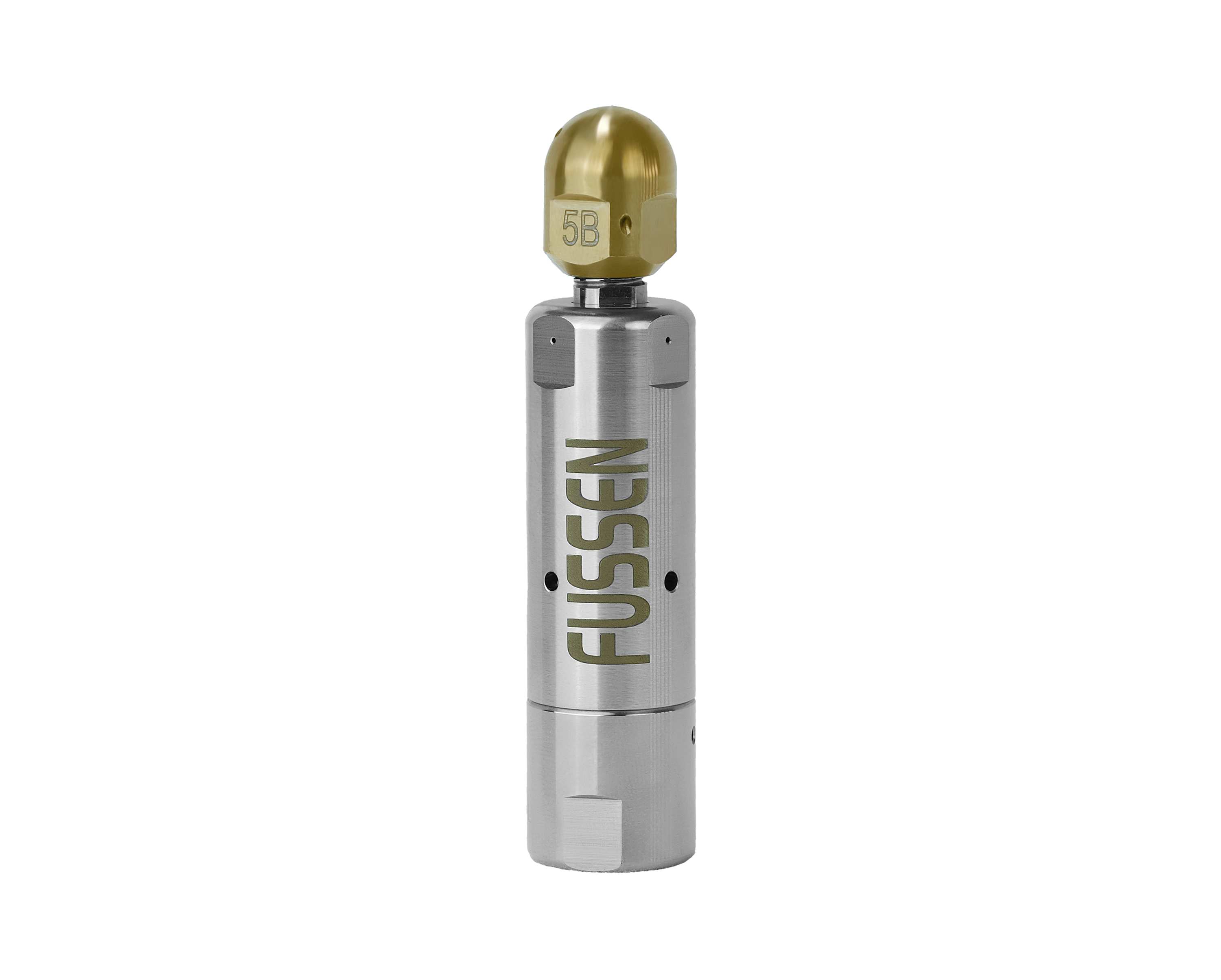
Насадка для мойки высокого давления играет важную роль в преобразовании потока воды под высоким давлением в эффективную очистку за счет формирования струи. Угол распыления напрямую влияет на эффективность очистки, при этом разные углы подходят для различных поверхностей и задач. Кроме того, критически важна взаимосвязь между давлением (PSI), расходом воды (GPM) и размером насадки, поскольку неправильный выбор размера насадки может привести к повреждению насоса и снижению эффективности. Понимание углы сопла мойки высокого давления помогает выбрать подходящую насадку для каждой задачи по очистке.
Форсунки для моек высокого давления играют важную роль в преобразовании давления воды в эффективную очищающую силу. Изменяя размер и конструкцию форсунки, эти компоненты значительно влияют на силу и поток воды, направляемый на поверхности. Вращающаяся форсунка для мойки высокого давления повышает эффективность очистки за счет сочетания вращающихся струй высокого давления, создавая более широкую зону очистки, сохраняя при этом концентрированное усилие, необходимое для удаления стойких загрязнений. Аналогично, форсунка для прочистки канализации специально разработана для устранения засоров в трубах, используя струи высокого давления для удаления мусора. Оба типа форсунок оптимизируют давление, создаваемое мойкой, обеспечивая максимальную очищающую силу при минимизации расхода воды, что в конечном итоге делает мойку высокого давления более эффективной и экологичной.
Угол распыления насадки мойки высокого давления существенно влияет на эффективность очистки, определяя распределение и интенсивность водяных струй. Более узкий угол, например, 0 градусов, концентрирует воду в сфокусированную струю, эффективно удаляя стойкие пятна и грязь с поверхностей. И наоборот, более широкий угол, например, 40 градусов, рассеивает воду на большей площади, обеспечивая более щадящую очистку, идеально подходящую для деликатных поверхностей или больших площадей, требующих равномерного покрытия. Выбор угла распыления влияет не только на эффективность очистки, но и на потенциальный риск повреждения поверхности. Понимание правильного применения различных углов распыления позволяет пользователям оптимизировать эффективность очистки, минимизируя риски, что делает выбор подходящей насадки для конкретных задач очень важным.
Понимание взаимосвязи между давлением (PSI, фунты на квадратный дюйм), расходом воды (GPM, галлоны в минуту) и размером сопла имеет решающее значение для максимальной эффективности мойки высокого давления. PSI измеряет давление, создаваемое водой, а GPM указывает на расход воды. Размер сопла напрямую влияет на оба параметра; меньшие сопла увеличивают давление, ограничивая поток воды, что приводит к более высокому значению PSI, но могут снизить GPM. И наоборот, большие сопла позволяют достичь большего расхода воды, потенциально снижая PSI. Этот баланс важен, поскольку для различных задач очистки требуются определенные значения давления и расхода воды для достижения наилучших результатов. Выбор соответствующего размера сопла в зависимости от желаемых значений PSI и GPM может повысить эффективность, обеспечивая эффективную очистку и предотвращая потенциальное повреждение очищаемых поверхностей.
Неправильный размер форсунки мойки высокого давления может привести к значительному повреждению насосного механизма, поскольку форсунка играет решающую роль в регулировании как потока, так и давления. Недостаточно большая форсунка может либо ограничивать, либо чрезмерно пропускать поток воды, заставляя насос работать сверх своей расчетной мощности. Это перенапряжение может привести к перегреву, кавитации или преждевременному износу. Напротив, слишком большая форсунка может снизить давление, что приведет к неэффективной очистке и увеличению времени цикла. Кроме того, неправильный размер может привести к неравномерному распылению, влияя на общую производительность. В конечном итоге, поддержание правильного размера форсунки имеет важное значение для обеспечения эффективной работы мойки высокого давления и продления срока службы ее компонентов.
Основные типы насадок для моек высокого давления выполняют разные функции, отличаясь углами распыления и способами применения. Насадка с углом 0 градусов обеспечивает концентрированную струю для удаления стойких пятен, в то время как насадки с углами 15, 25 и 40 градусов имеют различную ширину распыла для разных задач очистки. Кроме того, насадка для моющих средств специально разработана для нанесения моющих средств, повышая эффективность очистки различных поверхностей.
Насадка с регулируемой струей воды имеет решающее значение для достижения максимального давления при мойке под высоким давлением, особенно для точечной очистки и удаления стойких загрязнений. Узкая форма распыления концентрирует поток воды, обеспечивая повышенную эффективность очистки, но также увеличивает риск повреждения поверхности при неправильном использовании. Понимание соответствующих условий применения насадки с регулируемой струей воды имеет важное значение для обеспечения баланса между эффективной очисткой и сохранением поверхностей.
Максимальное ударное давление является критически важным фактором в работе форсунок аппаратов высокого давления, особенно тех, которые классифицируются по углу наклона. Это давление, измеряемое в фунтах на квадратный дюйм (PSI), определяет силу, воздействующую на поверхности во время очистки. Форсунки с большим углом наклона обычно подают концентрированные струи, увеличивая ударное давление, в то время как форсунки с меньшим углом наклона рассеивают воду, снижая давление. Понимание этих закономерностей помогает выбрать подходящие форсунки для конкретных задач.
Правильный выбор типа насадки может значительно улучшить точечную очистку и резку. Насадки с концентрированным распылением, такие как насадка с нулевым углом, обеспечивают струи высокого давления, идеально подходящие для удаления стойких пятен или грязи. Напротив, насадка с углом 15 градусов обеспечивает эффективный баланс для удаления твердых материалов, минимизируя при этом риск разбрызгивания, что делает ее подходящей для различных поверхностей, требующих точной очистки.
Хотя мойки высокого давления очень эффективны для очистки различных поверхностей, неправильный выбор насадки может привести к значительному риску повреждения поверхности. Насадки высокого давления, такие как 0-градусные или 15-градусные, могут снять краску, разъесть бетон или повредить древесину. И наоборот, использование насадки со слишком широким распылением может привести к недостаточной очистке, оставляя грязь или плесень, которые могут потребовать дополнительной обработки.
Насадка с регулируемой углом распыления является важнейшим компонентом в системах мойки под высоким давлением, особенно при выполнении сложных промышленных задач по очистке. Ее концентрированный распыл эффективен для удаления краски и ржавчины, позволяя точно направлять струю на трудновыводимые загрязнения. Понимание особенностей доступных насадок с регулируемым углом распыления может значительно повысить эффективность и результативность очистки в различных условиях.
Для интенсивной промышленной очистки требуются точность и эффективность, поэтому выбор насадок для мойки высокого давления имеет решающее значение. Насадки с меньшим углом наклона, например, 0° и 15°, обеспечивают концентрированные струи, идеально подходящие для удаления стойких пятен и сильных загрязнений. И наоборот, насадки с большим углом наклона, например, 25° и 40°, обеспечивают более широкое покрытие для менее интенсивных задач очистки. Выбор подходящей насадки улучшает результаты очистки и максимизирует производительность оборудования. Кроме того, выбор форсунок и принадлежностей играет жизненно важную роль в оптимизации эффективности работ по мойке под давлением.
Выбор правильной насадки для мойки высокого давления имеет решающее значение для эффективного удаления краски, поскольку насадки с разным углом наклона обеспечивают разную интенсивность и площадь распыления. Насадка с углом 0 градусов обеспечивает концентрированную, мощную струю, идеально подходящую для удаления стойкой, слоистой краски, в то время как насадка с углом 15 градусов обеспечивает более широкий распыл для менее стойких поверхностей. Выбор подходящей насадки гарантирует максимальную производительность и минимизирует повреждение нижележащих материалов.
Удаление ржавчины может быть сложной задачей, поэтому выбор подходящей насадки для мойки высокого давления имеет решающее значение для достижения эффективных результатов. Рекомендуется использовать насадку с углом распыления 15 градусов, поскольку она обеспечивает концентрированную струю воды, эффективно удаляя ржавчину с поверхностей. Кроме того, использование подходящих моющих средств может улучшить процесс очистки. Правильная техника и выбор насадки значительно повышают эффективность и восстановление поверхности при удалении ржавчины. насос высокого давления обеспечивает создание необходимого давления для достижения оптимальной эффективности очистки.
Насадка с углом распыления — наиболее распространенный тип насадок в промышленной очистке, обеспечивающий практичный баланс между площадью обрабатываемой поверхности и силой очистки. Этот тип насадки позволяет операторам эффективно справляться с различными задачами, от легкой очистки до более интенсивного удаления грязи. Ее универсальность делает ее незаменимым инструментом в мойке под давлением, удовлетворяющим разнообразные потребности в очистке. Кроме того, использование насадки с углом распыления с мойки высокого давления с горячей водой может значительно повысить эффективность очистки, особенно при удалении стойких жировых и масляных загрязнений.
В сфере общей промышленной очистки выбор подходящей насадки для мойки высокого давления имеет решающее значение для достижения оптимальных результатов. Различные типы насадок, характеризующиеся углом распыления и выходным давлением, предназначены для решения конкретных задач очистки. Для тяжелых работ обычно используются более широкие углы распыления для охвата больших поверхностей, в то время как более узкие углы концентрируют силу для удаления стойких загрязнений с трудноудаляемых материалов. Кроме того, понимание диапазоны давления Это может повысить эффективность процесса очистки за счет подбора подходящей насадки с соответствующим уровнем давления.
Понимание различных типов насадок имеет важное значение для оптимизации работы мойки высокого давления, при этом наиболее распространенным вариантом является насадка с углом распыления. Насадки с углом распыления от 0 до 40 градусов обеспечивают универсальность для различных задач по очистке. Насадка с углом распыления 25 градусов особенно предпочтительна для общей очистки, обеспечивая сбалансированный рисунок распыления, который эффективно удаляет грязь и копоть без чрезмерного усилия или риска повреждения поверхностей.
При выборе подходящей насадки для мойки высокого давления крайне важно найти баланс между площадью распыления и силой струи для эффективной очистки. Насадки с более широким углом распыления обеспечивают большую площадь покрытия, но снижают давление, что делает их подходящими для больших поверхностей. И наоборот, насадки с узким углом распыления концентрируют давление для удаления стойких пятен, но покрывают меньшую площадь. Понимание этого баланса помогает пользователям оптимизировать эффективность очистки в зависимости от конкретных задач.
Насадка с углом распыления играет решающую роль в мойке под давлением, особенно при обработке чувствительных поверхностей, требующих бережного обращения во избежание повреждений. Она эффективна для ополаскивания, позволяя операторам удалять грязь без чрезмерного усилия, которое может повредить деликатные материалы. Кроме того, насадка с углом распыления облегчает очистку больших площадей, обеспечивая более широкий распыл, повышая эффективность и охват во время работ по очистке.
При очистке чувствительных поверхностей крайне важно выбрать подходящую насадку для мойки высокого давления, чтобы предотвратить повреждения. Насадки с более широким углом распыления, например, 25 или 40 градусов, распределяют давление более бережно, минимизируя риск повреждения деликатных материалов. Кроме того, рекомендуется использовать более низкие значения давления, что позволяет эффективно очищать поверхности, не повреждая такие материалы, как дерево, окрашенные поверхности или мягкие ткани.
При использовании мойки высокого давления для ополаскивания необходимо тщательно выбирать форсунки для достижения оптимальных результатов. Для ополаскивания обычно используются форсунки с более широким углом распыления, например, 25 или 40 градусов. Такие форсунки распределяют воду по большей площади, эффективно удаляя остатки моющих средств и грязь, не повреждая поверхности. Правильный выбор форсунки гарантирует эффективную очистку при минимизации риска истирания поверхности.
Эффективная очистка больших площадей с помощью мойки высокого давления во многом зависит от правильного выбора угла распыления. Для больших поверхностей наиболее эффективен более широкий угол распыления, например, 25 или 40 градусов, что позволяет эффективно покрывать поверхность без чрезмерного давления, которое может повредить ее. Такой подход максимизирует эффективность очистки при минимизации расхода воды, что делает его идеальным для больших террас, подъездных дорожек и других обширных площадей. Кроме того, использование правильной насадки может повысить эффективность очистки. эффективность очистки вашей мойки высокого давления, обеспечивая эффективное удаление различных загрязнений.
Насадка для моющих средств специально разработана для нанесения химических веществ под низким давлением, что обеспечивает эффективное распределение моющих средств во время очистки. Совместимость с системами пенной очистки повышает способность создавать густую пену, обеспечивая лучшее сцепление моющих средств с поверхностями. Понимание химической совместимости различных моющих средств с этим типом насадки имеет важное значение для достижения оптимальных результатов и безопасного использования.
Часто используемая в мойках высокого давления, насадка для подачи моющего средства играет важную роль при использовании химических реагентов под низким давлением. Эта насадка эффективно распределяет чистящие средства, обеспечивая идеальное покрытие поверхности без повреждения деликатных материалов. Ключевые преимущества:
Использование пенных систем очистки повышает эффективность мойки под высоким давлением, создавая толстый слой пены, который прилипает к поверхностям. Этот метод улучшает эффективность моющих средств и обеспечивает лучшее проникновение загрязнений.
| Особенность | Выгода | Приложение |
|---|---|---|
| Толщина пены | Лучшее сцепление с поверхностью | Мойка автомобилей |
| Скорость покрытия | Эффективная уборка | Приложения большой площади |
| Использование моющих средств | Оптимизирует использование химикатов | Уборка фасада дома |
| Защита поверхности | Снижает риск повреждений | Чувствительные поверхности |
Понимание совместимости моющих средств имеет решающее значение для максимальной эффективности насадки для подачи моющего средства при мойке под высоким давлением. Различные моющие средства могут повысить эффективность очистки, но их состав должен соответствовать техническим характеристикам мойки высокого давления. Учитывайте следующие факторы:

Промышленные специализированные форсунки являются незаменимыми инструментами для выполнения сложных работ по очистке, предлагая различные конструкции, адаптированные к конкретным задачам. Вращающиеся или турбофорсунки обеспечивают мощное очищающее действие за счет сочетания высокого давления с вращающимся распылением, а форсунки для очистки труб эффективно перемещаются и удаляют мусор в ограниченных пространствах. Кроме того, веерообразные форсунки, гибкие форсунки-копья и пистолеты-распылители с вращающимися форсунками обеспечивают универсальность и эффективность для сложных сценариев очистки в промышленных условиях.
Вращающиеся или турбонасадки — это специализированные инструменты, предназначенные для выполнения сложных задач по очистке, использующие вращательное ударное воздействие для повышения эффективности. Их уникальная конструкция обеспечивает более высокую скорость очистки, что делает их особенно эффективными для сложных поверхностей, таких как бетон и морские суда. Эти насадки нашли широкое применение в промышленных системах, где необходима высокая эффективность очистки. Их также можно использовать в сочетании с Мойки высокого давления 2800 бар для оптимального удаления материалов в морской среде.
Турбофорсунки, часто называемые вращающимися ударными форсунками, являются незаменимыми инструментами в области мойки под высоким давлением, особенно для выполнения работ, требующих интенсивной очистки. Эти форсунки используют вращающийся поток воды для повышения эффективности и результативности очистки. Ключевые особенности включают:
Одним из главных преимуществ использования специальных насадок, предназначенных для мойки под высоким давлением, является увеличение скорости очистки. Вращающиеся или турбонасадки повышают эффективность, сочетая высокое давление с вращательным распылением, эффективно удаляя стойкие загрязнения. В таблице ниже приведены основные характеристики этих насадок:
| Тип сопла | Скорость очистки | Приложение |
|---|---|---|
| Вращающееся сопло | Высокий | Промышленные поверхности |
| Турбосопло | Очень высокий | Тяжелая техника |
| Стандартное сопло | Умеренный | Генеральная уборка |
Эти насадки особенно эффективны для решения сложных задач. типичные дорожные загрязнители Они применяются в различных ситуациях уборки, что делает их незаменимыми для коммунального и промышленного использования.
Когда речь идет об очистке таких сложных поверхностей, как бетон и корабли, специализированные промышленные насадки, такие как вращающиеся и турбонасадки, обеспечивают непревзойденную эффективность. Эти насадки предназначены для интенсивной очистки и обеспечивают:
Их применение гарантирует идеальные результаты при выполнении сложных задач по уборке. Кроме того, использование правильных средств... размер и состояние сопла Это крайне важно для достижения оптимальной эффективности очистки и предотвращения потенциальных проблем с оборудованием.
В промышленных системах для выполнения сложных работ по очистке часто используются специальные форсунки, такие как вращающиеся и турбофорсунки. Эти форсунки повышают эффективность очистки, сочетая высокое давление с вращающимся распылением, эффективно удаляя стойкие загрязнения, такие как жир и грязь. Турбофорсунки обеспечивают концентрированную струю, гарантируя тщательное проникновение в поверхность, в то время как вращающиеся форсунки обеспечивают более широкое покрытие, оптимизируя время и трудозатраты при выполнении работ по техническому обслуживанию в промышленности.
Насадки для очистки труб — это незаменимые инструменты, предназначенные для работы под высоким давлением при прочистке канализационных труб, очистке труб и внутреннем обслуживании трубопроводов. Эти насадки имеют специальную конструкцию, оптимизирующую поток воды и давление для эффективного удаления мусора и засоров в ограниченных пространствах. Их прочная конструкция и направленное распыление обеспечивают эффективную очистку, гарантируя чистоту и исправность трубопроводов.
Промывка канализации под высоким давлением осуществляется с помощью специальных насадок, предназначенных для выполнения сложных задач по очистке, в частности, для поддержания и восстановления проходимости промышленных труб. Эти насадки используют струи воды под высоким давлением для эффективного удаления засоров и мусора. Ключевые особенности включают:
Эта технология гарантирует эффективное и надежное обслуживание трубопроводов.
В вопросах поддержания целостности и функциональности трубопроводных систем специализированные форсунки, предназначенные для очистки труб, играют важнейшую роль в обеспечении оптимальной работы. Эти форсунки эффективно удаляют отложения и загрязнения внутри труб, повышая скорость потока и продлевая срок службы оборудования.
| Тип сопла | Приложение |
|---|---|
| Вращающаяся форсунка | Интенсивная уборка |
| Плоская распылительная форсунка | Общая очистка труб |
| Турбосопло | Применение в условиях высокого давления |
| Сливной патрубок | Устранение засоров |
| Поворотное сопло | Многонаправленная очистка |
Эффективное внутреннее техническое обслуживание трубопроводов имеет важное значение для обеспечения оптимальной производительности промышленных систем. Специализированные форсунки для очистки труб предназначены для удаления отложений и мусора, что предотвращает сбои в работе. Ключевые особенности включают:
Использование этих форсунок повышает производительность и продлевает срок службы трубопроводов. Кроме того, очистка под высоким давлением Необходимо применять методы, позволяющие восстановить тепловые характеристики при минимизации риска повреждения трубок.
Веерообразные форсунки предназначены для обеспечения широкого охвата очистки, что делает их идеальными для больших площадей. Эти форсунки обеспечивают стабильное распределение распыления, гарантируя равномерную эффективность очистки на больших площадях. Широко используемые в стандартных промышленных процессах очистки, веерообразные форсунки повышают эффективность за счет сокращения времени, необходимого для тщательной очистки. Кроме того, они особенно эффективны для очистка корпуса для удаления биообрастаний и морских наростов, что имеет решающее значение для поддержания работоспособности судна.
Промышленные специализированные форсунки, особенно веерообразные, предназначены для обеспечения широкой зоны очистки при выполнении тяжелых работ. Эти форсунки максимально повышают эффективность за счет распределения воды по большей площади поверхности, что позволяет быстро очищать обширные поверхности. Ключевые преимущества включают:
Кроме того, эффективность очистки Для достижения оптимальных результатов при использовании этих насадок крайне важно подобрать параметры давления в соответствии с обрабатываемыми поверхностями.
Стабильное распределение распыления — важнейшая характеристика веерообразных форсунок, используемых в условиях интенсивной очистки. Эти форсунки создают равномерный, широкий рисунок распыления, гарантирующий равномерное покрытие поверхностей, минимизируя разводы и загрязнения. Их конструкция позволяет точно регулировать углы распыления, что позволяет выполнять различные задачи по очистке, поддерживая при этом оптимальное давление, повышая эффективность и результативность промышленных процессов очистки. Кроме того, системы горячего водоснабжения Это может дополнительно улучшить результаты очистки за счет эффективного расщепления загрязнений и снижения необходимости в чрезмерном механическом давлении.
В областях применения, требующих интенсивной очистки, веерообразные форсунки разработаны для удовлетворения жестких требований стандартных промышленных задач. Эти форсунки обеспечивают эффективное распыление, позволяя эффективно очищать поверхности в различных условиях. Ключевые особенности включают:
Эти характеристики делают их незаменимыми в процессах промышленной очистки. Кроме того, эти насадки часто используются в паре с... хорошо спроектированные насосы для обеспечения стабильного выходного давления, что повышает общую эффективность очистки.
Гибкие насадки-трубки разработаны для сложных задач очистки, особенно в промышленных условиях. Они необходимы для эффективного доступа к труднодоступным местам, таким как внутренние полости резервуаров и теплообменников, где традиционные насадки могут оказаться неэффективными. Их универсальность позволяет проводить точную очистку в труднодоступных местах, обеспечивая тщательное удаление загрязнений и отложений.
В промышленных условиях для очистки резервуаров часто требуются специализированные инструменты для эффективного удаления накопившихся загрязнений из больших емкостей. Для этой задачи необходимы гибкие насадки-трубки, обеспечивающие универсальность и точность.
Эффективная очистка теплообменников имеет решающее значение для поддержания производительности промышленных систем. Гибкие насадки-форсунки специально разработаны для этой цели, обеспечивая подачу воды под высоким давлением, которая проникает в поверхность теплообменника и удаляет накипь, загрязнения и мусор. Их универсальность позволяет получать доступ к сложным геометрическим формам, обеспечивая тщательную очистку. Использование этих специализированных насадок оптимизирует теплопередачу и продлевает срок службы оборудования, повышая общую производительность системы.
При решении задач по очистке труднодоступных промышленных зон специализированные насадки играют важную роль в обеспечении тщательной санитарной обработки и технического обслуживания. Гибкие насадки-трубки представляют собой эффективное решение, позволяющее рабочим получать доступ к замкнутым пространствам. Ключевые особенности включают:
Эти свойства позволяют проводить тщательную уборку в сложных условиях.
Пистолет-распылитель с вращающейся форсункой разработан для работы под сверхвысоким давлением, что делает его идеальным для таких задач, как гидродемонтаж и удаление сильной коррозии. Его конструкция обеспечивает эффективное нанесение концентрированных струй воды, повышая эффективность очистки сложных поверхностей. Этот тип форсунки особенно подходит для промышленных условий, где для поддержания оборудования и конструкций в рабочем состоянии необходимы эффективные чистящие средства. Кроме того, он совместим с Насосы из нержавеющей стали серии FDH, которые специально разработаны для работы при сверхвысоком давлении, чтобы обеспечить оптимальную производительность.
Для работы в условиях сверхвысокого давления требуется специализированное оборудование, способное справиться с самыми сложными задачами очистки в промышленных условиях. Пистолет-распылитель с вращающимся соплом разработан именно для таких условий, обеспечивая максимальную производительность и эффективность. Ключевые особенности:
Эти характеристики повышают производительность и безопасность при выполнении сложных операций. Кроме того, использование Насосы серии FCH из нержавеющей стали обеспечивает максимальную коррозионную стойкость и долговременную надежность в условиях интенсивной эксплуатации.
Гидродемонтаж представляет собой передовую технологию в области промышленной очистки, использующую струи воды под высоким давлением для эффективного удаления бетона и других материалов без повреждения нижележащей конструкции. Этот метод использует специальные насадки, такие как разгрузочный пистолет с вращающимся соплом, которые оптимизируют поток и давление воды, обеспечивая точное удаление материала при минимизации сопутствующего ущерба, что делает его идеальным для реконструкции конструкций.
Помимо гидродемонтажа, пистолет-распылитель с вращающейся насадкой оказывается весьма эффективным для удаления сильной ржавчины в промышленных условиях. Эта специализированная насадка обеспечивает концентрированное давление и вращательную траекторию, повышая эффективность очистки. Ключевые преимущества включают:
Понимание влияния угла распыления имеет важное значение для оптимизации работы мойки высокого давления. Узкие углы распыления, обычно от 0 до 15 градусов, обеспечивают максимальную эффективность очистки от стойких загрязнений, в то время как более широкие углы, от 25 до 65 градусов, лучше подходят для деликатных поверхностей и более широкой зоны охвата. Выбор соответствующего угла распыления не только повышает эффективность очистки, но и может улучшить производительность в различных областях применения.
При выборе подходящей насадки для мойки высокого давления одним из ключевых моментов является разница между узким и широким углом распыления, поскольку каждый из них предназначен для разных целей очистки. Узкий угол распыления, обычно от 0 до 15 градусов, обеспечивает сфокусированную и интенсивную струю воды, что делает его идеальным для удаления стойких пятен и грязи с твердых поверхностей. Напротив, широкий угол распыления, от 25 до 40 градусов, распределяет воду по большей площади, что подходит для ополаскивания и очистки деликатных поверхностей без повреждения.
Понимание этих различий имеет решающее значение для достижения наилучших результатов уборки.
Какой угол распыления обеспечивает наибольшую эффективность очистки при использовании мойки высокого давления? Насадка с углом распыления 0 градусов, создающая концентрированную струю, известна своими превосходными очищающими свойствами. Этот узкий угол направляет воду под высоким давлением на небольшую площадь, эффективно удаляя стойкие пятна и грязь. И наоборот, более широкие углы, такие как 25 или 40 градусов, рассеивают воду по большей поверхности, снижая давление и эффективность очистки.
| Угол распыления | Описание | Чистящая сила |
|---|---|---|
| 0 градусов | Узкий, концентрированный поток | Высший |
| 15 градусов | Умеренная концентрация | Высокий |
| 25 градусов | Более широкий распыл, меньшее давление | Умеренный |
Понимание этих различий имеет важное значение для оптимизации работы мойки высокого давления.
Выбор оптимального угла распыления при мойке под давлением имеет решающее значение для достижения идеальных результатов очистки различных поверхностей. Различные углы влияют на эффективность и безопасность процесса очистки.
Понимание принципов применения углов распыления позволяет пользователям оптимизировать процессы мойки под давлением, обеспечивая эффективную и безопасную очистку поверхностей.
Широкие углы распыления, обычно от 25 до 40 градусов, могут значительно повысить производительность при мойке под давлением, позволяя более эффективно обрабатывать большие площади. Это особенно полезно при очистке обширных участков, таких как подъездные пути, террасы и наружные стены, где время является критически важным фактором. Использование широких углов распыления минимизирует количество необходимых проходов, позволяя операторам быстрее завершать работу.
| Угол распыления | Идеальное применение | Повышение эффективности |
|---|---|---|
| 25° | Патио и подъездные дорожки | Высокий |
| 30° | Обшивка стен и кровля | Умеренный |
| 40° | Большие плоские поверхности | Очень высокий |
| 0° (точечно) | Тщательная уборка | Низкий |
Операторы могут стратегически выбрать подходящий угол для достижения максимальной эффективности.
Цветовая кодировка насадок мойки высокого давления служит важным ориентиром для пользователей при выборе подходящего режима распыления для различных задач очистки. Каждый цвет соответствует определенному углу и интенсивности давления: красный (0 градусов) обеспечивает концентрированную струю, желтый (15 градусов) — мощную очистку, зеленый (25 градусов) подходит для общей очистки, белый (40 градусов) — для легкой очистки, а черный (насадка для моющего средства) — для нанесения моющих средств. Понимание этих цветовых кодов помогает гарантировать эффективную и безопасную работу мойки высокого давления.
Среди различных насадок для моек высокого давления красная насадка отличается узким распылением, которое обеспечивает концентрированную струю воды под высоким давлением. Эта насадка обычно используется для выполнения сложных задач по очистке благодаря своей способности удалять стойкие загрязнения, краску и пятна. Однако следует соблюдать осторожность, поскольку ее мощная струя может повредить деликатные поверхности при неправильном использовании.
Красная насадка часто рекомендуется для определенных задач, таких как подготовка поверхностей к покраске или глубокая очистка подъездных дорожек, обеспечивая эффективные результаты при правильном применении.
Желтая насадка с углом распыления 15 градусов предназначена для выполнения задач средней сложности, требующих баланса между мощностью и точностью. Эта насадка эффективно удаляет стойкие загрязнения, копоть и плесень с таких поверхностей, как подъездные дорожки, тротуары и террасы. Узкий распыл концентрирует давление воды, создавая мощную струю, способную проникать в трудновыводимые загрязнения, не повреждая нижележащий материал. Важно использовать желтую насадку на поверхностях, выдерживающих более высокое давление, поскольку она может быть слишком агрессивной для деликатных участков. Правильное расстояние от поверхности имеет важное значение для предотвращения повреждений и максимальной эффективности очистки. В целом, желтая насадка является универсальным инструментом для различных задач средней интенсивности очистки.
Зелёная насадка с углом распыления 25 градусов идеально подходит для лёгких и средних задач по уборке, требующих более бережного подхода по сравнению с жёлтой. Этот тип насадки универсален, эффективно удаляет грязь и копоть, не повреждая поверхности. Он особенно хорошо подходит для таких задач, как мойка автомобилей, чистка террас и уход за садовой мебелью.
Белая насадка, отличающаяся углом распыления в 40 градусов, специально разработана для легких работ по очистке, требующих бережного обращения. Этот тип насадки создает широкий веерный поток, что делает ее идеальной для деликатных поверхностей, таких как кузова автомобилей, окна и окрашенные поверхности. Сниженное давление гарантирует минимизацию риска повреждения при одновременном эффективном удалении грязи и копоти. Пользователи могут рассчитывать на удовлетворительные результаты на не сильно загрязненных поверхностях. Важно отметить, что, хотя белая насадка универсальна, она не подходит для более сложных задач, требующих более агрессивных методов очистки. Правильный выбор и применение белой насадки может повысить эффективность очистки, одновременно защищая чувствительные материалы.
Черные форсунки, отличающиеся характерным углом распыления в 65 градусов, выполняют определенную функцию при мойке под давлением. В основном предназначенные для нанесения моющих средств или мыла, они работают при более низком давлении, обеспечивая эффективную очистку без повреждения поверхностей. Эти форсунки крайне важны для задач, требующих применения химических средств, поскольку гарантируют равномерное распределение.
Использование черной насадки позволяет пользователям более эффективно проникать в грязь и пыль, оптимизируя процесс очистки и минимизируя риск повреждения поверхности. Правильное использование может привести к улучшению результатов очистки в различных областях применения.
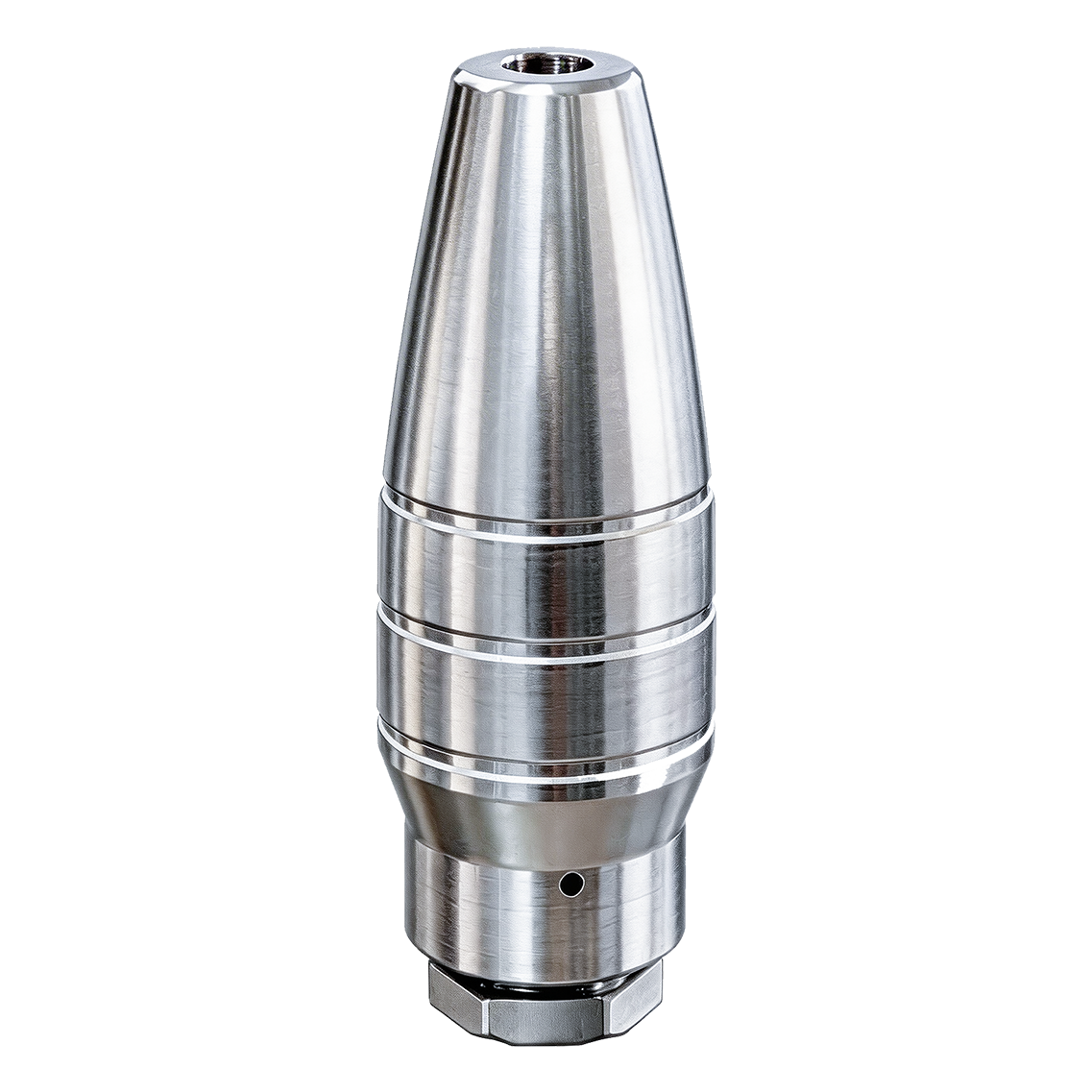
При оценке насадок для моек высокого давления выбор материала существенно влияет на производительность и долговечность. Нержавеющая сталь, керамика, закаленная сталь и латунь обладают различными преимуществами в отношении износостойкости, коррозии и способности выдерживать высокое давление. Понимание этих свойств материалов имеет важное значение для выбора подходящей насадки для конкретных задач очистки и условий эксплуатации. Кроме того, при выборе материала насадки следует учитывать следующие факторы: условия окружающей среды в котором он будет использоваться для обеспечения оптимальной производительности и долговечности.
Насадки из нержавеющей стали известны своей долговечностью и устойчивостью к коррозии, что делает их предпочтительным выбором как для профессионалов, так и для любителей. Эти насадки обладают рядом преимуществ, повышающих их эффективность в различных областях применения мойки под давлением:
Благодаря этим свойствам, насадки из нержавеющей стали идеально подходят для выполнения сложных задач по очистке, обеспечивая надежную работу и эффективность в различных условиях. Кроме того, они совместимы с насосы высокого давления которые обеспечивают давление до 250 бар, что повышает их эффективность в промышленных условиях.
Керамические форсунки все чаще признаются за свои уникальные свойства, повышающие эффективность мойки под высоким давлением. Эти форсунки изготавливаются из высокоплотных керамических материалов, обеспечивающих исключительную устойчивость к износу и коррозии. Их долговечность позволяет им поддерживать стабильную форму распыления в течение длительного времени, что делает их идеальными для сложных задач. Керамические форсунки также обладают превосходной термостойкостью, позволяя им выдерживать высокие температуры без деформации. Кроме того, они могут достигать более высоких значений давления по сравнению с традиционными материалами, что приводит к более эффективной очистке. Гладкая поверхность керамических форсунок снижает трение, способствуя увеличению расхода. Следовательно, они часто предпочтительны для промышленного применения, где надежность и эффективность имеют первостепенное значение.
Насадки из закаленной стали пользуются популярностью в сфере мойки под высоким давлением благодаря своей прочной конструкции и способности выдерживать высокое давление. Эти насадки разработаны для долговечности и стабильной работы, что делает их идеальными для выполнения масштабных задач по очистке. Устойчивость к износу и коррозии гарантирует сохранение их максимальной функциональности даже в суровых условиях.
Ключевые особенности включают в себя:
Латунные форсунки представляют собой альтернативу форсункам из закаленной стали, обеспечивая уникальные преимущества в сфере мойки под давлением. Известные своей коррозионной стойкостью, латунные форсунки сохраняют свою целостность в различных средах, что делает их подходящими как для бытового, так и для промышленного применения. Прочность материала гарантирует длительный срок службы, снижая частоту замен по сравнению с пластиковыми вариантами. Кроме того, латунные форсунки обеспечивают превосходный контроль потока воды, позволяя создавать точные схемы распыления, адаптированные к конкретным задачам очистки. Они выдерживают высокое давление, что делает их идеальными для интенсивной очистки без риска деформации или поломки. Более того, теплопроводность латуни помогает рассеивать тепло, выделяемое во время работы, сохраняя производительность форсунки. В целом, латунные форсунки представляют собой надежный выбор для пользователей, стремящихся к балансу между долговечностью и эффективностью.
Правильный подбор размера насадки для мойки высокого давления имеет решающее значение для оптимизации производительности и эффективности. Этот процесс включает в себя изучение таблиц размеров насадок, чтобы подобрать размер насадки в соответствии с конкретным давлением (PSI) и расходом воды мойки высокого давления. Неправильный подбор размера может привести к снижению эффективности очистки или потенциальному повреждению, поэтому понимание расчетов расхода воды крайне важно для промышленного применения.
Выбор подходящей насадки для мойки высокого давления имеет решающее значение для достижения оптимальной эффективности очистки и предотвращения повреждения поверхностей. Понимание таблиц размеров насадок крайне важно для определения правильного размера и типа насадки в зависимости от конкретных задач очистки. Таблицы размеров насадок обычно содержат информацию об углах распыления, размерах отверстий и расходе воды, что помогает пользователям принимать обоснованные решения.
Использование этих диаграмм может значительно улучшить пользовательский опыт и эффективность уборки.
Как гарантировать, что размер насадки будет соответствовать давлению (PSI) и расходу воды мойки высокого давления? Правильный подбор размера насадки предполагает понимание взаимосвязи между этими двумя параметрами. Размер насадки должен соответствовать давлению (измеряемому в PSI), создаваемому мойкой, и расходу воды (измеряемому в GPM). Как правило, рекомендуется обращаться к таблицам производителя, в которых указаны рекомендуемые размеры насадок в зависимости от конкретных значений PSI и GPM. Выбор насадки, соответствующей обоим показателям, гарантирует максимальную производительность и эффективность очистки. Например, более высокое давление (PSI) требует меньших насадок для концентрации потока воды, в то время как более высокий расход воды (GPM) требует больших насадок для обеспечения большего потока воды, что, следовательно, позволяет достичь желаемой эффективности очистки без риска повреждения оборудования.
Если насадка мойки высокого давления слишком мала для технических характеристик аппарата, это может привести к ряду негативных последствий, значительно влияющих на производительность и безопасность. Насадка, ограничивающая поток, может привести к повышению давления внутри аппарата, что потенциально может вызвать перегрев и повреждение внутренних компонентов. Кроме того, уменьшенный поток воды может привести к неэффективной очистке, требуя больше времени и усилий для достижения желаемых результатов.
Понимание правильного размера насадки имеет решающее значение для оптимальной работы, обеспечивая как эффективность, так и долговечность мойки высокого давления.
Использование насадки слишком большого размера для мойки высокого давления может привести к ряду проблем, снижающих эффективность очистки и производительность аппарата. Насадка большего размера снижает давление воды на распылительной головке, что приводит к более широкой струе, которая может быть недостаточно эффективной для удаления стойких пятен или загрязнений. Это может потребовать увеличения времени очистки и расхода моющего средства. Кроме того, снижение давления может заставить аппарат работать с большей нагрузкой, что потенциально может привести к перегреву или преждевременному износу компонентов. Также, слишком большая насадка может нарушить заданный расход воды, что может повлиять на общую производительность мойки высокого давления. В сущности, выбор правильного размера насадки имеет решающее значение для оптимальной эффективности работы и эффективных результатов очистки.
Выбор подходящей насадки для промышленной мойки высокого давления предполагает понимание расчетов расхода, определяющих совместимость размера насадки с производительностью аппарата. Расход, измеряемый в галлонах в минуту (GPM), имеет решающее значение для обеспечения эффективной очистки.
Ключевые факторы при расчете расхода через форсунку включают:
Понимание этих факторов позволяет правильно подобрать форсунки, адаптированные к конкретным промышленным задачам. Кроме того, важно убедиться в совместимости форсунки с различными характеристиками. химически стойкие внутренние подкладки может дополнительно повысить его производительность в конкретных приложениях.
Понимание схемы расположения форсунок в аппаратах высокого давления имеет важное значение для выбора подходящей форсунки для конкретных задач очистки. Это включает в себя интерпретацию взаимосвязей между ключевыми показателями, такими как давление в барах, PSI и объем в литрах в минуту (л/мин), которые определяют эффективность процесса очистки. Кроме того, знание распространенных размеров промышленных форсунок и критериев выбора форсунок сверхвысокого давления может повысить эффективность и производительность работы.
Как эффективно интерпретировать информацию, представленную в таблице характеристик форсунок мойки высокого давления? Понимание таблицы характеристик форсунок имеет важное значение для выбора подходящей форсунки для конкретных задач очистки. В каждой таблице обычно отображаются размеры форсунок, углы наклона и расход воды, которые коррелируют с выходным давлением мойки.
Производительность мойки высокого давления во многом определяется соотношением бар, PSI (фунтов на квадратный дюйм) и л/мин (литров в минуту), которые имеют решающее значение для определения эффективности очистки. Бар и PSI измеряют давление, где 1 бар равен примерно 14,5 PSI. Л/мин указывает на расход воды, влияющий на объем используемой воды во время работы. Понимание этих соотношений помогает пользователям выбрать подходящую насадку для конкретных задач.
| Измерение | Эквивалент |
|---|---|
| 1 бар | 14,5 PSI |
| 1000 PSI | 68,9 бар |
| Скорость потока | л/мин (литры) |
В этой таблице приведены необходимые коэффициенты пересчета для оптимизации работы мойки высокого давления в соответствии с эксплуатационными требованиями.
Размер сопла играет решающую роль в эффективности и результативности операций мойки под давлением. В промышленных условиях распространенные размеры сопел обычно определяются диаметром их отверстия, который напрямую влияет на расход и подаваемое давление. Стандартные размеры включают:
Правильный выбор размера насадки гарантирует максимальную производительность, минимизирует износ оборудования и улучшает результаты очистки. Понимание этих размеров позволяет операторам эффективно подбирать характеристики насадок в соответствии со своими конкретными требованиями к очистке.
Какие факторы следует учитывать при выборе форсунок сверхвысокого давления? Процесс выбора начинается с определения номинального давления, обычно от 20 000 до 40 000 PSI, поскольку это влияет на долговечность и производительность форсунки. Далее, размер форсунки, часто измеряемый диаметром отверстия, влияет на расход и силу удара; меньшие отверстия создают более высокое давление, но меньший расход, в то время как большие отверстия увеличивают расход, но снижают давление. Кроме того, необходимо учитывать угол распыления; узкие углы концентрируют силу для интенсивной очистки, в то время как более широкие углы рассеивают давление для больших площадей поверхности. Наконец, состав материала, например, нержавеющая сталь или карбид вольфрама, играет важную роль в коррозионной стойкости и долговечности, обеспечивая эффективную работу форсунки в экстремальных условиях эксплуатации.

Для решения уникальных задач очистки в разных отраслях требуются разные насадки для моек высокого давления. Например, в сфере обслуживания морских судов часто используются насадки, предназначенные для работы под высоким давлением, для удаления ракушек и морских обрастаний, а в пищевой промышленности востребованы насадки, способные дезинфицировать поверхности без загрязнения пищевых продуктов. Кроме того, для очистки бетона и строительных площадок, обслуживания нефтехимических заводов и очистки муниципальных канализационных систем существуют специальные типы насадок, оптимизирующие производительность и безопасность в соответствующих условиях.
В сфере очистки судов и технического обслуживания морской техники выбор подходящей насадки для мойки высокого давления имеет важное значение для эффективной очистки и обслуживания судов. Различные насадки предназначены для решения конкретных задач очистки, обеспечивая тщательную очистку поверхностей без повреждений.
Использование правильного сопла помогает сохранить целостность судна и повысить эффективность работы в морских условиях.
Для очистки бетона и строительных площадок требуются специальные насадки для моек высокого давления, эффективно справляющиеся с различными загрязнениями, копотью и мусором. Наиболее часто используемые насадки включают в себя насадки с углом распыления 0 градусов, 15 градусов и вращающиеся турбонасадки. Насадка с углом распыления 0 градусов обеспечивает концентрированную струю воды, идеально подходящую для удаления стойких пятен и въевшейся грязи с бетонных поверхностей. Насадка с углом распыления 15 градусов обеспечивает более широкий охват, подходящий для общих задач очистки без повреждения поверхности. Вращающиеся турбонасадки сочетают в себе мощность точечной струи с более широкой зоной охвата, эффективно удаляя накопившуюся грязь на больших площадях. Выбор подходящей насадки повышает эффективность очистки, сокращает время работы и продлевает срок службы как поверхности, так и оборудования.
Поддержание чистоты на предприятиях пищевой промышленности имеет важное значение для обеспечения безопасности пищевых продуктов и соблюдения санитарных норм. Выбор насадок для моек высокого давления играет решающую роль в эффективной санитарной обработке. Различные типы насадок могут решать конкретные задачи по очистке, возникающие в таких условиях.
Использование соответствующей насадки гарантирует тщательную очистку, минимизирует риски перекрестного загрязнения и способствует повышению общей эффективности работы предприятий пищевой промышленности.
Эффективные методы очистки имеют важное значение в различных отраслях промышленности, особенно на нефтехимических заводах, где накопление масла, смазки и химических остатков создает уникальные проблемы. Выбор подходящей насадки для мойки высокого давления имеет решающее значение для достижения наилучших результатов очистки. Насадки различаются по углу распыления и давлению, что влияет на их пригодность для различных применений.
| Тип сопла | Угол распыления | Рекомендуемое применение |
|---|---|---|
| 0° | 0° | Удаление густых жировых отложений |
| 15° | 15° | Стойкие пятна |
| 25° | 25° | Общая очистка поверхностей |
| 40° | 40° | Хрупкое оборудование |
Использование форсунки правильного типа гарантирует эффективное удаление загрязнений при минимизации повреждений чувствительных поверхностей, тем самым повышая эффективность и безопасность работы нефтехимических предприятий.
Очистка муниципальных канализационных и водоотводных систем представляет собой сложную задачу, требующую использования специализированных насадок для моек высокого давления, разработанных для эффективного удаления мусора и устранения засоров. Сложная структура канализационных систем требует наличия насадок, способных проходить крутые повороты и удалять стойкие засоры.
К основным типам форсунок, подходящих для данного применения, относятся:
Использование правильных насадок гарантирует эффективную очистку и продлевает срок службы муниципальных канализационных систем.
Для обслуживания тяжелой техники и в горнодобывающей промышленности требуются эффективные методы очистки, гарантирующие бесперебойную работу оборудования и повышение производительности. Выбор насадок для мойки высокого давления имеет решающее значение, поскольку для выполнения различных задач требуются определенные типы насадок, эффективно удаляющие грязь, жир и мусор.
| Тип сопла | Давление (PSI) | Приложение |
|---|---|---|
| 0 градусов | 4000 | Целенаправленная очистка от стойких загрязнений. |
| 15 градусов | 3500 | Удаление бетона и тяжелых грунтов. |
| 25 градусов | 2500 | Генеральная уборка машин и транспортных средств. |
Использование подходящей насадки не только повышает эффективность очистки, но и продлевает срок службы оборудования. Понимание технических характеристик насадки гарантирует оптимальную производительность, сокращает время простоя и обеспечивает соблюдение стандартов безопасности в сложных условиях эксплуатации.
Сравнение вращающихся и веерных форсунок выявляет существенные различия в скорости очистки, безопасности поверхности и расходе воды. Вращающиеся форсунки, известные своей высокой эффективностью, быстрее справляются с трудновыводимыми загрязнениями, в то время как веерные форсунки обеспечивают более щадящий подход, подходящий для деликатных поверхностей. Каждый тип форсунки имеет свои специфические области применения, что влияет на выбор в зависимости от конкретной задачи очистки.
При оценке эффективности очистки выбор между вращающейся и веерной насадкой может существенно повлиять на производительность. Вращающиеся насадки используют вращение, которое концентрирует давление на меньшей площади, тем самым увеличивая скорость очистки. В отличие от них, веерные насадки распределяют воду по более широкой полосе, что может быть эффективно для больших поверхностей, но может потребовать больше времени для тщательной очистки.
Ключевые отличия включают в себя:
Хотя вращающиеся и веерные форсунки обладают уникальными возможностями очистки, их влияние на безопасность поверхности значительно различается. Вращающаяся форсунка, создающая концентрированную струю, которая быстро вращается, может генерировать более высокое давление в сфокусированной точке, что создает риск повреждения поверхности, особенно на мягких материалах, таких как дерево или деликатные поверхности. В отличие от них, веерные форсунки распределяют давление по более широкой площади, значительно снижая вероятность повреждения поверхности. Более широкий рисунок распыления минимизирует концентрированное усилие, что делает веерные форсунки более безопасными для деликатных задач, таких как очистка окрашенных поверхностей или транспортных средств. В конечном итоге, при выборе между этими форсунками следует учитывать конкретную очищаемую поверхность, отдавая приоритет безопасности, чтобы избежать потенциальных повреждений, и одновременно добиваясь эффективных результатов очистки.
Понимание показателей расхода воды различными типами форсунок имеет важное значение для оптимизации как эффективности очистки, так и управления ресурсами. Сравнение вращающихся и веерных форсунок выявляет существенные различия в их водопотреблении и эффективности.
Выбор подходящего типа форсунки может существенно повлиять не только на результат очистки, но и на усилия по экономии воды.
Какой тип форсунки наиболее эффективен для конкретных задач по очистке? Вращающиеся форсунки, характеризующиеся круговым распылением, превосходно справляются с удалением стойких загрязнений и сильных загрязнений с таких поверхностей, как бетон и кирпич. Их концентрированная сила, создаваемая быстрым вращением, делает их идеальными для сложных задач, таких как удаление граффити или глубокая очистка подъездных дорожек. Напротив, веерные форсунки, которые распыляют воду широким потоком, подходят для менее интенсивных задач, таких как мойка автомобилей или очистка террас. Их более щадящий подход предотвращает повреждение деликатных поверхностей, обеспечивая при этом эффективную очистку. Таким образом, выбор между вращающимися и веерными форсунками зависит от характера задачи по очистке, при этом каждый тип предлагает свои преимущества, адаптированные к конкретным задачам.
Распространенные проблемы, возникающие с форсунками моек высокого давления, могут существенно повлиять на производительность и эффективность. Крайне важно выявлять и устранять такие проблемы, как неравномерное распыление, потеря давления, чрезмерная пульсация насоса, преждевременный износ форсунок и их засорение. Понимание этих проблем необходимо для поддержания идеальных условий мойки и продления срока службы оборудования.
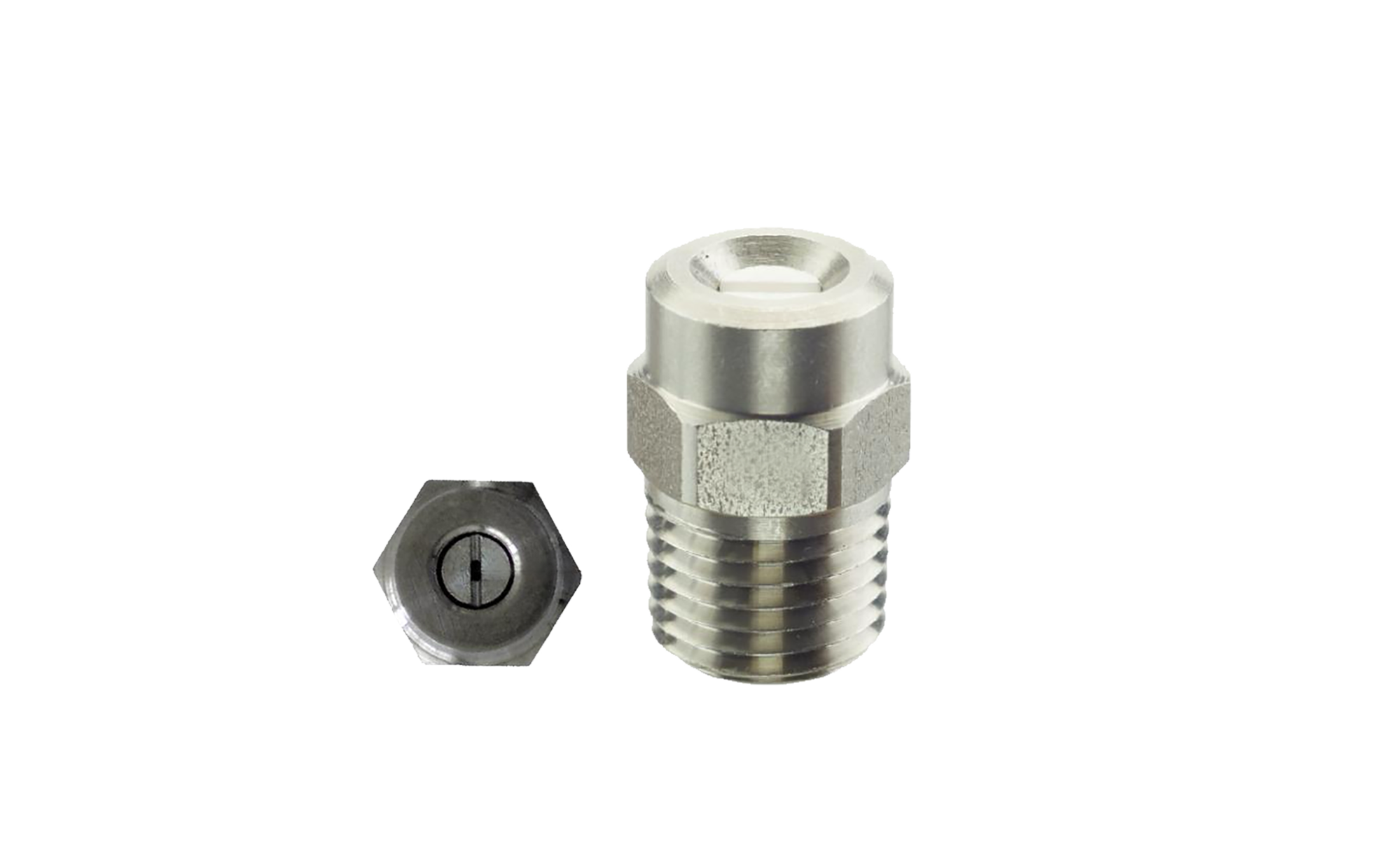
Неравномерное распыление может значительно снизить эффективность мойки высокого давления, что приводит к непостоянным результатам очистки. Эта проблема часто возникает из-за нескольких факторов, влияющих на работу сопла. Понимание этих причин поможет в устранении неполадок и поддержании оптимальной работы.
Выявление и устранение этих проблем имеет решающее значение для достижения равномерной очистки и максимальной эффективности мойки высокого давления. Регулярное техническое обслуживание и правильный выбор насадок являются основными мерами для предотвращения неравномерного распыления.
Потеря давления в мойке высокого давления может значительно повлиять на эффективность и результативность очистки. Этому способствуют различные факторы, включая размер сопла, засоры и длину шланга. Понимание этих факторов помогает диагностировать потерю давления и обеспечить максимальную производительность.
| Фактор | Влияние на потери давления |
|---|---|
| Размер сопла | Неправильный размер может ограничивать поток, снижая давление. |
| Сабо | Грязь или мусор могут препятствовать потоку воды, вызывая падение давления. |
| Длина шланга | Более длинные шланги могут создавать потери на трение, что приводит к снижению давления. |
| Связи | Ненадежные или поврежденные фитинги могут привести к протечкам, что еще больше снизит давление. |
Устранение этих проблем позволяет операторам поддерживать желаемый уровень давления, тем самым улучшая результаты очистки и продлевая срок службы оборудования. Кроме того, системы регулирования давления Они необходимы для обеспечения стабильной производительности и предотвращения проблем с работой, связанных с потерями давления.
Чрезмерная пульсация насоса часто представляет собой серьезную проблему для операторов аппаратов высокого давления, приводя к нестабильной эффективности очистки. Эта проблема может быть вызвана различными факторами, включая неправильный выбор форсунки, неисправность компонентов насоса или попадание воздуха в систему. Понимание этих факторов имеет важное значение для эффективного устранения неполадок.
Своевременное решение этих проблем может повысить общую эффективность и надежность мойки высокого давления, особенно с учетом того, что выбор давления Это имеет решающее значение для эффективной очистки на верфях.
Хотя к износу форсунок могут приводить многочисленные факторы, преждевременный износ форсунок является распространенной проблемой, с которой сталкиваются операторы моек высокого давления. Это явление часто возникает из-за длительного воздействия воды под высоким давлением и абразивных материалов, что приводит к эрозии внутренней поверхности форсунки. Кроме того, неправильный выбор типа форсунки для конкретных задач может усугубить износ, поскольку форсунки, предназначенные для работы под низким давлением, могут не выдерживать высокого давления. Использование несовместимых чистящих средств также может вызывать коррозию материалов форсунок, еще больше ускоряя износ. Признаками преждевременного износа являются снижение эффективности очистки и неравномерность распыления. Регулярный осмотр и техническое обслуживание форсунок, а также соблюдение технических характеристик производителя могут значительно снизить риск преждевременного износа, обеспечивая оптимальную производительность и долговечность оборудования.
Значительное число пользователей моек высокого давления сталкиваются с проблемами засорения форсунок, что может серьезно повлиять на качество очистки. Засорение форсунок может привести к снижению напора воды, неравномерному распределению давления и потенциальному повреждению мойки высокого давления. К распространенным причинам засорения форсунок относятся:
Регулярное техническое обслуживание, включая очистку и промывку форсунок, необходимо для предотвращения и устранения засоров, что обеспечивает максимальную производительность и долговечность мойки высокого давления.


 English
  Spanish
  French
  Russian
  Japanese
  Portuguese
  Arabic
  Korean