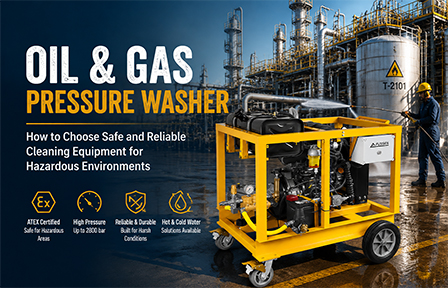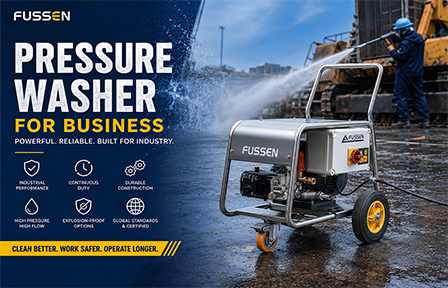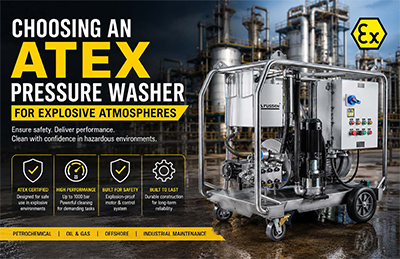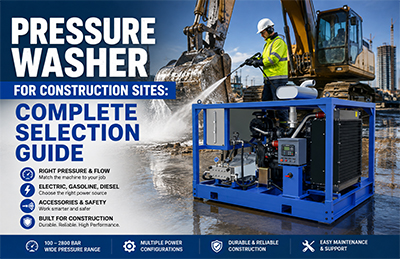
Насос сверхвысокого давления — это промышленный плунжерный насос Предназначен для создания высококонцентрированной струи воды, необходимой для сложных работ по очистке, подготовке поверхностей, удалению материалов, резке и демонтажу. В отличие от стандартного очистного оборудования, он разработан для применений, где грязь, коррозия, толстые покрытия, окалина, бетон или промышленные отложения не могут быть эффективно удалены с помощью обычной мойки под давлением.
В этих системах используется электродвигатель или дизельный двигатель для привода плунжерного насоса, который создает давление воды и подает ее через шланги высокого давления, пистолеты, насадки и форсунки. В зависимости от области применения, насос сверхвысокого давления может работать при давлении около 1000 бар, 1500 бар или до 2800 бар. Электрические системы сверхвысокого давления FRE и дизельные системы FKD компании Fussen разработаны для такого рода интенсивной промышленной работы.
| Тип оборудования | Типичное назначение | Подходящие приложения |
|---|---|---|
| Стандартная мойка высокого давления | Обычная очистка поверхностей | Транспортные средства, обслуживание территории, легкая техника, уборка фермы. |
| Промышленная мойка высокого давления | Тщательная уборка и техническое обслуживание | Производственные цеха, оборудование, очистка судов, очистка дорог, удаление ржавчины. |
| Система насосов сверхвысокого давления | Интенсивное удаление материала и специализированные работы с использованием гидроабразивной резки. | Гидроструйная очистка, удаление покрытий, демонтаж бетона, очистка резервуаров, подготовка поверхности, гидроабразивная резка. |
Главное различие заключается не только в максимальном допустимом давлении. Давление помогает разорвать связь между загрязнениями и поверхностью, такими как ржавчина, краска, окалина, жир, бетон или морские наросты. Однако скорость потока не менее важна, поскольку она смывает разрыхленный материал и определяет, насколько быстро можно очистить большую площадь.
Например, система с очень высоким давлением, но недостаточным расходом может удалять покрытие на узкой области, но медленно работать на большой поверхности. Правильно подобранный насос сверхвысокого давления сочетает в себе необходимое давление, расход, форсунку и метод работы для достижения как мощности удаления, так и производительности очистки.
Для промышленных покупателей правильный вопрос звучит не просто: “Каков максимально возможный уровень требований?”. А скорее так: Какое сочетание давления и расхода необходимо для данного материала, площади поверхности, условий работы и суточного времени эксплуатации проекта?
Промышленное водоструйное оборудование часто описывается рабочим давлением. бар или ПСИ. Один брусок равен приблизительно 14,5 PSI, Таким образом, насос с давлением 1000 бар создает давление около 14 500 PSI, а насос с давлением 2800 бар достигает приблизительно 40 000 PSI.
Не существует единого глобального порогового значения, которое бы использовали все производители для обозначения термина “сверхвысокое давление”. В практическом применении в промышленной очистке и гидроструйной обработке системы от разных производителей от 1000 бар и выше Обычно их относят к оборудованию сверхвысокого давления. Однако правильное давление зависит от удаляемого материала, состояния поверхности, требуемой скорости очистки и риска повреждения основания.
| Диапазон давления | Приблизительное давление в PSI | Типичное использование |
|---|---|---|
| 500–800 бар | 7250–11600 PSI | Тяжелая промышленная очистка, удаление толстых отложений, подготовка к нанесению покрытий, очистка оборудования. |
| 1000 бар | 14 500 PSI | Удаление ржавчины, очистка резервуаров, подготовка поверхности, промышленное техническое обслуживание. |
| 1400–1500 бар | 20 300–21 755 PSI | Гидроструйная очистка, удаление более стойких покрытий, техническое обслуживание морских судов, тяжелая промышленная очистка. |
| 2000–2800 бар | 29 000–40 000 PSI | Сверхвысокотемпературная очистка, удаление бетона, специализированные работы с использованием гидроструйной техники, удаление сложных материалов. |
Более высокое номинальное давление не означает автоматически лучшее решение. Например, насос с давлением 2800 бар может подойти для специализированного удаления бетона или трудноудаляемых покрытий, но может быть избыточным для обычной очистки резервуаров или удаления ржавчины. Использование давления, превышающего необходимое, может увеличить потребление энергии, ускорить износ форсунок и шлангов и создать больший риск повреждения поверхности.
Поэтому покупателям следует оценивать давление совместно с скорость потока. Давление обеспечивает необходимую силу удара для разрыва связи между поверхностью и нежелательным материалом. Расход воды определяет, сколько воды доступно для смывания разрыхленных загрязнений и как быстро оператор может обработать большую площадь.
Компания Fussen поставляет системы сверхвысокого давления. от 1000 до 2800 бар. The электрический Серия FRE Включает модели FRE 120/100, FRE 90/140, FRE 50/150 и FRE 45/280, а также дизельный Серия ФКД Предлагает соответствующие варианты для мобильных и удаленных рабочих площадок. Это дает промышленным пользователям возможность гибко выбирать подходящее давление и источник мощности для очистки судов, гидроструйной обработки, промышленного обслуживания, подготовки поверхностей, удаления бетона и других специализированных работ с использованием водоструйной техники.


Насосы сверхвысокого давления используются там, где обычное очистное оборудование не может эффективно удалять сильные загрязнения, толстые покрытия, коррозию, накипь, бетон или промышленные отходы. Их ценность заключается не только в высоком давлении; это способность подавать контролируемую струю воды для выполнения сложных задач по техническому обслуживанию, подготовке поверхностей и удалению материалов.
Для покупателей выбор подходящей системы зависит от строительной площадки, удаляемого материала, размера рабочей зоны, наличия электропитания, источника воды, времени работы и требований безопасности.
Судостроительные верфи, порты, компании, предоставляющие услуги на морских платформах, и подрядчики по техническому обслуживанию морских сооружений используют насосы сверхвысокого давления для очистки корпусов, удаления ржавчины, подготовки покрытий и очистки крупных морских конструкций.
Типичные области применения включают:
Нефтеперерабатывающие заводы, нефтехимические предприятия, химические предприятия, а также подрядчики по обслуживанию нефтегазовой отрасли часто нуждаются в высокоэффективных системах гидроструйной очистки для проведения планового технического обслуживания и выполнения сложных задач по очистке.
Насосы сверхвысокого давления могут использоваться для:
Эти проекты часто включают строгие правила техники безопасности, ограниченные зоны доступа, требования к непрерывной работе и крайне сложные условия очистки. Покупателям, возможно, потребуется учитывать не только давление и расход, но и длину шланга, тип насадки, фильтрацию, водоснабжение, возможности дистанционного управления, а также наличие или отсутствие необходимости в дополнительных услугах. взрывозащищенное оборудование необходимо для рабочей зоны.
Подрядчики по промышленной очистке являются одной из важнейших групп пользователей насосов сверхвысокого давления, поскольку они работают на нескольких объектах и должны решать различные задачи по очистке.
Типичные виды работ включают в себя:
Для подрядчиков гибкость особенно важна. Им может потребоваться мобильная дизельная система Для работ на открытом воздухе или в отдаленных районах может быть полезна электрическая система со стабильным водоснабжением и возможностью непрерывной работы, в то время как для более крупных стационарных проектов может быть выгодно использовать систему электроснабжения со стабильным водоснабжением и конфигурацией для непрерывной работы.
Сверхвысоконапорная гидроструйная очистка широко применяется в строительстве, ремонте мостов, ремонте бетона и восстановлении инфраструктуры.
К распространенным областям применения относятся:
В отличие от механических методов демонтажа, гидроструйная очистка позволяет удалять разрушенный бетон, сохраняя при этом целостность бетона и арматурной стали, при условии правильного выбора давления, расхода и конфигурации сопла. Для таких работ часто требуются высокопроизводительные системы, прочные шланги, специальные насадки и строгие правила техники безопасности для оператора.
Операторы железных дорог, подрядчики по техническому обслуживанию, компании по обслуживанию подвижного состава и транспортные власти используют насосы сверхвысокого давления для очистки оборудования и поддержания инфраструктуры в рабочем состоянии.
В число возможных вариантов применения могут входить:
Для крупномасштабной уборки автопарка или складов, электрические системы Может быть предпочтительнее там, где есть электропитание. дизельные системы Они больше подходят для мобильных ремонтных бригад, работающих вдоль железнодорожных путей, в удаленных депо или на инфраструктурных проектах.
Муниципальные санитарные службы, подрядчики коммунальных работ и городские ремонтные бригады используют оборудование для очистки поверхностей с помощью струй воды высокого давления для поддержания общественной инфраструктуры в надлежащем состоянии и повышения эффективности уборки.
Типичные области применения включают:
Для муниципальных проектов мобильность, простота эксплуатации, вместимость резервуара для воды и надежная работа в течение длительного времени зачастую так же важны, как и максимальное давление.
Металлургические заводы, цементные заводы, энергетические предприятия, автомобильные заводы, литейные цеха и другие предприятия тяжелой промышленности используют насосы сверхвысокого давления для технического обслуживания, очистки и обеспечения бесперебойной работы производства.
Типичные области применения включают:
Для таких предприятий часто требуется надежное оборудование, способное многократно работать в пыльных, жарких, влажных или агрессивных средах. Покупатели могут отдавать приоритет долговечным плунжерным насосам, высококачественным уплотнениям, стабильному водоснабжению, защите от низкого уровня воды, легкому доступу для технического обслуживания и совместимости со специализированными принадлежностями.
В этих отраслях компания Fussen может обеспечивать работу электромобилей в различных условиях. Серия FRE системы сверхвысокого давления для стационарных промышленных объектов и дизельных двигателей. Серия ФКД Системы для мобильного, наружного и удаленного применения. Окончательная конфигурация должна быть выбрана в соответствии с задачей очистки, требуемым давлением и расходом, источником питания, условиями окружающей среды и требованиями безопасности.
Сверхвысоконапорный плунжерный насос преобразует механическую энергию электродвигателя или дизельного двигателя в управляемую, высокоэнергетическую струю воды. Хотя система может выглядеть сложной, принцип ее работы прост: вода подается, находится под давлением плунжеров, контролируется предохранительными элементами и подается к очищающему или режущему инструменту.
Процесс начинается с надежного источника воды. Вода может поступать непосредственно из водопровода, бортового резервуара или отдельной системы хранения воды. Перед попаданием в насос она проходит через высокоточные фильтры, которые удаляют частицы и примеси.
Чистая вода крайне важна, поскольку абразивные частицы могут повредить поршни, уплотнения, клапаны и форсунки. Для более крупных или работающих непрерывно систем для поддержания стабильного водоснабжения и предотвращения работы всухую могут также использоваться насос-усилитель и поплавковый клапан.
Электродвигатель или дизельный двигатель обеспечивают энергию, необходимую для работы насоса. Эта энергия передается через муфту, редуктор или коленчатый вал к плунжерному узлу.
Системы с электрическим приводом обычно выбирают для стационарных промышленных объектов со стабильным электроснабжением, таких как заводы, верфи и ремонтные мастерские. Системы с дизельным приводом лучше подходят для удаленных объектов, портов, строительных площадок и мобильных работ по промышленной очистке, где может отсутствовать электроснабжение.
Внутри насоса коленчатый вал перемещает плунжеры вперед и назад. Во время такта всасывания вода поступает в камеру насоса через впускные клапаны. Во время такта сжатия плунжеры проталкивают воду через выпускные клапаны под чрезвычайно высоким давлением.
Материал поршня имеет решающее значение, поскольку он работает в условиях постоянного трения, давления и воздействия воды.
Компания Fussen использует различные материалы для поршней в зависимости от условий эксплуатации:
После создания давления воды несколько компонентов помогают поддерживать систему в стабильном и безопасном состоянии.
К ним могут относиться:
Эти компоненты важны, поскольку для сверхвысоконапорной гидроструйной очистки требуется стабильная производительность. Внезапные колебания давления, недостаточный запас воды, засорение форсунок или износ уплотнений могут повлиять на эффективность очистки и увеличить износ оборудования.
Под давлением вода по шлангу высокого давления поступает к рабочему инструменту. В зависимости от задачи операторы могут использовать пистолет высокого давления, пистолет-распылитель, гибкую насадку, вращающуюся насадку, веерообразную насадку или насадку для очистки труб.
Насадка преобразует воду под давлением в сфокусированную струю. Узкая струя может использоваться для концентрированного удаления ржавчины, покрытий или затвердевших отложений, в то время как вращающиеся или веерообразные насадки позволяют более эффективно обрабатывать большие площади.
Конечный результат очистки зависит от всей системы в целом, а не только от насоса. Давление, расход, размер форсунки, угол распыления, длина шланга, качество воды и техника работы оператора — все это влияет на эффективность.
Для сложных условий эксплуатации компания Fussen также может предложить индивидуальные решения по уплотнению с улучшенной коррозионной стойкостью или термостойкостью. Это помогает клиентам создавать системы насосов сверхвысокого давления для морской, нефтехимической, тяжелой промышленности и других сложных промышленных применений.
Выбор насоса сверхвысокого давления следует начинать с определения характера работы, а не с выбора максимально доступного номинального давления. Слишком малая система может оказаться неэффективной в плане удаления необходимого материала, в то время как система слишком большой мощности может увеличить капитальные затраты, энергопотребление, требования к техническому обслуживанию и риск повреждения поверхности.
Правильная конфигурация обеспечивает баланс между давлением, расходом, источником питания, рабочим циклом, водоснабжением, мобильностью, дополнительным оборудованием и требованиями безопасности на объекте.
| Фактор отбора | Что следует учесть | Почему это важно |
|---|---|---|
| Требуемое давление | Определите, какой материал необходимо удалить: ржавчину, окалину, покрытие, морские обрастания, бетон или затвердевшие технологические отложения. | Давление обеспечивает ударную нагрузку, необходимую для разрыва связи между нежелательным материалом и поверхностью. |
| Скорость потока | Учитывайте площадь, которую необходимо очистить, требуемое время выполнения работ и количество мусора, который необходимо вывезти. | Скорость потока воды уносит разрыхленный материал и оказывает существенное влияние на эффективность очистки. |
| источник питания | Для стационарных объектов с постоянным электроснабжением выбирайте электроэнергию, а для удаленных объектов, мобильных объектов, портов и строительных работ — дизельное топливо. | Источник питания влияет на мобильность, условия эксплуатации, требования к установке и ежедневные эксплуатационные расходы. |
| Рабочий цикл | Укажите, будет ли насос использоваться периодически, во время плановых остановок или в течение длительных непрерывных смен. | Для работы в непрерывном режиме требуются более надежные компоненты насосов, системы охлаждения, водоснабжения и планирования технического обслуживания. |
| Качество и водоснабжение воды | Проверьте наличие воды, давление на входе, требования к фильтрации, вместимость резервуара и необходимость в дополнительном насосе. | Плохое качество воды или нестабильная подача могут повредить уплотнения, клапаны, плунжеры и форсунки, а работа всухую может серьезно повредить насос. |
| Операционная среда | Следует учитывать воздействие соленой воды, влажности, пыли, тепла, коррозионных остатков, замкнутых пространств и опасных зон. | Конструкция корпуса, материалы насоса, уплотнения, защита двигателя и система безопасности должны соответствовать условиям окружающей среды. |
| Мобильность и установка | Определите, следует ли устанавливать систему на тележке, на салазках, на прицепе, в контейнере или стационарно. | Правильная планировка улучшает доступ, эффективность транспортировки, безопасность операторов и производительность на строительной площадке. |
| Аксессуары | Выберите подходящие шланги, пистолеты, насадки, форсунки, катушки для шлангов, обратные клапаны и фильтрующее оборудование. | Насос не сможет работать на полную мощность, если комплектующие имеют неправильную номинальное давление или не подходят для данного применения. |
| Требования безопасности | Ознакомьтесь с предохранительными устройствами, клапанами безопасности, разрывными мембранами, аварийным остановом, защитой шлангов, средствами индивидуальной защиты и обучением операторов. | Для проведения работ с использованием струйной воды сверхвысокого давления необходима комплексная система безопасности, а не только насос высокого давления. |
| Техническое обслуживание и ремонт | Проверьте наличие запасных частей, доступ для замены уплотнений, техническое обслуживание фильтров, требования к смазке и техническую поддержку. | Система, поддающаяся техническому обслуживанию, сокращает время простоя и помогает снизить долгосрочные эксплуатационные расходы. |
Первый вопрос: Что необходимо удалить, а какая поверхность должна остаться после очистки?
Например, удаление рыхлой ржавчины со стальной конструкции требует иного подхода, чем снятие толстых морских покрытий, очистка отложений на нефтеперерабатывающих заводах или выборочное удаление поврежденного бетона. Оператор также должен учитывать, из какого материала изготовлена поверхность: сталь, бетон, композитный материал, камень или другой чувствительный материал.
Подходящая система должна обеспечивать достаточную энергию струи воды для эффективного выполнения задачи без излишнего повреждения основания.
Давление и расход всегда следует оценивать в паре.
Система высокого давления и низкого расхода может быть эффективна для точного удаления загрязнений в узкой зоне. Система с более высоким расходом может быть более производительной для крупномасштабной очистки судов, резервуаров или подготовки промышленных поверхностей. Оптимальный выбор зависит как от сложности удаления загрязнений, так и от целевых показателей производительности проекта.
Электрические насосы сверхвысокого давления Как правило, они подходят для заводов, верфей, мастерских и стационарных промышленных очистных сооружений с надежным электроснабжением. Fussen's Серия FRE Предназначен для высокопроизводительных электрических установок сверхвысокого давления, с моделями, рассчитанными на давление от 1000 до 2800 бар.
Дизельные насосы сверхвысокого давления Они часто лучше подходят для строительных площадок, удаленных инфраструктурных проектов, портов, работ по техническому обслуживанию на открытом воздухе и мобильных клининговых компаний. Fussen's Серия ФКД Обеспечивает сопоставимые возможности работы при сверхвысоком давлении в условиях отсутствия стационарного электроснабжения или при приоритете мобильности.
К насосу, используемому для периодического технического обслуживания, предъявляются иные требования, чем к насосу, работающему во время остановки нефтеперерабатывающего завода, выполнения работ на верфи или непрерывной промышленной очистки.
Для условий эксплуатации с высокими требованиями покупателям следует указывать следующее:
Для морских и нефтехимических проектов могут потребоваться коррозионностойкие материалы и специально разработанные уплотнения. Для строительных и удаленных сервисных проектов могут потребоваться дизельный двигатель, большой резервуар для воды, насос-усилитель, катушка для шланга и прочная мобильная рама.
Насос сверхвысокого давления — это лишь одна часть полной системы гидроструйной очистки. Окончательная конфигурация должна включать в себя принадлежности, рассчитанные на выбранное давление и расход.
Типичные требования включают в себя:
Для работ со сверхвысоким давлением обеспечение безопасности и обучение операторов должны быть включены в план проекта с самого начала. Правильная прокладка шлангов, выбор форсунок, зоны отчуждения, средства индивидуальной защиты, процедуры аварийного отключения и плановые проверки имеют важное значение для безопасной эксплуатации.
Для получения точной рекомендации покупателям необходимо предоставить следующую информацию:
Имея эту информацию, компания Fussen может порекомендовать подходящую электрическую систему сверхвысокого давления FRE или дизельную систему FKD и сконфигурировать насос, систему водоснабжения, шланг, пистолет, насадку и компоненты безопасности в соответствии с фактическими требованиями задачи.
Выбор между электрическим и дизельным насосом сверхвысокого давления обычно определяется условиями работы, а не только производительностью очистки. Оба типа насосов могут обеспечить давление и расход, необходимые для сложных работ по гидроструйной очистке, но они различаются по мощности, мобильности, уровню выбросов, требованиям к установке и гибкости эксплуатации.
Компания Fussen предлагает оба варианта в своем диапазоне сверхвысокого давления: Серия FRE для работы от электропривода и Серия ФКД для работы на дизельном топливе. Обе серии включают модели приблизительно следующих годов выпуска. от 1000 до 2800 бар, Это позволяет покупателям выбирать наиболее подходящий источник питания без ущерба для возможностей, необходимых для промышленной очистки, подготовки поверхностей, гидроструйной обработки или специализированных работ с использованием водоструйной струи.
| Фактор | Электрический насос сверхвысокого давления | Дизельный насос сверхвысокого давления |
|---|---|---|
| Оптимальные условия работы | Заводы, верфи, мастерские, стационарные станции очистки. | Строительные площадки, порты, удаленные проекты, работы по техническому обслуживанию на открытом воздухе. |
| источник питания | Стационарное электроснабжение | Интегрированный дизельный двигатель |
| Мобильность | Лучше подходит для стационарных или полустационарных установок. | Лучше подходит для мобильной и выездной работы. |
| Местные выбросы | Отсутствие выхлопных газов двигателя в месте использования | Производит выхлопные газы двигателя и требует вентиляции. |
| Использование в помещении | Более подходит для закрытых или внутренних рабочих помещений. | Обычно больше подходит для использования на открытом воздухе или в хорошо проветриваемых помещениях. |
| Уровень шума | Как правило, они ниже и проще в управлении. | Как правило, более высокое значение обусловлено работой двигателя. |
| Установка | Требуется соответствующее напряжение, частота и электрическая мощность. | Требуется подача топлива, вентиляция и техническое обслуживание двигателя. |
| Типичные пользователи | Заводы, верфи, нефтеперерабатывающие заводы, бригады по техническому обслуживанию промышленного оборудования. | Подрядчики, бригады по развитию инфраструктуры, мобильные службы уборки, порты |
| серия Fussen | Серия FRE | Серия ФКД |
Электрические насосы сверхвысокого давления лучше всего подходят для объектов с надежной электросетью и необходимостью регулярной очистки или технического обслуживания. Они широко используются на заводах, верфях, в мастерских, на промышленных станциях очистки и в стационарных ремонтных мастерских.
К основным преимуществам электрической системы относятся:
Он Серия FRE Это практичное решение для промышленных пользователей, которым требуется сверхвысокое давление в рамках существующего предприятия. Его можно сконфигурировать для таких задач, как удаление ржавчины, очистка резервуаров, подготовка поверхностей, техническое обслуживание морских судов, очистка тяжелого оборудования и специализированная промышленная очистка.
Электрические системы особенно подходят в тех случаях, когда оборудование будет оставаться на одном месте или перемещаться только в пределах определенного объекта. Перед выбором модели покупателям следует уточнить местное напряжение, частоту, доступную электрическую мощность, длину кабеля и требования к защите.

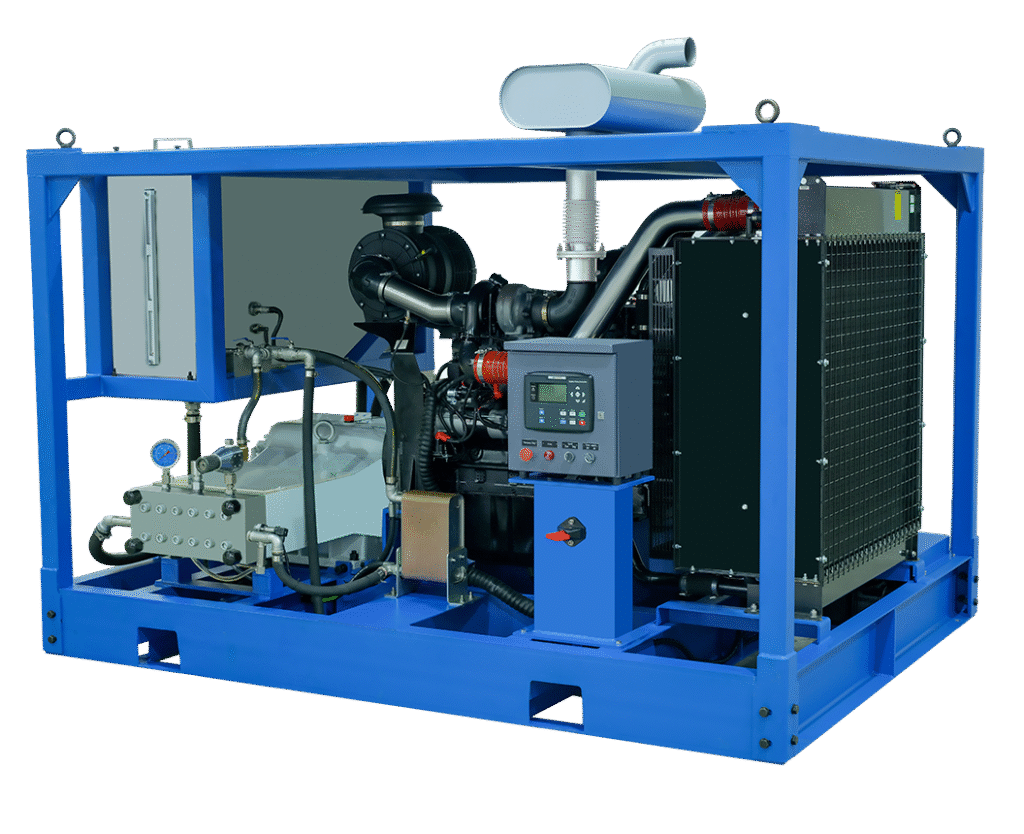
Дизельные насосы сверхвысокого давления предназначены для проектов, где стационарное электроснабжение недоступно, ненадежно или нецелесообразно. Они широко используются подрядчиками по промышленной очистке, строительными компаниями, портовыми ремонтными бригадами, муниципальными службами и поставщиками услуг в сфере инфраструктуры.
К основным преимуществам дизельной системы относятся:
Он Серия ФКД Подходит для таких применений, как гидроструйная очистка, подготовка бетонных поверхностей, ремонт дорог и мостов, работы на верфях, дистанционная очистка резервуаров и мобильная промышленная очистка.
Поскольку дизельные системы производят выхлопные газы и шум двигателя, они, как правило, лучше подходят для использования на открытом воздухе или в хорошо проветриваемых помещениях. При планировании установки дизельной системы покупателям также следует учитывать доступность топлива, плановое техническое обслуживание двигателя, местные нормы выбросов и требования к транспортировке.
Выберите электрическая система серии FRE когда:
Выберите дизельная система серии FKD когда:
Во многих случаях требования к давлению могут быть одинаковыми для обоих вариантов. Решение зависит от того, как и где будет работать оборудование. Предлагая как электрические системы сверхвысокого давления FRE, так и дизельные системы FKD, компания Fussen может помочь покупателям подобрать источник питания, уровень давления, расход и конфигурацию системы в соответствии с реальными условиями проекта.
Насос сверхвысокого давления — это лишь одна часть полной системы гидроструйной очистки. Подключенные к насосу принадлежности определяют, насколько безопасно, эффективно и точно можно использовать водяную струю на объекте.
Правильно подобранные шланг, пистолет, насадка, система водоснабжения и предохранительный элемент помогают насосу поддерживать стабильную работу. Напротив, шланг недостаточного диаметра, неправильная насадка, плохая фильтрация или недостаточный запас воды могут снизить эффективность очистки, вызвать колебания давления и сократить срок службы важных компонентов насоса.
| Аксессуар | Основная функция | Критерии отбора |
|---|---|---|
| Шланги высокого давления | Подавать воду под давлением от насоса к рабочему инструменту. | Должно быть рассчитано на давление, превышающее максимальное рабочее давление системы, и соответствовать требуемому расходу, температуре, радиусу изгиба и условиям эксплуатации. |
| Свалка оружие | Безопасный сброс потока воды происходит при отпускании курка или во время перемещения оператора. | Должно соответствовать номинальному давлению и расходу; это важно для безопасности оператора и защиты насоса. |
| Вентилятор форсунки | Создайте плоскую траекторию распыления для более широкого охвата поверхности. | Подходит для очистки поверхностей, подготовки покрытий и работы на больших площадях; угол распыления влияет на силу удара и ширину покрытия. |
| Вращающийся форсунки | Создайте вращающуюся струю воды для более эффективной очистки большей площади. | Подходит для удаления ржавчины, окалины, покрытий и трудноудаляемых отложений; выбор средства зависит от давления, расхода и чувствительности поверхности. |
| Очистка труб форсунки | Направляйте струи воды вперед и назад внутрь труб, трубопроводов и водостоков. | Используется для очистки трубопроводов, теплообменников, дренажных систем и внутренних поверхностей; размер сопла и форма струи должны соответствовать диаметру трубы и типу засора. |
| Гибкие копья | Обеспечьте доступ в ограниченные, изогнутые, возвышенные или труднодоступные места. | Подходит для резервуаров, судов, шасси, морских сооружений и сложных конфигураций оборудования. |
| Катушки для шлангов | Эффективное хранение, защита и использование шлангов высокого давления. | Улучшение работы с шлангами, снижение повреждений и ускорение монтажа на крупных объектах или мобильных системах. |
| Ночные клапаны | Предоставьте оператору возможность дистанционно регулировать поток воды с помощью ноги. | Полезно для некоторых видов стационарной очистки, очистки резервуаров и специализированных работ по гидроструйной очистке, где руки должны оставаться на насадке или обрабатываемой детали. |
| Бустерные насосы | Обеспечивать стабильную подачу воды к насосу сверхвысокого давления. | Важно, когда источник воды имеет низкое давление, длинные входные трубопроводы или нестабильный поток; помогает предотвратить кавитацию и работу всухую. |
| Резервуары для воды и системы фильтрации | Перед поступлением в насос воду необходимо хранить и очищать. | Незаменимы для удаленных объектов, мобильных систем и мест с плохим качеством воды; фильтрация защищает поршни, уплотнения, клапаны и форсунки. |
Шланги высокого давления необходимо выбирать в соответствии с максимальным рабочим давлением насоса, расходом, рабочей температурой и условиями эксплуатации. Для систем сверхвысокого давления каждый шланг, фитинг, муфта и защитный кожух должны быть рассчитаны на полный диапазон рабочих условий, а не только на нормальное рабочее давление.
Покупателям также следует учитывать следующее:
Слишком длинный, слишком узкий, поврежденный или неправильно рассчитанный по параметрам шланг может привести к потере давления, ограничению потока и повышению риска для безопасности.
Спускной пистолет является важным элементом безопасности и управления при гидроструйной очистке сверхвысоким давлением. Он позволяет оператору безопасно отводить воду от рабочей поверхности или сбрасывать давление при изменении положения.
Для промышленного применения выбор разгрузочного пистолета следует производить, исходя из следующих факторов:
Для выполнения специализированных работ компания Fussen также может оснастить системы обратными клапанами, гибкими насадками и другими принадлежностями для управления оператором, что улучшит удобство работы и сократит ненужные простои.
Насадка определяет, как струя воды контактирует с поверхностью. Даже при использовании одного и того же насоса замена насадки может существенно повлиять на силу удара, ширину очистки, удаление мусора и риск повреждения поверхности.
Форсунки вентилятора Они подходят для масштабной, контролируемой очистки больших поверхностей. Обычно их используют для подготовки поверхностей, общей промышленной очистки и удаления покрытий, где требуется более широкий охват.
Вращающиеся форсунки Они сочетают концентрированное воздействие с круговым покрытием. Их часто используют для удаления сильной ржавчины, окалины, затвердевших отложений и трудноудаляемых покрытий.
Насадки для очистки труб Они предназначены для внутренней очистки. Направленные назад форсунки помогают протягивать сопло через трубу, а направленные вперед форсунки помогают разрушать отложения или засоры. Они широко используются для очистки трубопроводов, дренажных систем, трубок, емкостей и теплообменников.
Размер отверстия сопла должен соответствовать давлению и расходу насоса. Неправильно подобранное сопло может привести к нестабильному давлению, низкой эффективности очистки, чрезмерному износу или излишней нагрузке на насос.
Сверхвысоконапорные насосы зависят от стабильного и чистого водоснабжения. Недостаток воды, загрязненная вода или недостаточный поток на входе могут вызвать кавитацию, повреждение уплотнений, износ клапанов, колебания давления и преждевременный выход насоса из строя.
Полная система водоснабжения может включать в себя:
Для верфей, строительных площадок, муниципальных проектов и удаленных промышленных объектов правильно подобранный резервуар для воды и повышающий насос могут быть столь же важны, как и сам насос сверхвысокого давления.
Оптимальный комплект принадлежностей зависит от конкретной задачи. Судостроительному заводу могут потребоваться длинные износостойкие шланги, вращающиеся насадки, гибкие сопла и коррозионностойкие фитинги. Подрядчику нефтеперерабатывающего завода могут понадобиться насадки для очистки труб, специальные шланги, фильтры и средства контроля, обеспечивающие безопасность. Строительному подрядчику может потребоваться система с дизельным двигателем, включающая резервуар для воды, насос-усилитель, катушку для шланга и мобильную раму.
При выборе системы сверхвысокого давления покупатели должны указать требуемое давление, расход, область применения, длину шланга, источник воды, условия эксплуатации и предпочтительные комплектующие. Компания Fussen может затем сконфигурировать полную систему, включающую насос, шланги, пистолеты, форсунки, оборудование для водоснабжения и компоненты безопасности, необходимые для надежной работы в промышленных условиях.
Сверхвысоконапорная гидроструйная очистка должна рассматриваться как специализированный промышленный процесс, а не как усовершенствованная версия обычной мойки под давлением. При давлении от 1000 бар и выше струя воды может удалять покрытия, ржавчину, окалину и бетон, но она также может привести к серьезным травмам, повреждению оборудования или созданию неконтролируемых опасностей, если система неправильно настроена или эксплуатируется.
Для промышленных покупателей вопросы безопасности должны учитываться при выборе системы, планировании проекта, обучении операторов и повседневной эксплуатации.
Операторы должны понимать не только как запускать и останавливать насос. Им необходима подготовка по конкретной задаче гидроструйной очистки, включая обращение с соплом, безопасное рабочее расстояние, перемещение шланга, аварийное отключение, сброс давления и риски, связанные с удаляемым материалом.
Обучение должно включать в себя:
Для подрядных бригад непрерывная подготовка особенно важна, когда операторы перемещаются между верфями, нефтеперерабатывающими заводами, строительными площадками и промышленными предприятиями.
Средства индивидуальной защиты должны соответствовать уровню давления, типу выполняемой работы по гидроструйной очистке и условиям на объекте. В зависимости от области применения это может включать защитную одежду, перчатки, сапоги, средства защиты глаз и лица, средства защиты слуха, а также специальное защитное снаряжение для гидроструйной очистки.
Рабочая зона также должна контролироваться. Создание зон отчуждения помогает предотвратить попадание других лиц в зону обстрела, их нахождение вблизи шлангов под давлением, а также воздействие мусора, брызг, шума и скользких поверхностей.
При грамотном планировании рабочей зоны следует учитывать следующее:
Каждый компонент трубопровода высокого давления должен быть рассчитан на максимальное рабочее давление и расход системы. Это включает в себя шланги, соединительные муфты, пистолеты, насадки, форсунки, фитинги и предохранительные устройства.
Перед началом каждой смены операторы должны проверять следующее:
Компонент, который кажется исправным при низком давлении, может выйти из строя при сверхвысоком давлении. Поврежденные шланги или фитинги следует выводить из эксплуатации, а не ремонтировать в неофициальных условиях на месте.
Системы сверхвысокого давления должны включать в себя правильно сконфигурированные устройства регулирования давления и защиты. К ним могут относиться регулирующие клапаны давления, предохранительные клапаны, разрывные мембраны, манометры, устройства аварийного останова и системы защиты от низкого уровня воды.
Эти компоненты помогают защитить насос и оператора в случае засорения форсунки, внезапного повышения давления, перебоев в подаче воды или неисправности системы.
Система ни в коем случае не должна работать при давлении, превышающем номинальное давление компонента с наименьшим номинальным давлением. Например, насос может быть способен работать при давлении 2800 бар, но если шланг, пистолет или сопло рассчитаны на давление ниже этого уровня, вся система должна работать при более низком номинальном давлении.
Перед заменой форсунки, отсоединением шланга, обслуживанием насоса или осмотром внутренних компонентов систему необходимо полностью отключить, изолировать от источника питания и сбросить давление.
Для электрических систем это означает отключение электропитания. Для дизельных систем это означает остановку двигателя и предотвращение случайного повторного запуска. Перед началом технического обслуживания оператор должен убедиться, что давление в шланге и пистолете сброшено.
Процедуры блокировки и сброса давления особенно важны при работе нескольких человек, когда один человек может обслуживать оборудование, а другой — управлять системой или подготавливать её к работе.
Сверхвысоконапорные насосы зависят от стабильного водоснабжения. Работа без достаточного количества воды на входе может быстро повредить уплотнения, плунжеры, клапаны и другие внутренние компоненты.
Для снижения этого риска система должна включать в себя соответствующую фильтрацию, стабильный поток на входе, контроль уровня воды, поплавковые клапаны, повышающие насосы там, где это необходимо, и защиту от низкого уровня воды. Операторы также должны убедиться в чистоте фильтров и в том, что источник воды может обеспечить достаточный поток, прежде чем запускать насос.
Правильно настроенная система водоснабжения повышает как безопасность, так и срок службы оборудования.
Наиболее безопасная система сверхвысокого давления — это та, которая разработана с учетом реальных условий работы. Это включает в себя правильное давление и расход, шланги и принадлежности соответствующей грузоподъемности, подходящие средства управления, стабильное водоснабжение, квалифицированных операторов и плановое техническое обслуживание.
Для клиентов Fussen спецификация системы должна основываться на области применения, условиях эксплуатации, источнике питания, длине шланга, типе сопла, времени работы и требованиях безопасности, а не только на максимальном номинальном давлении.
Насосы сверхвысокого давления работают в условиях высоких механических нагрузок, высокого давления воды и постоянного износа. Плановое техническое обслуживание помогает поддерживать стабильную работу, сокращать время незапланированных простоев и защищать основные компоненты, такие как плунжеры, уплотнения, клапаны, шланги и форсунки.
Цель состоит не просто в ремонте оборудования после поломки. Важно выявлять мелкие неполадки до того, как они приведут к дорогостоящим простоям.
Фильтрация воды — один из важнейших этапов технического обслуживания. Грязь, песок, частицы ржавчины и другие загрязнения могут повредить поршни, уплотнения, впускные и выпускные клапаны, а также форсунки.
Перед запуском системы операторам следует проверить следующее:
Фильтры следует чистить или заменять в зависимости от условий эксплуатации и качества воды. На объектах, использующих резервуары, речную воду, очищенную воду или временные источники водоснабжения, может потребоваться более частый осмотр.
Даже высококачественный насос сверхвысокого давления может преждевременно изнашиваться, если водоснабжение нестабильно или загрязнено. Источник воды должен обеспечивать достаточный поток на входе для выбранной модели насоса, при необходимости следует использовать повышающий насос или систему с резервуаром.
Операторам следует отслеживать признаки нехватки воды, такие как:
Стабильное водоснабжение помогает предотвратить кавитацию, которая может повредить внутренние компоненты насоса и снизить его производительность.
Уплотнения, шланги, фитинги и форсунки являются изнашивающимися компонентами. Их следует осматривать перед началом эксплуатации и контролировать в течение длительных проектов.
Искать:
Своевременная замена изношенной форсунки зачастую обходится дешевле, чем продолжение работы с пониженной эффективностью очистки, нестабильным давлением или излишней нагрузкой на насос.
Стабильное давление является ключевым показателем исправности насоса. Внезапные или повторяющиеся колебания давления могут указывать на следующее:
Операторам следует незамедлительно расследовать необычные изменения давления, а не повышать его для компенсации.
Картер, подшипники, коленчатый вал и плунжерный узел требуют регулярного осмотра в соответствии с графиком технического обслуживания, установленным производителем.
Типичные проверки включают в себя:
В системах Fussen могут использоваться керамические поршни для повышения износостойкости и коррозионной стойкости или поршни из легированной стали для работы в условиях высоких нагрузок. Независимо от материала, поршни следует содержать в чистоте и проверять на наличие повреждений, царапин или аномального износа.
Износ сопла часто недооценивают, но он напрямую влияет на давление, характер потока и эффективность очистки. По мере износа отверстия сопла струя может стать менее концентрированной, давление может упасть, а насос может работать менее эффективно.
Замените форсунки, если операторы обнаружат следующее:
Использование форсунки правильного размера также помогает предотвратить чрезмерную нагрузку на насос и гарантирует, что система работает в пределах заданного диапазона давления и расхода.
Если оборудование будет храниться или эксплуатироваться при минусовых температурах, вода, оставшаяся внутри насоса, шлангов, фитингов и принадлежностей, может замерзнуть и причинить серьезный ущерб.
Для хранения или транспортировки в условиях низких температур:
Это особенно важно для мобильных дизельных систем, используемых в наружных строительных работах, муниципальных, железнодорожных или инфраструктурных проектах.
Для промышленного оборудования непрерывного действия техническое обслуживание следует планировать с учетом количества часов работы, интенсивности применения, качества воды и условий на объекте.
В практическое расписание могут входить:
| Частота | Типичные задачи по техническому обслуживанию |
|---|---|
| Перед каждой сменой | Проверьте фильтры, водоснабжение, шланги, фитинги, форсунки, уровень масла и наличие видимых утечек. |
| Во время работы | Контроль давления, расхода, вибрации, шума, водоснабжения и температуры. |
| Еженедельно | Проверьте уплотнения, муфты, состояние шлангов, износ форсунок и предохранительные устройства. |
| Ежемесячно или в зависимости от часов работы. | Проверьте смазку, клапаны, плунжеры, регуляторы давления, а также электрические или дизельные компоненты двигателя. |
| Перед длительным хранением | Слейте воду, очистите фильтры, осмотрите изнашиваемые детали, защитите от замерзания и храните в безопасном месте. |
Для таких сложных работ, как гидроструйная очистка, техническое обслуживание судов, остановки нефтеперерабатывающих заводов и непрерывная промышленная очистка, интервал технического обслуживания может быть сокращен. Документированный план технического обслуживания помогает операторам отслеживать износ деталей, сокращать незапланированные простои и продлевать срок службы системы насосов сверхвысокого давления.
Выбор поставщика насоса сверхвысокого давления
Насос сверхвысокого давления — это долгосрочная промышленная инвестиция, а не обычная покупка товара. Поставщик влияет не только на первоначальную цену оборудования: он влияет на надежность системы, производительность очистки, безопасность оператора, затраты на техническое обслуживание, доступность запасных частей и возможность адаптации системы к меняющимся требованиям проекта.
Лучший поставщик должен понимать не только технические характеристики насоса, но и область его применения. Поставщик, запрашивающий только номинальное давление, может предоставить оборудование, но поставщик, интересующийся удаляемым материалом, требуемым расходом, водоснабжением, рабочим циклом, условиями эксплуатации, мобильностью и требованиями безопасности, с большей вероятностью порекомендует систему, которая надежно работает в реальных условиях.
| Зона оценки | Что следует проверить покупателям | Почему это важно |
|---|---|---|
| Диапазон давления и расхода | Доступное давление, расход, мощность двигателя или мотора, а также возможность поставщика обеспечить требуемые рабочие параметры. | Одного давления недостаточно для определения производительности; правильное сочетание давления и расхода влияет на эффективность удаления загрязнений и скорость очистки. |
| Опыт применения в промышленности | Опыт работы на верфях, нефтеперерабатывающих заводах, в строительстве, производстве, коммунальном хозяйстве или промышленной уборке. | Знание приложения помогает избежать неправильной настройки и улучшает результаты проекта. |
| Материалы насоса и качество уплотнений | Материал плунжера, качество клапана, конструкция уплотнения, коррозионная стойкость, а также пригодность для различных типов воды и температур. | Изнашиваемые компоненты напрямую влияют на срок службы насоса, частоту технического обслуживания и время безотказной работы. |
| Конструкция, обеспечивающая безопасность | Предохранительные устройства, разрывные мембраны, предохранительные клапаны, манометры, аварийное отключение, защита от низкого уровня воды и соответствующие по характеристикам комплектующие. | Системы сверхвысокого давления требуют полной защиты операторов и оборудования. |
| Возможность индивидуальной настройки | Возможность настройки давления, расхода, источника питания, корпуса, резервуара, фильтрации, длины шланга, форсунок и системы управления. | Для многих промышленных проектов требуется система, построенная с учетом особенностей объекта, а не стандартная техника. |
| Сертификация и контроль качества | Управление качеством по стандартам ISO, соответствие требованиям CE, электробезопасность и требования к соответствию специфике проекта. | Сертификаты облегчают утверждение закупок и помогают подтвердить соответствие производственным стандартам. |
| Запасные части и техническая поддержка | Наличие уплотнений, клапанов, плунжеров, шлангов, форсунок, сервисной документации, поддержки в устранении неполадок и оперативного реагирования. | Быстрый доступ к вспомогательным и изнашиваемым деталям сокращает дорогостоящие простои. |
| Полная поставка системы | Возможность поставки насоса вместе с электродвигателем или дизельным двигателем, резервуаром для воды, фильтром, повышающим насосом, шлангами, пистолетами, насадками, форсунками и предохранительными устройствами. | Комплексная система снижает риски совместимости и упрощает установку, ввод в эксплуатацию и послепродажное обслуживание. |
Поставщик должен уметь объяснить, почему конкретное давление и расход подходят для данной работы. Например, удаление покрытий, очистка резервуаров, подготовка корпуса судна, гидродемонтаж и очистка труб — для всех этих задач требуются различные сочетания давления, расхода, типа форсунки, длины шланга и метода работы.
Перед запросом коммерческого предложения покупателям следует подготовить основную информацию о проекте:
Чем четче определены эти детали, тем точнее поставщик сможет настроить систему.
Насос является основой системы, поэтому покупателям следует поинтересоваться материалами плунжера, уплотнениями, клапанами, смазкой, требованиями к фильтрации и рекомендуемыми интервалами технического обслуживания.
Например, керамические плунжеры часто выбирают за их износостойкость, коррозионную стойкость и гладкую поверхность, в то время как плунжеры из легированной стали могут обеспечить высокую прочность и ударопрочность для сложных условий эксплуатации. Материалы уплотнений также должны соответствовать условиям рабочей среды, особенно там, где присутствует коррозия, высокие температуры, воздействие соленой воды или химические остатки.
Надежный поставщик должен уметь объяснить, какие материалы для насосов и конфигурация уплотнений подходят для конкретного проекта, а не предлагать одно стандартное решение для всех применений.
Оборудование для гидроструйной очистки под сверхвысоким давлением должно с самого начала проектироваться с учетом требований безопасности. Покупатели должны убедиться, что поставщик может предоставить шланги, пистолеты, фитинги, насадки, предохранительные устройства, манометры, средства аварийного отключения и защиту от низкого уровня воды, соответствующие установленным параметрам.
Поставщик также должен уметь порекомендовать подходящие пистолеты для сброса сточных вод, фиксаторы шлангов, защитные кожухи, системы фильтрации и другие принадлежности в зависимости от выбранного давления и расхода.
Безопасность не следует рассматривать как дополнительную опцию. Безопасность системы напрямую зависит от безопасности её наименее мощного компонента.
Для многих проектов требуется нечто большее, чем просто насос и двигатель. Подрядчику по остановке нефтеперерабатывающего завода может понадобиться мобильная дизельная система с длинными шлангами, форсунками для очистки труб, фильтрами и средствами безопасности. Судостроительному заводу может потребоваться электрическая система с коррозионностойкими компонентами, катушками для шлангов, вращающимися форсунками и стабильным водоснабжением. Строительному подрядчику может потребоваться система на салазках или прицепе с резервуаром для воды и повышающим насосом.
Выбор поставщика, способного предоставить полный комплект оборудования, снижает риск несовместимости компонентов и упрощает ввод в эксплуатацию.
Фюссен Компания производит системы гидроструйной очистки высокого и сверхвысокого давления для промышленной очистки, подготовки поверхностей, гидроструйной обработки, удаления бетона и специализированного технического обслуживания. Возможное давление до... 2800 бар и скорости потока до 1000 л/мин Благодаря широкому ассортименту своей продукции компания Fussen может оказывать поддержку проектам, требующим большего, чем стандартная мойка высокого давления.
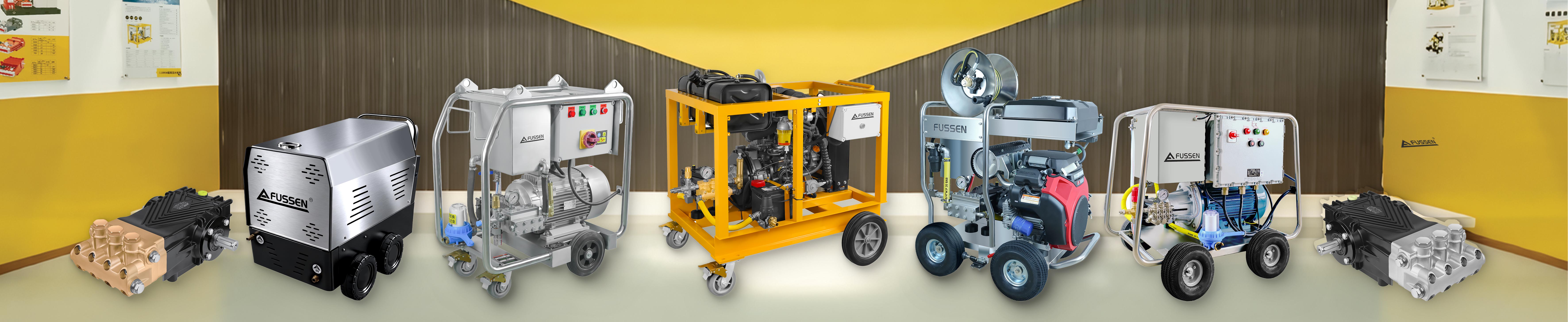
Для применений со сверхвысоким давлением компания Fussen предлагает:
Поставляя насос, источник питания, оборудование для водоснабжения, комплектующие и компоненты безопасности в виде единой интегрированной системы, компания Fussen помогает покупателям снизить риски несовместимости и подобрать оборудование в соответствии с требованиями конкретной строительной площадки.
Для получения точной рекомендации, пожалуйста, укажите область применения, требуемое давление и расход, источник питания, водоснабжение, условия эксплуатации, ожидаемый рабочий цикл и предпочтительные комплектующие. Инженерная команда Fussen сможет порекомендовать электрическую, дизельную или специально разработанную систему сверхвысокого давления, соответствующую требованиям вашего проекта.

 English
  Spanish
  French
  Russian
  Japanese
  Portuguese
  Arabic
  Korean