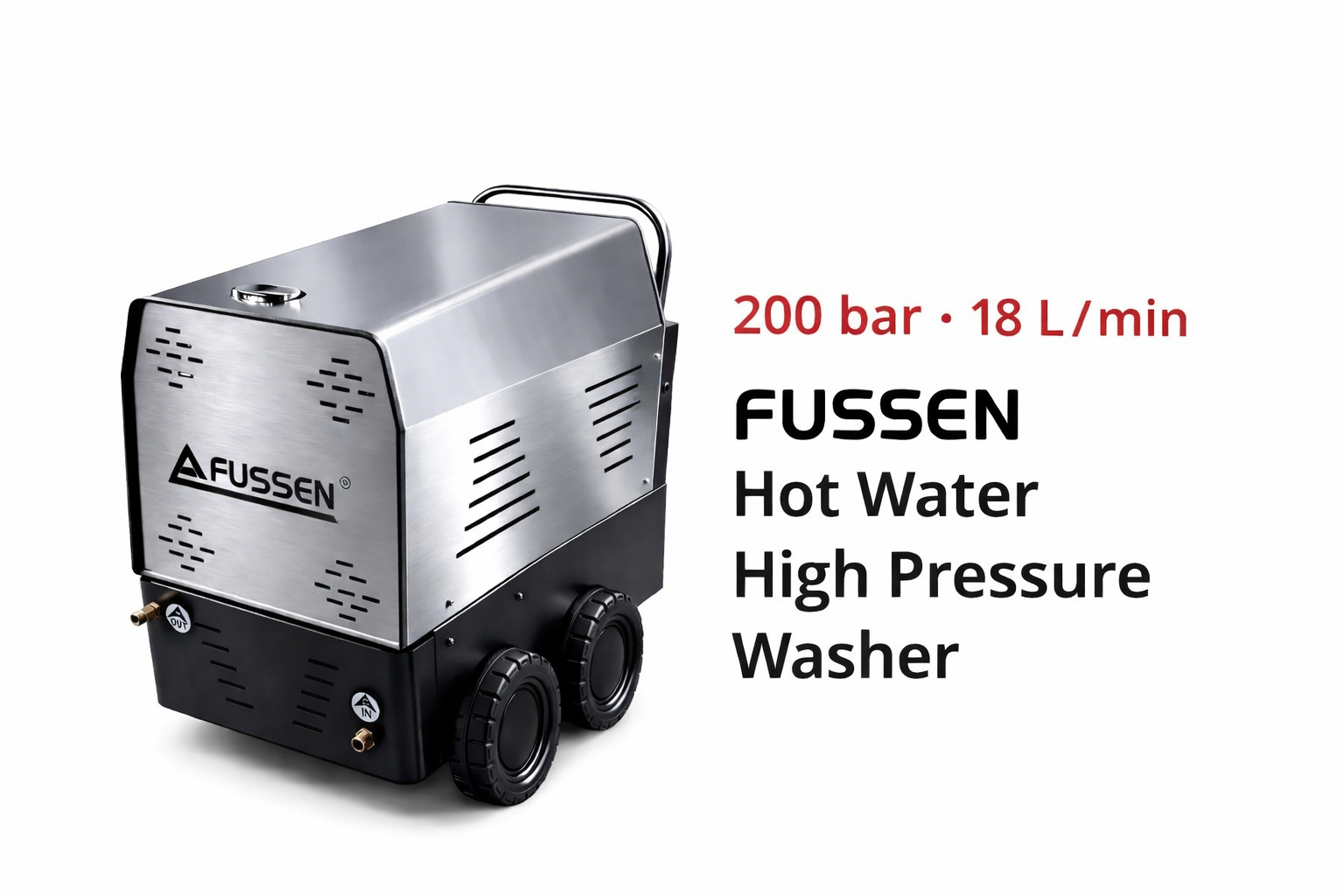
Hot water pressure washers give industrial facilities a faster, more effective way to cut through grease, oil, and stubborn residues than cold water alone. By combining heat, pressure, and controlled water flow, they improve hygiene, reduce labor time, and often lower chemical use.
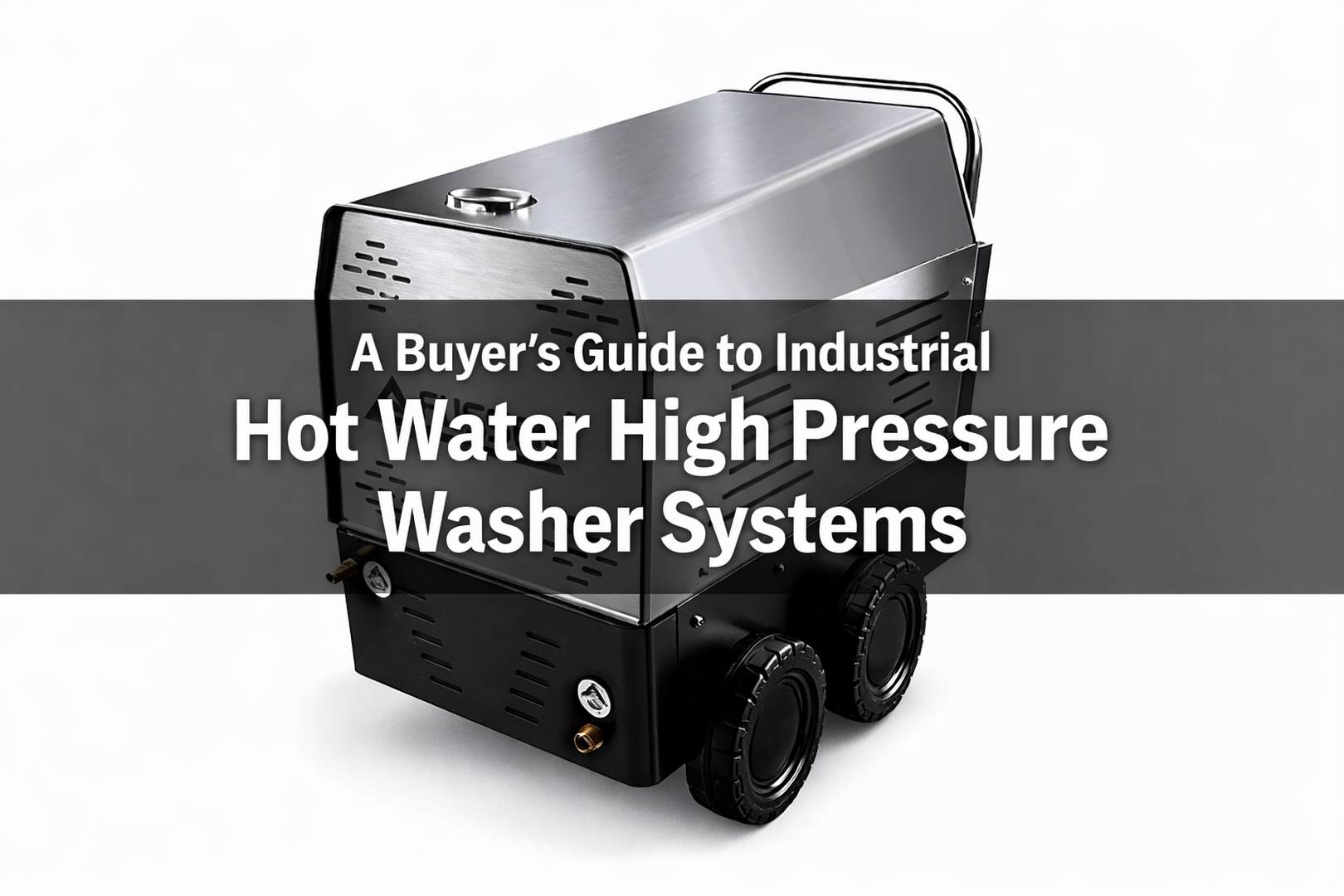
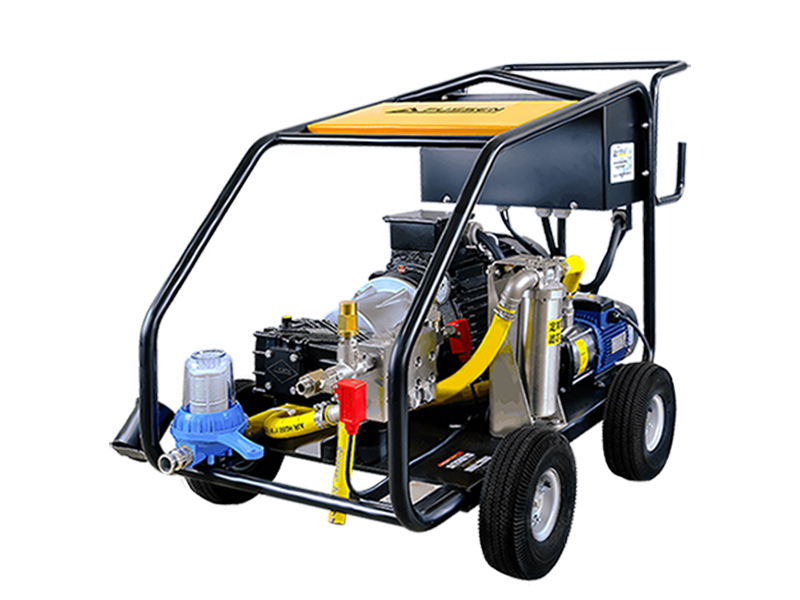
Industrial models such as the FUSSEN hot water high pressure washer (200 bar, 18 L/min) are designed to balance cleaning power with stability, making them suitable for continuous-duty applications where reliability matters as much as performance. Understanding how these machines work, where they excel, and how to choose the right configuration can help avoid unnecessary costs and safety risks.

Hot water pressure washers combine heat, high pressure, and detergent to remove grease, oil, and baked‑on dirt faster than cold‑water units.
They deliver hygiene benefits by helping break down biofilms and reducing bacteria, ideal for food processing, healthcare, and fleet cleaning applications.
Common industrial uses include factories, workshops, transport depots, mining, and maintenance areas with heavy oil, fuel films, and industrial grime.
Choose between electric (indoor, low‑emission, quiet) and diesel/engine‑driven (mobile, high‑power, outdoor) units based on site power and ventilation.
Evaluate pressure, flow rate, temperature range, fuel/electric running costs, and maintenance requirements to balance performance, reliability, and total ownership cost.
It typically includes a heating system that warms the water before it reaches the spray gun, so the operator gets strong pressure and cleaning heat at the same time.
Think of a hot water pressure washer as a powerful “industrial dishwasher for floors, machines, and vehicles. It draws water from a tank or tap, then a high‑pressure pump squeezes that water through a narrow nozzle, creating strong water jets that lift dirt and grime.
In a hot water high pressure washer, the water passes through a heating coil or boiler, raising the temperature before it reaches the spray gun. This hot water softens oils and fats so they break free quickly. An industrial hot water pressure washer often includes detergent injection, mixing cleaning chemicals into the water stream. Together, heat, pressure, and detergent make a hot water pressure washer for grease cleaning far more effective and time‑saving than manual scrubbing.
While both hot and cold water pressure washers use high‑pressure jets to clean surfaces, they don’t perform the same job in the same way. In any hot water vs cold water pressure washer comparison, temperature is the key difference. Cold water units handle dust, mud, and loose dirt on floors, vehicles, and walls at a lower cost.
Hot water pressure washer benefits appear when dealing with grease, oil, fats, and heavy industrial grime. Heated water softens and breaks bonds in oily contaminants, so operators clean faster and use less detergent. A hot water pressure washer for oil removal is especially valuable in factories, workshops, food processing, and maintenance areas where spills are common and hygiene, safety, and uptime really matter.

FUSSEN’s experience shows that hot water pressure washers clean better because heat quickly loosens grease and oil that cold water can’t touch.
High temperature helps break down stubborn dirt and residues so they lift away faster and with less detergent.
At the same time, hot water supports more hygienic cleaning, which is essential for food processing, healthcare, and other areas where sanitation matters.
Because grease and oil behave differently from ordinary dirt, hot water pressure washers have a clear advantage over cold water machines.
In many plants, workshops, and logistics yards, oil leaks, grease splatter, and fuel film cling tightly to floors, parts, and vehicles. A hot water pressure washer industrial unit tackles these jobs faster because heat helps loosen and lift oily contamination instead of just pushing it around.
A heavy duty hot water pressure washer also reduces the amount of detergent needed, which lowers chemical costs and wastewater impact.
For continuous, demanding use, a hot water pressure washer for industrial use keeps work areas safer by cutting slippery residues on concrete, metal surfaces, and machinery, supporting smoother operations and lower cleaning labor.
Even before adding high pressure, hot water on its own changes how dirt behaves. As temperature rises, oils and fats soften, road film loosens, and many types of industrial grime lose their “gripon metal, concrete, or plastic surfaces. Hot water molecules move faster, slipping between the dirt and the surface, so the washer can push contamination away instead of just spreading it around.
This is why hot water pressure washer applications outperform cold units on baked-on or layered soil. On trucks, factory floors, food processing areas, and maintenance workshops, high temperature speeds up cleaning, reduces detergent use, and shortens downtime. FUSSEN designs systems to hold stable heat, so users get consistent cleaning power shift after shift.
While high pressure removes visible dirt, hot water also helps tackle what the eye can’t see: germs and hygiene risks. FUSSEN highlights that hot water pressure washers don’t just clean; they support more hygienic workspaces in food plants, workshops, and transport fleets.
Kills more germs Higher temperatures weaken many bacteria and help wash them away, especially on food-contact and animal-handling surfaces.
Removes biofilm Hot water breaks down slimy layers where germs hide, which cold water often leaves behind.
Cuts chemical use Because heat boosts cleaning power, operators often need fewer detergents, reducing residues and operating costs.
Supports hygiene standards Consistent hot water cleaning helps businesses meet audits, safety rules, and customer expectations for cleanliness.
FUSSEN’s customers usually choose hot water pressure washers for two main reasons: they clean faster and they often need less chemical support.
Hot water pressure washers cut through dirt and grease much faster than cold water machines, which directly improves cleaning efficiency and labor savings.
By heating the water, a FUSSEN unit softens hardened oils and baked‑on grime, so the pressure doesn’t need to work as hard. Operators finish jobs in fewer passes, which shortens downtime for production lines, vehicle fleets, and work areas.
Faster cleaning also means teams can cover more ground in a shift. This helps businesses control labor costs and keep facilities consistently clean instead of “catching uplater. In everyday terms, it’s like washing dishes with hot water instead of cold—it simply works quicker and better.
In practice, this efficiency shows up in a few clear ways:
Because heated water naturally breaks down oils and residues, a hot water pressure washer often lets teams clean effectively with far less chemical detergent. FUSSEN sees this every day in workshops, food plants, and transport yards where hot water removes grease that cold water would smear around.
By reducing detergent use, businesses lower their chemical purchase costs and spend less time handling and refilling products. There’s also less chemical left on floors, machinery, and vehicles, which means safer surfaces for staff and fewer complaints about smells or skin irritation.
Using fewer chemicals also supports environmental goals. Wastewater is cleaner, so it’s easier to meet local discharge rules and company sustainability targets, while still maintaining reliable, high-quality cleaning results.
When choosing a hot water pressure washer, buyers usually start by asking whether an electric or diesel (engine‑driven) model fits their work best. Each power source has clear strengths: electric units suit indoor or quiet environments, while diesel and engine‑driven machines offer maximum mobility and power for outdoor, heavy‑duty cleaning.
FUSSEN helps customers compare these options so they can match the washer’s power source to their specific job, site conditions, and long‑term operating costs.
In many cleaning operations, the choice between an electric and a diesel hot water pressure washer comes down to where the machine will run and what kind of “poweris easiest to access: electricity or fuel.
Electric hot water units suit facilities that want quiet, low‑emission cleaning and have reliable power on site.
Electric systems help users when they:
Clean indoors: food plants, workshops, warehouses, and vehicle bays where fumes aren’t acceptable.
Need low noise: hotels, hospitals, and commercial buildings operating near staff or customers.
Want simpler daily use: no refueling, easier start/stop, and less routine engine maintenance.
Focus on stable, long‑term value: consistent performance, lower operating disturbances, and compatibility with automated cleaning setups FUSSEN helps design.
Diesel and engine‑driven hot water pressure washers step in where electric power isn’t practical or strong enough, delivering high cleaning performance in places that don’t have easy access to outlets. Instead of relying on an electrical connection, they use a diesel or gasoline engine to drive the pump and a diesel burner to heat the water. This makes them ideal for construction sites, mining areas, farms, ports, and remote facilities.
They handle heavy oil, grease, and mud on trucks, machinery, and concrete surfaces. Because the unit carries its own power source, users can pair it with a water tank on a trailer or pickup. FUSSEN focuses on robust frames, stable heating systems, and fuel‑efficient engines to reduce operating cost and downtime.
Choosing between electric and diesel hot water pressure washers starts with understanding how and where the machine will work.
Electric models suit indoor areas like workshops, food plants, and warehouses because they run quietly and don’t produce exhaust. They’re ideal when stable power is available and operators need low daily maintenance.
Diesel machines deliver higher mobility and cleaning power for outdoor jobs such as construction sites, mines, and transport yards.
They’re better when electricity is limited or work locations change often.
Key points FUSSEN encourages buyers to compare:
FUSSEN’s hot water pressure washers offer the greatest value in industries where grease, oil, and stubborn dirt are everyday problems. Industrial and manufacturing facilities, agriculture and livestock operations, and food processing and sanitation all need strong, reliable cleaning to protect equipment, products, and people.
In the next sections, this article explains how hot water systems support each of these sectors and what buyers should look for in the right machine.
When production lines run daily and equipment never really “rests,industrial and manufacturing facilities quickly discover that cold water alone isn’t enough to keep things truly clean.
Hot water pressure washers help them cut through oils, grease, cutting fluids, and stubborn grime that build up on machines, floors, and walls. By heating water, these systems loosen dirt faster, so teams spend less time scrubbing and more time producing.
In Fussen’s experience, industrial users rely on hot water systems to:
Managing a farm or livestock operation means dealing every day with mud, manure, feed residue, and bacteria that cold water simply can’t handle effectively. Hot water pressure washers let farmers cut through greasy deposits in milking parlors, barns, and feeding areas much faster, using less detergent and labor.
For livestock health, they help reduce harmful bacteria on floors, walls, pens, and handling equipment, supporting better herd hygiene. Hot water also loosens dried manure on tractors, trailers, and loaders, preventing rust and keeping equipment easier to maintain.
FUSSEN designs farm-ready units with stable pressure, durable pumps, and simple controls that workers can use safely in tough outdoor conditions. By cleaning deeper in less time, farms lower disease risk, protect equipment, and keep operations running efficiently.

Just as hot water pressure washers protect animal health and equipment on the farm, they play an even bigger role inside food plants, commercial kitchens, and beverage factories. FUSSEN sees these environments as some of the toughest cleaning challenges: greasy floors, protein residues, sugary spills, and strict hygiene rules. Hot water doesn’t just remove visible dirt; it helps cut through fats and oils and supports better sanitation.
Food processors rely on industrial units to:
Clean conveyors, mixers, and fillers between batches to reduce cross‑contamination.
Wash walls, ceilings, and drains to control mold, bacteria, and odors.
Degrease ovens, fryers, and cooking surfaces quickly, reducing downtime.
Prepare surfaces for chemical sanitizers so they work more effectively and consistently.
When a team uses hot water pressure washers, they need to balance cleaning power with safe operating temperatures and pressure settings.
Fussen always encourages users to wear the right personal protective equipment, such as gloves, boots, and eye protection, because hot water and high pressure can cause serious injury.
It’s also essential that operators keep the machine well maintained and make sure hoses, seals, and detergents are all compatible with hot water systems to prevent leaks, breakdowns, or unsafe conditions.
Although hot water pressure washers are built for tough work, they still need to run within sensible temperature and pressure limits to stay safe and effective. Fussen recommends thinking about settings the same way drivers respect speed limits: staying within the range protects people, equipment, and surfaces.
Typical industrial units clean well with water between 600°C (14094°F). Higher temperatures are rarely necessary and can damage seals, hoses, and sensitive surfaces. Pressure should match the job: enough force to remove dirt, not strip material.
Key guidelines include:
In most industrial settings, personal protective equipment (PPE) is the first line of defense when using a hot water pressure washer. FUSSEN encourages every operator to treat PPE as part of the machine, not an optional extra. At a minimum, they should wear heat‑resistant waterproof gloves, non‑slip safety boots, and long sleeves and trousers to protect against hot spray and chemicals.
Eye and face protection is also essential. Operators should use safety goggles or a full face shield to block flying debris and steam. Hearing protection’s often needed in enclosed or noisy areas. For chemical detergents, they should add a waterproof apron and, when recommended by the product label, a respirator. Clear PPE rules and quick training greatly reduce accidents and downtime.

Because hot water pressure washers operate under high temperature and high pressure, maintenance and system compatibility become critical safety factors, not just “nice‑to‑haveextras. FUSSEN advises buyers to treat the machine like any other heavy industrial tool: simple, regular care prevents costly breakdowns and accidents.
Key practices include:
Choosing the right hot water pressure washer starts with matching the pressure (bar/PSI) and flow rate (L/min) to the type of dirt and the size of the area that needs cleaning.
Buyers also need to look closely at the heating system and burner quality, because these determine how quickly the machine reaches working temperature and how efficient it is.
Finally, they should consider continuous working time and overall reliability to assure the washer can handle daily use without frequent breakdowns or downtime.
Many buyers first get stuck on two key numbers: pressure (Bar/PSI) and flow rate (L/min), yet these are simply about “how hardand “how muchwater the machine delivers. Pressure is the force that breaks up dirt; flow is the volume that carries it away. FUSSEN helps buyers balance both instead of chasing the highest numbers.
For industrial users, it’s more useful to match these values to real cleaning tasks:
Light cleaning (vehicles, tools): medium pressure, lower flow.
Heavy grease (workshops, food plants): medium–high pressure, higher flow.
Large areas (yards, construction): focus on higher flow to move more dirt.
Sensitive surfaces (coatings, soft metals): moderate pressure, controlled flow.
Choosing correctly improves cleaning speed, safety, and operating costs.
Heat turns a standard pressure washer into a true problem-solver for oil, grease, and stubborn industrial dirt, so the quality of the heating system and burner matters as much as pressure and flow.
In simple terms, a good burner heats water quickly, keeps temperature stable, and doesn’t waste fuel. Poor burners cause lukewarm water, soot, fuel smell, and higher running costs.
Buyers should look for efficient combustion systems, insulated coils, and reliable temperature control. Diesel and gas burners must ignite easily and burn cleanly. Electric heating should deliver steady heat without tripping power.
FUSSEN focuses on well-designed coils and burners that reach working temperature fast, hold it steady, and protect components, helping customers clean better while using less fuel and time.
A strong burner and stable temperature only pay off if the hot water pressure washer can run as long as the job requires. For many industrial users, that means hours of continuous operation without overheating, shutting down, or losing pressure.
FUSSEN focuses on long-life components and smart protection systems so the machine keeps working when production can’t stop.
When choosing a hot water pressure washer, buyers should look at:
Duty cycle Whether the unit is built for light, medium, or true continuous industrial use.
Pump and motor quality Industrial-grade parts last longer under constant load.
Cooling and protection Systems that prevent overheating and protect against low water.
Service access Simple maintenance and readily available parts reduce downtime.
When planning a cleaning job, FUSSEN knows it’s important to decide whether hot water is truly needed or if cold water can do the work more economically.
Hot water pressure washers shine when there’s grease, oil, or heavy industrial dirt that’s hard to remove.
Cold water machines are often sufficient for general dust, mud, and routine maintenance cleaning, helping users control costs while still getting reliable results.
Although both hot and cold water pressure washers use high-pressure water to remove dirt, they don’t perform the same way in every situation. From FUSSEN’s experience, hot water becomes essential whenever grease, oil, or hygiene-sensitive residues are involved. Heat softens and lifts stubborn films that cold water simply pushes around.
In practice, hot water washers are the right choice when businesses face:
Oily floors and machinery in factories, workshops, or garages.
Food and beverage residues on processing lines, crates, and delivery vehicles that must meet hygiene standards.
Heavy grease buildup on construction, mining, or agricultural equipment.
Sanitary risk areas like waste handling zones, animal facilities, or loading docks with organic residues.
In these cases, hot water delivers faster cleaning, better results, and lower detergent use.
In many everyday cleaning jobs, a cold water pressure washer already delivers all the performance a business needs. For tasks like rinsing dust from machinery, washing vehicles without heavy oil buildup, or cleaning walkways and walls, pressure matters more than temperature. Cold water units handle these jobs efficiently, with lower purchase and running costs.
Cold water is often sufficient when dirt is loose, light, or mostly dry—such as mud on construction equipment, soil on farm tools, and general warehouse grime. They also suit facilities that clean less frequently or don’t face strict hygiene rules. From FUSSEN’s perspective, choosing cold water in these situations avoids unnecessary fuel consumption, reduces maintenance, and still delivers reliable, consistent cleaning performance that supports long-term value.
For many operations that deal with grease, oil, heavy soil, or strict hygiene standards, a hot water pressure washer isn’t just a “nice to haveit’s a smart investment that quickly pays off.
From FUSSEN’s experience, hot water units usually deliver faster cleaning, lower chemical use, and better hygiene control than cold water alone.
In deciding if it’s worth it, each business should weigh real, day‑to‑day benefits:
Cleaning time saved fewer labor hours on each task.
Better results cleaner equipment, floors, and vehicles with less scrubbing.
Lower operating costs reduced detergent use and rework.
Long‑term reliability industrial‑grade machines built for constant use.
When these gains outweigh the higher purchase price, a hot water pressure washer becomes a value‑creating tool, not just equipment.
They should service an industrial hot water pressure washer every 6-12 months, depending on usage. A business that runs it daily needs shorter intervals, checks filters often, inspects hoses regularly, and follows the manufacturer’s maintenance schedule.
They can usually use regular tap water, but FUSSEN recommends treated or softened water in hard‑water areas. Softer water reduces scale, protects heating coils and seals, improves cleaning performance, and helps the machine last longer with fewer breakdowns.
They’ll clean faster and feel less tired using quick‑connect nozzles, dual‑lance wands, turbo nozzles, ergonomic spray guns, swivel hose reels, longer non-marking hoses, and anti-vibration trolleys, which reduce bending, wrist strain, and time spent repositioning equipment.
They’re generally as loud as a busy workshop, so operators should wear hearing protection. FUSSEN notes electric heated units suit indoor use better, with proper ventilation, drainage, and sometimes exhaust extension for engine‑driven or diesel‑heated models.
It’s time to replace when repairs cost more than half a new unit, breakdowns become frequent, heating’s inconsistent, parts are hard to source, safety features fail, or cleaning power no longer meets the site’s daily demands.
A hot water pressure washer helps facilities clean faster, cut grease, and improve hygiene with less detergent and labor. It’s especially valuable where oils, fats, and biofilms defeat cold water cleaning. By matching pressure, flow, power source, and duty cycle to real‑world tasks, buyers can avoid overspending and downtime. With proper training, PPE, and maintenance, hot water units become a reliable, long‑term asset that strengthens sanitation, safety, and productivity across demanding industrial environments.

 English
  Spanish
  Russian
  Korean
  Japanese
  Portuguese