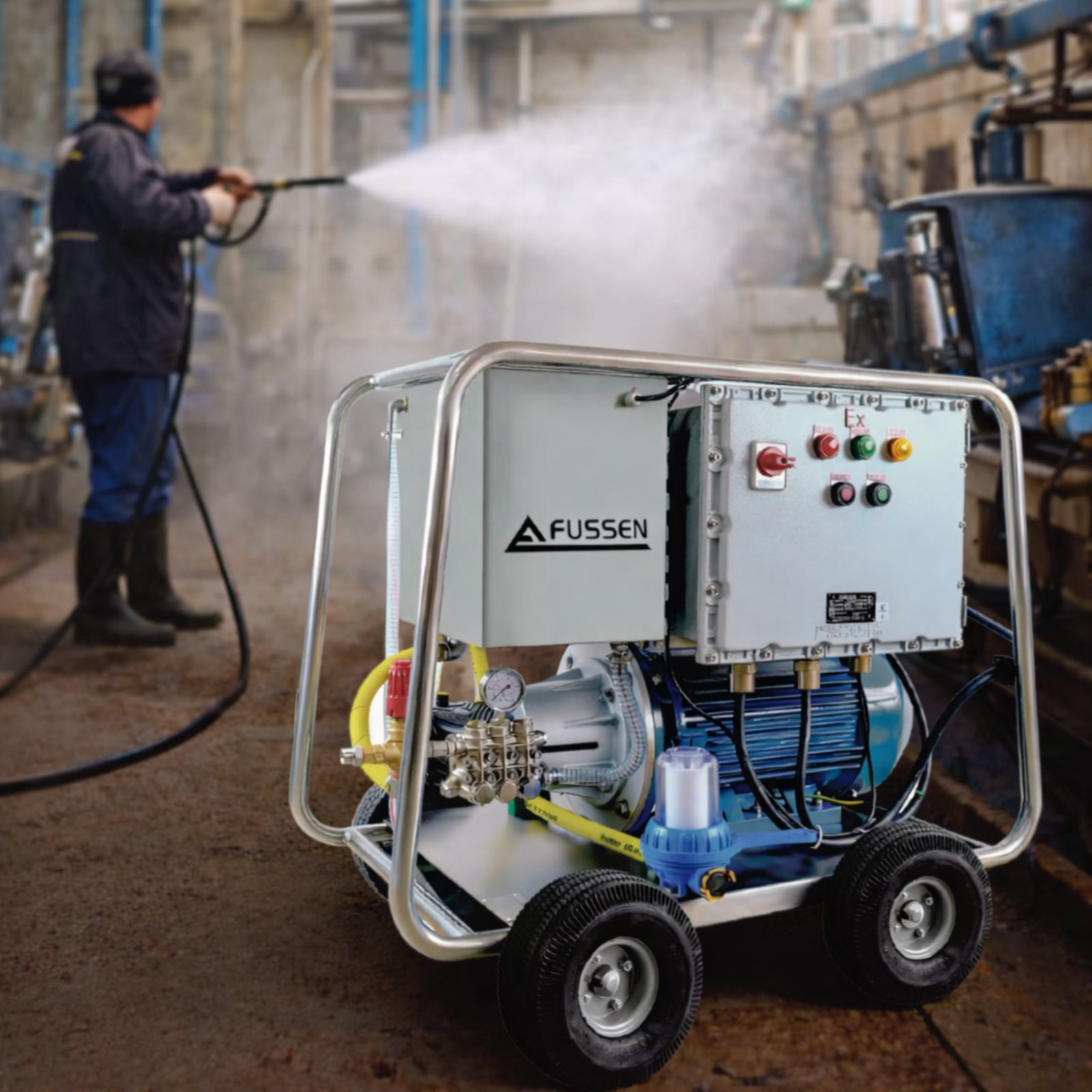
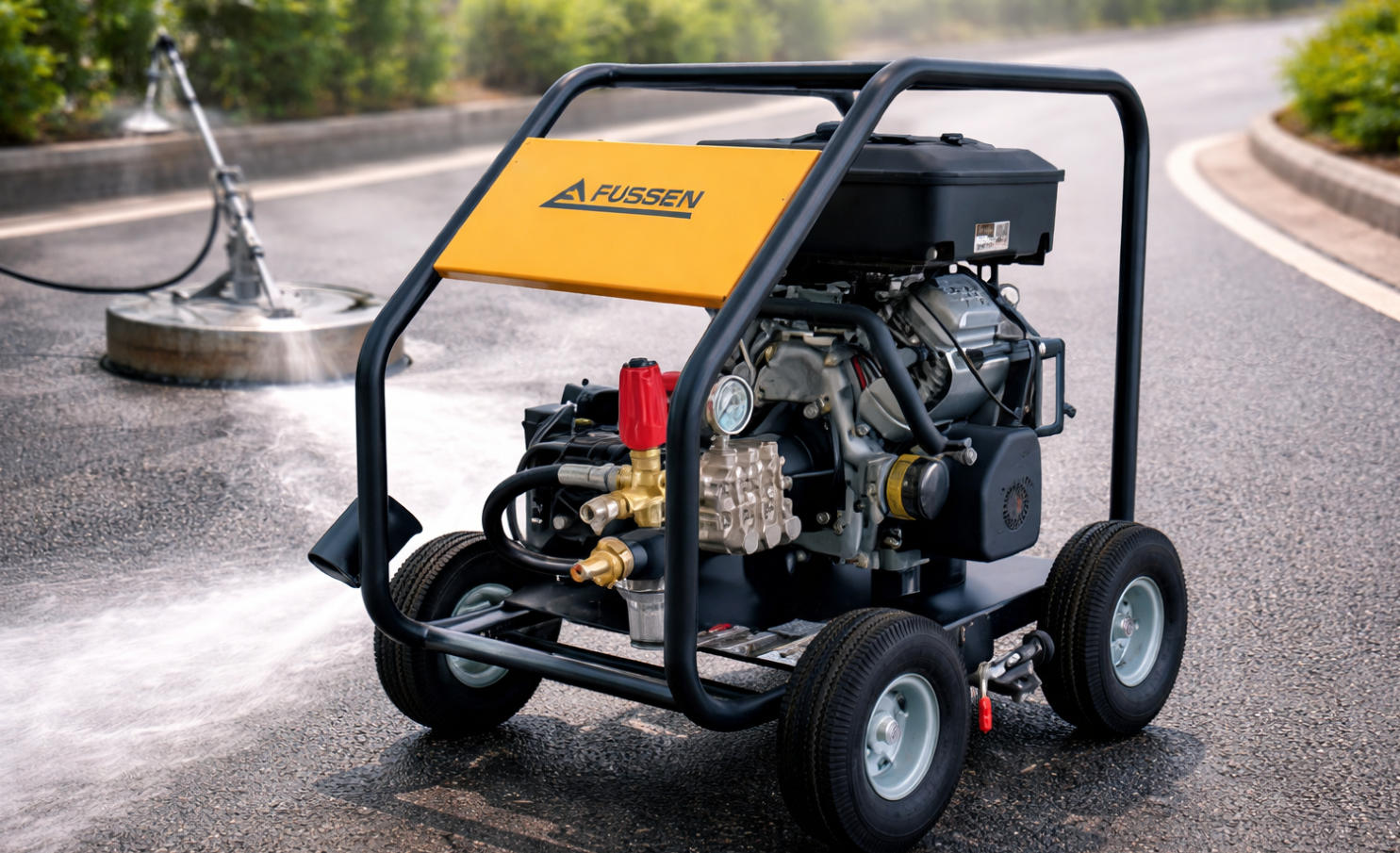
A road cleaning pressure washer is an industrial-grade high-pressure water jet system designed specifically for cleaning large outdoor road surfaces such as streets, industrial access roads, parking areas, and construction zones. Unlike household or light commercial units, these machines are engineered for high flow rates, continuous operation, and demanding outdoor environments, making them suitable for municipal and infrastructure cleaning tasks.
Road cleaning pressure washers differ from standard pressure washers in several critical ways:
These differences make standard consumer pressure washers unsuitable for sustained road-cleaning work.
Road surfaces accumulate a wide range of contaminants, including:
Removing these contaminants requires not only high pressure, but also sufficient water volume and, in some cases, hot water to break down oils and stubborn residues.
Road cleaning is a high-load, large-area application that exceeds the design limits of domestic or light commercial pressure washers. Industrial-grade machines are required because they provide:
For municipal sanitation departments, infrastructure contractors, and industrial facility operators, industrial road cleaning pressure washers offer the only practical and sustainable solution for maintaining clean and safe road surfaces.

Road cleaning pressure washers are widely used across municipal, industrial, and commercial environments where large paved surfaces require regular, effective cleaning. Their high-pressure, high-flow capability makes them suitable for removing heavy contamination while maintaining operational efficiency.
Municipal authorities use road cleaning pressure washers to maintain city streets, pedestrian zones, and public roads. These machines are particularly effective for removing:
Compared with mechanical sweepers, pressure washers provide deeper surface cleaning, helping improve road safety, appearance, and drainage performance, especially in densely populated urban areas.
Within industrial parks and manufacturing facilities, internal roads are exposed to heavy vehicle traffic, raw materials, and industrial residues. Road cleaning pressure washers are commonly used to:
Their ability to operate for extended periods makes them ideal for scheduled maintenance cleaning in industrial environments.
Large paved areas such as parking facilities, logistics yards, and bus depots require frequent cleaning due to constant vehicle movement. Road cleaning pressure washers help remove:
When equipped with surface cleaners, these machines can cover large areas quickly, improving cleaning efficiency while reducing water waste.
Construction sites generate significant amounts of mud, soil, and debris, particularly on temporary access roads and surrounding public streets. Road cleaning pressure washers are used to:
Their mobility and high cleaning power make them well-suited for short-term, high-intensity cleaning tasks in changing site conditions.
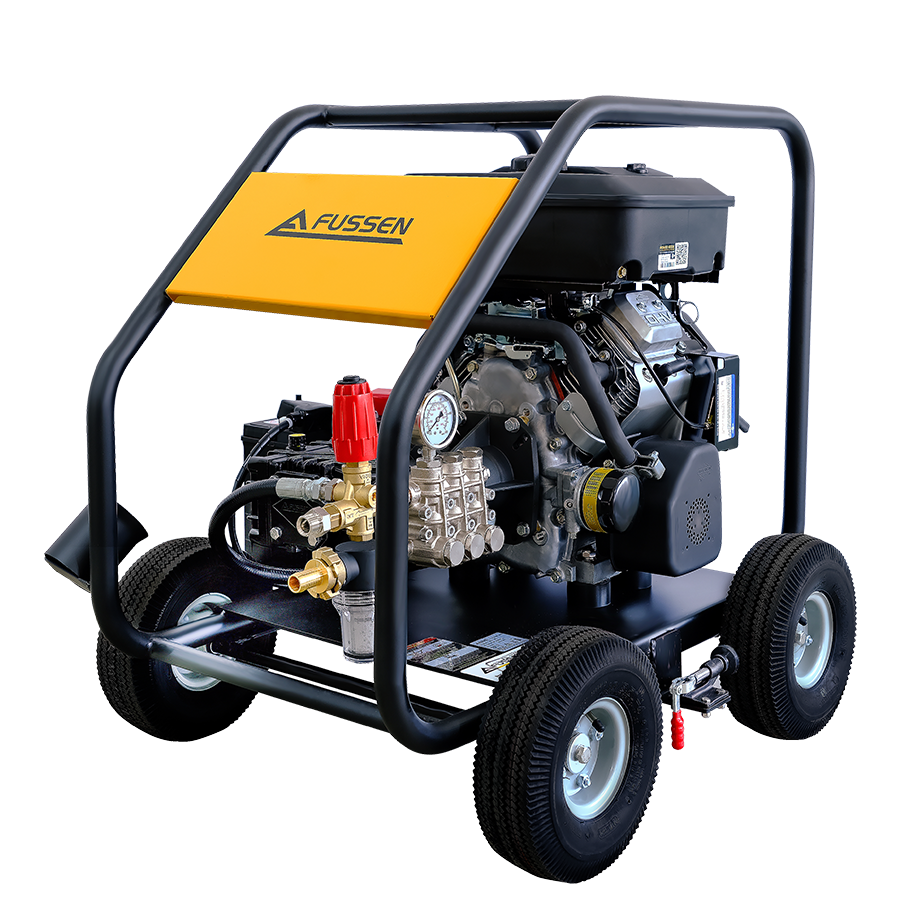
Selecting the correct pressure is critical for effective road cleaning. Insufficient pressure will fail to remove stubborn contaminants, while excessive pressure can damage road surfaces or markings. For this reason, road cleaning pressure washers are specified based on a balanced combination of pressure and flow rate, rather than pressure alone.
For most road cleaning applications, the commonly recommended pressure range is:
Municipal and contractor-grade machines typically operate within the 200–350 bar range, providing sufficient cleaning power without compromising surface integrity.
Different road materials require different pressure levels:
Adjustable pressure control is essential to adapt to mixed road surfaces commonly found in urban and industrial environments.
While pressure determines the force of impact, flow rate (litres per minute) determines how quickly contaminants are flushed away. For road cleaning:
In practice, road cleaning pressure washers are selected to deliver both sufficient pressure and high flow, ensuring efficient coverage, consistent results, and reduced operating time.
Choosing between hot water and cold water pressure washers is an important decision in road cleaning applications. The choice depends largely on the type of contamination, cleaning frequency, and efficiency requirements. While cold water systems are suitable for many routine tasks, hot water pressure washers offer clear advantages for heavy-duty and oily road cleaning.
Cold water pressure washers are commonly used for routine road cleaning where contaminants are primarily physical rather than chemical. They are effective for removing:
For these applications, high pressure combined with adequate flow rate is usually sufficient to achieve satisfactory cleaning results, making cold water systems a cost-effective and low-maintenance option for regular use.
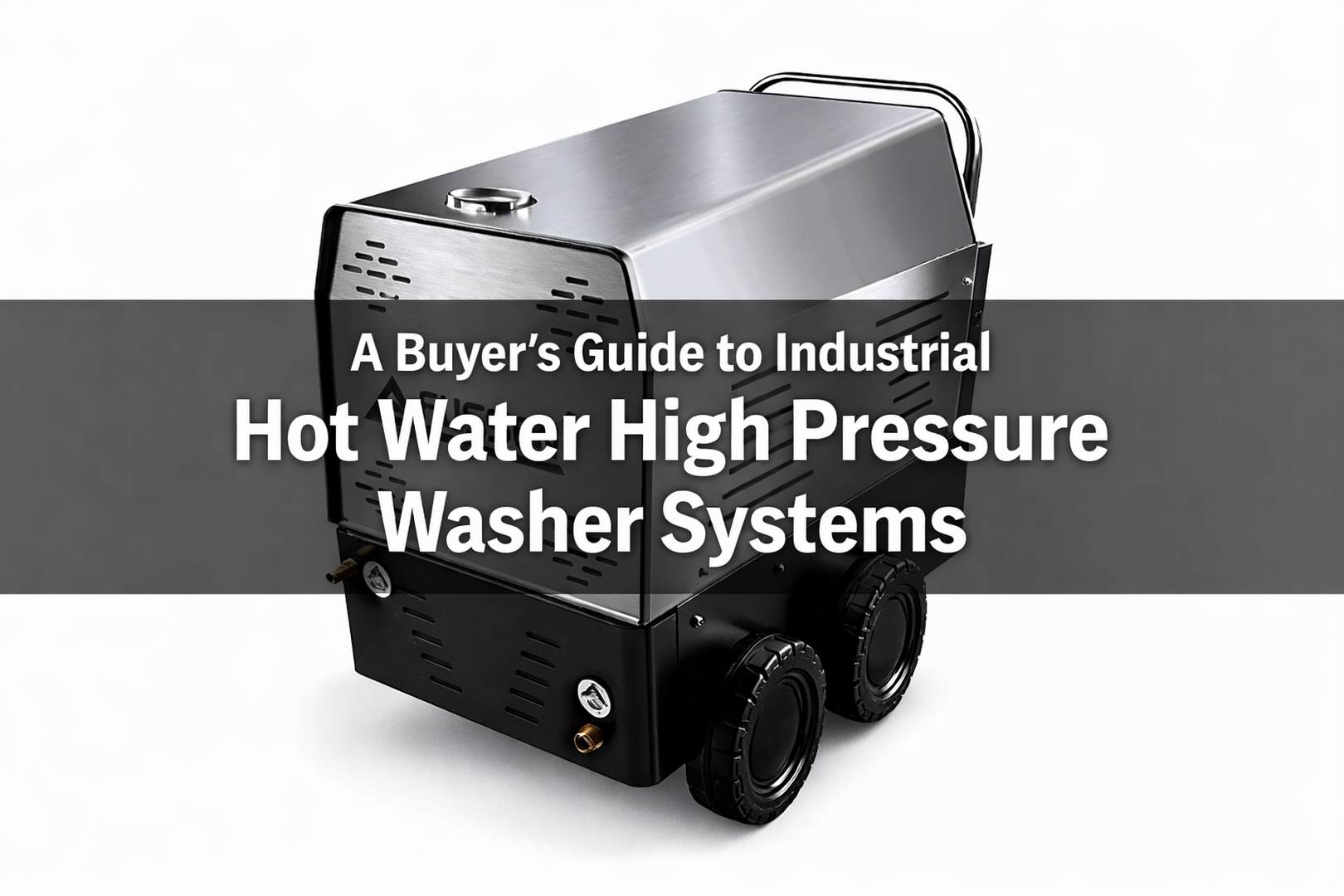
Heating the water significantly improves cleaning efficiency by breaking down oils and grease, reducing the need for chemical detergents and lowering overall cleaning time. This makes hot water systems especially valuable for municipal sanitation, transport hubs, and industrial roadways.
In road cleaning applications, hot water pressure washers typically operate within the following temperature ranges:
These temperature levels provide an effective balance between cleaning performance and operational safety, ensuring contaminants are removed efficiently without damaging road surfaces or markings.
Selecting between diesel-powered and electric-powered road cleaning pressure washers depends on the cleaning environment, power availability, mobility requirements, and operating constraints. Each option offers distinct advantages for different road cleaning scenarios.
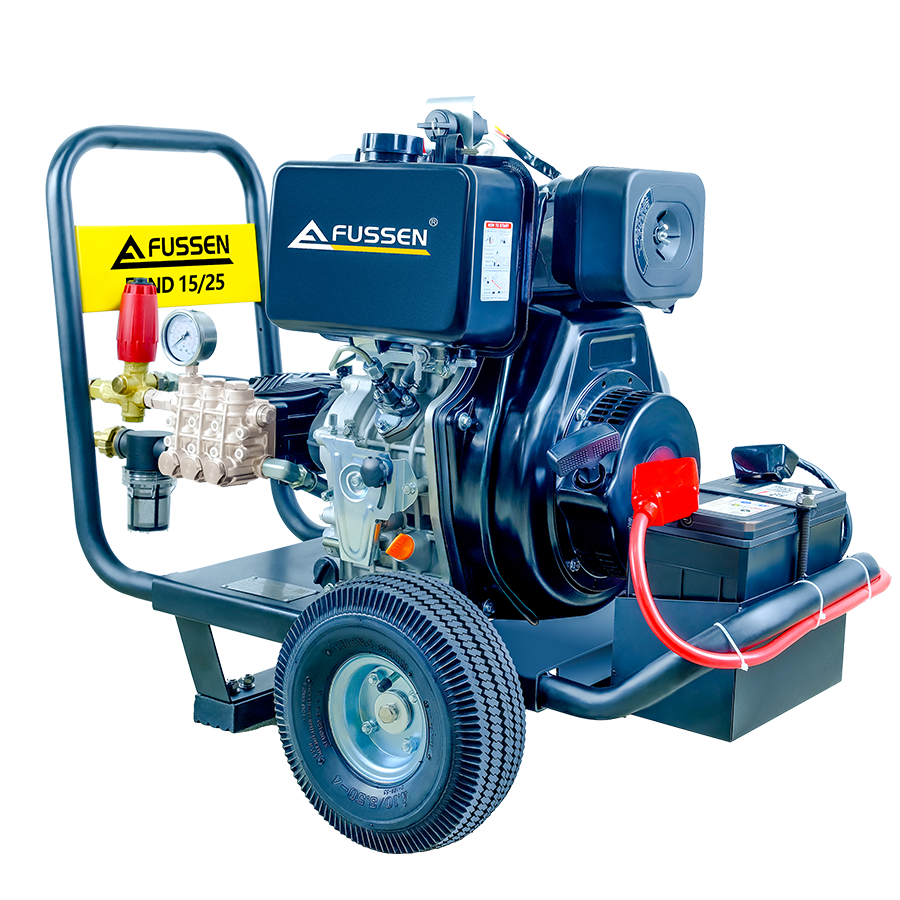
Diesel pressure washers are widely used for outdoor and large-scale road cleaning, particularly in locations where electrical power is unavailable or impractical. Key advantages include:
These features make diesel-powered units the preferred choice for municipal contractors, road maintenance teams, and infrastructure projects requiring maximum flexibility and performance.
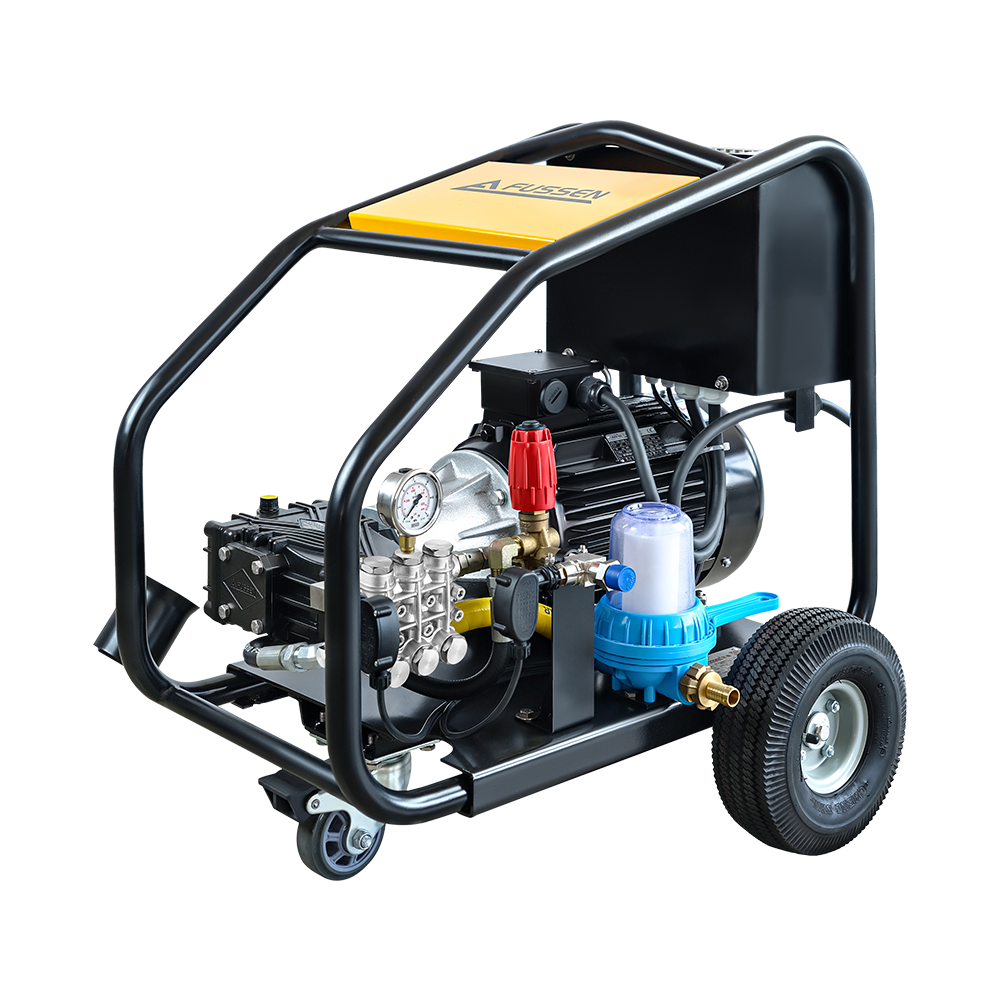
Electric road cleaning pressure washers are better suited for urban areas and semi-enclosed environments, where noise control and emissions are critical considerations. They are commonly used in:
Electric units offer lower noise levels, zero on-site emissions, and simpler maintenance. However, they depend on stable power supply (typically three-phase industrial electricity), which may limit mobility compared to diesel systems.

When comparing diesel and electric road cleaning pressure washers, the following factors are typically considered:
In practice, many municipal fleets operate both diesel and electric systems, selecting the appropriate machine based on location, cleaning intensity, and regulatory requirements.
Road cleaning pressure washers are available in multiple configurations to suit different operational requirements, site conditions, and mobility needs. Choosing the right configuration helps maximise cleaning efficiency while reducing setup time and operating costs.
Trailer-mounted pressure washers are commonly used for municipal and contractor-based road cleaning operations. These systems integrate the pressure washer, power source, and water supply onto a mobile trailer, offering:
Trailer-mounted units are ideal for street cleaning, highways, and large outdoor areas, where flexibility and self-contained operation are essential.
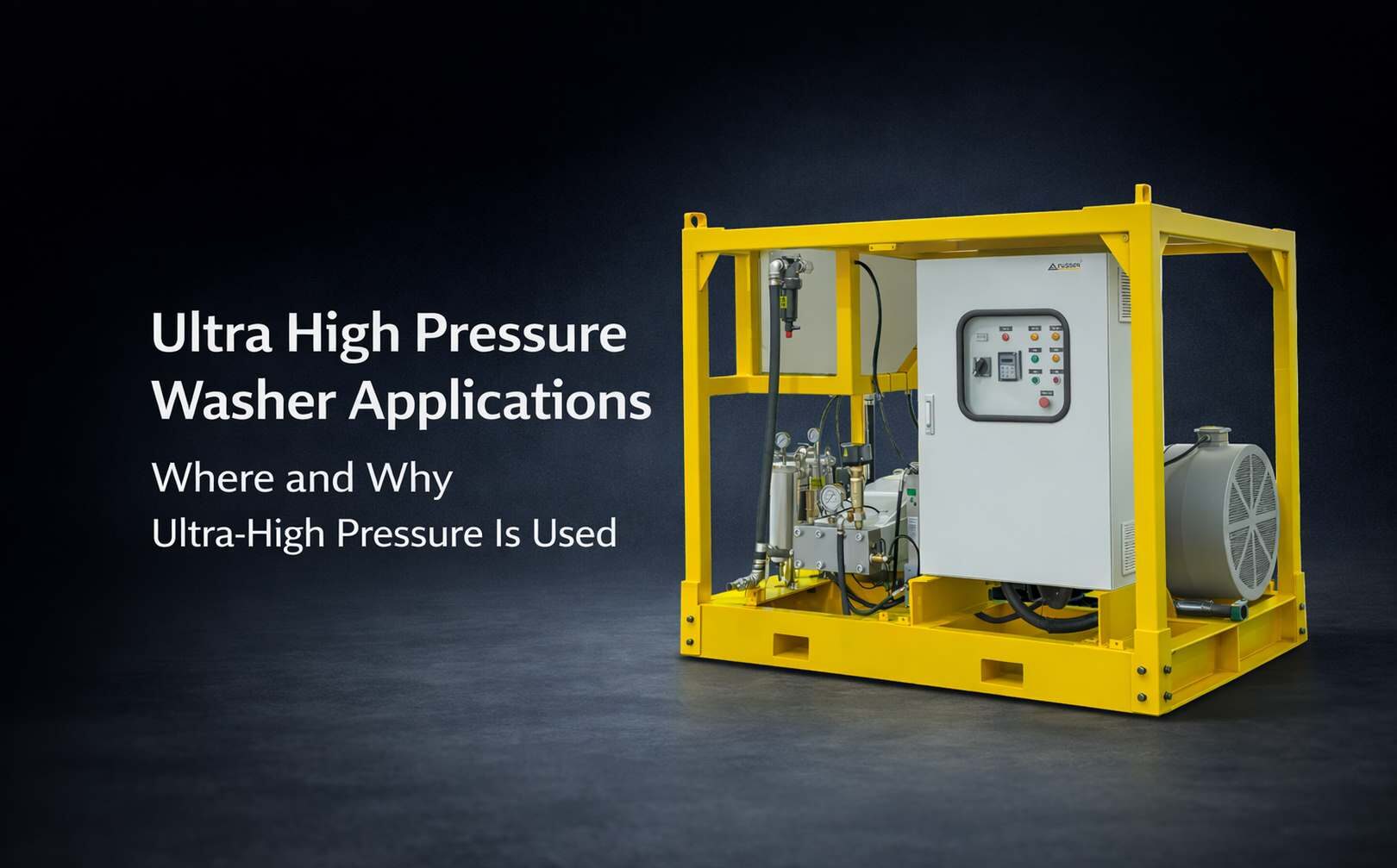
Skid-mounted and truck-mounted pressure washer systems are designed for high-demand, continuous road cleaning tasks. These configurations are typically installed on service vehicles and offer:
They are widely used by municipal sanitation fleets, industrial service providers, and infrastructure maintenance teams requiring robust, professional-grade solutions.
Trolley-mounted and portable pressure washers are suited for localized or low-intensity road cleaning tasks, such as:
While these units offer limited output compared to trailer or truck-mounted systems, their compact size, ease of handling, and lower cost make them practical for supplementary or occasional road cleaning.
In road cleaning operations, the effectiveness of a pressure washer depends not only on the machine itself but also on the right accessories. Properly selected accessories improve cleaning efficiency, coverage, and operator safety, especially when working on large or heavily contaminated road surfaces.
Surface cleaners are essential attachments for cleaning wide, flat road surfaces efficiently. They typically consist of a rotating spray bar enclosed within a protective housing and offer several advantages:
Surface cleaners are commonly used for streets, parking lots, industrial roads, and depots, significantly reducing cleaning time while optimising water usage.
Different nozzle types are used to address varying levels of contamination:
Selecting the appropriate nozzle helps balance cleaning power and surface protection, particularly when working on mixed road materials.
Road cleaning often requires working over large distances or in locations without direct water access. Supporting accessories include:
These accessories enhance mobility, improve workflow efficiency, and support continuous road cleaning operations without frequent interruptions.
Road cleaning operations are often carried out in public or industrial environments, where safety and environmental responsibility are critical. Using high-pressure cleaning equipment correctly helps protect road infrastructure, minimise environmental impact, and ensure safe operation for both workers and the public.
Improper pressure settings or nozzle selection can damage road surfaces and painted markings. To prevent this:
Controlled pressure and proper technique help maintain road integrity while achieving effective cleaning results.
Efficient water use is an important consideration in road cleaning, especially in urban areas with drainage regulations. Best practices include:
Effective water management helps reduce environmental impact and supports compliance with local regulations.
Road cleaning often takes place in public spaces, requiring attention to noise levels and pedestrian safety. Key measures include:
By combining appropriate equipment selection with clear safety procedures, road cleaning operations can be carried out efficiently while minimising risks to people and property.
Road cleaning pressure washers and mechanical road sweepers are both widely used in municipal and industrial cleaning, but they serve different cleaning purposes. Understanding their strengths and limitations helps operators select the most effective solution for specific road maintenance tasks.

Mechanical road sweepers are designed primarily to collect loose debris, such as sand, leaves, and litter. They are effective for routine surface sweeping but often leave behind:
Road cleaning pressure washers, by contrast, use high-pressure water to deep-clean the road surface, removing contaminants that sweepers cannot address. This makes pressure washers more suitable for restorative cleaning and stain removal.
Mechanical sweepers typically involve higher upfront costs, complex mechanical systems, and regular maintenance of brushes and vacuum components. They are efficient for large-scale debris collection but less flexible for targeted cleaning.
Pressure washers generally offer:
Their adaptability makes them a cost-effective option for contractors and smaller municipal teams.
Road cleaning pressure washers are often the better choice when:
In many municipal cleaning programs, pressure washers are used in combination with mechanical sweepers, providing a comprehensive road maintenance strategy that balances efficiency and cleaning quality.
Selecting the right road cleaning pressure washer requires evaluating cleaning scale, operating conditions, and long-term reliability. A well-matched machine improves cleaning efficiency, reduces operating costs, and ensures consistent performance across different road cleaning tasks.
The size of the road area and how often it needs to be cleaned are key factors when selecting equipment:
Choosing equipment based on real operating demands helps avoid underpowered machines or unnecessary overspecification.
Effective road cleaning depends on the right combination of performance parameters:
Balancing these factors ensures efficient cleaning while maintaining operational flexibility.
Road cleaning pressure washers are long-term investments, particularly for municipal and contractor use. Important considerations include:
Selecting a manufacturer with proven industrial experience and strong support capabilities helps reduce downtime and ensures dependable performance throughout the equipment’s service life.
Road cleaning pressure washers play a critical role in maintaining safe, clean, and visually acceptable road surfaces across municipal, industrial, and commercial environments. From routine dust and mud removal to deep cleaning of oil stains and tyre marks, the right pressure washer configuration delivers a level of surface cleanliness that mechanical sweepers alone cannot achieve.
By understanding pressure and flow requirements, choosing between hot or cold water systems, selecting the appropriate power source and machine configuration, and using the right accessories, operators can significantly improve cleaning efficiency while controlling operating costs. For large-scale or frequent road cleaning, industrial-grade pressure washers offer superior durability, reliability, and long-term value.
In practice, many road maintenance programs achieve the best results by combining mechanical sweeping for debris collection with high-pressure washing for deep surface cleaning, creating a more comprehensive and effective road cleaning strategy.
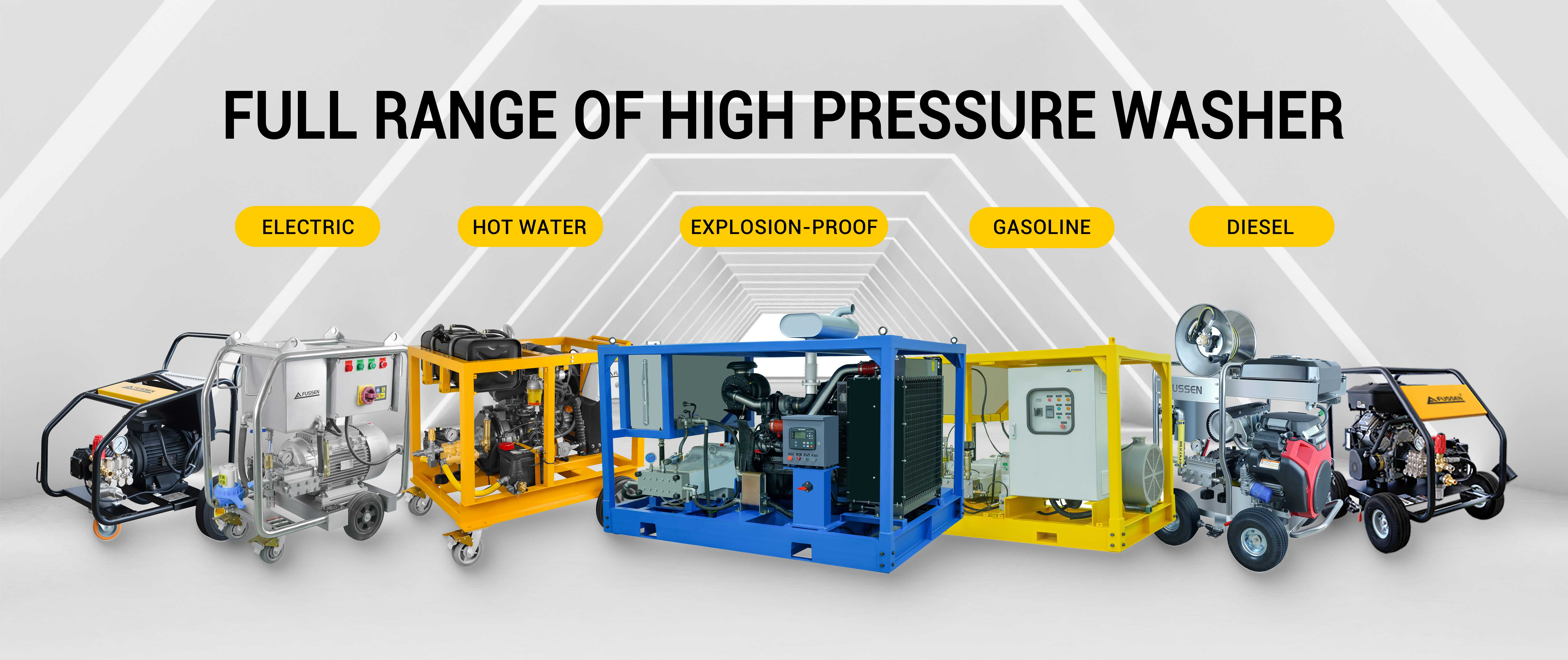
Every road cleaning project comes with its own demands—road width and surface type, contamination level, operating environment, and cleaning frequency. Choosing the right equipment from the outset is essential to reduce downtime, improve cleaning efficiency, and control long-term operating costs.
فوسن works closely with municipal authorities, industrial operators, and professional contractors to deliver engineered road cleaning pressure washer solutions. From pressure and flow matching to diesel or electric power selection, hot or cold water systems, and mobile configurations, Fussen helps ensure each system is designed for real-world road cleaning conditions.
With proven industrial pumps, intelligent control systems, and full technical support, Fussen solutions are built for reliability, durability, and continuous operation throughout the equipment’s service life.
Contact Fussen to discuss your road cleaning application and receive a tailored high-pressure washer solution designed for long-term performance.

 English
  Spanish
  Russian
  Korean
  Japanese
  Portuguese
  Arabic