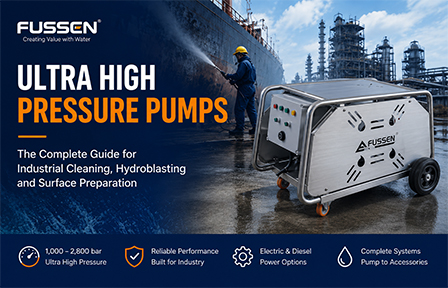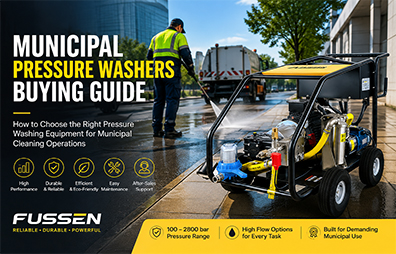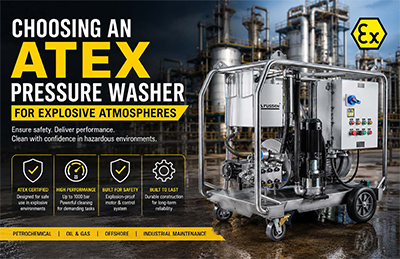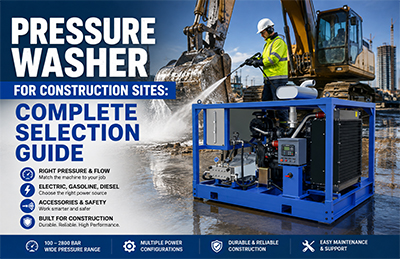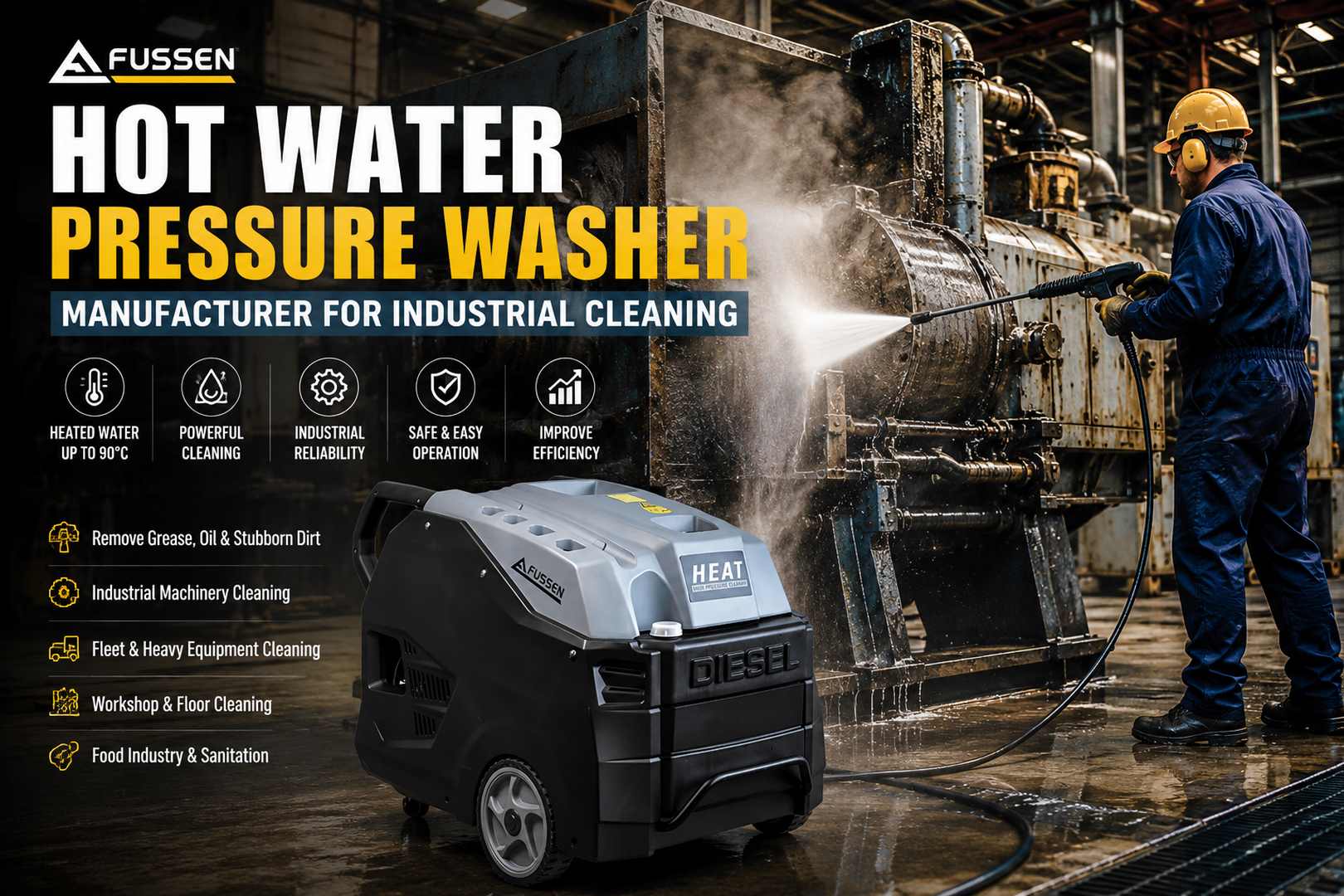
إذا كنت تعمل في قطاع النفط والغاز، فأنت بحاجة إلى غسالات ضغط متخصصة لمعالجة التلوث الشديد كالزيوت والشحوم. لن تفي النماذج القياسية بالغرض؛ أنت بحاجة إلى معدات مزودة بميزات مقاومة للانفجار لضمان السلامة في المناطق الخطرة. ابحث عن معدلات ضغط عالية (من 2000 إلى 3500 رطل لكل بوصة مربعة) ومعدلات تدفق لا تقل عن 4 جالونات في الدقيقة لتنظيف فعال. تُعد المواد المتينة وسهولة الصيانة من العوامل الأساسية للاستخدام طويل الأمد. واصل استكشاف العوامل الأساسية التي تضمن أن اختيارك يلبي جميع متطلبات القطاع.
في صناعة النفط والغاز، تواجهون بيئات خطرة ومخاطر انفجار كبيرة تتطلب استخدام غسالات ضغط متخصصة. لا تستطيع المعدات القياسية التعامل مع التلوث الشديد الناتج عن الزيوت والشحوم والمخلفات الكيميائية التي تتراكم أثناء العمليات الصناعية المستمرة. يضمن استخدام غسالة الضغط المناسبة السلامة والكفاءة والامتثال للوائح الصارمة. تقدم سلسلة FDE-EX ميزات مقاومة للانفجار التي تضمن التشغيل الموثوق في هذه البيئات الصعبة.
ونظراً للتحديات الفريدة التي تواجه صناعة النفط والغاز، فإن وجود الغازات والأبخرة القابلة للاشتعال يخلق حاجة ماسة إلى غسالات الضغط المتخصصة.
يجب مراعاة أن تنظيف المواقع الخطرة يتطلب معدات مصممة لتقليل مصادر الاشتعال. استخدام معدات معتمدة من ATEX يضمن الامتثال لأنظمة السلامة، مما يقلل بشكل كبير من مخاطر الانفجار في البيئات المتقلبة.
صُممت غسالات الضغط هذه للعمل بأمان في المناطق التي توجد بها مواد قابلة للاشتعال، مما يمنع حدوث اشتعال محتمل من الشرر أو المكونات الكهربائية. سلسلة FAE-EX توفر محركات وصناديق تحكم مقاومة للانفجار، مما يضمن أداءً موثوقًا في البيئات الخطرة.
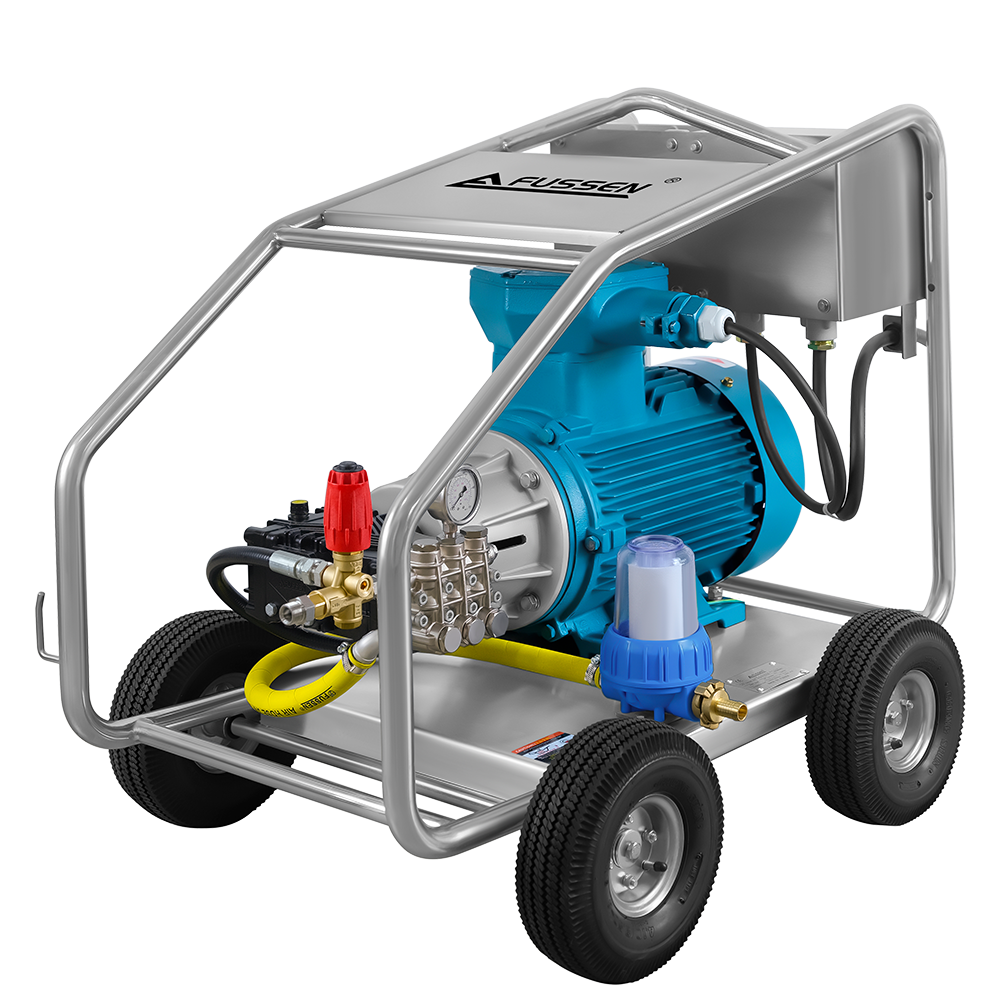
إن اعتماد هذه الأدوات المتخصصة لا يعزز الكفاءة التشغيلية فحسب، بل يحمي العمال والمعدات أيضاً من الحوادث الخطيرة.
في مثل هذه البيئات عالية المخاطر، يعد الاستثمار في تكنولوجيا غسيل الضغط المناسبة أمراً ضرورياً للحفاظ على السلامة وسلامة العمليات.
في حين أن غسالات الضغط القياسية قد تتعامل مع الأوساخ والغبار اليومي، فإن صناعة النفط والغاز تواجه تحديات فريدة تتطلب حلول تنظيف متخصصة.
يتطلب التلوث الشديد الناتج عن مواد مثل النفط الخام والشحوم والبارافين وطين الحفر والمخلفات الكيميائية ورواسب الملح استخدام غسالة ضغط شديدة التحمل.
توفر هذه الآلات تيارات مياه عالية الضغط مقترنة بعوامل إزالة الشحوم الصناعية، مما يؤدي إلى تفتيت وإزالة الملوثات العنيدة التي لا تستطيع الغسالات العادية التعامل معها بشكل فعال.
يُتيح لك الضغط الشديد والتركيبات المتخصصة الحفاظ على سلامة المعدات وضمان كفاءة التشغيل. بالإضافة إلى ذلك،, غسالات الضغط العالي للغاية وهي ضرورية لضمان التنظيف الشامل والسلامة في البيئات التي قد لا تكون فيها الأساليب التقليدية كافية.
مع استمرار صناعة النفط والغاز في العمل بشكل متواصل، يصبح الطلب على غسالات الضغط المتخصصة أمراً ضرورياً لضمان نظافة المعدات وكفاءة التشغيل.
تُعد هذه الأجهزة ضرورية لتنظيف الصيانة الصناعية الفعال، مما يضمن سير عملياتك بسلاسة حتى في ظل الظروف الصعبة.
إليكم ثلاثة أسباب تجعل معدات التنظيف بالضغط المائي لا غنى عنها:

تعمل منشآت النفط والغاز في بعض أقسى البيئات الصناعية، حيث تتعرض المعدات للهيدروكربونات وسوائل الحفر ورذاذ الملح والمخلفات الكيميائية ودرجات الحرارة القصوى. وتختلف متطلبات التنظيف اختلافًا كبيرًا تبعًا للمنشأة ونوع التلوث وهدف الصيانة. ويساعد اختيار غسالة الضغط المناسبة على تحسين كفاءة التنظيف مع تقليل وقت التوقف وحماية الأصول الحيوية.
| منشأة | مهام التنظيف النموذجية | الملوثات الشائعة | الضغط الموصى به | سلسلة فوسن الموصى بها |
|---|---|---|---|---|
| مصافي النفط | المضخات، والصمامات، والمبادلات الحرارية، ومعدات العمليات | الزيوت الثقيلة، والشحوم، ورواسب الكربون | 150-350 بار | FBE، FCE، FAE-EX، FBE-EX |
| مصانع البتروكيماويات | المفاعلات، وخطوط الأنابيب، ومعدات الإنتاج | المخلفات الكيميائية، والبوليمرات، والمذيبات | 200-500 بار | FCE، FCE-EX |
| منصات النفط والغاز البحرية | الأسطح، والآلات، والفولاذ الإنشائي، ومعدات الحفر | رواسب ملحية، صدأ، نفط خام | 300-600 بار | FDE، FDE-EX، FED |
| محطات معالجة الغاز الطبيعي المسال والغاز | ضواغط، أنظمة تبريد، أنابيب | الغبار، والهيدروكربونات، وتراكم الجليد، والشحوم | 200-500 بار | FBE، FCE، FAE-EX |
| مزارع خزانات التخزين | واجهات الخزانات الخارجية، ومناطق الاحتواء، ومحطات التحميل | بقايا الزيت، الحمأة، عوامل التجوية | 250-600 بار | FCD، FED |
| محطات ضخ خطوط الأنابيب | المضخات، والصمامات، والمشعبات، ووحدات الضغط | الطين، الشحوم، التآكل | 250-500 بار | FAD، FBD، FCD |
| منصات الحفر | أنابيب الحفر، ومضخات الطين، وأرضيات منصات الحفر | طين الحفر، والأسمنت، والشحم | 300–800 بار | الاحتياطي الفيدرالي، FKD |
| محطات تحميل السفن والموانئ البحرية | أذرع التحميل، والأرصفة، وأنظمة الأنابيب | الملح، النمو البحري، الهيدروكربونات | 300-600 بار | FDE، FWE |
| ورش الصيانة | الأجزاء الميكانيكية، والمحركات، والأنظمة الهيدروليكية | الزيت، الشحم، جزيئات المعدن | 150-300 بار | FAE، FBE، FHE-P |
| مشاريع الإغلاق والصيانة | تجهيز المعدات قبل الفحص أو الإصلاح أو الطلاء | القشور، الصدأ، الطلاءات القديمة، الرواسب الكثيفة | 500–2800 بار (حسب المهمة) | FRE، FKD |
تتطلب مهام الصيانة المختلفة أساليب تنظيف مختلفة. قبل اختيار غسالة الضغط، يجب عليك تقييم ما يلي:
عند اختيار غسالة الضغط، ضع في اعتبارك مهمة التنظيف المحددة لضمان الحصول على نتائج مثالية.
لأغراض صيانة المعدات، قد يكون ضغط منخفض كافياً، بينما تتطلب إزالة الشحوم الثقيلة ضغطًا أعلى وفوهات متخصصة.
تتطلب كل مهمة، بدءًا من تحضير الأسطح وحتى الهدم المائي، نهجًا مصممًا خصيصًا لمعالجة الملوثات الفريدة ومواد الأسطح بفعالية. بالإضافة إلى ذلك، فإن فهم الضغط ومعدل التدفق يُعدّ هذا الأمر بالغ الأهمية لضمان أداء تنظيف مثالي يلبي احتياجاتك الخاصة.
إن اختيار غسالة الضغط المناسبة لتنظيف وصيانة المعدات يمكن أن يؤثر بشكل كبير على الكفاءة والفعالية.
بالنسبة لمهام مثل تنظيف معدات المصافي وتنظيف خطوط الأنابيب، ضع في اعتبارك ما يلي:
بالإضافة إلى ذلك، يُنصح باختيار شركة مصنعة تُركز على تقنية المضخات يمكن أن يعزز بشكل كبير موثوقية وأداء غسالة الضغط الخاصة بك.
لإزالة الشحوم الكثيفة بفعالية، يُعد اختيار غسالة الضغط المناسبة أمرًا بالغ الأهمية. لتنظيف المنصات البحرية، ستحتاج إلى غسالة توفر ضغطًا عاليًا ومعدلات تدفق عالية.
اختر وحدة بضغط لا يقل عن 3000 رطل لكل بوصة مربعة ومعدل تدفق لا يقل عن 4 جالونات في الدقيقة. يضمن هذا المزيج قدرة الماء على اختراق طبقات الشحوم السميكة وتفتيتها بكفاءة.
بالإضافة إلى ذلك، ضع في اعتبارك نوع الفوهة؛ فالفوهة التوربينية الدوارة تعزز قوة التنظيف، مما يجعلها مثالية للأوساخ العنيدة.
يُمكن استخدام الماء الساخن للمساعدة في إزالة الشحوم الثقيلة عن طريق إذابة الزيوت بشكل أسرع. تذكر دائمًا استخدام المنظفات المناسبة المصممة للاستخدامات الصناعية لتحقيق أفضل النتائج. هذا الأمر بالغ الأهمية، خاصةً مع أنظمة الماء الساخن. تحقيق كفاءة تنظيف أعلى بالمقارنة مع أنظمة التبريد، مما يسمح بعملية تنظيف أكثر فعالية.
سيضمن هذا النهج الاستراتيجي إنجاز مهام التنظيف البحرية الخاصة بك بشكل فعال وآمن.
تُمهد إزالة الشحوم الثقيلة الطريق لمعالجة مهمة حاسمة أخرى: إزالة الطلاء والطبقة الواقية.
عند تنظيف المصانع الكيميائية، يُعد اختيار غسالة الضغط المناسبة لهذه المهمة أمرًا بالغ الأهمية. إليك ثلاثة اعتبارات رئيسية:
بالإضافة إلى ذلك، بالنسبة للمهام التي تتطلب إزالة الطلاء بشكل كبير، أ غسالة ضغط عالي 2800 بار قد يكون ذلك أمراً حيوياً في الحفاظ على سلامة الركيزة.
قبل إجراء الفحص، يعد تحضير السطح بشكل فعال أمراً ضرورياً، لأنه يضمن تحديد أي مشكلات كامنة بدقة.
يجب اختيار غسالة ضغط مزودة بمحرك مقاوم للانفجار، خاصة في البيئات الخطرة مثل منشآت النفط والغاز. يضمن ذلك السلامة مع توفير قوة التنظيف العالية اللازمة لإزالة الملوثات والأوساخ والحطام.
اختر غسالة الضغط بناءً على نوع مادة السطح؛ على سبيل المثال، الضغط العالي مناسب للأسطح المعدنية، بينما الضغط المنخفض مناسب للأسطح الحساسة. بالإضافة إلى ذلك، يُحسّن نوع الفوهة المناسب من كفاءة التنظيف.
احرص دائمًا على تقييم مهمة التنظيف المحددة لتجنب التلف أثناء التحضير، مما يضمن إمكانية إجراء فحص شامل لاحقًا دون إغفال أي مشاكل. علاوة على ذلك، باستخدام معدات معتمدة مقاومة للانفجار يضمن الامتثال لأنظمة السلامة ويقلل من المخاطر التشغيلية.
أعطِ الأولوية للسلامة والكفاءة في عملية الاختيار.
عند التعامل مع الهدم المائي وإصلاح الخرسانة، يعد اختيار غسالة الضغط المناسبة أمرًا بالغ الأهمية لتحقيق نتائج فعالة.
ستحتاج إلى مراعاة عدة عوامل لضمان اختيار المعدات المثالية لمهامك المحددة:

كيف يمكنك تحديد الضغط ومعدل التدفق المناسبين لغسالة الضغط التي تعمل بالزيت والغاز؟
ابدأ بتقييم طبيعة التلوث الذي تحتاج إلى إزالته. يُعد الضغط العالي ضروريًا لتفتيت الملوثات الملتصقة، بينما يؤثر معدل التدفق على سرعة التنظيف.
على سبيل المثال، يعمل ضغط يتراوح من 3000 إلى 4000 رطل لكل بوصة مربعة على معالجة الأوساخ الصعبة بشكل فعال، ولكن إذا كان معدل التدفق منخفضًا جدًا، فسوف تقضي وقتًا أطول في التنظيف.
من الأفضل تحقيق التوازن بين هذين العاملين؛ فمعدل تدفق يتراوح بين 3 و 5 جالون في الدقيقة يكمل الضغوط العالية لتعزيز الكفاءة. بالإضافة إلى ذلك،, كفاءة التنظيف يتم تحديد ذلك من خلال الضغط ومعدل التدفق ودورة التشغيل، لذا تأكد من مطابقة هذه الإعدادات مع مواد السطح المحددة للحصول على أفضل النتائج.
عند اختيار غسالة ضغط لتطبيقات النفط والغاز، ستجد خيارات متنوعة مثل الغسالات الكهربائية، والديزل، والماء الساخن، والمقاومة للانفجار. يقدم كل نوع مزايا فريدة حسب متطلباتك الخاصة، مثل توفر مصدر الطاقة، وسهولة النقل، وكفاءة التنظيف. سيساعدك فهم هذه الاختلافات على اختيار أفضل غسالة ضغط تلبي معايير الصناعة واحتياجاتك التشغيلية. بالإضافة إلى ذلك، ضع في اعتبارك ما يلي: مقاييس الأداء مثل الضغط ومعدل التدفق أمر بالغ الأهمية لضمان التنظيف الفعال.
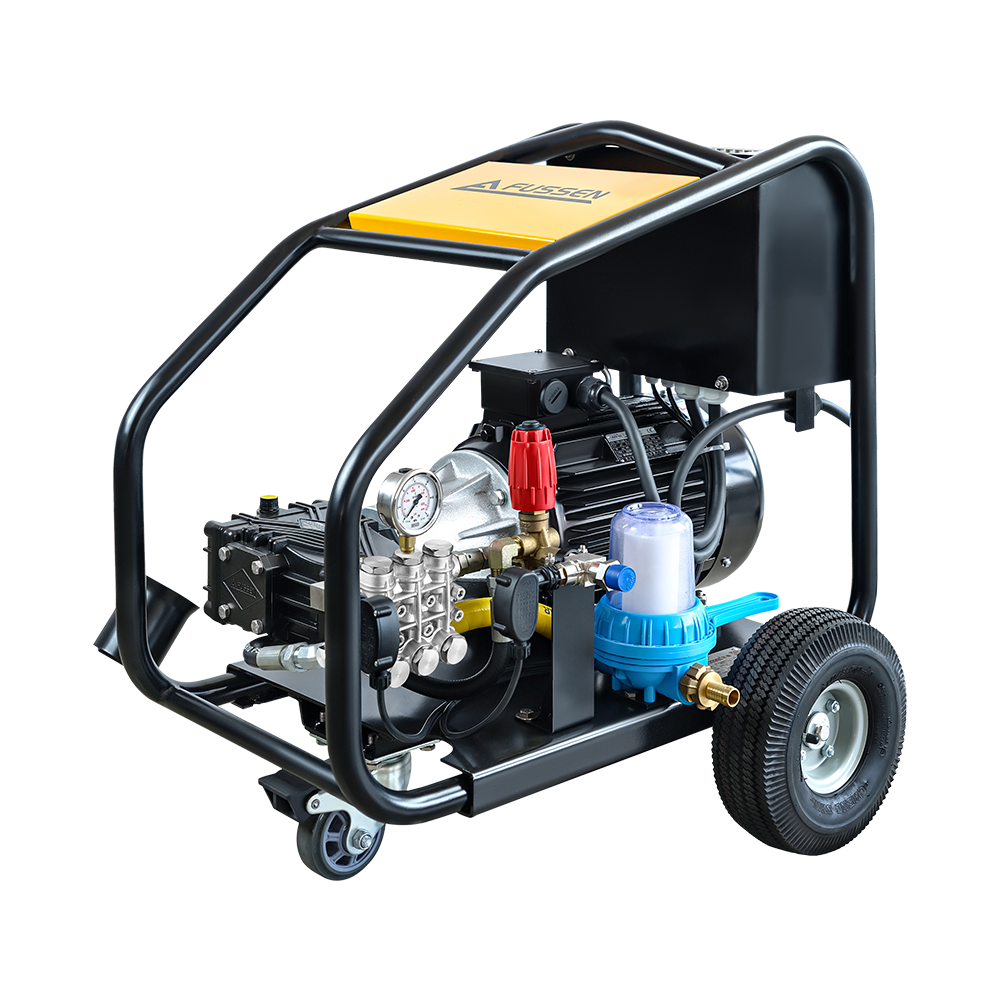
توفر غسالات الضغط الكهربائية حلاً متعدد الاستخدامات لمجموعة من مهام التنظيف، خاصة في البيئات التي تتطلب تقليل الضوضاء والانبعاثات إلى الحد الأدنى.
تُعد هذه الوحدات مثالية للاستخدامات الداخلية، حيث توفر طاقة مستقرة مع الحفاظ على مستوى الضوضاء التشغيلية عند الحد الأدنى.
فيما يلي ثلاث فوائد رئيسية لاستخدام غسالات الضغط الكهربائية:
بالإضافة إلى ذلك، غسالة الضغط العالي الكهربائية من سلسلة FBE تم تصميمه خصيصاً لمهام التنظيف الشاقة، مما يجعله خياراً ممتازاً للتطبيقات الصناعية.
للحصول على أفضل النتائج، ضع في اعتبارك سلسلة FBE أو سلسلة FCE، وكلاهما مصمم لتلبية متطلبات التنظيف عالية الأداء.
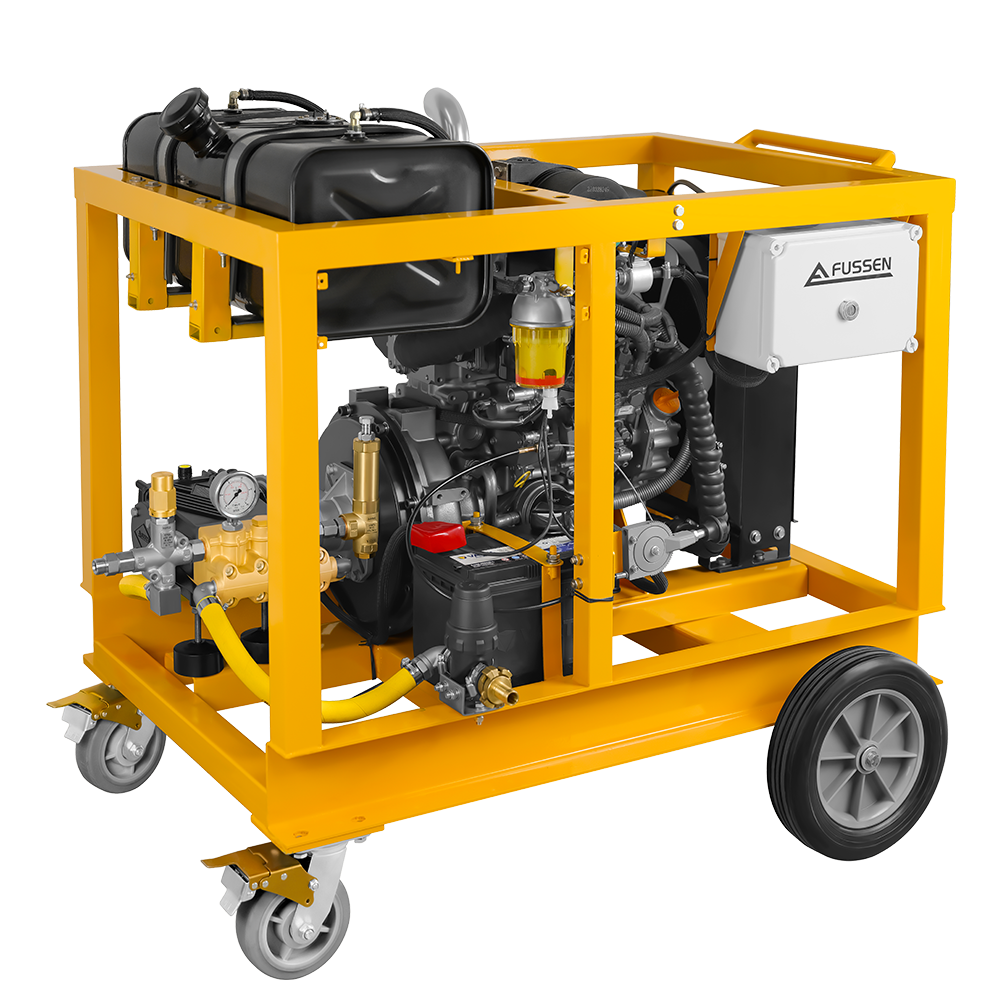
تُعد غسالات الضغط التي تعمل بالديزل خيارًا قويًا للتطبيقات الخارجية الصعبة، مثل صيانة خطوط الأنابيب البعيدة وأعمال البناء.
توفر محركات الديزل القوية الخاصة بهم ضغطًا عاليًا ومعدلات تدفق عالية، مما يجعلها مثالية لمهام التنظيف الشاقة في البيئات الوعرة.
ستجد أن طرازات مثل سلسلة FCD وسلسلة FED فعالة بشكل خاص، حيث أنها مصممة لتحمل ظروف التشغيل القاسية مع توفير أداء موثوق.
تستطيع هذه الغسالات التعامل بسهولة مع الشحوم والأوساخ والبقع العنيدة، مما يضمن صيانة فعالة للمعدات والمنشآت.
بالإضافة إلى ذلك، تتيح لك سهولة نقلها إمكانية نقلها إلى مواقع العمل المختلفة دون الحاجة إلى مصادر الطاقة الكهربائية.
إن الاستثمار في غسالة ضغط تعمل بالديزل يعني أنك مجهز لتحقيق الكفاءة والموثوقية في البيئات الخارجية الصعبة. علاوة على ذلك، مضخة مكبس عالية الجودة يضمن ضغطًا ثابتًا للحصول على نتائج تنظيف مثالية.
توفر غسالات الضغط بالماء الساخن حلاً فعالاً لتطبيقات التنظيف التي تشمل إزالة الشحوم الثقيلة ومخلفات الهيدروكربونات والزيوت.
تتفوق هذه الآلات في بيئات متنوعة، مما يضمن أعلى مستويات الأداء من خلال استخدام المياه ذات درجات الحرارة العالية.
فيما يلي ثلاث فوائد رئيسية لاستخدام غسالات الضغط بالماء الساخن:

في البيئات الخطرة مثل مصافي النفط ومصانع الكيماويات، تعتبر غسالات الضغط المقاومة للانفجار ضرورية لضمان التنظيف الآمن والفعال.
صُممت هذه الآلات لمنع اشتعال الأبخرة القابلة للاشتعال، مما يجعلها مناسبة للمنصات البحرية والمناطق الخطرة الأخرى. وقد صُممت الطرازات الرئيسية مثل FAE-EX وFBE-EX وFCE-EX وFDE-EX خصيصًا لتلبية معايير السلامة الصارمة، مما يضمن موثوقيتها أثناء التشغيل. فعلى سبيل المثال، تعمل سلسلة FBE-EX بواسطة محرك مقاوم للانفجار, ، مما يسمح بقدرات ضغط عالية تصل إلى 350 بار و 21 لتر / دقيقة.
عند اختيار غسالة الضغط، ضع في اعتبارك مصدر الطاقة: تتوفر خيارات الكهرباء أو الديزل أو الماء الساخن، وكل منها مصمم لتلبية احتياجات التنظيف المختلفة.
تتميز النماذج الكهربائية بتشغيل هادئ، بينما توفر وحدات الديزل قدرة عالية على الحركة. وبغض النظر عن الاختيار، فإن ضمان الامتثال لأنظمة السلامة أمر بالغ الأهمية لحماية الأفراد والمعدات في الأجواء القابلة للاشتعال.
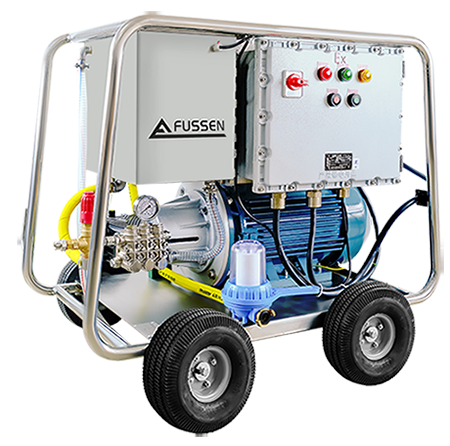
عند تقييم غسالات الضغط التي تعمل بالزيت والغاز، يجب إعطاء الأولوية للميزات الأساسية التي تعزز السلامة والأداء.
ابحث عن محركات وأنظمة تحكم مقاومة للانفجار، بالإضافة إلى مضخات مكبس متينة مصنوعة من السيراميك أو سبائك الصلب تضمن طول العمر.
بالإضافة إلى ذلك، ضع في اعتبارك استخدام إطارات من الفولاذ المقاوم للصدأ لمقاومة التآكل، ونظام حماية ذكي للتشغيل السلس لحماية معداتك. علاوة على ذلك، مضخة من الفولاذ المقاوم للصدأ من سلسلة FEK تم تصميمه لتطبيقات الضغط العالي، مما يجعله خيارًا موثوقًا به لمهام التنظيف الصناعية.

عند تقييم غسالات الضغط للتطبيقات الصناعية، فإن فهم أهمية المحركات وأنظمة التحكم المقاومة للانفجار أمر ضروري لضمان السلامة والامتثال.
توفر هذه المكونات الحماية من البيئات الخطرة، لا سيما في قطاعي النفط والغاز حيث تكثر المواد القابلة للاشتعال. عند اختيار معداتك، ضع في اعتبارك الميزات التالية:
يُعد اختيار مضخة المكبس المناسبة أمرًا بالغ الأهمية لتحسين أداء غسالة الضغط الصناعية. عند تقييم المضخات، ضع في اعتبارك خيارات المضخات المصنوعة من السيراميك مقابل المضخات المصنوعة من سبائك الفولاذ.
تُعرف المكابس الخزفية بمقاومتها العالية للتآكل، مما يضمن عمرًا طويلًا في الظروف القاسية وثبات ضغط التشغيل. كما أنها تتفوق في التطبيقات التي تستخدم مواد كيميائية قاسية، مما يقلل من مخاطر التآكل.
من ناحية أخرى، توفر مكابس الفولاذ السبائكي قوة ومتانة عاليتين، مما يجعلها مناسبة للتطبيقات ذات الضغط العالي. قد تكون أقل تكلفة، ولكنها قد تتطلب صيانة أكثر مع مرور الوقت.
قيّم المتطلبات الخاصة بعملياتك، بما في ذلك مستويات الضغط وأنواع السوائل، لاختيار المادة الأنسب. سيضمن التوافق مع نظامك تحسين الكفاءة والموثوقية بشكل عام. علاوة على ذلك، من الضروري فهم تأثير اختيار المواد على عمر وأداء نظام المضخة الخاص بك.
إن اختيار المواد المناسبة لا يقتصر على المضخة فحسب؛ بل إن هيكل غسالة الضغط الصناعية يلعب دورًا محوريًا في طول عمرها وأدائها.
يُوفر اختيار إطارات الفولاذ المقاوم للصدأ مقاومة فائقة للتآكل، مما يُعزز المتانة في البيئات القاسية. إليك ثلاث ميزات رئيسية يجب تقييمها:
عند تقييم غسالات الضغط الصناعية، فإن دمج نظام الحماية الذكي لبدء التشغيل الناعم يمكن أن يعزز بشكل كبير كلاً من عمر المعدات وكفاءة التشغيل.
تعمل هذه الخاصية على زيادة طاقة المحرك تدريجياً، مما يقلل من الارتفاع المفاجئ في الطاقة الذي عادةً ما يُجهد المكونات. ومن خلال تقليل الإجهاد الميكانيكي أثناء بدء التشغيل، ستطيل عمر الأجزاء الحيوية، مثل المضخة والمحرك.
بالإضافة إلى ذلك، تساعد هذه التقنية على منع الارتفاعات المفاجئة في الضغط التي قد تؤدي إلى انفجار الخراطيم أو تلف الوصلات. كما ستلاحظ سلاسة أكبر في التشغيل، مما يتيح تحكمًا أدق أثناء مهام التنظيف. علاوة على ذلك، فإن فهم تشغيل غسالة الضغط العالي يمكن أن يساعدك ذلك على تقدير الدور الحيوي الذي تلعبه حماية بدء التشغيل السلس في الحفاظ على الأداء المتسق.
عند اختيار غسالة الضغط، تأكد من احتوائها على هذه الميزة لتحسين الأداء وتقليل تكاليف الصيانة على المدى الطويل. الاستثمار في نظام الحماية الذكي للتشغيل السلس قد يكون مجديًا للغاية في البيئات الصناعية الصعبة.
تُعد خزانات المياه الكبيرة ضرورية لغسالات الضغط الصناعية، حيث توفر الخزان اللازم للتشغيل المستمر دون الحاجة إلى إعادة التعبئة المتكررة.
عند تقييم هذه الخزانات، ضع في اعتبارك الميزات التالية لضمان الأداء الفعال:
أثناء تقييم غسالات الضغط الصناعية، يعد ضمان سهولة الوصول للصيانة وتوافر قطع الغيار أمرًا ضروريًا لتقليل وقت التوقف وزيادة الإنتاجية إلى أقصى حد.
ابحث عن نماذج مزودة بنقاط وصول موضوعة بشكل استراتيجي لتسهيل الصيانة الدورية، مثل تغيير الفلاتر وفحص المضخات. كما أن التصميم المعياري يُسهّل عملية الفك السريع، مما يُمكّن الفنيين من الوصول إلى المكونات الحيوية دون بذل جهد كبير.
بالإضافة إلى ذلك، تأكد من أن الشركة المصنعة توفر مخزونًا شاملاً من قطع الغيار، مما يضمن لك الحصول على أي بدائل ضرورية بسرعة. ضع في اعتبارك الضمان وخدمات الدعم المقدمة، حيث يمكن أن تؤثر هذه الخدمات بشكل كبير على عمر جهازك وكفاءته التشغيلية. قم بإجراء فحوصات دورية لـ تسربات الزيت أو الماء يمكن أن يساعد في تحديد المشكلات المحتملة قبل تفاقمها، مما يضمن الأداء المتسق والموثوقية.
عند اختيار غسالة ضغط تعمل بالزيت والغاز، من الضروري عدم التركيز فقط على PSI، حيث يلعب معدل التدفق دورًا مهمًا بنفس القدر في الأداء.
يرتكب العديد من المشترين خطأ اختيار نماذج مخصصة للمستهلكين لا يمكنها تحمل المتطلبات الصناعية، كما أن تجاهل شهادات المناطق الخطرة الضرورية يمكن أن يؤدي إلى مشاكل خطيرة تتعلق بالسلامة.
بالإضافة إلى ذلك، فإن تجاهل عوامل مثل مقاومة التآكل قد يُقصر من عمر معداتك، مما يؤدي إلى تكاليف استبدال باهظة لاحقًا. من الضروري مراعاة ما يلي: اختيار مادة المضخة بناءً على الظروف البيئية لضمان المتانة والموثوقية.
يخطئ العديد من المشترين في التركيز فقط على PSI عند اختيار غسالة ضغط تعمل بالزيت والغاز، معتقدين أن الأرقام الأعلى تترجم تلقائيًا إلى أداء أفضل.
على الرغم من أهمية قياس الضغط بالرطل لكل بوصة مربعة (PSI)، إلا أنه ليس العامل الوحيد الذي يجب مراعاته. إليك ثلاثة عناصر أساسية يجب تقييمها:
قد يؤدي التركيز فقط على ضغط الماء (PSI) إلى إغفال معيار بالغ الأهمية آخر: معدل التدفق. يؤثر معدل التدفق، الذي يُقاس بالغالونات في الدقيقة (GPM)، بشكل مباشر على كفاءة التنظيف. قد يؤدي ارتفاع ضغط الماء مع انخفاض معدل التدفق إلى تنظيف الأسطح بشكل غير فعال، لأن كمية الماء غير كافية لإزالة الأوساخ والشوائب.
في المقابل، يضمن التوازن بين ضغط الماء (PSI) ومعدل التدفق (GPM) أقصى قدرة تنظيف، مما يُزيل الأوساخ بفعالية. عند اختيار غسالة ضغط تعمل بالزيت أو الغاز، ضع في اعتبارك مهام التنظيف المحددة. بالنسبة للأعمال الشاقة، اختر معدات بمعدل تدفق لا يقل عن 4 جالونات في الدقيقة، بينما قد تتطلب المهام الخفيفة معدل تدفق 2 جالون في الدقيقة فقط.
قد يؤدي تجاهل معدل التدفق إلى أداء غير كافٍ، وإهدار للوقت، وزيادة في استهلاك جهازك. لذا، احرص دائمًا على تقييم كلا المقياسين للحصول على أفضل النتائج، حيث المزايا التشغيلية التأكيد على أهمية امتلاك المعدات المناسبة للتنظيف الفعال.
كيف تعرف أنك تختار غسالة الضغط المناسبة التي تعمل بالزيت والغاز لاحتياجاتك؟ قد يكون اختيار جهاز للاستخدام المنزلي أمرًا صعبًا، خاصة إذا تجاهلت عوامل رئيسية.
فيما يلي ثلاثة اعتبارات بالغة الأهمية:
عند شراء غسالة ضغط تعمل بالنفط والغاز، من الضروري عدم إغفال شهادة المناطق الخطرة، لأن هذا يضمن أن المعدات تلبي معايير السلامة للتشغيل في البيئات التي يحتمل أن تكون قابلة للانفجار.
تضمن هذه الشهادات، مثل ATEX أو IECEx، أن الغسالة مصممة لمنع مصادر الاشتعال، وتتميز بمكونات مثل المحركات المقاومة للانفجار وأجهزة التحكم الآمنة جوهريًا.
بدون هذه الشهادة، فإنك لا تخاطر فقط بتعطل المعدات، بل تخاطر أيضًا بمخاطر السلامة الجسيمة التي يمكن أن تعرض الأفراد للخطر وتؤثر على العمليات.
تأكد دائمًا من أن غسالة الضغط مصممة للعمل في المناطق الخطرة المحددة التي ستعمل فيها.
يُوفر الاستثمار في المعدات المعتمدة راحة البال والامتثال للوائح الصناعية، مما يحمي موقع عملك ويضمن كفاءة التشغيل. بالإضافة إلى ذلك، ضع في اعتبارك المعدات التي تتضمن ميزات مقاومة للانفجار لتعزيز السلامة والموثوقية.
لا تتهاون في مسائل السلامة.

على الرغم من أنك قد تعطي الأولوية لتصنيفات الطاقة والضغط عند اختيار غسالة ضغط تعمل بالزيت والغاز، إلا أن تجاهل مقاومة التآكل يمكن أن يؤدي إلى تكاليف كبيرة على المدى الطويل ومشاكل تشغيلية.
يمكن أن يؤدي التآكل إلى الإضرار بسلامة معداتك، مما يؤدي إلى أعطال مبكرة.
فيما يلي ثلاثة عوامل رئيسية يجب أخذها في الاعتبار فيما يتعلق بمقاومة التآكل:
يتجاهل العديد من المشترين تكاليف الصيانة، ويركزون بشكل أساسي على سعر الشراء الأولي لغسالة الضغط التي تعمل بالزيت والغاز. ومع ذلك، يمكن أن تؤثر النفقات المستمرة بشكل كبير على ميزانيتك الإجمالية.
تشمل الصيانة الدورية تغيير الزيت، واستبدال الفلاتر، والفحوصات الروتينية، والتي قد تتراكم تكلفتها بسرعة. كما يجب مراعاة التآكل والاهتراء في المكونات مثل الخراطيم والمضخات والفوهات، حيث قد تحتاج هذه المكونات إلى الاستبدال مع مرور الوقت.
قد يؤدي إهمال هذه التكاليف إلى إصلاحات غير متوقعة تعطل عملك وتزيد من نفقاتك. بالإضافة إلى ذلك، فإن استخدام مواد تنظيف غير مناسبة قد يُسرّع من التآكل، مما يزيد من وتيرة الصيانة.
عند وضع ميزانية لغسالة الضغط، ضع في اعتبارك هذه التكاليف المستمرة لضمان استعدادك المالي لامتلاك هذه المعدات الأساسية على المدى الطويل. إعدادات الضغط كما يمكن أن يساعد ذلك في تقليل التآكل وضمان التشغيل الفعال.
قد يؤدي إهمال الحصول على الدعم الفني المحلي إلى انتكاسات كبيرة عند شراء غسالة ضغط تعمل بالنفط والغاز.
بدون خبرة محلية، قد تواجه تحديات مثل التركيب غير السليم، والصيانة غير الكافية، وتأخر الإصلاحات. من الضروري مراعاة العوامل التالية:
بالإضافة إلى ذلك، يمكن للدعم المحلي أن يوفر رؤى حول محرك صناعي ميزات تعزز المتانة والكفاءة.

قد يبدو الاستثمار في المعدات بدون هذا الدعم الحاسم اقتصاديًا في البداية، ولكنه قد يؤدي إلى تكاليف طويلة الأجل كبيرة وعدم كفاءة تشغيلية.
لا تغفل أهمية المساعدة التقنية المحلية.
قبل شراء غسالة ضغط تعمل بالزيت والغاز، عليك التفكير في عدة عوامل حاسمة.
اسأل نفسك ما إذا كانت شهادة مقاومة الانفجار ضرورية لتطبيقك، وما هي معدلات الضغط والتدفق التي ستلبي احتياجاتك، وما إذا كان التشغيل المستمر مطلوبًا.
بالإضافة إلى ذلك، حدد ما إذا كان الماء الساخن ضروريًا لمهامك وما هي قطع الغيار المتوفرة بسهولة للصيانة.
عند تقييم ما إذا كانت شهادة مقاومة الانفجار ضرورية لغسالة الضغط الخاصة بك التي تعمل بالنفط والغاز، فمن المهم مراعاة البيئات المحددة التي ستعمل فيها.
ضع في اعتبارك العوامل التالية:
يُعدّ اختيار الضغط ومعدل التدفق المناسبين لغسالة الضغط التي تعمل بالزيت والغاز أمرًا أساسيًا لضمان تنظيف فعال وكفاءة عالية. يُنصح عمومًا بنطاق ضغط يتراوح بين 2000 و3500 رطل لكل بوصة مربعة لمعظم المهام. أما بالنسبة لمعدل التدفق، فيُفضّل أن يتراوح بين 2 و4 جالونات في الدقيقة لتحقيق أقصى قدر من التنظيف دون هدر الماء. الصيانة الدورية و تنظيف المبادل الحراري وهي ضرورية للحفاظ على الأداء الأمثل.
| نوع المهمة | الضغط الموصى به (PSI) | معدل التدفق الموصى به (جالون في الدقيقة) |
|---|---|---|
| تنظيف خفيف | 2000–2500 | 2-3 |
| تنظيف متوسط | 2500–3000 | 3-4 |
| التنظيف الشامل | 3000–3500 | 4-5 |
إن فهم ما إذا كانت غسالة الضغط التي تعمل بالزيت والغاز ستعمل بشكل مستمر أمر بالغ الأهمية لتحديد مدى ملاءمتها لاحتياجات التنظيف الخاصة بك.
يُعد التشغيل المستمر أمرًا بالغ الأهمية، لا سيما في المشاريع الكبيرة. إليك ثلاثة عوامل رئيسية يجب مراعاتها:
إن النظر في القدرات التشغيلية لغسالة الضغط التي تعمل بالزيت والغاز يؤدي إلى طرح أسئلة مهمة حول ميزاتها، بما في ذلك ما إذا كان الماء الساخن ضروريًا لمهام التنظيف الخاصة بك.
يُمكن للماء الساخن أن يُحسّن كفاءة التنظيف بشكلٍ كبير، خاصةً عند التعامل مع الشحوم والزيوت والبقع الصعبة. فهو يُساعد على إذابة البقايا بشكلٍ أفضل من الماء البارد، مما يُقلل الحاجة إلى استخدام المواد الكيميائية القاسية. إذا كنت تُنظّف بشكلٍ أساسي أسطحًا مثل الخرسانة أو المعدات في البيئات الصناعية، فقد يكون الماء الساخن ضروريًا للحصول على أفضل النتائج.
مع ذلك، بالنسبة للمهام الخفيفة أو الصيانة الدورية، قد يكون الماء البارد كافياً. قيّم متطلبات التنظيف الخاصة بك وأنواع الملوثات التي ستواجهها.
في النهاية، سيعتمد قرار استخدام الماء الساخن على احتياجاتك التشغيلية وقيود الميزانية.
قبل إتمام عملية الشراء، من المهم الاستفسار عن قطع الغيار المتوفرة لغسالة الضغط التي تعمل بالزيت والغاز.
إن إمكانية الوصول إلى قطع الغيار البديلة يمكن أن تقلل بشكل كبير من وقت التوقف عن العمل وتكاليف الصيانة.
فيما يلي ثلاثة قطع غيار أساسية يجب عليك التحقق من توفرها:
ما مدى إمكانية تصميم غسالة الضغط التي تعمل بالزيت والغاز لتناسب احتياجاتك الخاصة؟
ستجد أن معظم الطرازات توفر خيارات تخصيص متنوعة، بما في ذلك إعدادات ضغط قابلة للتعديل، وأنواع فوهات مختلفة، وملحقات تنظيف متعددة. يمكنك اختيار نطاق الضغط المناسب لمختلف المهام، سواء كنت تنظف آلات ثقيلة أو أسطحًا حساسة.
بالإضافة إلى ذلك، تسمح لك بعض الأنظمة بدمج ميزات متخصصة مثل خيارات الماء الساخن أو حاقنات المواد الكيميائية المحددة لتحسين كفاءة التنظيف.
يمكنك أيضًا اختيار خيارات التنقل، مثل التكوينات المثبتة على مقطورة أو المثبتة على قاعدة انزلاقية، وذلك حسب متطلبات موقعك.
قبل الشراء، تأكد من أن الشركة المصنعة توفر مواصفات تخصيص مفصلة لمواءمة النظام تمامًا مع متطلبات التشغيل الخاصة بك، مما يعزز الأداء والإنتاجية بشكل عام. شركة فوسن للمضخات، شركة رائدة في تطوير أنظمة الضغط العالي, تقدم حلولاً قياسية وأخرى مصممة خصيصاً لتلبية احتياجات العملاء المتنوعة.
هل تدرك أهمية تدريب المشغلين عند استخدام غسالة الضغط التي تعمل بالزيت والغاز؟
يضمن التدريب المناسب السلامة والكفاءة والتشغيل الفعال. قبل الشراء، يجب التأكد مما إذا كان المصنّع أو الموزع يقدم برامج تدريب شاملة.
فيما يلي ثلاثة جوانب رئيسية يجب أخذها في الاعتبار:
إن الاستثمار في تدريب المشغلين لا يعزز الأداء فحسب، بل يقلل أيضاً من مخاطر الأخطاء المكلفة.
عند التفكير في شراء غسالة ضغط تعمل بالزيت والغاز، من المهم الاستفسار عن جدول الصيانة الموصى به لضمان أعلى أداء وعمر أطول. تضمن الصيانة الدورية تشغيل جهازك بكفاءة وتطيل عمره. عادةً، يُنصح باتباع جدول صيانة مُنظّم.
إليكم دليل صيانة موجز:
| مهمة صيانة | تكرار |
|---|---|
| تحقق من مستوى الزيت | قبل كل استخدام |
| تغيير الزيت | كل 50 ساعة تشغيل |
| فلتر هواء نظيف | كل 25 ساعة تشغيل |
| افحص الخراطيم والفوهات | شهريا |
| افحص شمعة الإشعال | كل 100 ساعة تشغيل |
تختلف متطلبات تنظيف النفط والغاز اختلافًا كبيرًا بين المصافي، والمنصات البحرية، ومحطات خطوط الأنابيب، ومواقع الحفر، ومصانع البتروكيماويات. ويعتمد اختيار غسالة الضغط الأنسب على بيئة التشغيل، ونوع التلوث، وتوافر الطاقة، ومتطلبات الضغط، وتصنيف المنطقة الخطرة.
تقدم شركة Fussen أنظمة كهربائية، وأنظمة تعمل بالديزل، وأنظمة تعمل بالماء الساخن، وأنظمة مقاومة للانفجار، وأنظمة ذات ضغط عالٍ للغاية يمكن مطابقتها مع مهام صيانة النفط والغاز المختلفة.
| تطبيقات النفط والغاز | متطلبات التنظيف الرئيسية | سلسلة فوسن الموصى بها | لماذا يناسب؟ |
|---|---|---|---|
| التنظيف الروتيني لمعدات التكرير | قم بإزالة الأوساخ والزيوت الخفيفة وبقايا العمليات من المضخات والصمامات والآلات. | FBE / FCE | وحدات كهربائية صناعية ذات خرج ثابت، ومكابس خزفية، ونظام ترشيح، ومحركات منخفضة السرعة |
| التنظيف داخل مناطق الإنتاج الخطرة | تنظيف آمن في الأماكن التي قد تتواجد فيها غازات أو أبخرة قابلة للاشتعال | FAE-EX / FBE-EX | محركات وصناديق تحكم مقاومة للانفجار، مع خيارات حماية ATEX و Ex |
| تنظيف المناطق الخطرة ذات المهام الشاقة | زيادة الضغط على الرواسب العنيدة في مصافي النفط ومصانع البتروكيماويات | FCE-EX / FDE-EX | هيكل مقاوم للانفجار مع خيارات ضغط تتراوح من 350 إلى 1000 بار تقريبًا |
| إزالة الشحوم الثقيلة والهيدروكربونات | إزالة الزيوت والشحوم والطبقات الزيتية بكفاءة أكبر | FHE-P / FHE-S | تقوم أنظمة الماء الساخن بتسخين الماء حتى 90 درجة مئوية، مما يساعد على إزالة الشحوم والتلوث بالهيدروكربونات |
| تنظيف المنصات البحرية والمحطات البحرية | إزالة الملح، ومكافحة التآكل، وتنظيف الأسطح والآلات | FWE / FME / FDE | توفر المضخات أو الإطارات المصنوعة من الفولاذ المقاوم للصدأ مقاومة محسّنة للتآكل في البيئات البحرية. |
| صيانة خطوط الأنابيب والمواقع البعيدة | خدمات التنظيف المتنقلة في المناطق التي تكون فيها الطاقة الكهربائية محدودة أو غير متوفرة | FBD / FCD / FED | توفر الأنظمة التي تعمل بالديزل تشغيلاً مستقلاً وقدرة أكبر على التنقل في المواقع النائية |
| تنظيف منصات الحفر | قم بإزالة طين الحفر والشحوم وبقايا الأسمنت والرواسب الثقيلة | FCD / FED / FKD | قوة ديزل عالية التحمل مع خيارات ضغط وتدفق أعلى لظروف العمل الميدانية الصعبة |
| تنظيف الأنابيب والمواسير | التنظيف الداخلي للأنابيب والمصارف وخطوط المعالجة المختارة | FLE / FED / FKD | متوافق مع فوهات تنظيف الأنابيب، وبكرات الخراطيم، وصمامات القدم، وخراطيم الضغط العالي. |
| إزالة الطلاء والصدأ والطبقة الواقية | تحضير السطح قبل الفحص أو الإصلاح أو إعادة الطلاء | FDE / FKE / FED | توفر خيارات الضغط من 500 إلى 1000 بار قوة إزالة أقوى للصدأ والطلاءات الصناعية |
| تحضير الأسطح تحت ضغط فائق | إزالة الطلاءات الملتصقة بقوة، والترسبات، والتآكل. | FRE / FKD | تتوفر أنظمة كهربائية وأنظمة تعمل بالديزل بضغوط تتراوح من 1000 إلى 2800 بار لأعمال القطع المائي المتقدمة |
| التنظيف أثناء الإغلاق والتنظيف قبل بدء التشغيل | مهام تنظيف مكثفة متعددة خلال فترة صيانة محدودة | FCE-EX / FDE-EX / FRE / FKD | مناسبة للعمليات الشاقة، والترسبات الصعبة، ومشاريع الصيانة الحساسة للوقت |
بالنسبة للمصافي ومصانع البتروكيماويات ومزارع الخزانات ومرافق معالجة الغاز، يجب أن يكون القرار الأول هو ما إذا كانت منطقة التنظيف مصنفة على أنها خطرة.
تشمل مجموعة منتجات فوسن المقاومة للانفجار ما يلي:
تستخدم هذه الأنظمة محركات ومعدات تحكم مقاومة للانفجار، مع خيارات إضافية تشمل تصنيفات ATEX و Exd IIB T4 Gb و Exd IIC T4 Gb. ويجب أن يستند اختيار المعدات النهائي دائمًا إلى تصنيف المنطقة الخطرة الرسمي للمنشأة ومتطلبات المشروع.
عندما تكون المشكلة الرئيسية هي بقايا النفط الخام أو مواد التشحيم أو الشحوم الثقيلة، يمكن أن تكون درجة الحرارة بنفس أهمية الضغط.
تجمع سلسلتا FHE-P و FHE-S بين:
هذه النماذج مناسبة لورش الصيانة، وتنظيف الآلات، ومكونات المحركات، والمناطق غير الخطرة حيث يمثل التلوث الزيتي التحدي الرئيسي في التنظيف.
قد لا تتوفر طاقة كهربائية موثوقة في ممرات خطوط الأنابيب ومواقع الحفر والمحطات ومناطق الصيانة الخارجية. توفر سلسلة محركات الديزل من فوسن استقلالية تشغيلية أكبر.
تشمل الخيارات المناسبة ما يلي:
تعتبر آلات الديزل مفيدة بشكل خاص للصيانة عن بعد، ولكن لا ينبغي استخدامها داخل المناطق الخطرة المصنفة إلا إذا تم تصميم النظام بالكامل واعتماده خصيصًا لتلك البيئة.
تقدم شركة Fussen أنظمة كهربائية وديزل فائقة الضغط لإزالة الطلاء والصدأ وإعداد الأسطح وغيرها من الملوثات شديدة الالتصاق.
تُعد هذه الأنظمة أكثر ملاءمة للمقاولين المتخصصين، وفرق إيقاف تشغيل المصافي، وأحواض بناء السفن، وشركات الصيانة الصناعية التي تتطلب أكثر من مجرد غسيل الضغط التقليدي.
ينبغي اختيار غسالة الضغط المناسبة التي تعمل بالزيت والغاز وفقًا لما يلي:
بإمكان شركة Fussen توفير نماذج قياسية بالإضافة إلى أنظمة مخصصة، مما يسمح لك بتحديد الضغط والتدفق ومصدر الطاقة والمواد وأدوات التحكم والملحقات بما يتناسب مع مهمة التنظيف الفعلية بدلاً من شراء آلة كبيرة الحجم للأغراض العامة.
عند التفكير في استخدام غسالات الضغط في منشآت النفط والغاز، قد يكون لديك العديد من الأسئلة المهمة.
على سبيل المثال، هل يمكن لغسالة الضغط القياسية أن تعمل بأمان في مصفاة نفط، وهل تحتاج دائمًا إلى نماذج مقاومة للانفجار؟
بالإضافة إلى ذلك، فإن فهم أفضل الممارسات لتنظيف المعدات وتكرار صيانتها أمر ضروري لتحقيق الأداء الأمثل.
هل يمكن لغسالة الضغط القياسية أن تعمل بكفاءة في بيئة مصفاة نفط؟ على الرغم من أن الأمر قد يبدو مناسباً، إلا أن استخدام غسالة الضغط القياسية في مثل هذه البيئة ينطوي على مخاطر كبيرة.
فيما يلي ثلاثة اعتبارات بالغة الأهمية:
في منشآت النفط والغاز، لا يُعد استخدام غسالات الضغط المقاومة للانفجار مجرد توصية، بل هو في كثير من الأحيان شرط أساسي. فوجود الأبخرة القابلة للاشتعال وأنظمة الضغط العالي يستلزم استخدام معدات مصممة للحد من المخاطر المرتبطة بالانفجارات.
صُممت غسالات الضغط المقاومة للانفجار بمكونات محكمة الإغلاق، مما يمنع تسرب مصادر الاشتعال ويقلل من خطر الاحتراق. كما تتوافق هذه الغسالات مع معايير السلامة الصارمة، مما يضمن قدرتها على العمل في البيئات الخطرة دون أن تشكل أي تهديد للأفراد أو المعدات.
قد يغريك استخدام الغسالات القياسية، لكن ذلك قد يؤدي إلى أعطال كارثية. لذا، احرص دائمًا على مراجعة لوائح السلامة والإرشادات الصناعية لضمان الامتثال وإعطاء الأولوية للسلامة في عملياتك.
يُعد اختيار المعدات المناسبة أمرًا ضروريًا لتقليل المخاطر في هذه البيئات المتقلبة، لا سيما بالنظر إلى الحاجة إلى تأثير الضغط العالي لتنظيف بقايا الزيوت والشحوم بكفاءة.
على الرغم من أن غسالات الضغط بالماء الساخن والبارد فعالة في تنظيف الأسطح، إلا أن الماء الساخن يُحسّن بشكل كبير إزالة الزيوت الخام والشحوم. فدرجة الحرارة المرتفعة تُساعد على تفتيت الرواسب السميكة والمتكتلة، مما يُسهّل إزالتها. إضافةً إلى ذلك، يُمكن للماء الساخن أن يُحسّن فعالية المنظفات والمستحلبات.
إليكم ثلاثة أسباب تجعل الماء الساخن مفضلاً:
يمكن أن يوفر لك استخدام غسالات الضغط بالماء الساخن الوقت ويضمن تنظيفًا شاملاً في منشآت النفط والغاز.
عند تنظيف معدات المصفاة، يعد استخدام الضغط الصحيح أمراً ضرورياً للحصول على نتائج فعالة دون التسبب في تلفها.
بشكل عام، يُنصح باستخدام ضغط يتراوح بين 3000 و 4000 رطل لكل بوصة مربعة لمعظم مهام التنظيف. هذا المستوى يزيل الرواسب والملوثات المستعصية بفعالية، مما يضمن التشغيل الآمن للمعدات.
مع ذلك، بالنسبة للمكونات الحساسة، يُنصح بتقليل الضغط إلى حوالي 2000 رطل لكل بوصة مربعة لتجنب أي خطر تلف. تأكد دائمًا من فحص مادة وحالة الجهاز قبل تحديد الضغط.
بالإضافة إلى ذلك، يمكن أن يساعدك استخدام الفوهات القابلة للتعديل في ضبط الضغط بدقة للأسطح المختلفة.
كم مرة يجب صيانة مضخات غسالات الضغط الصناعية لضمان أعلى أداء؟ الصيانة الدورية ضرورية لضمان تشغيل معداتك بكفاءة وعمر أطول. إليك دليل إرشادي لمساعدتك:
يُعد التحقق من حصول غسالة الضغط الخاصة بك التي تعمل بالزيت والغاز على الشهادات الصحيحة أمرًا ضروريًا للامتثال والسلامة في التطبيقات الصناعية.
ابحث عن شهادات من منظمات معترف بها مثل المعهد الوطني الأمريكي للمعايير (ANSI) ومختبرات أندررايترز (UL). تشير هذه الشهادات إلى أن المعدات تستوفي معايير السلامة والأداء الصارمة.
بالإضافة إلى ذلك، تحقق من الشهادات الخاصة بالمواقع الخطرة، مثل علامات الامتثال الخاصة بالرابطة الوطنية للحماية من الحرائق (NFPA) أو إدارة السلامة والصحة المهنية (OSHA).
إذا كنت تستخدم الغسالة في بيئات قابلة للاشتعال، فتأكد من حصولها على شهادة السلامة الجوهرية (IS).
لا تحمي هذه الشهادات موظفيك فحسب، بل تساعدك أيضًا على تجنب الغرامات الباهظة وأعطال المعدات.
تحقق دائمًا من الوثائق قبل الشراء للتأكد من مطابقتها للمواصفات.
في قطاع النفط والغاز، يُعدّ امتلاك غسالة الضغط المناسبة أمرًا حيويًا لضمان سير العمليات بسلاسة. من خلال فهم احتياجات التنظيف الخاصة بك وتقييم الميزات الأساسية، يمكنك تجنب الأخطاء المكلفة. تذكر أن المعدات المناسبة تُؤثر بشكل كبير على كفاءتك. لذا، لا تعتمد على خيار واحد فقط؛ خصص وقتًا للبحث واستثمر بحكمة. لن تُحسّن غسالة الضغط المُصممة خصيصًا احتياجاتك الإنتاجية فحسب، بل ستضمن أيضًا السلامة والامتثال في بيئة عملك.

 English
  Spanish
  French
  Russian
  Japanese
  Portuguese
  Arabic
  Korean