Selecting the appropriate factory cleaning pressure washer requires careful consideration of various technical specifications. Factors such as pressure ratings, flow rates, and surface compatibility play critical roles in performance. Additionally, durability and safety features must be assessed to guarantee operator protection during extensive use. Understanding these elements will provide a solid foundation for making an informed choice. However, the complexities involved may raise further questions about specific applications and equipment types.
A factory cleaning pressure washer is specifically engineered for industrial environments, distinguishing itself from residential models through its capacity for continuous operation and handling of heavy contamination. Unlike standard units, which may falter under rigorous demands, these high-pressure systems are designed for effective maintenance in settings that require frequent and intensive cleaning. Their robust construction and advanced technology enable them to maintain operational efficiency despite the challenges posed by industrial applications. Additionally, selecting the right خرطوم الضغط العالي is crucial for ensuring safety and performance in these demanding environments.
When comparing factory cleaning pressure washers to standard residential units, significant differences in design and functionality emerge. Industrial pressure washers are engineered for high performance, incorporating robust components that withstand continuous operation and heavy-duty tasks. They typically feature higher pressure ratings, often exceeding 3,000 PSI, and flow rates that facilitate efficient cleaning of extensive surfaces. In contrast, residential models prioritize convenience and lighter tasks, generally offering lower pressure and flow capabilities. Commercial pressure washers bridge the gap, delivering enhanced durability and performance suitable for frequent use in a variety of settings. Selecting the appropriate system, whether industrial or commercial, requires careful consideration of application demands, ensuring that the chosen unit can effectively manage the specific cleaning challenges encountered in an industrial environment. Additionally, understanding the pressure and flow rate is crucial to ensure optimal cleaning performance under demanding conditions.
Factory cleaning presents unique challenges that distinguish it from standard cleaning applications, primarily due to the demands of continuous use and the presence of heavy contamination. Unlike residential environments, factories require robust solutions capable of handling persistent grime and hazardous materials, necessitating specialized industrial cleaning equipment.
Key considerations include:
Moreover, the effectiveness of hot water systems significantly enhances cleaning efficiency, making them ideal for industrial applications. This specific need for reliability and efficiency makes standard pressure washers insufficient for industrial applications.
While standard pressure washers may suffice for residential cleaning tasks, they often fall short in the demanding environment of industrial maintenance. High-pressure systems, specifically designed for industrial applications, utilize advanced technology to generate superior cleaning power, making them indispensable. An industrial power washer typically operates at pressures exceeding 3000 PSI, allowing it to effectively remove stubborn grease, oil, and debris from heavy machinery and production areas. The durability of these high-pressure cleaning machines is essential, as they are built to withstand continuous use and harsh conditions. Additionally, their versatility enables operators to customize pressure and nozzle attachments, enhancing cleaning efficiency. Fundamentally, high-pressure systems are crucial for maintaining operational integrity and safety in industrial settings, ensuring ideal performance and longevity of equipment. Furthermore, models like the FKE Series provide high-pressure plunger pump capabilities that enhance corrosion resistance and efficiency during cleaning tasks.
In a factory environment, a pressure washer is capable of effectively cleaning heavy machinery, production lines, and various equipment by removing oil, grease, and industrial residues. Additionally, it can facilitate rust and paint removal, as well as surface preparation for maintenance tasks. Moreover, pressure washers are essential for the thorough cleaning of floors, walls, and overall facility infrastructure, ensuring a safe and efficient operational space. The use of ultra high pressure washers can significantly enhance the effectiveness of cleaning tasks, particularly in removing stubborn contaminants and preparing surfaces for maintenance.
Cleaning heavy machinery, production lines, and equipment in a factory environment presents unique challenges that demand effective solutions. Utilizing specialized factory floor cleaning equipment, operators can enhance cleanliness and operational efficiency. Key considerations include:
Additionally, understanding the performance metrics of pressure washers, such as pressure and flow rate, is crucial in selecting the right system for your specific cleaning needs.
Effectively removing oil, grease, and industrial residue is essential for maintaining a clean and safe factory environment. Pressure washers equipped with high-pressure systems and appropriate detergents facilitate the breakdown of stubborn contaminants. The choice of nozzle and pressure setting is critical; a narrow nozzle concentrates water pressure, enhancing the removal efficiency of viscous substances. Selecting a heated pressure washer can further improve cleaning outcomes, as elevated temperatures dissolve grease more proficiently. Additionally, industrial-grade detergents, formulated specifically for oil and grease, can be added to optimize cleaning processes. Regular maintenance and proper training for operators guarantee equipment longevity and consistent performance. Ultimately, a strategic approach to pressure washing can greatly enhance operational safety and equipment reliability in a factory setting. The سلسلة FHE-P is particularly effective for hot water high-pressure washing, ensuring faster degreasing and improved hygiene standards.
A pressure washer serves as a powerful tool for removing rust, paint, and preparing surfaces in a factory environment. Its high-pressure capabilities enable operators to effectively tackle various materials, ensuring ideal preparation for subsequent processes.
Key applications include:
Utilizing a pressure washer for these tasks enhances overall operational efficiency and contributes to a safer, more productive factory environment. Additionally, for severe cases of corrosion or coating removal, 2800 Bar pressure washers are essential to preserve the integrity of the materials being treated.
Pressure washers are essential for maintaining floors, walls, and overall facility infrastructure in a factory setting. They effectively remove accumulated grime, oil, grease, and other contaminants that compromise safety and operational efficiency. High-pressure jets can penetrate porous surfaces, ensuring thorough cleaning of concrete and tile flooring, while adjustable nozzles facilitate the removal of stubborn residues from walls and machinery.
Regular maintenance of these surfaces prevents deterioration and enhances the longevity of infrastructure. Utilizing appropriate detergents in conjunction with pressure washing can further optimize cleaning outcomes, particularly in areas prone to chemical spills or heavy traffic. Properly selected pressure washer systems provide operators with the control needed to address specific cleaning challenges, ensuring a hygienic and safe working environment. Moreover, selecting systems with continuous-duty operation enhances reliability and minimizes downtime, which is crucial for maintaining productivity in high-use facilities.
Selecting the appropriate pressure washer for factory cleaning involves careful consideration of several key factors. Matching the pressure rating (bar/PSI) to specific cleaning tasks is essential, while the flow rate (L/min) often plays a more critical role in ensuring effective cleaning. Additionally, evaluating the cleaning frequency and duty cycle requirements, alongside balancing performance with operating costs, is crucial for optimizing equipment selection. Understanding total cost of ownership is vital to ensure that the chosen equipment remains financially viable over its operational lifespan.
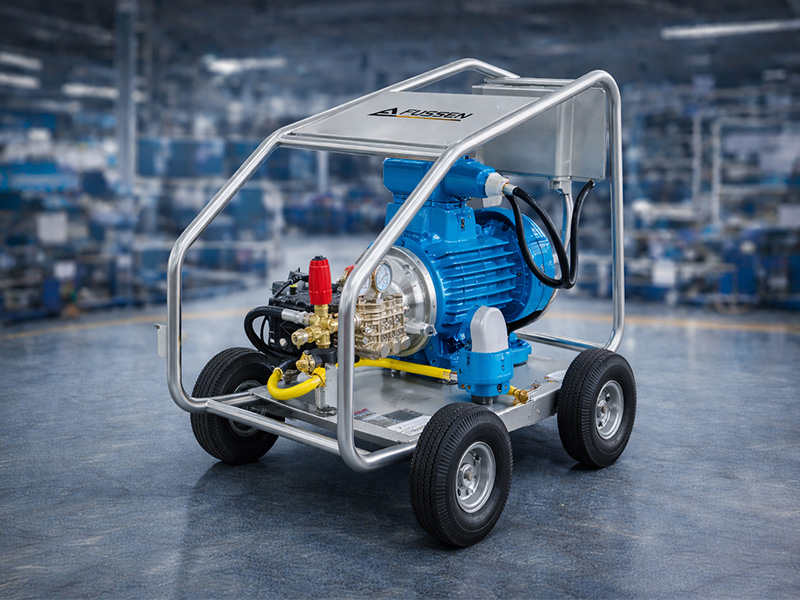
Understanding the appropriate pressure levels, measured in bar or PSI, is essential when determining the right pressure washer for factory cleaning tasks. Selecting the correct pressure guarantees ideal cleaning without damaging surfaces.
Matching the right pressure to the task enhances efficiency, prolongs equipment life, and guarantees safety during operation. Additionally, selecting the correct cleaning mechanism based on pressure type can further improve cleaning outcomes and protect sensitive surfaces.
When considering a pressure washer for factory cleaning, the flow rate, measured in liters per minute (L/min), plays a vital role in overall cleaning effectiveness. A higher flow rate facilitates the removal of contaminants by delivering a greater volume of water to the surface, enhancing rinsing capabilities and reducing the time required for thorough cleaning. This is especially important in industrial settings where debris accumulation can be substantial. While pressure is important, it is the flow rate that guarantees adequate coverage and penetration of cleaning agents. Additionally, a balanced flow rate can prevent surface damage often associated with excessive pressure, making it an essential factor for operational efficiency and equipment longevity in factory environments. Moreover, well-engineered pumps ensure stable pressure output and high efficiency, which are crucial for durability and stability in continuous industrial use.
The cleaning frequency and duty cycle requirements are critical factors in determining the appropriate pressure washer for factory cleaning applications. Organizations must assess their cleaning needs to select a system that can withstand the demands of continuous operation. Consider the following aspects:
Additionally, selecting a pressure washer that meets recognized standards ensures compliance with safety regulations and enhances overall performance. Understanding these elements will guide the selection of a robust and efficient pressure washing system tailored to specific factory conditions.
Selecting the right pressure washer for factory cleaning requires a careful evaluation of performance against operating costs, as efficiency and budgetary constraints greatly influence operational success. High-performance models typically offer powerful cleaning capabilities but may incur higher energy and maintenance costs. Conversely, lower-cost options may compromise efficiency, leading to longer cleaning times and increased labor expenses. A thorough analysis of water pressure, flow rate, and energy consumption is essential to determine the most cost-effective solution. Additionally, considering the lifespan and warranty of the equipment can provide insights into long-term operating costs. Balancing these factors allows facility managers to select a pressure washer that not only meets cleaning requirements but also aligns with financial goals, ensuring sustainable operations. Moreover, understanding the importance of pressure selection is crucial for optimizing cleaning efficiency in various industrial settings.
Factory cleaning pressure washers are categorized based on their power source and application suitability. Electric pressure washers are designed for stable, indoor environments, while diesel and gasoline units provide mobility for outdoor operations. Additionally, hot water pressure washers are effective for removing heavy grease and oil, and explosion-proof systems are essential for cleaning in hazardous environments. For instance, the FDE-EX Series explosion-proof washer is specifically engineered for high-pressure tasks in such settings.
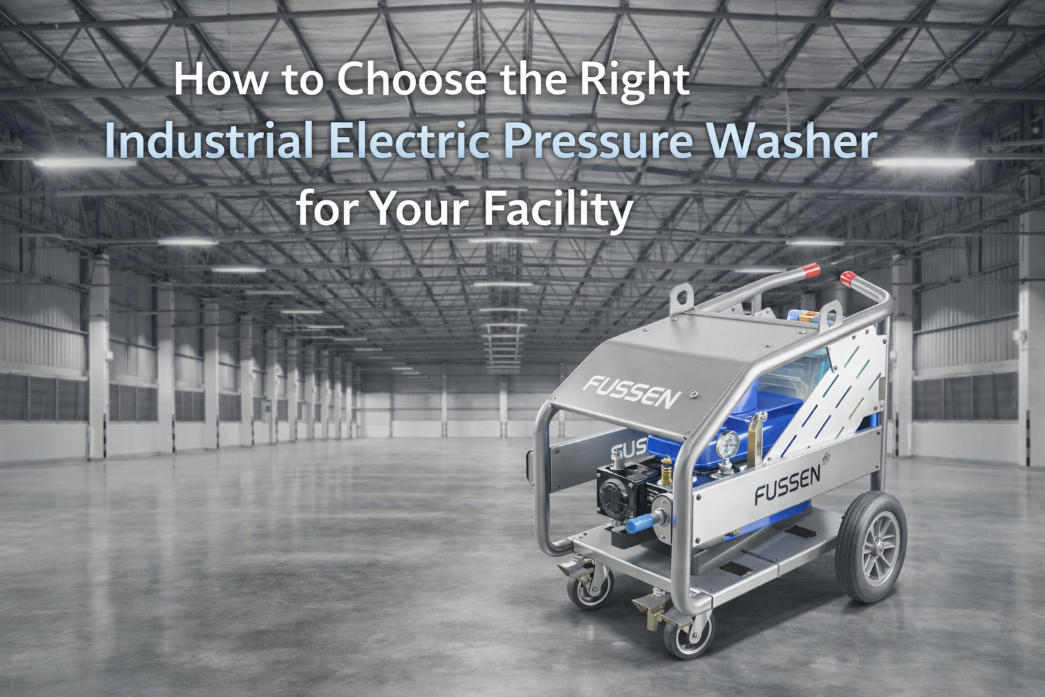
Among the various types of pressure washers, electric models are particularly suited for stable, indoor operations within factory environments. Their design offers several advantages that enhance efficiency and safety, making them the preferred choice for many industrial applications. Key features include:
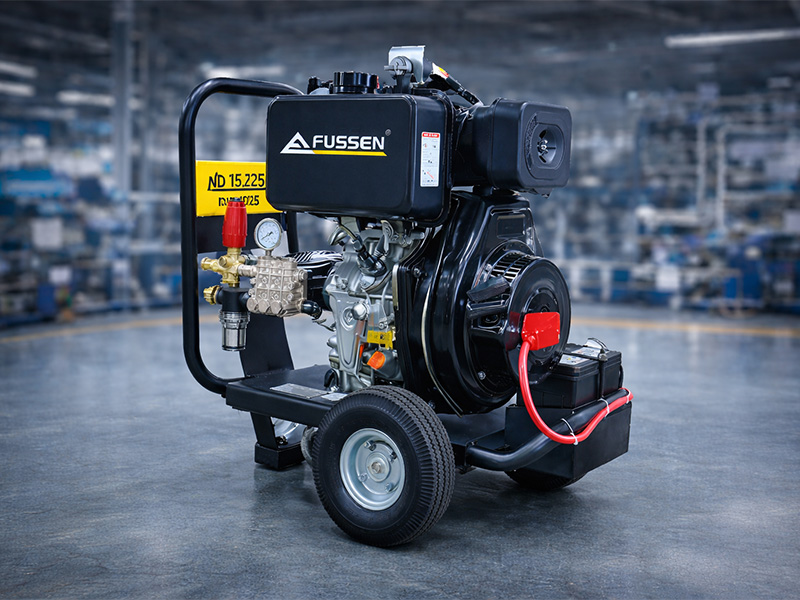
Diesel and gasoline pressure washers are fundamental tools for mobile and outdoor cleaning tasks in industrial settings. These units are designed for high portability and can be effectively used in locations where electrical power is unavailable. Diesel models typically offer superior power and fuel efficiency, making them suitable for heavy-duty applications, while gasoline units are favored for their lighter weight and ease of maneuverability. Both types provide significant pressure output, often exceeding 3,000 PSI, which is essential for removing tough grime and contaminants from large surfaces. Users can select pressure settings and nozzle types to tailor cleaning performance, enhancing control and efficiency. Proper maintenance of the engines is critical to guarantee reliability and longevity during demanding outdoor operations. Additionally, FAG Series gasoline high-pressure washers are specifically engineered for practical and professional use, ensuring effective cleaning on construction sites and farms.
Hot water pressure washers are essential for effectively removing grease and oil from factory surfaces, providing a more efficient cleaning solution than their cold water counterparts. These systems utilize heated water, which enhances the emulsification of oils and fats, resulting in superior cleaning performance. Key features to take into account when selecting a hot water pressure washer include:
Additionally, choosing a hot water pressure washer with high-pressure plunger pump ensures stable operation and durability, making it a reliable choice for industrial cleaning tasks. Investing in a suitable system guarantees effective maintenance and longevity of factory equipment and surfaces.
How can factories guarantee safety while maintaining cleanliness in hazardous environments? Explosion-proof pressure washers are specifically engineered to operate in areas where flammable vapors, gases, or dust exist. These systems incorporate robust materials, including stainless steel and corrosion-resistant components, to withstand harsh conditions. Key features include explosion-proof motors and switches, ensuring sparks are minimized during operation. The units are sealed to prevent ignition sources from entering, while high-pressure capabilities effectively remove contaminants without compromising safety. Additionally, these systems often include advanced filtration and containment features to manage hazardous residues. By selecting an explosion-proof system, facilities can uphold stringent safety regulations while achieving peak cleanliness, effectively mitigating risks associated with potential explosions in volatile environments. The explosion-proof motor ensures safe operation in explosive atmospheres, making it a vital component of these pressure washers.
Determining the appropriate power for industrial cleaning applications requires an understanding of varying duty levels, as light-duty tasks typically operate within lower pressure and flow ranges, while heavy-duty scenarios necessitate considerably higher outputs. Typical pressure levels can range from 1,000 to 4,000 PSI, with flow rates varying accordingly to match the cleaning requirements of specific surfaces and contaminants. In cases where challenging materials or extensive buildup are present, ultra-high pressure systems exceeding 4,000 PSI may become essential for effective cleaning. For instance, the FDH Series stainless steel pump is engineered to deliver ultra-high pressure up to 2000 bar, making it suitable for demanding applications.
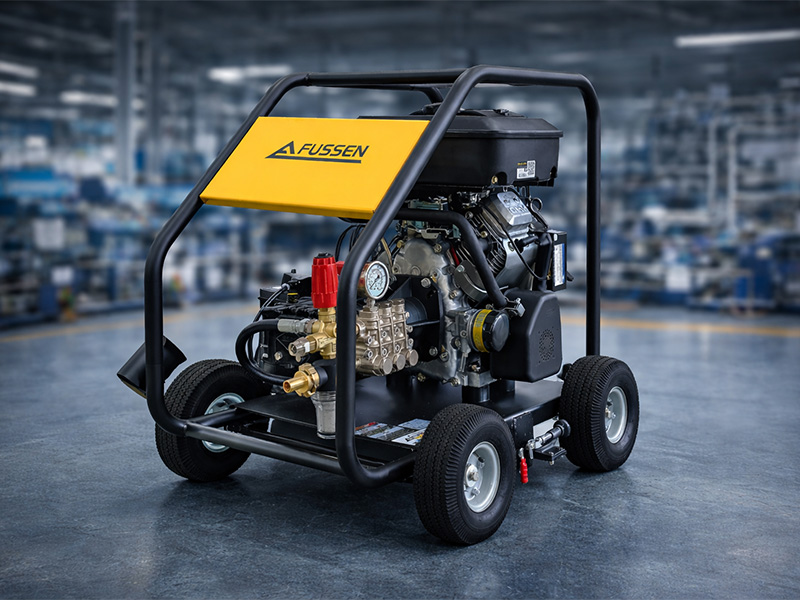
While the demands of factory cleaning can vary greatly, understanding the distinction between light-duty and heavy-duty scenarios is essential for selecting the appropriate pressure washer. Light-duty tasks often involve cleaning surfaces with minimal contaminants, such as:
In contrast, heavy-duty applications require more robust cleaning solutions to tackle tougher challenges, including:
Choosing the correct pressure washer depends on accurately evaluating these scenarios, ensuring ideal performance and efficiency in industrial cleaning tasks. The FCK Series nickel-plated brass pump is designed for high-flow cleaning systems, making it an excellent choice for heavy-duty applications.
Selecting the appropriate pressure and flow rates for industrial cleaning tasks is critical to achieving effective results. Generally, light-duty applications require pressure levels between 1,000 to 1,500 PSI with flow rates around 1.5 to 2.5 GPM, suitable for tasks like equipment maintenance. Medium-duty applications typically demand pressures from 1,500 to 3,000 PSI and flows of 2.5 to 4.0 GPM, ideal for cleaning machinery and vehicles. Heavy-duty applications often necessitate pressures exceeding 3,000 PSI combined with flows ranging from 4 to 8 GPM, essential for removing stubborn contaminants from concrete surfaces and industrial equipment. Understanding these ranges allows operators to select systems that meet specific cleaning requirements while ensuring efficiency and effectiveness in various industrial settings. Regular checks for oil or water leaks can also help maintain the performance of these systems over time.
In certain industrial cleaning scenarios, ultra-high pressure systems become necessary to effectively tackle the most challenging contaminants and surfaces. These systems, typically exceeding 3,000 psi, are essential in specific applications, including:
Selecting an ultra-high pressure system guarantees that operators can maintain safety standards and operational efficiency, while effectively controlling the cleaning process for varied industrial applications. Proper assessment of requirements will determine the necessity for such systems in specific environments. Additionally, the FCH Series stainless steel pump is designed for ultra-high-pressure applications, ensuring maximum corrosion resistance and long-term reliability.
When selecting a pressure washer for factory cleaning, it is crucial to take into account the specific environmental conditions, such as whether the cleaning occurs indoors or outdoors. Factors such as corrosion potential, humidity levels, and exposure to harsh elements can greatly influence equipment choice and maintenance needs. Additionally, the stability of water supply and filtration requirements, along with safety protocols for explosive or sensitive areas, must be rigorously evaluated to guarantee compliance and operational efficiency. Furthermore, utilizing certified explosion-proof protection ensures safe operation in hazardous environments.
Although both indoor and outdoor cleaning conditions present unique challenges, understanding these differences is vital for optimizing the effectiveness of factory cleaning operations.
Additionally, high-pressure washers are crucial for removing stubborn residues and ensuring compliance with safety standards in both environments.
Each factor plays an essential role in determining the ideal pressure washer system that meets the specific needs of the factory environment.
Understanding the impact of corrosion, humidity, and harsh environments is essential for selecting appropriate pressure washing equipment in a factory setting. Equipment must be designed with materials resistant to oxidation and chemical degradation. Stainless steel frames, for instance, are recommended for their durability in high-humidity conditions. Additionally, pressure washers should have sealed components to prevent moisture ingress, which can lead to electrical failures and mechanical malfunction. The operating temperature and pressure settings must also be evaluated, as extreme environments can affect performance and longevity. Choosing a system with adjustable output levels allows for tailored cleaning solutions that mitigate the risks associated with corrosion and environmental factors, ultimately ensuring ideal operational efficiency and equipment lifespan in industrial applications. Furthermore, selecting the right pump material, such as brass or stainless steel, is critical for ensuring reliability and longevity in harsh conditions.
The effectiveness of pressure washing in a factory environment is heavily influenced by the stability of the water supply and the filtration requirements of the system. Maintaining a consistent and clean water source is critical for peak performance and equipment longevity. Key considerations include:
Additionally, understanding pressure washer nozzle sizes is crucial for ensuring optimal cleaning performance based on the water supply characteristics. These factors collectively contribute to maximizing the efficiency of pressure washing operations in industrial settings.
When operating in explosive or sensitive areas, adherence to stringent safety requirements is paramount to mitigate risks associated with pressure washing operations. The selection of pressure washers must comply with ATEX or NEC standards, guaranteeing that equipment is designed for use in hazardous environments. Moreover, utilizing non-conductive materials for hoses and fittings minimizes the risk of sparks. Operators should implement explosion-proof electrical systems and ascertain that all cleaning agents are compatible with the environment to prevent adverse reactions. Adequate personal protective equipment (PPE) is essential, including flame-resistant clothing and safety goggles. Additionally, conducting regular risk assessments and confirming proper ventilation can further enhance safety protocols, ensuring that operations are both effective and compliant with regulatory standards. The سلسلة FCE-EX is specifically designed to support operation in potentially explosive environments, providing a reliable solution for industrial cleaning tasks.
Reliability in an industrial pressure washer is primarily influenced by the quality of its pump design and materials, including the use of ceramic plungers and seals to enhance durability. Additionally, the motor’s capability for continuous operation and effective cooling mechanisms play an important role in sustaining performance during extended use. Finally, regular maintenance intervals and the overall service life of the components are essential factors that contribute to the long-term reliability of the system. The choice of ceramic plunger material is particularly critical for ensuring optimal performance in high-pressure applications.
Pump design and material selection play an essential role in the reliability of industrial pressure washers. High-quality components guarantee consistent performance and longevity under demanding conditions. Key factors to take into account include:
Additionally, the use of nickel-plated brass in pump construction enhances protection against moisture, salt spray, and chemicals, further contributing to longevity and reliability. Investing in robust pump design and materials is imperative for achieving peak performance and minimizing downtime in industrial applications.
High-quality motor components considerably influence the operational reliability of industrial pressure washers. The motor’s construction determines its efficiency and durability during prolonged use. Key aspects include the type of windings, insulation quality, and robustness against thermal stress. A reliable motor can sustain continuous operation without overheating, which is essential in demanding environments. Additionally, selecting a pressure washer with high pressure pump capabilities ensures effective cleaning performance in industrial settings.
| Motor Component | Importance | Key Features |
|---|---|---|
| Windings | Efficiency and performance | Copper or aluminum options |
| Insulation | Heat resistance | Class F or H ratings |
| Bearings | Operational smoothness | Sealed or shielded types |
Choosing a pressure washer with superior motor quality guarantees maximum performance and longevity, minimizing downtime and maintenance costs for industrial applications.
While the efficacy of an industrial pressure washer largely hinges on its motor quality, the integration of effective cooling, filtration, and system protection mechanisms plays a crucial role in enhancing overall reliability. These components guarantee ideal performance during prolonged usage, safeguarding the machine from overheating and contaminants. Key factors to take into account include:
Additionally, regular maintenance and scheduled cleaning are essential to ensure optimal performance and longevity of the system. Together, these elements contribute greatly to the pressure washer’s reliability and operational efficiency.
Reliability in an industrial pressure washer is greatly influenced by its maintenance intervals and service life. Regular maintenance guarantees superior performance by addressing wear and tear on components such as pumps, hoses, and nozzles. Maintenance intervals, typically outlined in the manufacturer’s guidelines, dictate how frequently inspections, oil changes, and part replacements should occur, directly impacting operational efficiency. The service life of the unit is contingent upon the quality of materials and engineering, with high-grade components offering extended durability. Predictive maintenance approaches, utilizing performance monitoring tools, can further enhance reliability by anticipating failures before they occur. Consistent adherence to these protocols not only prolongs service life but also minimizes downtime, guaranteeing that the industrial pressure washer operates at peak efficiency. Additionally, the use of high-pressure pumps ensures that the equipment can handle demanding cleaning tasks effectively.
In evaluating industrial pressure washers, it is essential to balance initial cost against lifecycle cost to determine long-term value. Factors such as energy efficiency, water consumption, and potential downtime due to maintenance can greatly impact overall operational expenses. Cheaper machines may present lower upfront costs but often incur higher expenses over time due to increased maintenance and operational inefficiencies. Additionally, ensuring that every machine is tested for pressure before delivery can significantly enhance reliability and reduce future costs associated with repairs.
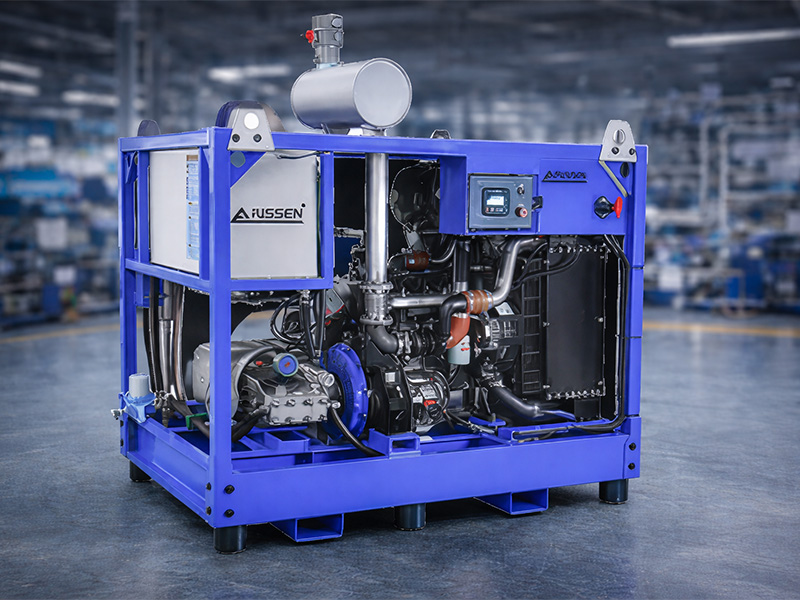
Understanding the distinction between initial cost and lifecycle cost is essential for making informed decisions about factory cleaning pressure washers. While the initial cost represents the upfront financial outlay, lifecycle cost encompasses all expenses over the equipment’s operational lifespan.
Key considerations include:
Evaluating both costs allows for a more nuanced understanding of investment value, ensuring ideal performance and financial control over time. Additionally, consider that customer satisfaction is prioritized through thorough testing processes, which can indicate the reliability of the equipment you choose.
Evaluating the long-term value of factory cleaning pressure washers extends beyond initial and lifecycle costs to include energy efficiency and water consumption, both of which greatly impact operational expenses and environmental sustainability. High-efficiency models utilize advanced technology to minimize energy use while optimizing cleaning power, resulting in lower utility bills. In addition, water consumption varies considerably between systems; selecting a washer designed for low water usage can conserve resources and reduce wastewater disposal costs. Evaluating the energy consumption ratings and water flow rates allows for precise calculations of cost savings over time. Ultimately, investing in energy-efficient models not only supports budgetary goals but also aligns with corporate sustainability initiatives, making them a strategic choice for forward-thinking industrial operations. Furthermore, pressure regulation systems can enhance efficiency by ensuring consistent output, further contributing to operational cost savings.
While operational efficiency is paramount, the risk of downtime and subsequent maintenance costs associated with factory cleaning pressure washers cannot be overlooked. Choosing the right system involves analyzing both immediate and long-term implications. Key considerations include:
Ultimately, a balance must be struck between upfront costs and the potential for long-term operational disruptions, making informed selection vital for sustained performance. Furthermore, investing in a system engineered with premium materials can significantly enhance durability and efficiency over time.
Although initial purchase price can be an enticing factor when selecting a factory cleaning pressure washer, the long-term financial implications often reveal that cheaper machines may ultimately incur higher costs. Inexpensive models frequently employ lower-quality components, leading to reduced efficiency and increased likelihood of breakdowns. This not only results in higher repair expenses but also contributes to operational downtime, adversely affecting productivity. Additionally, energy consumption tends to be higher in these machines, exacerbating long-term utility costs. Investing in a robust, high-performance pressure washer typically guarantees lower maintenance requirements and enhanced durability, ultimately delivering superior value. Consequently, discerning buyers must prioritize total cost of ownership over initial savings to optimize their operational efficiency and minimize unforeseen expenditures in the long run. Moreover, selecting a model like the FAD Series, known for its high-pressure plunger pump, ensures consistent output and reliability in demanding work environments.
Choosing a reliable factory pressure washer supplier requires careful evaluation of several critical factors. Key considerations include the supplier’s certifications, such as ISO and CE, which indicate adherence to safety and quality standards, alongside a proven track record in industrial applications. Additionally, the supplier’s capacity for customization, technical support, and the availability of spare parts and after-sales service are essential for ensuring long-term operational efficiency. It’s also important to confirm that the supplier conducts thorough machine testing and quality assurance, guaranteeing the reliability and effectiveness of their machines.
Certifications such as ISO and CE play an essential role in determining the reliability of a factory pressure washer supplier. These certifications indicate adherence to international safety and quality standards, which can greatly affect operational efficiency and safety in industrial environments. When evaluating a supplier, consider the following:
Suppliers with these certifications demonstrate a commitment to quality, safety, and reliability, providing assurance that the equipment will meet rigorous operational standards.
A supplier’s proven industrial applications and track record are significant factors in determining reliability when selecting a factory pressure washer. Evaluating the supplier’s history within diverse industrial sectors, such as manufacturing, food processing, and automotive, provides insight into their equipment’s performance under varying conditions. A robust track record includes case studies demonstrating successful implementations and customer testimonials that attest to durability and efficiency. Suppliers should also provide evidence of long-term partnerships with established companies, reflecting their capability to meet rigorous operational demands. Additionally, analyzing the frequency of repeat business can indicate customer satisfaction and trust in the supplier’s products. This data-driven approach guarantees that prospective buyers can make informed decisions aligned with their operational requirements. Furthermore, understanding the specifications of products like the FCD Series diesel high-pressure washer can enhance decision-making, as it offers high-pressure delivery in demanding conditions.
When evaluating potential suppliers for factory pressure washers, the capacity for customization and the availability of technical support play critical roles in guaranteeing that the equipment meets specific operational needs. A reliable supplier should offer the following:
These factors are essential for maintaining peak performance and operational control in industrial settings.
Choosing a reliable supplier for factory pressure washers requires careful consideration of their spare parts availability and after-sales service, as these factors greatly influence long-term operational efficiency. A supplier must provide immediate access to spare parts to minimize downtime. Additionally, robust after-sales support guarantees that any issues are resolved swiftly, maintaining productivity. Every machine is fully tested for pressure, flow rate, and overall performance before delivery, ensuring reliability.
| Criteria | Importance |
|---|---|
| Spare Parts Availability | Reduces downtime and enhances reliability |
| After-Sales Support | Guarantees prompt assistance and maintenance |
| Warranty Options | Protects investment and guarantees quality |
Industrial pressure washers must be tailored to meet the diverse requirements of various factory environments. Continuous-duty electric systems are ideal for production facilities, while heavy-duty units are designed for extensive industrial cleaning tasks. Additionally, specialized systems are essential for hazardous environments, and the selection of appropriate accessories and nozzle configurations can enhance operational efficiency and safety. For instance, the FAE Series electric high-pressure washer offers customizable options to suit specific industrial cleaning needs.
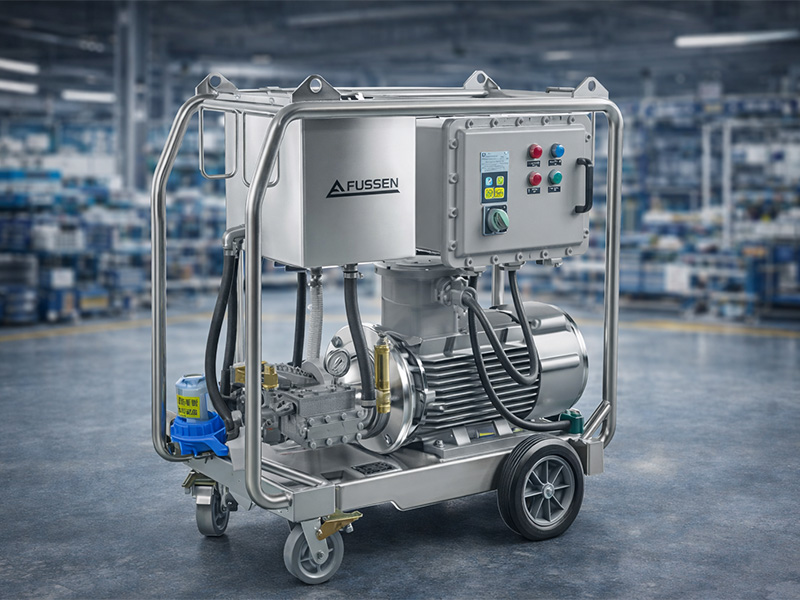
As production facilities increasingly prioritize efficiency and cleanliness, continuous-duty electric systems have emerged as essential solutions for maintaining operational standards. These systems provide reliable, high-pressure cleaning capabilities without the emissions associated with gas-powered alternatives. Key features to contemplate include:
Maintaining cleanliness in large-scale industrial environments necessitates the use of heavy-duty pressure washers designed to tackle substantial cleaning demands. These units typically feature robust engines, high-pressure pumps, and durable frames, allowing them to withstand rigorous usage. With pressure ratings often exceeding 3000 PSI and flow rates of 4 GPM or more, they efficiently remove grease, grime, and other stubborn contaminants. Additionally, heavy-duty pressure washers may include adjustable nozzles and temperature controls, enabling operators to customize cleaning intensity based on specific applications. Reliability is paramount; thus, choosing models with heavy-duty components, such as commercial-grade hoses and fittings, guarantees longevity and peak performance. A thorough assessment of cleaning requirements and surface types will enhance operational efficiency, promoting extensive cleanliness in industrial settings. Furthermore, models like the سلسلة FBE-EX are specifically designed for heavy cleaning in explosive atmospheres, ensuring both safety and reliability during operation.
When addressing the unique challenges presented by hazardous environments, specialized pressure washer systems offer tailored solutions that guarantee safety and effectiveness. These systems are designed to mitigate risks associated with chemical exposure, flammable materials, and other potential hazards. Key features include:
Additionally, the FDE Series offers high pressure capability of up to 1000 bar, making it highly effective for demanding cleaning tasks in industrial settings.
Effective cleaning in industrial environments often hinges on the right selection of accessories and nozzle configurations for pressure washers. High-pressure nozzles, such as 0-degree and 15-degree options, deliver focused streams for heavy-duty tasks, while 25-degree and 40-degree nozzles provide broader coverage for lighter applications. Surface cleaners enhance efficiency, reducing cleaning time on large areas, while extension wands allow access to elevated surfaces. Utilizing adjustable pressure regulators can optimize water flow according to specific cleaning needs. Additionally, foam cannons facilitate effective chemical application, guaranteeing thorough dirt removal. For specialized tasks, rotary nozzles combine the power of both pinpoint and fan spray, increasing versatility. Selecting these accessories guarantees that pressure washers meet the rigorous demands of various industrial cleaning applications, especially when considering soft start systems to protect equipment during frequent use.
In summary, selecting the right factory cleaning pressure washer is critical for maintaining operational efficiency and safety in industrial environments. Remarkably, pressure washers operating above 3,000 PSI can reduce cleaning time by up to 50%, greatly enhancing productivity. By carefully evaluating application demands, durability, and safety features, industries can guarantee peak performance and reliability. Ultimately, investing in a high-quality pressure washing system pays dividends in both cost efficiency and long-term operational effectiveness.

 English
  Spanish
  Russian
  Korean
  Japanese
  Portuguese
  Arabic