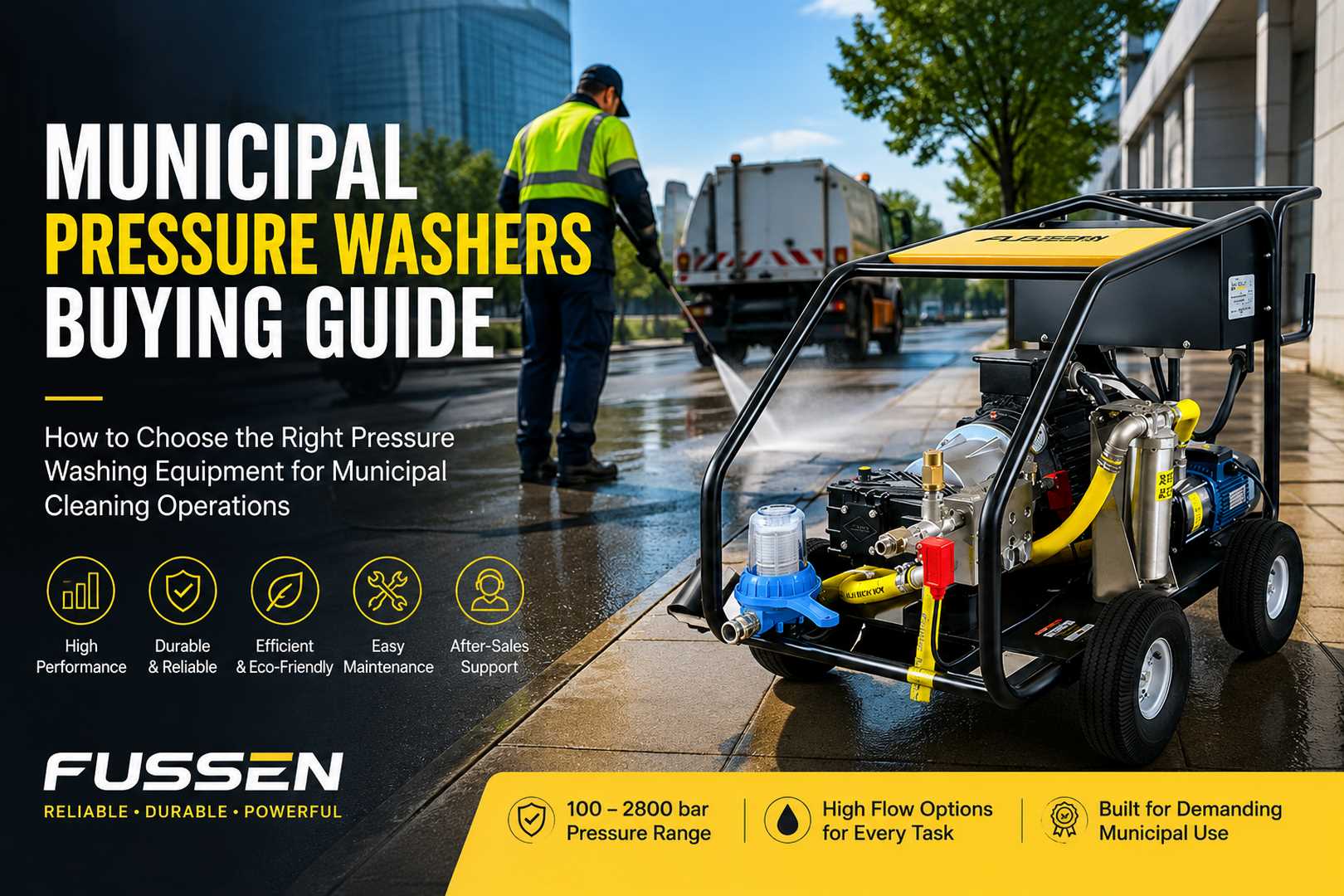
إذا كنت مسؤولاً عن الحفاظ على نظافة شوارع مدينتك وأرصفتها ومرافقها العامة وبنيتها التحتية، فأنت بحاجة إلى أكثر من مجرد غسالة ضغط عادية مصممة للاستخدام التجاري العرضي. يجب أن تكون معداتك قادرة على التعامل مع المساحات العامة الكبيرة، ومجموعة متنوعة من الأسطح، والتلوث المستعصي، والتشغيل المستمر، والبيئات الخارجية القاسية. سواء كنت تنظف الطرق، أو الساحات العامة، أو أنظمة الصرف الصحي، أو مرافق النقل، أو مناطق تجميع النفايات، أو المباني البلدية، فقد يتطلب كل تطبيق مستويات ضغط ومعدلات تدفق ودرجات حرارة مياه وفوهات وتكوينات مختلفة للآلة.
عند اختيار معدات غسيل الضغط للبلديات، لا ينبغي أن يقتصر هدفك على شراء الآلة ذات أعلى تصنيف للضغط. بل تحتاج إلى معدات توفر أداء تنظيف متسقًا مع تحسين كفاءة العمل، وسهولة النقل، والموثوقية، وسلامة المشغل، وتكاليف التشغيل على المدى الطويل. فالآلة التي تنظف بفعالية ولكنها تستهلك كميات كبيرة من الماء، أو تتطلب صيانة متكررة، أو يصعب نقلها بين مواقع العمل، قد تؤدي في النهاية إلى انخفاض إنتاجية فريقك وزيادة نفقات التشغيل الإجمالية.
يتطلب اختيار معدات غسيل الضغط المناسبة للبلدية تقييم عدة عوامل عملية. ينبغي مراعاة الأسطح المراد تنظيفها، ونوع التلوث وشدته، ومصدر المياه المتاح، ومصدر الطاقة المفضل، وعدد مرات التنظيف، وساعات العمل اليومية، وسهولة الوصول إلى الموقع، وبيئة العمل. على سبيل المثال، قد تختلف المعدات المستخدمة في التنظيف الروتيني للأرصفة اختلافًا كبيرًا عن النظام اللازم لإزالة الكتابة على الجدران، أو تنظيف المصارف، أو إزالة بقع الزيت، أو صيانة البنية التحتية الثقيلة.
سيساعدك هذا الدليل على تقييم معدات غسيل الضغط البلدية من منظور عملي للشراء. ستتعلم كيفية اختيار المعدات المناسبة بناءً على تطبيقات التنظيف الخاصة بك، وفهم متطلبات الضغط والتدفق، ومقارنة الآلات الكهربائية والآلات التي تعمل بمحركات، وتحديد متى يكون التنظيف بالماء الساخن ضروريًا، وتقييم تكاليف التشغيل ومتطلبات الصيانة، واختيار الملحقات المناسبة، وتقييم الموردين قبل القيام باستثمارك.
إذا كنت مسؤولاً عن صيانة الشوارع والأرصفة والمرافق العامة أو غيرها من البنى التحتية البلدية، فإن معدات غسيل الضغط لديك يجب أن تقوم بأكثر من مجرد تنظيف الأسطح. صُممت معدات غسيل الضغط البلدية خصيصاً لمؤسسات مثل مؤسستك التي تتطلب أنظمة تنظيف موثوقة وعالية الأداء قادرة على العمل لفترات طويلة في المساحات العامة الواسعة والبيئات الصعبة.
على عكس غسالات الضغط المنزلية أو التجارية الخفيفة، صُممت معدات البلديات للاستخدام اليومي الشاق. قد تشمل عمليات التنظيف الطرق، والساحات العامة، ومرافق النقل، وشبكات الصرف الصحي، ومناطق تجميع النفايات، والأنفاق، والجسور، وغيرها من البنى التحتية العامة، وكلها تتطلب ضغوط تنظيف ومعدلات تدفق وتكوينات مختلفة للآلة. صُممت غسالة الضغط الاحترافية للبلديات لتقديم أداء ثابت مع تقليل وقت التوقف والصيانة إلى أدنى حد.
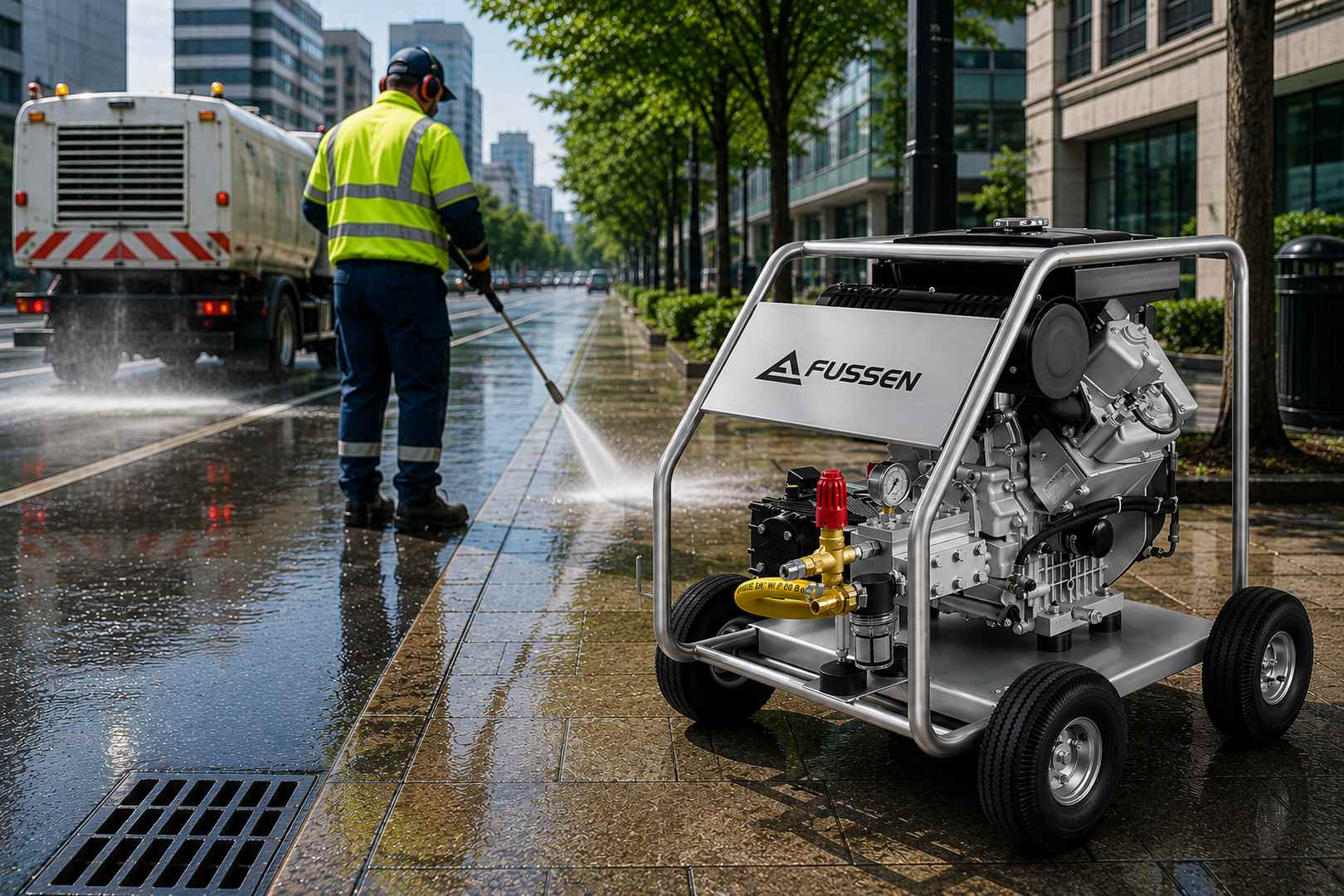
بحسب متطلبات التنظيف الخاصة بك، يمكنك الاختيار من بين أنظمة تعمل بالكهرباء أو البنزين أو الديزل أو الماء الساخن أو الضغط العالي للغاية. كما تتطلب العديد من عمليات التنظيف البلدية ميزات إضافية مثل خزانات المياه المدمجة، ومضخات التعزيز، وبكرات الخراطيم، والفوهات الدوارة، وملحقات تنظيف الأنابيب، وتكوينات مثبتة على مقطورة أو مركبة لتحسين الكفاءة في الميدان.
إذا كنت تعمل في أي من المنظمات التالية، فمن المرجح أن تكون معدات غسيل الضغط البلدية مصممة لعملياتك اليومية:
في نهاية المطاف، لا يقتصر اختيار معدات غسيل الضغط للبلديات على شراء آلة ذات أعلى تصنيف للضغط. بل يجب أن يركز قرارك على اختيار معدات تُحسّن إنتاجية التنظيف، وتُقلل تكاليف التشغيل، وتُعزز سلامة المشغل، وتُقدم أداءً موثوقًا به على مدار سنوات الخدمة البلدية.
تُستخدم معدات غسيل الضغط البلدية في نطاق واسع من مهام التنظيف والصيانة العامة. سيساعدك فهم استخداماتك الرئيسية على تحديد الضغط ومعدل التدفق ومصدر الطاقة والملحقات المناسبة لعملياتك.
التنظيف الروتيني للطرق والأرصفة وجزر المرور وحواف الطرق لإزالة الطين والغبار وبقع الزيت وآثار الإطارات وغيرها من الملوثات الحضرية.
تنظيف الأسطح الخرسانية والحجرية والطوبية والأسطح المرصوفة عن طريق إزالة الأوساخ والطحالب والأعشاب البحرية وبقايا الطعام والعلكة في المناطق العامة ذات الحركة المرورية العالية.
إزالة الكتابة على الجدران والطلاء والبقع العنيدة الأخرى من الجدران والأنفاق والجسور والمباني العامة والبنية التحتية للنقل مع تقليل الأضرار السطحية إلى الحد الأدنى.
الحفاظ على نظافة مواقف الحافلات، ودورات المياه العامة، والحدائق، والأسواق، ومناطق جمع النفايات، وأماكن الجلوس العامة، والواجهات الخارجية للمباني.
تنظيف قنوات الصرف الصحي، ونقاط الوصول إلى المجاري، والأنابيب البلدية المسدودة باستخدام فوهات تنظيف الأنابيب المتخصصة وخراطيم الضغط العالي.
تنظيف مرافق السكك الحديدية، ومستودعات الحافلات، والجسور، والأنفاق، والحواجز الواقية، وإشارات المرور، وغيرها من البنية التحتية للنقل لتحسين المظهر والسلامة.
يُعد نوع التلوث المراد إزالته أحد أهم العوامل عند اختيار معدات غسيل الضغط للبلديات. تتطلب مهام التنظيف المختلفة توليفات مختلفة من الضغط ومعدل التدفق ودرجة حرارة الماء والمنظفات والفوهات.
تشمل الملوثات البلدية الشائعة ما يلي:
على سبيل المثال، غالبًا ما تُزال الأوساخ السائبة بتدفق عالٍ، بينما قد يتطلب الزيت والشحوم الماء الساخن والمنظفات. أما الكتابات على الجدران والرواسب المتصلبة فتحتاج عادةً إلى ضغط أعلى أو فوهات متخصصة، في حين يمكن تنظيف الطحالب والأشنات بفعالية أكبر باستخدام مزيج من المواد الكيميائية وضغط معتدل. إن اختيار المعدات المناسبة لنوع التلوث يُحسّن كفاءة التنظيف، ويقلل من استهلاك المياه، ويُخفف من خطر تلف الأسطح.
يعتمد الضغط المناسب على نوع المادة المراد تنظيفها، وليس فقط على اختيار الجهاز ذي التصنيف الأعلى. في مجال التنظيف البلدي، يعمل كل من الضغط ومعدل التدفق معًا لتحديد كفاءة التنظيف.
يعمل الضغط على تفتيت الروابط بين الأوساخ والسطح، بينما يساهم معدل التدفق في إزالة الملوثات المتفككة. قد تُؤدي آلة ذات ضغط عالٍ للغاية ولكن بتدفق مياه غير كافٍ إلى تنظيف بطيء، في حين أن زيادة التدفق غالبًا ما تُحسّن الإنتاجية عند تنظيف المساحات العامة الكبيرة. لهذا السبب، ينبغي تقييم كل من الضغط ومعدل التدفق بدلاً من اختيار المعدات بناءً على الضغط (PSI) أو معدل التدفق (bar) فقط.
تتطلب الأسطح المختلفة مستويات تنظيف متفاوتة. فالأرصفة المزخرفة والهياكل المطلية وغيرها من الأسطح الحساسة تحتاج عادةً إلى ضغط منخفض لتجنب تلفها. أما معدات الضغط المتوسط فهي مناسبة للتنظيف الروتيني للأرصفة والطرق والمرافق العامة والمناطق المعبدة. بينما تُعد أنظمة الضغط العالي أكثر ملاءمة لإزالة الرواسب الكثيفة والصدأ والطلاء والكتابات على الجدران والتلوث الصناعي المستعصي.
قد يؤدي استخدام ضغط مفرط إلى تلف السطح المراد تنظيفه. تشمل المشاكل الشائعة تآكل الخرسانة، وتلف الفواصل، وتقشر الطلاء، وتشقق البلاط أو الحجر الطبيعي. وللحصول على أفضل النتائج، يجب ضبط الضغط بما يتناسب مع الاستخدام والتأكد من تدريب المشغلين تدريباً كافياً على استخدام المعدات بأمان وفعالية.
يعتمد اختيار مصدر الطاقة الأمثل على مكان وكيفية استخدامك لغسالة الضغط. لذا، ضع في اعتبارك مدى توفر الكهرباء، ومتطلبات التنقل، وساعات التشغيل، وحجم العمل المطلوب قبل اتخاذ القرار.
معدات غسيل الضغط الكهربائية للبلديات تُعدّ هذه الآلات مثاليةً للتنظيف في مواقع ثابتة ذات مصدر طاقة موثوق، مثل مستودعات البلديات، وورش العمل، والمرافق الداخلية، أو محطات التنظيف المخصصة. فهي تتميز بمستويات ضوضاء منخفضة، ولا تُصدر عادمًا مباشرًا من المحرك، وتناسب التشغيل المستمر. مع ذلك، يجب التأكد من قدرة الموقع على توفير الجهد الكهربائي المطلوب، خاصةً للأنظمة ثلاثية الطور الكبيرة.
تشمل مجموعة منتجات Fussen الكهربائية سلسلة FSE و FAE المدمجة، بالإضافة إلى سلسلة FBE و FCE و FLE و FDE و FKE و FRE ذات الأداء العالي لتلبية مجموعة واسعة من متطلبات التنظيف البلدية.
معدات غسيل الضغط البلدية التي تعمل بالبنزين تُعدّ هذه الآلات خيارًا مناسبًا إذا كان فريق العمل يعمل بشكل متكرر في مواقع تفتقر إلى الكهرباء أو يحتاج إلى معدات محمولة لمهام التنظيف الخارجية قصيرة إلى متوسطة المدة. فهي توفر قدرة ممتازة على الحركة، ولكنها تتطلب صيانة دورية للمحرك وإعادة تعبئة الوقود، كما أنها تُصدر ضوضاء وانبعاثات أكثر من النماذج الكهربائية.
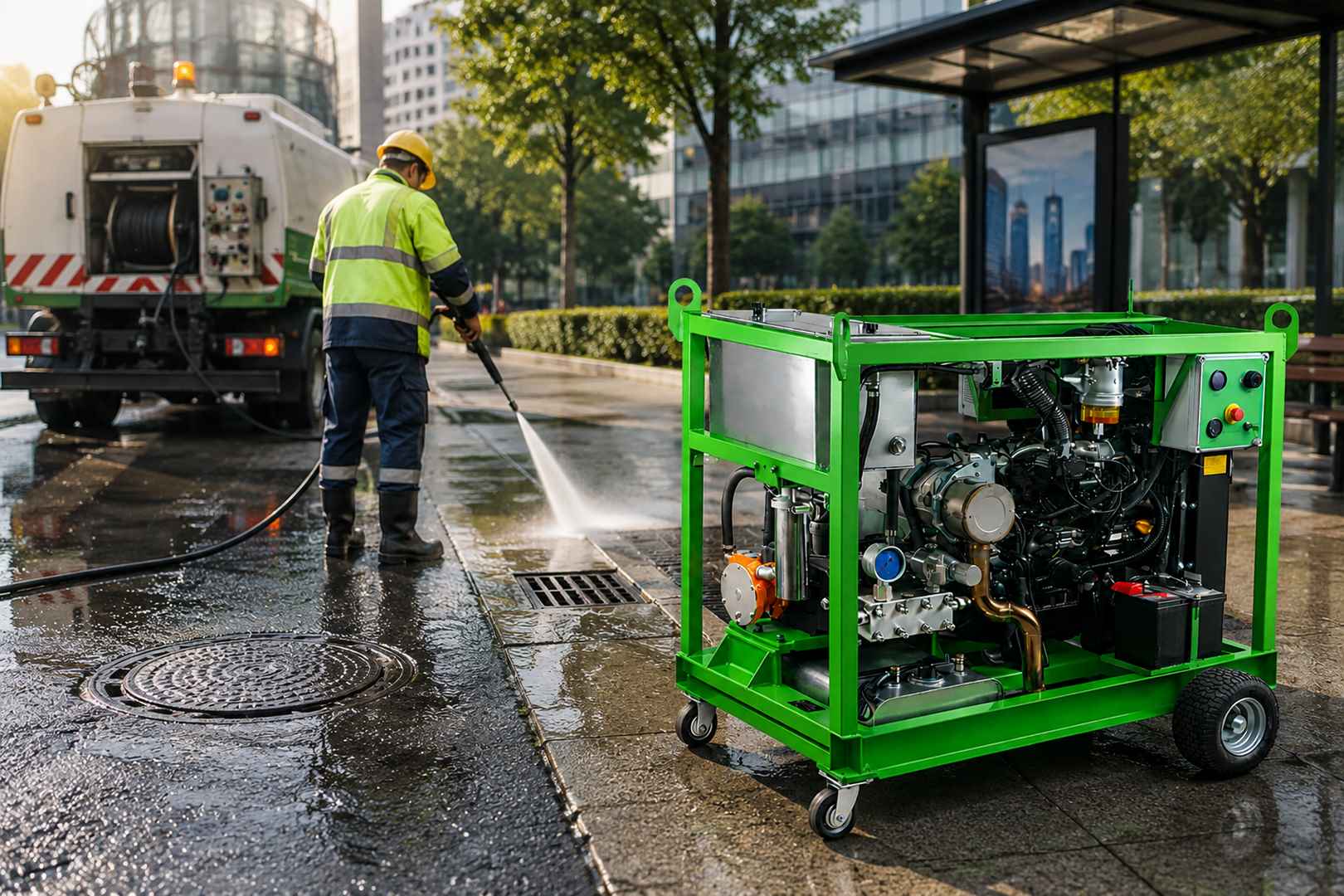
إذا كان عملك يتضمن صيانة الطرق، أو مواقع عمل نائية، أو ساعات عمل طويلة،, معدات غسيل الضغط البلدية التي تعمل بالديزل غالباً ما تكون هذه الحلول هي الأكثر عملية. فهي توفر طاقة موثوقة لأعمال التنظيف الشاقة، ويمكن دمجها مع خزانات المياه الموجودة على متن المركبات أو تركيبها على المقطورات ومركبات الخدمة لتحقيق أقصى قدر من الحركة. يُرجى الأخذ في الاعتبار أن معدات الديزل تتطلب صيانة دورية للمحرك، كما أنها تستهلك وقوداً أكثر من البدائل الكهربائية.
تشمل مجموعة محركات الديزل من Fussen سلسلة FAD و FBD و FCD و FED و FKD، والتي تقدم حلولاً تتراوح من تطبيقات التنظيف البلدية القياسية إلى التنظيف الصناعي عالي الضغط للغاية.
يعتمد اختيار معدات غسيل الضغط المناسبة للبلديات على مكان التنظيف، وعدد مرات التنقل بين مواقع العمل، وتوفر المياه والكهرباء. يُمكن لاختيار التجهيزات المناسبة تحسين الإنتاجية وخفض تكاليف التشغيل.
تُعدّ غسالات الضغط المحمولة مثالية لتنظيف المرافق العامة والأرصفة والحدائق وغيرها من مناطق العمل الصغيرة. فهي سهلة النقل والتخزين، ولكنها تعتمد على مصادر المياه والكهرباء القريبة، كما أن نطاق عملها محدود.
صُممت الأنظمة المثبتة على قواعد انزلاقية ليتم تركيبها على مركبات الخدمات البلدية. وهي مناسبة تمامًا لمسارات التنظيف المجدولة، ويمكن دمجها مع خزانات المياه وبكرات الخراطيم وحجرات التخزين وغيرها من الملحقات لزيادة الكفاءة.
تُعدّ غسالات الضغط المحمولة على مقطورات خيارًا عمليًا إذا كان فريقك يغطي مساحات خدمة واسعة أو يعمل بشكل متكرر في مواقع مختلفة. فهي قادرة على حمل خزانات المياه والوقود والخراطيم وملحقات التنظيف، مما يجعلها مثالية لفرق صيانة الطرق وشركات التنظيف البلدية.
تُعدّ التركيبات الثابتة الخيار الأمثل لمواقع مثل مستودعات الحافلات، وساحات صيانة المركبات، ومرافق إدارة النفايات، وورش العمل. وبفضل توفر إمدادات موثوقة من المياه والطاقة، تُقدّم هذه التركيبات أداءً تنظيفياً ثابتاً، وتُسهّل في الوقت نفسه إدارة جمع مياه الصرف الصحي وصيانة المعدات.
يُعدّ توفير إمدادات مياه موثوقة بنفس أهمية اختيار معدات غسيل الضغط المناسبة للبلدية. فضمان تدفق المياه بشكل منتظم يُساعد في الحفاظ على كفاءة التنظيف مع حماية المعدات من التلف غير الضروري.
بحسب بيئة التشغيل الخاصة بك، قد تسحب الماء من:
اختر مصدراً للمياه يمكنه توفير إمداد ثابت طوال عملية التنظيف.
إذا كنت تستخدم نظام تغذية بالخزان، فيجب اختيار حجم الخزان بما يتناسب مع معدل تدفق جهازك ووقت التنظيف المتوقع. يقلل الخزان ذو الحجم المناسب من الانقطاعات الناتجة عن إعادة التعبئة المتكررة، مع ضمان بقاء الوزن الإجمالي ضمن حمولة مركبتك.
قد يؤدي انخفاض ضغط الماء الداخل أو عدم استقراره إلى تقليل كفاءة التنظيف، وربما إتلاف مضخة الضغط العالي. إذا لم يكن مصدر المياه لديك يوفر تدفقًا كافيًا، فيمكن لمضخة معززة أن تساعد في الحفاظ على إمداد مياه مستقر وحماية معداتك أثناء التشغيل.
قد يؤدي سوء جودة المياه إلى تقصير عمر غسالة الضغط عن طريق إتلاف الفوهات والصمامات والحلقات المانعة للتسرب والمكابس. يساعد استخدام المرشحات الدقيقة على إزالة الرواسب والملوثات الأخرى قبل دخولها إلى المضخة، مما يحسن من موثوقيتها ويقلل من تكاليف صيانتها.
تم تجهيز العديد من غسالات الضغط الثقيلة من Fussen بخزانات مياه مدمجة وصمامات عائمة وأنظمة ترشيح دقيقة ومضخات معززة وحماية من انخفاض مستوى المياه لضمان توصيل المياه بشكل مستقر وتقليل خطر التشغيل الجاف.
عند تقييم معدات غسيل الضغط للبلديات، يجب مراعاة عوامل أخرى غير أداء التنظيف فقط. فالإنتاجية، ومتطلبات العمالة، وكفاءة التشغيل، كلها تؤثر بشكل كبير على التكاليف الإجمالية.
اطلب من موردك تقديرات واقعية للإنتاجية بدلاً من الأرقام النظرية. يعتمد أداء التنظيف الفعلي على عوامل مثل نوع السطح، ومستوى التلوث، والضغط، ومعدل التدفق، ونوع الفوهة، وخبرة المشغل.
يمكن تشغيل العديد من أنظمة غسيل الضغط بواسطة شخص واحد. ومع ذلك، قد تتطلب المشاريع البلدية الكبيرة فريقًا من شخصين لإدارة الخراطيم وتنظيم حركة المرور، بينما قد تحتاج العمليات المعقدة إلى موظفين إضافيين لإدارة استعادة المياه وضمان السلامة العامة.
تتأثر الإنتاجية اليومية أيضاً بالوقت اللازم لملء خزانات المياه، وتوصيل الخراطيم، ووضع المعدات، وتنظيم حركة المرور، والتنقل بين مواقع التنظيف. تساعد المعدات التي يمكن نشرها بسرعة على زيادة ساعات العمل الإنتاجية إلى أقصى حد.
ضع في اعتبارك المدة التي يمكن أن تعمل فيها معدات غسيل الضغط البلدية دون انقطاع. عوامل مثل سعة الوقود، وإمدادات المياه، وتبريد المحرك، ودورة التشغيل، وفترات راحة المشغل، والفحوصات الدورية، كلها تؤثر على كمية التنظيف التي يمكنك إنجازها خلال يوم عمل عادي.
يمكن للملحقات المناسبة أن تُحسّن بشكل ملحوظ كفاءة التنظيف، وسلامة المشغل، والإنتاجية الإجمالية. اختر الملحقات بناءً على تطبيقات التنظيف الخاصة بك بدلاً من الاعتماد على فوهة قياسية فقط.
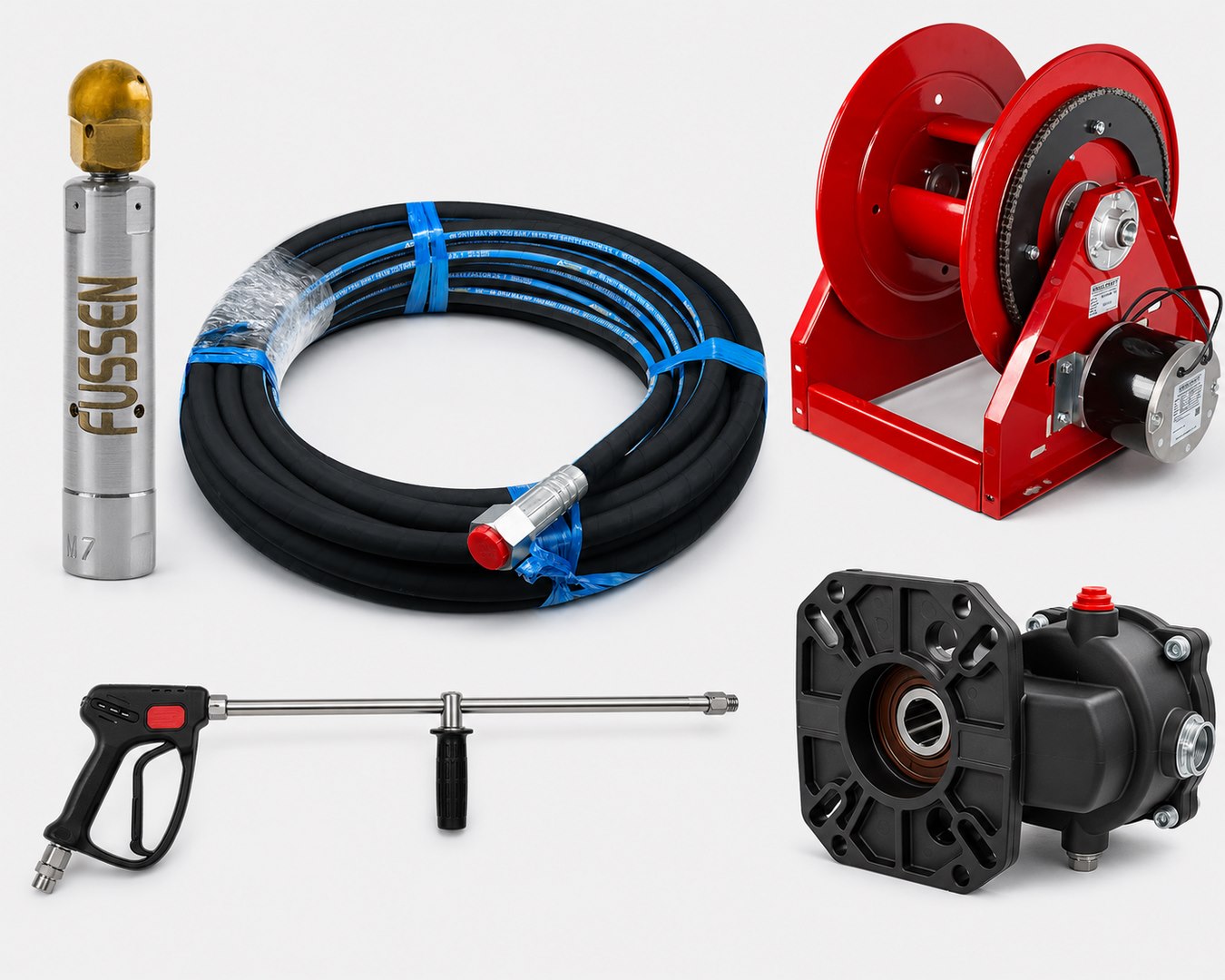
تُعد فوهات الرش المروحية مثالية لتنظيف الأسطح بشكل عام. فهي توفر نمط رش أوسع، مما يجعلها مناسبة للطرق والأرصفة والأماكن العامة مع تقليل خطر إتلاف السطح.
تجمع الفوهات الدوارة بين التأثير القوي والتغطية الواسعة، مما يجعلها فعالة في إزالة الأوساخ الثقيلة والطحالب والطلاء والكتابة على الجدران والرواسب العنيدة.
منظفات الأسطح تساعدك هذه الأدوات على تنظيف المساحات المعبدة الكبيرة بسرعة وبشكل متساوٍ. كما أنها تقلل من تناثر الماء، مما يجعلها خيارًا عمليًا للأماكن العامة المزدحمة.
صُممت فوهات تنظيف الأنابيب لإزالة الانسدادات من قنوات الصرف الصحي وأنابيب الصرف الصحي البلدية. عند اختيار نظام التنظيف، ضع في اعتبارك طول الخرطوم وقطره المناسبين لتطبيقك.
تُسهّل بكرات الخراطيم عملية النشر والتخزين مع تقليل مخاطر التعثر. أطول خراطيم الضغط العالي كما أنها تتيح لك تغطية مساحة عمل أكبر دون الحاجة إلى إعادة وضع الجهاز بشكل متكرر.
تُسهّل الرماح المرنة والتلسكوبية تنظيف الجدران وإشارات المرور والهياكل العلوية وغيرها من المناطق التي يصعب الوصول إليها بأمان من الأرض.
بالنسبة للمواقع الحساسة بيئياً، تقوم أنظمة استعادة المياه بجمع مياه الصرف الصحي للتخلص منها بشكل صحيح، مما يساعدك على الامتثال للوائح البيئية المحلية والحد من تلوث المياه.
تقدم شركة فوسن مجموعة واسعة من الملحقات, ، بما في ذلك الفوهات الدوارة، وفوهات المروحة، وفوهات تنظيف الأنابيب، وبكرات الخراطيم، وخراطيم الضغط العالي، والرماح المرنة، وصمامات القدم، ومسدسات التفريغ، مما يسمح لك بتكوين معداتك لمهام التنظيف البلدية المختلفة.
ينبغي أن تكون السلامة من الاعتبارات الأساسية عند اختيار معدات غسيل الضغط للبلديات. ابحث عن آلات تحمي كلاً من المشغلين والمعدات أثناء الاستخدام اليومي.
تشمل ميزات السلامة الأساسية ما يلي:
إلى جانب سلامة الآلات، ينبغي وضع إجراءات تشغيل آمنة. تأكد من ارتداء المشغلين لمعدات الوقاية الشخصية المناسبة، وفحص الخراطيم والوصلات قبل الاستخدام، وإنشاء مناطق لتنظيم حركة المرور وعزل الجمهور عند العمل في الشوارع المزدحمة أو الأماكن العامة. تساعد هذه الإجراءات على الحد من الحوادث مع ضمان عمليات تنظيف بلدية آمنة وفعالة.
تُعدّ معدات غسيل الضغط البلدية استثمارًا طويل الأجل. يُمكن لاختيار مكونات متينة وميزات حماية مدمجة أن يقلل من وقت التوقف، ويُطيل عمر الخدمة، ويُخفض تكاليف الصيانة على مدار عمر الجهاز.
تُعدّ المضخة الجزء الأساسي في غسالة الضغط، لذا فإنّ تصميمها يؤثر بشكل مباشر على موثوقيتها. ابحث عن رؤوس مضخات مصنوعة من النحاس عالي الجودة، أو النحاس المطلي بالنيكل، أو الفولاذ المقاوم للصدأ، بالإضافة إلى مكابس متينة من السيراميك أو الفولاذ السبائكي، وأختام عالية الأداء، ومواد مقاومة للتآكل تتحمل الظروف البيئية القاسية في البلديات.
سواء اخترت وحدة تعمل بالكهرباء أو بمحرك احتراق داخلي، يجب تصميم نظام الطاقة لضمان التشغيل المستمر. تتميز المحركات الكهربائية الصناعية منخفضة السرعة عمومًا بعمر خدمة أطول، بينما يجب أن تستخدم طرازات البنزين والديزل محركات موثوقة مع توفر قطع الغيار والصيانة بسهولة في منطقتك.
يساعد الهيكل المتين على حماية معداتك أثناء النقل والتشغيل اليومي. ضع في اعتبارك ما إذا كان الهيكل المصنوع من الفولاذ الكربوني أو الفولاذ المقاوم للصدأ أنسب لبيئة عملك، خاصةً إذا كانت الآلة ستتعرض للرطوبة أو المواد الكيميائية أو الظروف المسببة للتآكل. كما أن العجلات والإطارات المتينة ضرورية للتنقل المتكرر بين مواقع العمل المختلفة.
تساعد ميزات الحماية المدمجة على منع التآكل غير الضروري والإصلاحات المكلفة. ابحث عن المعدات المزودة بأدوات تحكم بدء التشغيل السلس، وصمامات عائمة، وحماية من انخفاض مستوى الماء، وصمامات أمان، وأنظمة ترشيح دقيقة لتحسين الموثوقية وحماية المكونات الرئيسية أثناء التشغيل اليومي.
تتضمن مجموعة منتجات Fussen ميزات مثل المكابس المصنوعة من السيراميك والفولاذ السبائكي، والمحركات الصناعية، وخيارات المضخات المصنوعة من الفولاذ المقاوم للصدأ، وأنظمة منع التسرب المتينة، وأدوات التحكم في بدء التشغيل الناعم، والترشيح الدقيق، والحماية من انخفاض مستوى المياه لتعزيز موثوقية المعدات وإطالة عمر الخدمة.
قبل الاستثمار في معدات غسيل الضغط للبلديات، ينبغي فهم متطلبات الصيانة وتكاليف الخدمة على المدى الطويل. فالمعدات سهلة الصيانة تقلل من وقت التوقف وتساعد على إطالة عمرها التشغيلي.
اسأل موردك عن الأمور التالية:
إن فهم هذه المتطلبات قبل الشراء سيساعدك على تقدير تكاليف التشغيل، والتخطيط للصيانة الوقائية، وضمان بقاء معداتك موثوقة طوال فترة خدمتها.
عند مقارنة معدات غسيل الضغط البلدية، لا تركز فقط على سعر الشراء. تشمل التكلفة الإجمالية للملكية تكاليف التشغيل والصيانة والخدمة طوال فترة استخدام المعدات.
قد يشمل استثمارك الأولي أكثر من مجرد غسالة الضغط نفسها. ضع في اعتبارك تكلفة ما يلي:
قد يكون للمصروفات التشغيلية اليومية تأثير كبير على تكاليف الملكية على المدى الطويل. وقد تشمل هذه المصروفات ما يلي:
تُعد الصيانة الدورية ضرورية لضمان استمرار تشغيل معداتك بكفاءة. تشمل تكاليف الصيانة الشائعة ما يلي:
قد تكون أعطال المعدات أكثر تكلفة من مجرد فواتير الإصلاح. فقد يؤدي توقف العمل إلى ضياع مواعيد التنظيف، واستئجار معدات طارئة، وفرض غرامات على المقاولين، وتلقي شكاوى من الجمهور، وانخفاض الإنتاجية.
قبل الشراء، قارن بين الموردين بناءً على التكلفة الإجمالية للملكية وليس السعر الأولي فقط. ضع في اعتبارك عوامل مثل:
سيساعدك تقييم هذه العوامل على اختيار المعدات التي توفر أفضل قيمة على المدى الطويل، وليس فقط أقل تكلفة أولية.
أصبح الالتزام بالمعايير البيئية جزءًا متزايد الأهمية من عمليات التنظيف البلدية. يُمكن لاختيار المعدات المناسبة وأساليب التنظيف الملائمة أن يُساعد في تقليل استهلاك المياه، والحد من الأثر البيئي، والامتثال للوائح المحلية.
عند تقييم معدات غسيل الضغط البلدية، ضع في اعتبارك العوامل التالية:
من خلال دمج هذه الاعتبارات في اختيار المعدات وإجراءات التنظيف، يمكنك تحسين الاستدامة التشغيلية مع تقليل المخاطر البيئية والحفاظ على الامتثال التنظيمي.
غالباً ما تتطلب مشاريع المشتريات البلدية وثائق فنية شاملة للتحقق من جودة المنتج وسلامته ومطابقته للمعايير. قبل تقديم الطلب، تأكد من قدرة المورد على توفير الوثائق اللازمة لدعم متطلبات المناقصة أو الشراء.
تشمل الوثائق الشائعة ما يلي:
تؤكد شركة فوسن أنها تعمل وفقًا لنظام إدارة الجودة ISO 9001، وأن معدات غسيل الضغط الخاصة بها حاصلة على شهادة المطابقة الأوروبية CE. وتشير معلومات الشركة إلى أنها حاصلة أيضًا على شهادات ISO 14001 في إدارة البيئة والسلامة والصحة المهنية، مما يوفر دعمًا إضافيًا لمتطلبات المشتريات البلدية ومناقصات المشاريع.
يُعد اختيار المورّد المناسب بنفس أهمية اختيار المعدات المناسبة. يجب أن يكون المصنّع الموثوق قادرًا على دعمك طوال دورة حياة نظام غسيل الضغط الخاص بك، بدءًا من تحديد المواصفات والإنتاج وصولًا إلى خدمة ما بعد البيع.
قيّم ما إذا كان المورّد قادرًا على توفير نطاق الضغط والتدفق المطلوب، وما إذا كان لديه خبرة مثبتة في تصنيع مضخات الضغط العالي. كما يجب عليك تقييم قدرته على توفير حلول مُخصصة، ودعم هندسي للتطبيقات، واختبار المنتجات لتلبية متطلبات التنظيف البلدية الخاصة بك.
ينبغي أن يمتلك المصنّع ذو السمعة الطيبة عمليات راسخة لمراقبة الجودة. ابحث عن أدلة على عمليات التفتيش في المصنع، وإمكانية تتبع المواد، وإجراءات التجميع الموحدة، واختبارات الأداء لضمان أن كل آلة تلبي معايير جودة ثابتة.
تساعد خدمة ما بعد البيع الموثوقة على تقليل وقت التوقف عن العمل وخفض تكاليف الصيانة. استفسر عما إذا كان المورد يوفر قطع غيار متوفرة بسهولة، ودعمًا فنيًا عن بُعد، وتدريبًا للمشغلين، وشركاء خدمة محليين، ومساعدة في الضمان، ووثائق فنية شاملة.
إذا كنت تشتري معدات لمشروع دولي، فاختر موردًا لديه خبرة في التصدير ومعرفة بالمعايير العالمية. تأكد من قدرته على توفير خيارات تخصيص الجهد والتردد، وتغليف المنتجات للتصدير، ودعم الشحن، وإرشادات التركيب، بالإضافة إلى خبرته في خدمة إدارات الصرف الصحي البلدية وشركات التنظيف المحترفة حول العالم.
تساعدك مواصفات المعدات الواضحة على مقارنة الموردين بدقة أكبر، وتضمن حصولك على نظام غسيل بالضغط يلبي متطلباتك التشغيلية. قبل طلب عروض الأسعار، حدد المتطلبات الأساسية لتطبيقك باستخدام قائمة التحقق أدناه.
| منطقة المواصفات | معلومات لتحديد |
|---|---|
| طلب | الطرق، الأرصفة، إزالة الكتابة على الجدران، تنظيف المصارف، المرافق العامة |
| تلوث | الطين، الزيت، الشحم، العلكة، الطلاء، الطحالب، الأعشاب البحرية |
| ضغط | ضغط التشغيل المطلوب (بار أو رطل لكل بوصة مربعة) |
| معدل التدفق | معدل تدفق المياه المطلوب (لتر/دقيقة) |
| مصدر الطاقة | كهربائية، بنزين، أو ديزل |
| تكوين المعدات | تركيب محمول، أو مثبت على قاعدة انزلاقية، أو مثبت على مقطورة، أو تركيب ثابت |
| إمدادات المياه | شبكة المياه البلدية، أو صنبور الإطفاء، أو الخزان الخارجي، أو خزان المياه الموجود على متن السفينة |
| درجة حرارة الماء | ماء بارد أو ماء ساخن |
| جدول التشغيل | ساعات العمل لكل وردية وأيام العمل في الأسبوع |
| مُكَمِّلات | فوهات، بكرات خراطيم، منظفات أسطح، مجموعات تنظيف أنابيب، رماح |
| بيئة التشغيل | للاستخدام الداخلي أو الخارجي، والبيئات المسببة للتآكل، والمناخات الباردة، والمناطق ذات الوصول المقيد |
| متطلبات الامتثال | الشهادات، وحدود الضوضاء، والانبعاثات، وإدارة مياه الصرف الصحي |
| دعم ما بعد البيع | التدريب، الضمان، قطع الغيار، الوثائق الفنية، دعم الخدمة |
إن تزويد الموردين المحتملين بهذه المعلومات يسمح لهم بالتوصية بتكوين المعدات الأنسب، وإعداد عروض أسعار دقيقة، وتقليل مخاطر التغييرات المكلفة في المواصفات لاحقًا في مشروعك.
تقدم شركة فوسن مجموعة شاملة من معدات غسيل الضغط لتلبية مختلف متطلبات التنظيف البلدي. سواء كنت بحاجة إلى وحدة كهربائية صغيرة الحجم لصيانة المرافق أو نظام ضغط فائق لتنظيف البنية التحتية، يمكنك اختيار سلسلة مناسبة بناءً على استخدامك ومتطلبات سهولة النقل وكثافة التنظيف.
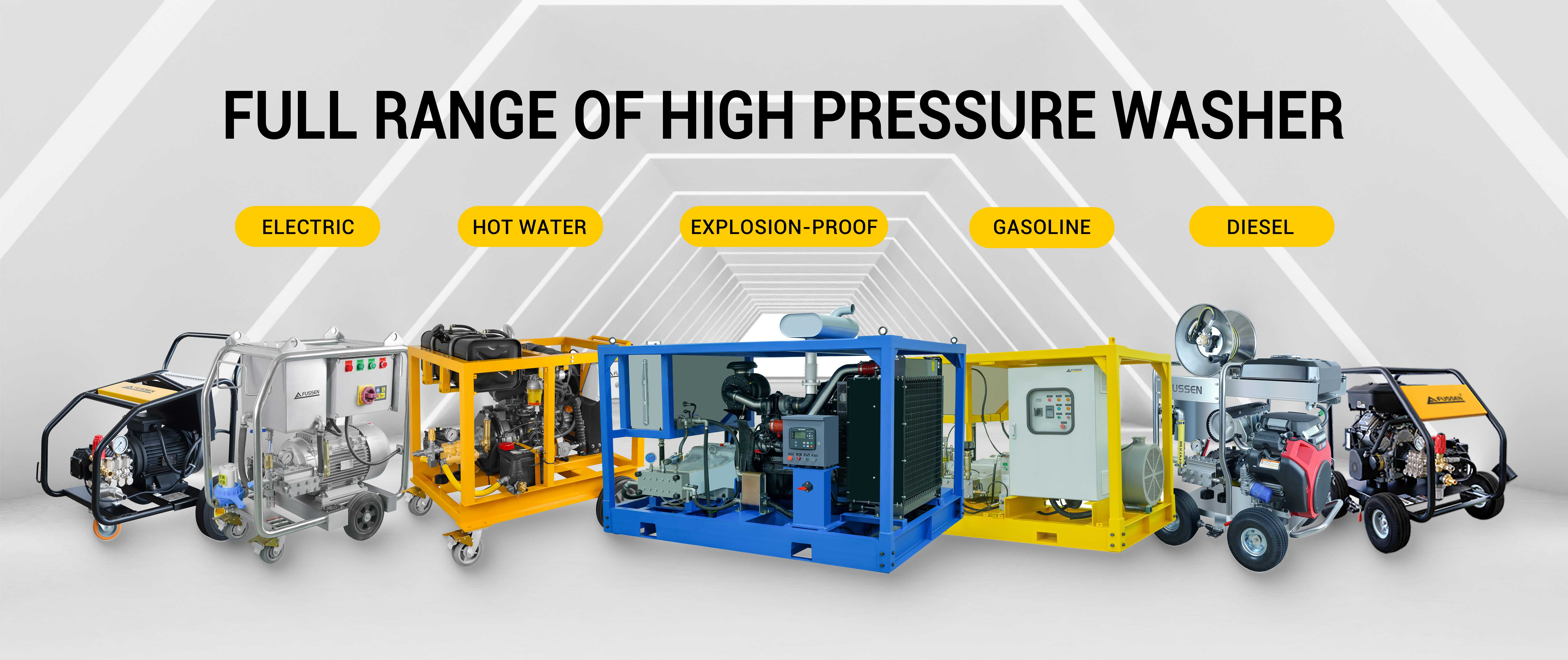
ال FSE و سلسلة FAE تُعدّ هذه الآلات مناسبة تمامًا لمهام التنظيف البلدية الخفيفة. وهي مثالية لتنظيف المباني العامة، ومستودعات الصيانة، والأسواق، ومواقف السيارات، وغيرها من المرافق التي تتطلب أداءً موثوقًا به يوميًا.
إذا كان عملك يتضمن تنظيف الطرق الروتيني، والأرصفة، والساحات العامة، والآلات، أو غيرها من التطبيقات المتوسطة إلى الثقيلة، FBE و شهادة التعليم الثانوي الفيدرالية توفر هذه السلسلة ضغطًا أعلى وأداء تنظيف أفضل للعمليات البلدية الأكثر تطلبًا.
ال سلسلة FLE صُممت هذه المضخة للاستخدامات التي يكون فيها تدفق الماء العالي أهم من الضغط الأقصى. وهي فعالة بشكل خاص في شطف الأسطح الكبيرة، وإزالة المخلفات، وتنظيف المناطق التي تتطلب تدفقًا عاليًا للماء.
ال سلسلة FHE-P و FHE-S تتميز هذه الأنظمة بأنظمة تنظيف بالماء الساخن مثالية لإزالة الزيوت والشحوم والعلكة وبقايا الطعام وغيرها من الملوثات المستعصية. وهي مناسبة تمامًا لمناطق تجميع النفايات والبيئات الحساسة للنظافة الصحية وغيرها من التطبيقات البلدية التي تتطلب أداءً محسنًا في التنظيف.
تعمل بمحركات الديزل، بدعة, FBD, ، و سلسلة FCD صُممت هذه المركبات خصيصًا للتنظيف الخارجي المتنقل في المناطق التي لا تتوفر فيها الكهرباء. وهي خيار ممتاز لفرق صيانة الطرق، ومركبات الخدمات البلدية، والمقاولين العاملين في مواقع متعددة.
بالنسبة لأعمال الصيانة البلدية المتخصصة ومشاريع البنية التحتية المتطلبة، الاحتياطي الفيدرالي و سلسلة FKD توفر هذه الأنظمة أداءً عاليًا في التنظيف باستخدام الضغط العالي جدًا. وهي مناسبة لإزالة الرواسب الصعبة، وتجهيز الأسطح الخرسانية، ومعالجة تطبيقات التنظيف الصناعية أو المتعلقة بالبنية التحتية الصعبة.
من الوحدات الكهربائية المدمجة إلى أنظمة الماء الساخن والبنزين والديزل والمقاومة للانفجار والأنظمة ذات الضغط العالي للغاية، تغطي مجموعة منتجات Fussen ضغوط التشغيل من 100 إلى 2800 بار مع خيارات متعددة لمعدل التدفق، مما يسمح لك باختيار المعدات التي تناسب أي متطلبات تنظيف بلدية تقريبًا.
قبل إتمام عملية الشراء، اسأل الموردين المحتملين الأسئلة التالية للتأكد من أن المعدات تلبي متطلبات التشغيل والمشتريات الخاصة بك:
ينبغي أن يكون المورد المطلع قادراً على الإجابة على هذه الأسئلة بوضوح والتوصية بحل بناءً على متطلبات التنظيف الخاصة بك بدلاً من مجرد اقتراح آلة ذات ضغط عالٍ.
يعتمد اختيار أفضل غسالة ضغط على نوع الشوارع التي تقوم بصيانتها والملوثات التي تحتاج إلى إزالتها. بالنسبة للتنظيف الروتيني للطرق والأرصفة، تُعد الأنظمة متوسطة إلى ثقيلة التحمل، ذات التوازن بين الضغط ومعدل التدفق، هي الأكثر فعالية عادةً. أما إذا كان عملك يتضمن إزالة الشحوم أو الطلاء أو الرواسب الكثيفة، فقد يكون نظام الضغط العالي أو نظام الماء الساخن أكثر ملاءمة.
لا يوجد ضغط واحد يناسب جميع التطبيقات. يعتمد الضغط الأمثل على مادة السطح ونوع التلوث. تتطلب الأسطح الحساسة ضغطًا منخفضًا لمنع التلف، بينما قد تتطلب البقع المستعصية مثل الكتابة على الجدران أو الرواسب الكثيفة معدات ذات ضغط أعلى مع فوهات مناسبة.
تُعدّ غسالات الضغط الكهربائية مثالية للمنشآت الثابتة ذات مصدر الطاقة الموثوق، حيث توفر مستويات ضوضاء أقل وصيانة أقل. أما الوحدات التي تعمل بالديزل فهي أنسب للتنظيف الخارجي المتنقل، والمواقع النائية، وساعات التشغيل الطويلة في حال انقطاع التيار الكهربائي.
ليس دائمًا. غسالات الضغط بالماء البارد كافية لإزالة الغبار والطين والأوساخ العامة. مع ذلك، إذا كان عملك يتضمن بانتظام التعامل مع الزيوت والشحوم والعلكة وبقايا الطعام أو مناطق تجميع النفايات، فإن نظام الماء الساخن يُحسّن كفاءة التنظيف ويقلل الحاجة إلى المنظفات.
يعتمد استهلاك الماء على معدل تدفق الجهاز ومدة تشغيله. عادةً ما تنظف المعدات ذات التدفق العالي مساحات أكبر بكفاءة أعلى، ولكنها تستهلك كمية أكبر من الماء. يساعد اختيار الفوهة المناسبة ومواءمة الجهاز مع الاستخدام المطلوب على تحسين كفاءة استخدام الماء.
نعم. يمكن إزالة الكتابة على الجدران والعلكة في كثير من الأحيان باستخدام مزيج مناسب من الضغط، واختيار الفوهة المناسبة، والمنظفات، وفي كثير من الحالات، الماء الساخن. وتعتمد طريقة التنظيف المناسبة على نوع المادة السطحية وشدة التلوث.
تشمل ملحقات التنظيف البلدية الشائعة فوهات المروحة، والفوهات الدوارة، ومنظفات الأسطح، وفوهات تنظيف الأنابيب، وخراطيم الضغط العالي، وبكرات الخراطيم، والرماح المرنة. يعتمد التكوين الأمثل على تطبيقات التنظيف وبيئة التشغيل.
ينبغي إجراء عمليات فحص دورية قبل كل استخدام، مع مراعاة توصيات الشركة المصنعة فيما يخص فترات صيانة تغيير الزيت، والفلاتر، والحلقات المانعة للتسرب، والصمامات، والمكونات الأخرى. تساهم الصيانة الوقائية في تعزيز موثوقية المعدات وتقليل فترات التوقف غير المتوقعة.
نعم. يمكن تركيب العديد من أنظمة غسيل الضغط البلدية على منصات أو مقطورات ودمجها مع خزانات المياه الموجودة على متنها وبكرات الخراطيم ومقصورات التخزين، مما يجعلها مثالية لعمليات التنظيف المتنقلة.
ينبغي عليك طلب الشهادات والوثائق الفنية ذات الصلة، مثل شهادة CE، وشهادة إدارة الجودة ISO، وأوراق البيانات الفنية، وأدلة السلامة والصيانة، ومعلومات الضمان، ووثائق قطع الغيار، وأي وثائق إضافية مطلوبة لعملية الشراء البلدية الخاصة بك.
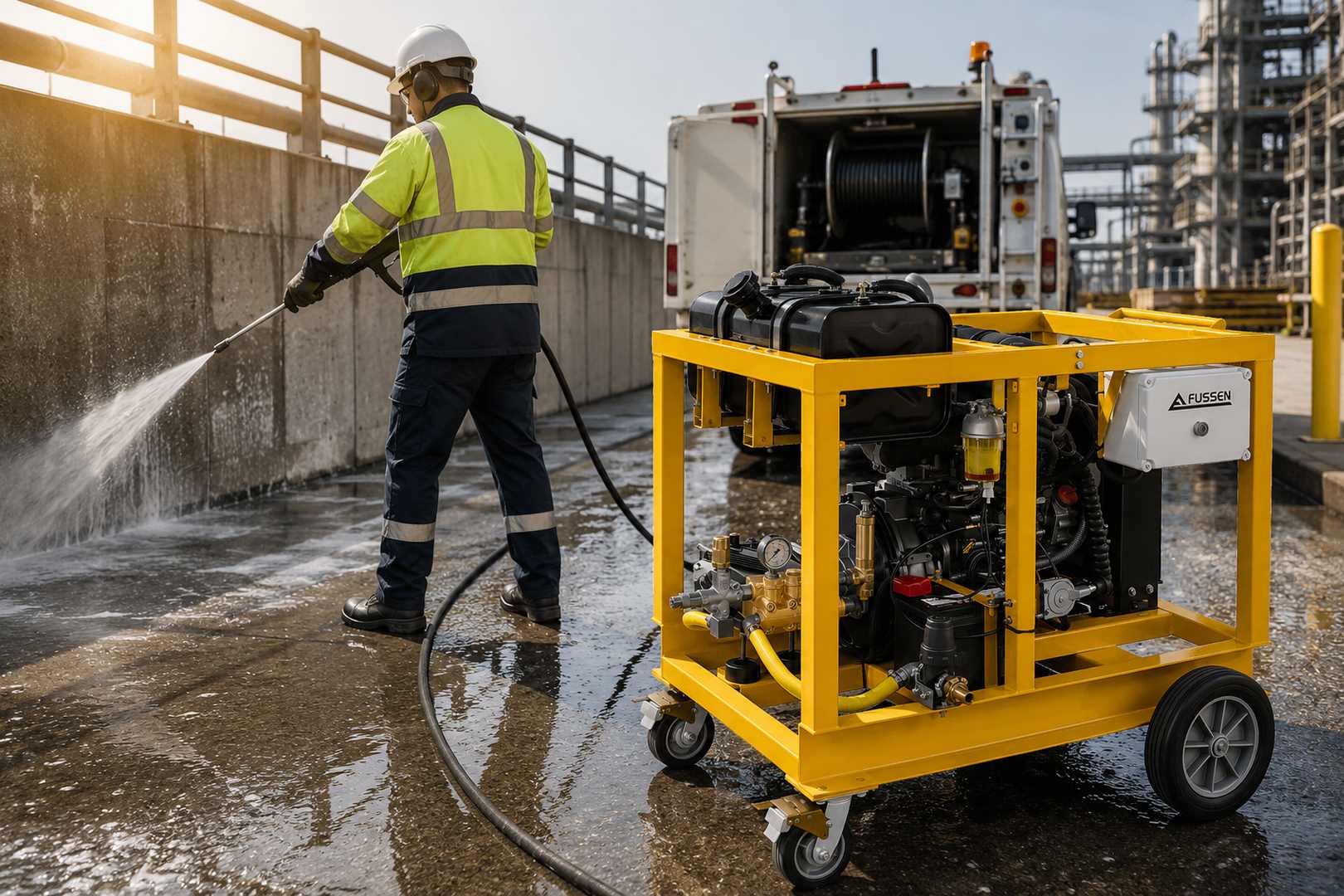
إن اختيار معدات غسيل الضغط المناسبة للبلديات يتجاوز مجرد اختيار أعلى تصنيف للضغط. لتحقيق أفضل النتائج على المدى الطويل، ينبغي تقييم تطبيقات التنظيف، وأنواع التلوث، والضغط والتدفق المطلوبين، ومصدر الطاقة، وتوافر المياه، وسهولة نقل المعدات، وساعات التشغيل، وميزات السلامة، والتكلفة الإجمالية للملكية.
قبل طلب عروض الأسعار، جهّز مواصفات واضحة تحدد متطلباتك التشغيلية. هذا يسمح للموردين باقتراح أنسب تكوين للمعدات لمهام التنظيف الخاصة بك بدلاً من تقديم حل واحد يناسب الجميع يعتمد فقط على الضغط.
وأخيرًا، تذكر أن المورد المناسب لا يقدم مجرد آلة. فالاستشارات الفنية، وتخصيص المعدات، وتدريب المشغلين، وتوفير قطع الغيار، ودعم ما بعد البيع السريع، كلها عوامل مهمة لضمان الأداء الموثوق وتعظيم قيمة استثمارك لسنوات قادمة.
لكل عملية تنظيف بلدية متطلباتها الخاصة. سواء كنت تقوم بصيانة شوارع المدينة، أو المرافق العامة، أو البنية التحتية للنقل، أو أنظمة الصرف الصحي، فإن تقديم معلومات تفصيلية عن التطبيق يساعدك على ضمان حصولك على أنسب تكوين للمعدات.
عند الاتصال بشركة فوسن، يرجى مشاركة المعلومات التالية:
بناءً على متطلباتك، يمكن لفريق الهندسة في Fussen أن يوصي بغسالة الضغط الأنسب، وتكوين الجهاز بالملحقات والخيارات المناسبة، وتقديم إرشادات فنية مصممة خصيصًا لتطبيقك.
اتصل بفوسن اليوم لمناقشة متطلبات التنظيف البلدية الخاصة بك والحصول على توصية مخصصة بالمعدات، والتكوين الفني، وعرض أسعار تنافسي.

 English
  Spanish
  French
  Russian
  Japanese
  Portuguese
  Arabic
  Korean