For shipyards in particular, selecting between a 500 bar vs 1000 bar high pressure washer is not about choosing “more power,” but about matching pressure to real working conditions.
In this article, we break down how shipyards actually use industrial high pressure washer equipment, and what pressure levels make sense for different marine applications.
Shipyard cleaning is very different from general industrial or commercial cleaning. Salt exposure, thick coatings, heavy corrosion, and tight dry-dock schedules all place higher demands on equipment.
Using an undersized shipyard high pressure washer often leads to:
Incomplete rust or coating removal
Repeated cleaning passes
Higher labor costs and longer downtime
On the other hand, selecting excessive pressure without understanding the task can create unnecessary safety risks. This is why pressure choice should always be based on application, not assumptions.
A 500 bar unit is widely used for maintenance-level cleaning in marine environments.
Typical applications include:
Deck and superstructure cleaning
Removal of oil residues, salt, and light marine growth
Routine maintenance cleaning between docking cycles
In many cases, a 500 bar machine performs reliably as an industrial high pressure washer for daily shipyard tasks. It offers stable operation, lower reaction force, and reduced risk of surface damage.
However, limitations become clear when facing heavy corrosion or thick, aged coatings. In these scenarios, cleaning speed drops significantly, and productivity becomes a concern.
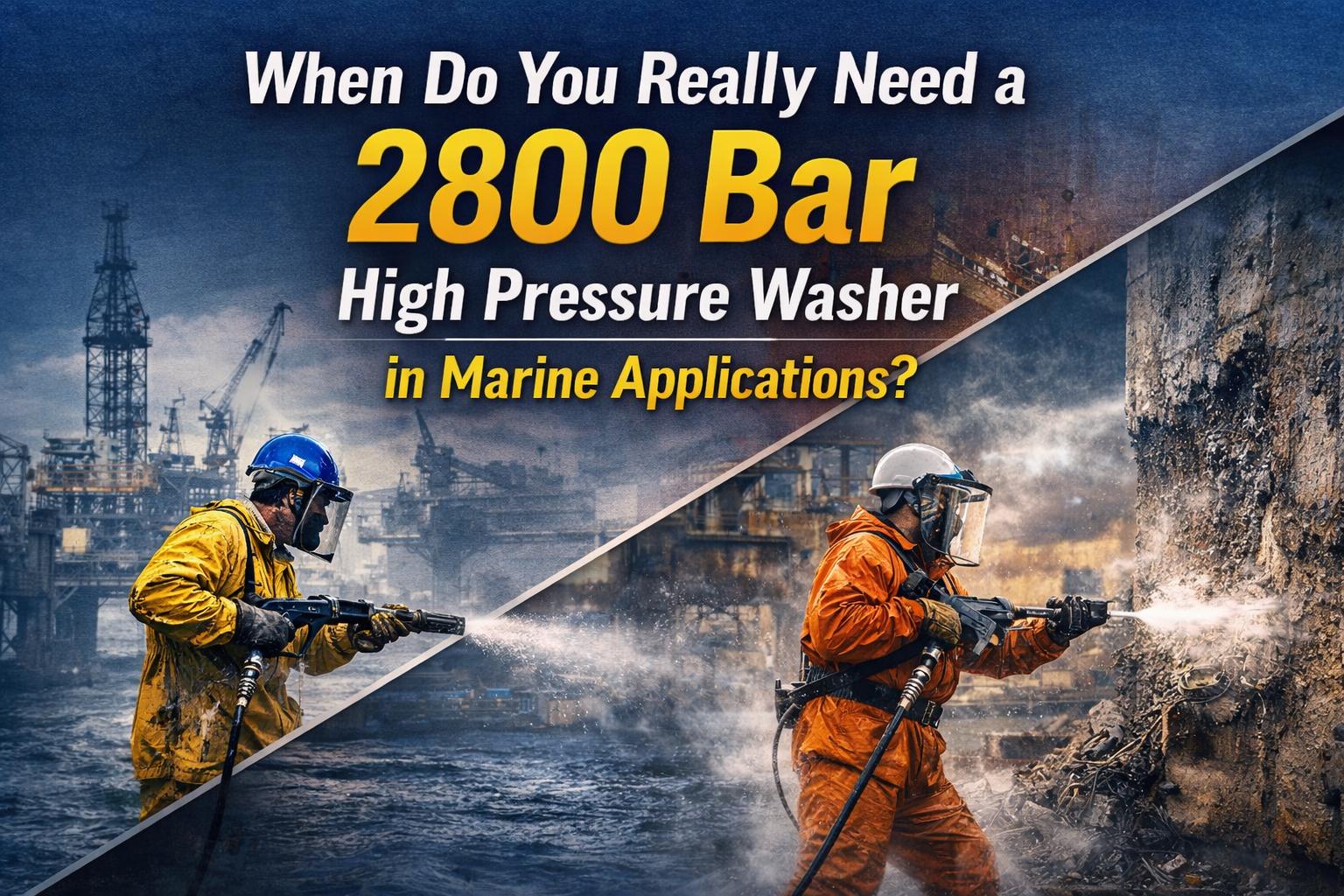
For heavy-duty applications, 1000 bar is not excessive — it is often practical.
A 1000 bar system is commonly used for:
Ship hull rust removal
Paint and coating removal
Dry dock overhaul and refurbishment projects
In these tasks, ship hull cleaning pressure is critical. Higher pressure allows operators to break through corrosion layers more effectively, reducing repeated passes and manual intervention.
For many shipyards, a 1000 bar shipyard high pressure washer is chosen not for “maximum pressure,” but for consistent results, faster turnaround, and reduced labor dependency.
| Factor | 500 Bar | 1000 Bar |
|---|---|---|
| Typical use | Maintenance cleaning | Rust & paint removal |
| Cleaning efficiency | Moderate | High |
| Labor dependence | Higher | Lower |
| Continuous operation | Limited | Strong |
| Common shipyard use | Small to mid-size yards | Mid to large shipyards |
This comparison highlights why the discussion of 500 bar vs 1000 bar high pressure washer should always be tied to workload intensity.
In many cases, yes — but only for the right tasks.
If cleaning is limited to surface contamination and routine maintenance, 500 bar can be sufficient. However, when dealing with heavy corrosion, scale buildup, or multiple coating layers, most shipyards quickly find that 500 bar becomes a bottleneck rather than a solution.
There is no single number that fits all cases, but in practice:
Light maintenance cleaning often uses 300–500 bar
Rust and coating removal typically require 800–1000 bar
This is why marine high pressure cleaning operations often rely on multiple pressure levels rather than a single machine.
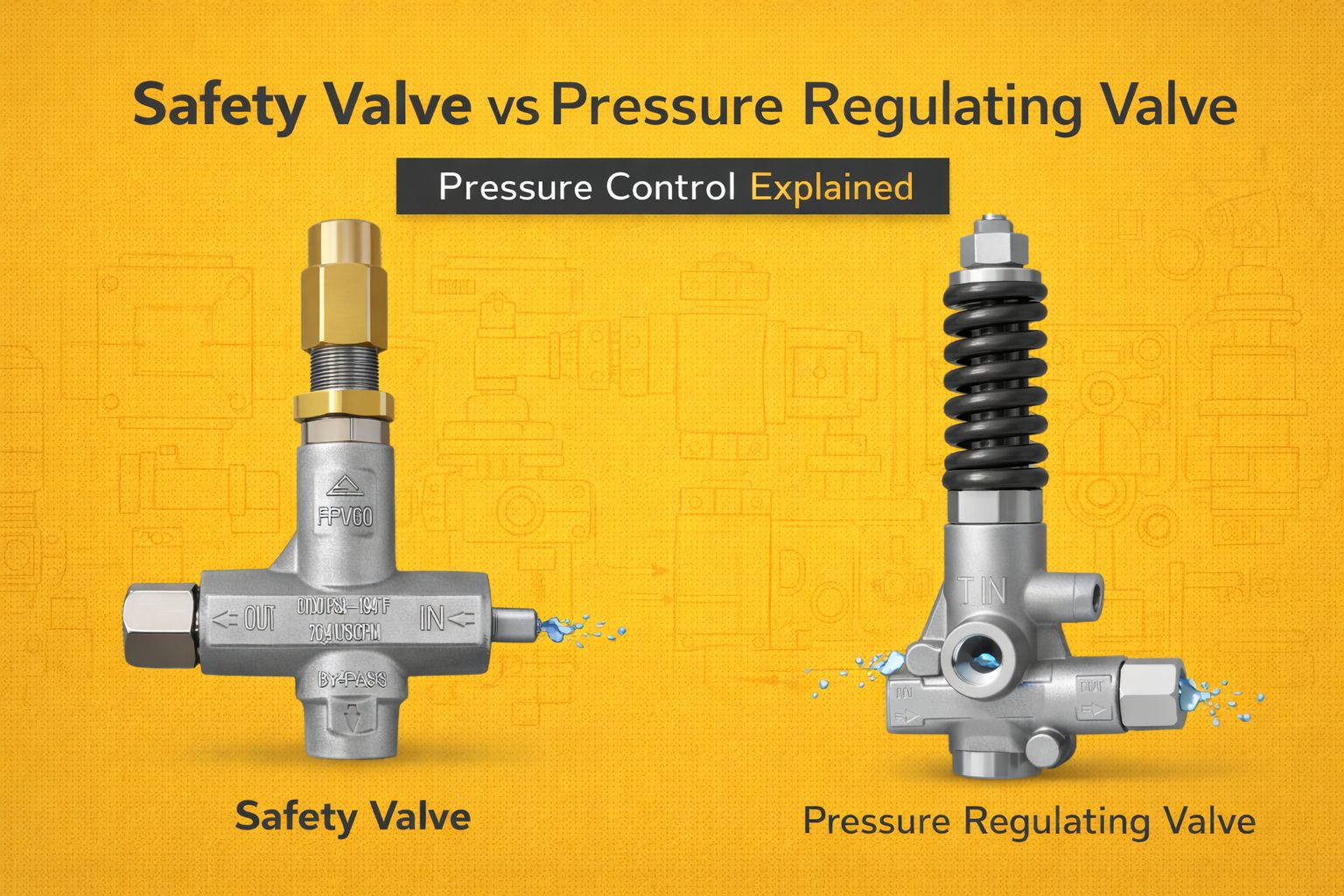
While pressure attracts the most attention, real cleaning performance depends on more than bar rating alone. Flow rate, nozzle selection, pump reliability, and safety systems all play essential roles.
In shipyard environments, a well-designed industrial high pressure washer must balance pressure with durability, stable output, and operator safety — especially during long, continuous operations.
Most shipyards do not choose between 500 bar or 1000 bar exclusively.
They choose based on task intensity, efficiency requirements, and long-term operating costs.
For routine maintenance: 500 bar remains a practical choice
For refurbishment, rust removal, and coating stripping: 1000 bar is often the more efficient solution
Understanding this balance is key to selecting the right shipyard high pressure washer and achieving reliable results in demanding marine environments.

 English
  Spanish
  Russian
  Korean
  Japanese
  Portuguese
  Arabic