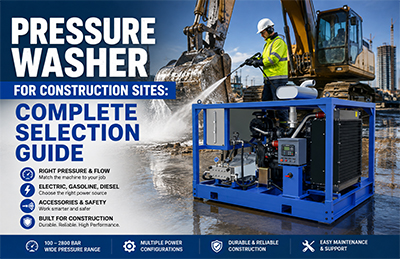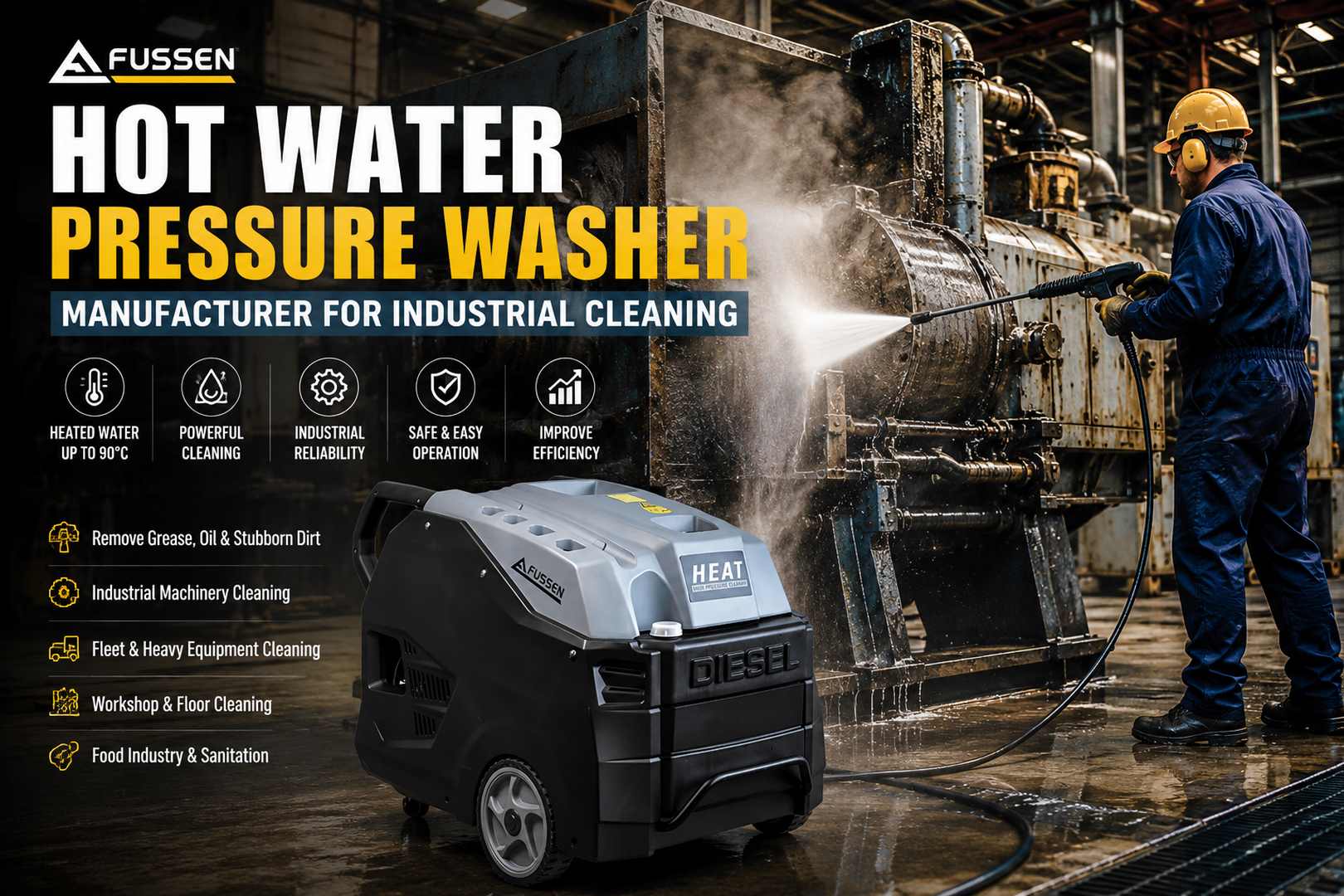
4000 PSI 고압 세척기: 산업 청소용 B2B 구매 가이드 완벽 가이드


핵심 요약

  • Understand the importance of PSI and flow rate balance for optimal cleaning efficiency in industrial applications.
  • Evaluate specific cleaning needs based on surface type, contamination level, and operating hours for durability.
  • Consider hot water pressure washers for enhanced grease removal and cleaning speed in demanding industrial environments.
  • Ensure safety compliance with features like ATEX certification for hazardous environments and corrosion-resistant materials.
  • Assess mobility and energy-saving features for operational efficiency in various industrial cleaning tasks.

소개

In the realm of industrial cleaning, pressure washers serve as essential tools for maintaining equipment and facilities. The industrial pressure washer, particularly the heavy-duty models, is integral for addressing tough cleaning challenges. Unlike consumer-grade alternatives, these machines are built to withstand demanding environments, ensuring consistent performance and reliability. Industrial cleaning equipment must manage equipment downtime effectively, along with the risks of pump failures and corrosion in harsh conditions. A commercial power washer, capable of delivering high pressure, becomes crucial in maintaining operational efficiency. Selecting the right industrial pressure cleaning machine not only enhances productivity but also mitigates high maintenance costs. Thus, understanding the features and capabilities of these machines is vital for industrial buyers seeking optimal cleaning solutions. Additionally, focusing on pump engineering can ensure stability and durability, which are critical for long-term performance in demanding applications.

What Is a Commercial 4000 PSI Pressure Washer?

A commercial 4000 PSI pressure washer is designed to deliver high pressure for tough cleaning tasks, making it a popular choice in industrial settings. Understanding the relationship between PSI and flow rate is essential for determining its effectiveness. This level of pressure is favored for its ability to tackle heavy-duty grime and debris efficiently. Additionally, the 프리미엄 플런저 펌프 used in high-pressure washers ensures long-term stable performance for demanding industrial applications.

Understanding PSI and Flow Rate

Pressure and flow rate are critical factors to consider when selecting a commercial pressure washer, especially one boasting a powerful 4000 PSI. PSI, or pounds per square inch, measures the pressure exerted by the high pressure water jet system, essential for effective cleaning. However, flow rate, typically measured in liters per minute or gallons per minute, also plays a vital role in determining cleaning efficiency. A balance between PSI and flow rate ensures optimal performance; too high a pressure without adequate flow can compromise cleaning effectiveness. For instance, a hot water pressure washer with a high pressure plunger pump can enhance dirt removal. Additionally, explosion-proof pressure washers are crucial for safety in hazardous environments while using industrial surface cleaning equipment. Moreover, 온수 고압 세척기 are particularly effective in breaking down stubborn grease and biofilms, making them indispensable in hygiene-sensitive industries.

Why 4000 PSI Is a Popular Industrial Pressure Level

Choosing the right pressure level is vital for achieving effective cleaning results, and 4000 PSI has emerged as a favored option in the commercial sector. This pressure level strikes a balance between powerful cleaning capabilities and safety, making it suitable for various industrial applications.

애플리케이션Effectiveness
Heavy equipment cleaningExcellent
Concrete surface cleaningHighly effective
Paint preparationEfficient
Fleet washingComprehensive
Oil and grease removalRobust

The 4000 PSI pressure washer excels in heavy-duty tasks without entering ultra-high-pressure realms, allowing users to maintain control while effectively removing tough grime and contaminants. This versatility makes it an essential tool in industrial cleaning operations, especially when 재료 제거 is required for optimal surface preparation.

Commercial vs Residential Pressure Washers

특징ResidentialCommercial 4000 PSI
Operating TimeShort cyclesContinuous duty
Pump TypeAxial pumpIndustrial plunger pump
MotorConsumer-gradeIndustrial-grade motor
내구성Light useHeavy industrial use
Maintenance제한된Serviceable systems

Industries That Commonly Use 4000 PSI Commercial Pressure Washers

Various industries benefit from the powerful cleaning capabilities of 4000 PSI commercial pressure washers. Key sectors include construction, manufacturing, marine applications, transportation, and agriculture, each requiring robust equipment to maintain cleanliness and safety. Understanding these applications highlights the versatility and necessity of high-pressure washers in demanding operational environments. In particular, high-pressure washers play a crucial role in marine maintenance by efficiently removing salt, marine growth, and oil residues to ensure vessel performance and safety.

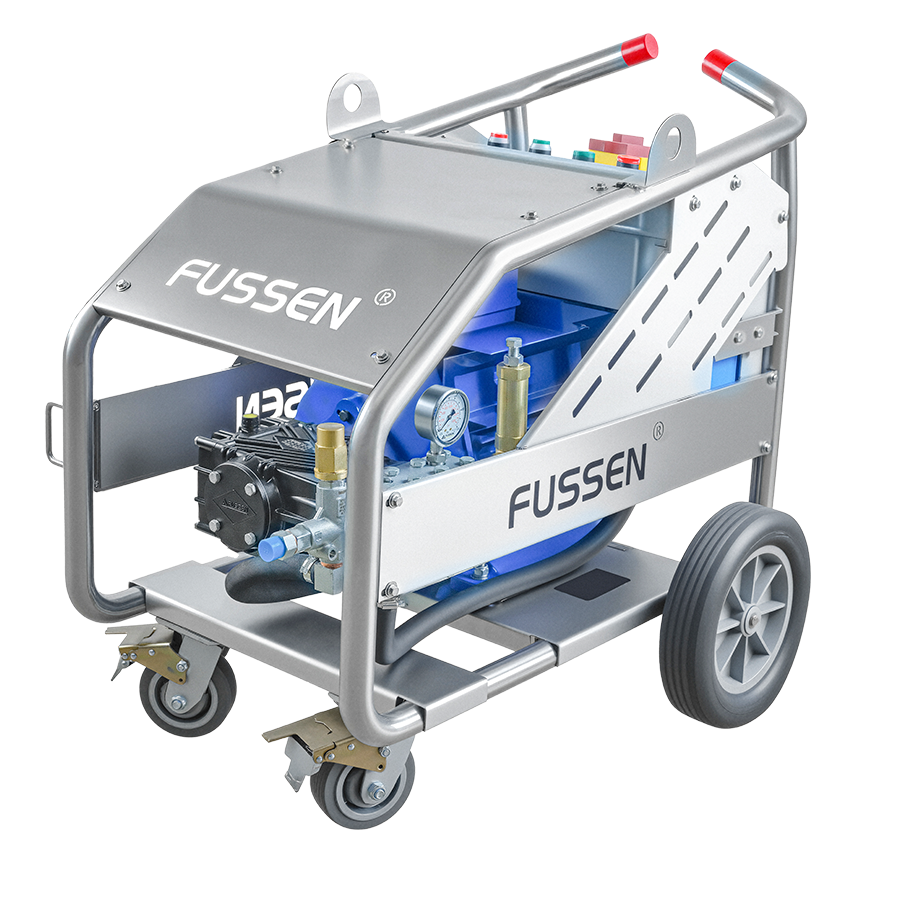
Fussen FWE Series electric high-pressure washer, up to 600 bar, 18–22 L/min, stainless steel design with water tank for marine cleaning.

Construction and Heavy Equipment Cleaning

In the construction industry, the need for efficient cleaning of heavy equipment is paramount. Heavy machinery such as excavators, bulldozers, and concrete mixers constantly accumulate mud, cement, grease, and debris. The use of a 4000 PSI commercial pressure washer provides the necessary power to tackle these stubborn residues effectively. This high-pressure cleaning solution not only ensures equipment longevity but also enhances safety by maintaining visibility and proper functionality. Regular cleaning prevents the buildup of harmful substances that can lead to mechanical failures or safety hazards on job sites. By employing powerful pressure washing methods, construction companies can maintain control over their equipment’s performance, ensuring optimal operation and reducing downtime due to maintenance issues. Additionally, utilizing 온수 시스템 can significantly enhance cleaning efficiency, especially for oily contaminants.

Manufacturing and Industrial Facilities

The manufacturing and industrial sectors also benefit significantly from the power of 4000 PSI commercial pressure washers. These machines are essential for maintaining cleanliness and safety in production environments. They effectively tackle production line cleaning, ensuring that machinery and equipment operate without contamination or malfunction due to buildup. Additionally, workshop floor cleaning becomes more efficient, as the high-pressure water removes stubborn debris and spills that could impede operations. Industrial degreasing is another crucial application; 4000 PSI pressure washers can strip away grease and oils that accumulate during manufacturing processes, thereby prolonging equipment lifespan and enhancing workplace safety. By utilizing these powerful tools, facilities can achieve optimal cleanliness, ultimately contributing to improved productivity and operational control. Moreover, the combination of 고압 출력 and heated water significantly enhances the cleaning effectiveness, allowing for faster and more efficient removal of tough contaminants.

Shipyards and Marine Applications

Shipyards rely heavily on 4000 PSI commercial pressure washers to maintain the integrity and safety of marine vessels. The powerful cleaning capabilities of these machines are essential for addressing the unique challenges faced in marine environments. Key applications include:

  1. 녹 제거: Effectively eliminates corrosion, prolonging vessel life.
  2. Salt corrosion cleaning: Removes harmful salt deposits, critical for coastal operations.
  3. Deck cleaning: Ensures safe working conditions by maintaining cleanliness on surfaces.
  4. Marine-grade corrosion-resistant systems: Designed for durability, these systems withstand harsh conditions, enhancing reliability.

Utilizing high-pressure washers not only improves aesthetics but also prevents structural damage, ensuring vessels remain operational and safe for navigation. The choice of a robust pressure washer is vital for achieving these goals efficiently, especially given the importance of 제어된 물질 제거 in preserving surface integrity.

Transportation and Fleet Maintenance

Maintaining a clean fleet is vital for transportation industries, where 4000 PSI commercial pressure washers play a significant role. Trucks, buses, rail systems, and mining vehicles require rigorous cleaning to uphold safety standards, enhance operational efficiency, and preserve asset value. These powerful machines effectively remove grime, oil, and dirt accumulated during daily operations, ensuring that vehicles are in optimal condition. Regular use of high-pressure washers not only extends the lifespan of equipment but also improves fuel efficiency by reducing weight from accumulated debris. Additionally, a clean fleet fosters a professional image, reflecting a commitment to quality and reliability. Thus, investing in a 4000 PSI commercial pressure washer is a strategic choice for companies focused on maintaining operational excellence and control over their fleet maintenance. Furthermore, utilizing 고압 플런저 펌프 ensures stable operation and durability, making these washers a reliable choice for demanding tasks.

Agriculture and Livestock Farms

Agricultural operations rely heavily on effective sanitation practices to ensure the health and productivity of livestock and crops. Utilizing a 4000 PSI commercial pressure washer provides a robust solution for various cleaning tasks, promoting a hygienic environment. Key applications include:

  1. Farm Equipment Sanitation: Regular cleaning of tractors and tools prevents disease spread and maintains equipment longevity.
  2. Barn Cleaning: High-pressure washing efficiently removes manure, dirt, and contaminants, ensuring a safe living space for animals.
  3. Livestock Facility Maintenance: Regular pressure washing of feeding areas and water troughs helps maintain hygiene and reduces illness.
  4. Crop Preparation: Cleaning agricultural implements minimizes soil contamination and maximizes crop yield.

These practices enhance overall farm productivity and ensure compliance with health regulations. Additionally, using a 4000 PSI washer reduces labor costs by speeding up the cleaning process and improving operational efficiency.

Key Technical Features to Look for in a 4000 PSI Commercial Pressure Washer

When selecting a 4000 PSI commercial pressure washer, several key technical features warrant attention. These include the quality of the industrial high-pressure plunger pump, the robustness of industrial-grade motors and engines, and the presence of soft start and intelligent control systems. Additionally, effective water inlet protection systems and a heavy-duty frame with mobility design are essential for ensuring durability and ease of use in demanding environments. Furthermore, it is crucial to consider the 압력 및 유량 metrics that define the cleaning performance of the machine.

Industrial High-Pressure Plunger Pump

Choosing the right industrial high-pressure plunger pump is crucial for maximizing the performance of a 4000 PSI commercial pressure washer. Understanding key features ensures optimal efficiency and longevity:

  1. 세라믹 플런저: Known for their wear resistance, they extend the life of the pump under high-pressure conditions.
  2. 합금강 플런저: These offer superior durability, allowing the pump to withstand intense operational stresses.
  3. Sealing Systems: High-quality seals are essential to prevent leaks and maintain consistent pressure, contributing to a longer service life.
  4. Performance Ratings: Look for pumps that provide consistent flow rates and pressure, ensuring reliable cleaning power for industrial applications.

또한, correct material selection reduces downtime and extends seal life, enhancing overall pump reliability in demanding conditions.

Investing in a quality plunger pump leads to enhanced cleaning capabilities and reduced downtime, ultimately delivering better results.

Industrial-Grade Motors and Engines

Powerful motors and engines are vital components in a 4000 PSI commercial pressure washer, significantly influencing its performance and reliability. A four-pole low-speed motor is preferred for its ability to operate with reduced noise and vibration, enhancing user comfort during prolonged use. This design also extends the operating lifespan of the machine, minimizing downtime and maintenance costs. Additionally, users should consider options for diesel and gasoline engines, particularly for mobile applications. These engines provide the flexibility needed for various industrial cleaning tasks without sacrificing power. Overall, selecting an industrial-grade motor or engine is crucial for ensuring consistent, high-performance cleaning capabilities while maintaining control over operational efficiency. Furthermore, integrating a stainless-steel high-pressure plunger pump enhances durability and corrosion resistance, making it ideal for demanding cleaning environments.

Soft Start and Intelligent Control Systems

Efficiency in operation is a pivotal aspect of modern commercial pressure washers, particularly those operating at 4000 PSI. Soft start and intelligent control systems enhance performance by minimizing mechanical stress and optimizing energy use. Key features to consider include:

  1. Reduced Startup Shock: This feature decreases the initial jolt when the machine powers on, prolonging component life.
  2. Longer Motor Lifespan: Intelligent systems ensure the motor operates within optimal parameters, reducing wear and tear.
  3. Stable Operation Under Continuous Load: These systems maintain consistent performance, preventing fluctuations during extended use.
  4. User Control Options: Advanced interfaces allow operators to adjust pressure settings easily, enhancing precision for various cleaning tasks.

Moreover, implementing a soft start feature can significantly reduce water hammer and hose "kick," contributing to a safer and more efficient operation. Investing in these features leads to improved reliability and efficiency in demanding environments.

Water Inlet Protection Systems

When considering a 4000 PSI commercial pressure washer, the importance of water inlet protection systems cannot be overstated. These systems ensure optimal performance and longevity by safeguarding the machine from contaminants and low water conditions. Key features include float valves, high-precision filtration, and booster pumps, each contributing to effective water management.

특징Purpose혜택
Float ValvesPrevents overflowMaintains water levels
High-Precision FiltrationEliminates debris and contaminantsProtects internal components
Booster PumpsEnhances water flowEnsures consistent pressure

Investing in these features allows operators to maintain control over their cleaning processes, ensuring efficiency and reliability in demanding environments. Furthermore, proper hose selection based on working pressure is crucial to prevent premature failure and enhance system performance.

Heavy-Duty Frame and Mobility Design

A robust frame and effective mobility design are vital for a 4000 PSI commercial pressure washer, particularly in demanding environments. The right construction ensures durability and ease of transport, enhancing productivity. Key technical features to consider include:

  1. Stainless Steel Frames: These provide exceptional strength and resistance to corrosion, extending the lifespan of the unit.
  2. 내식성: A frame that can withstand harsh chemicals and environmental factors ensures consistent performance.
  3. 공기압 타이어: These enhance mobility, allowing for smooth movement over uneven surfaces, crucial for large-scale cleaning tasks.
  4. Heavy-Duty Industrial Mobility: A design that accommodates heavy loads while maintaining stability is essential for effective use in various applications.

또한, 사용 stainless steel with ceramic plungers in the pump construction contributes to the overall durability and reliability of the pressure washer.

Investing in these features guarantees reliability and efficiency in industrial cleaning operations.

Electric vs Diesel vs Gasoline 4000 PSI Pressure Washers

When selecting a 4000 PSI pressure washer, the choice between electric, diesel, and gasoline models significantly impacts performance and usability. Electric commercial pressure washers offer quieter operation and lower maintenance, while diesel options provide higher power and efficiency for demanding tasks. Gasoline models strike a balance between portability and power, making them suitable for various cleaning applications. Additionally, 총 소유 비용 should be considered to ensure long-term financial viability and operational efficiency.

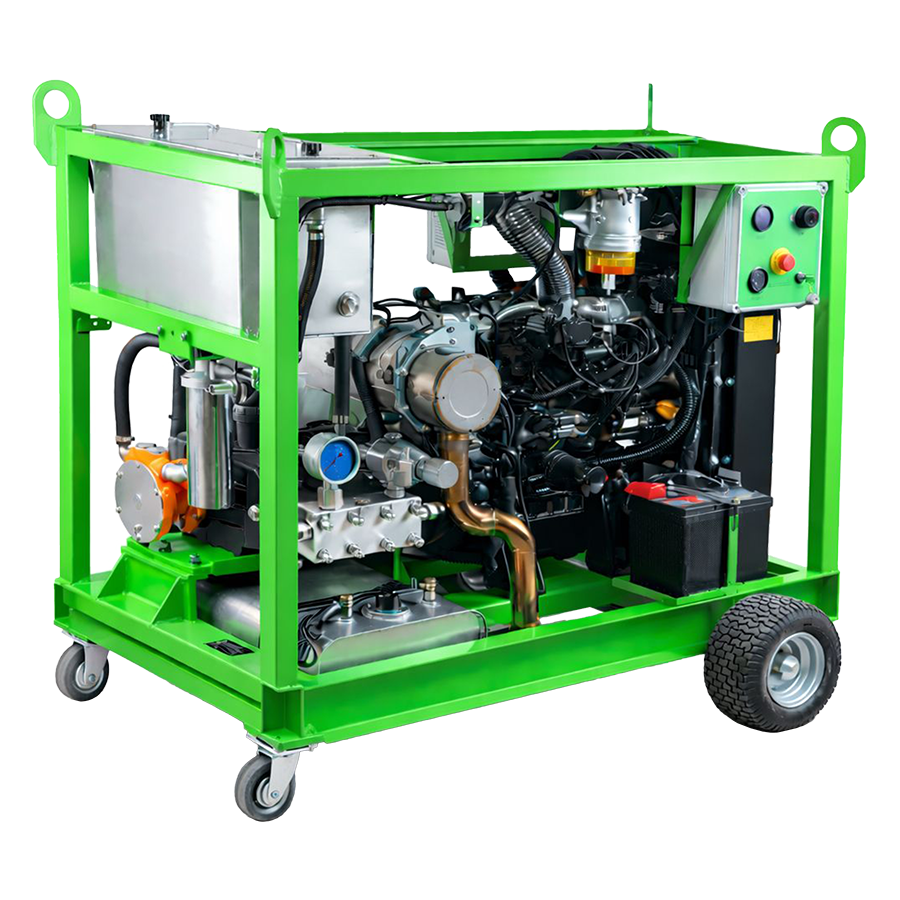
Fussen FRE Series container-type ultra high-pressure washer, up to 2800 bar, up to 120 L/min, for heavy-duty industrial and marine cleaning.

Electric Commercial Pressure Washers

Electric commercial pressure washers stand out as a preferred choice for specific cleaning environments, particularly indoor spaces such as factories and food processing facilities. Their unique advantages make them particularly suitable for controlled settings:

  1. Lower noise: Ideal for environments where sound levels matter.
  2. Lower emissions: Contributes to healthier workplace air quality.
  3. Reduced maintenance: Typically requires less upkeep compared to gasoline or diesel models.
  4. Stable power supply requirement: Ensures consistent performance in locations with reliable electricity.

However, the need for a stable power supply can limit their use in remote areas or facilities lacking electrical infrastructure. For businesses operating in suitable environments, electric pressure washers offer a clean, efficient, and environmentally friendly cleaning solution. Additionally, the 높은 내구성 of electric models ensures long service life even in demanding applications.

Diesel Pressure Washers

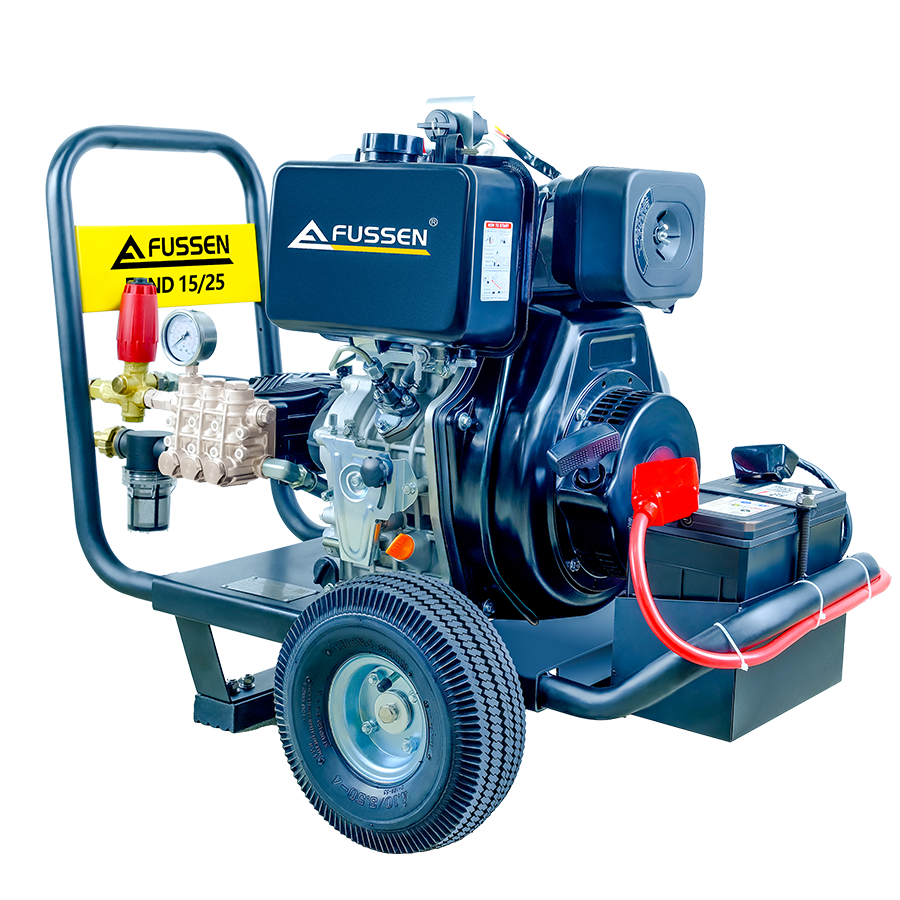
Diesel pressure washers are particularly advantageous for demanding environments such as construction sites, remote operations, and mining. These machines provide strong mobility, allowing operators to transport them easily across various terrains. Their ability to run continuously without interruption ensures that tasks can be completed efficiently, maximizing productivity. Additionally, diesel pressure washers boast high durability, making them suitable for harsh conditions where other power sources may falter. This reliability translates to lower maintenance costs and extended service life, providing users with a sense of control over their operations. Overall, diesel pressure washers represent a robust solution for professionals seeking effective cleaning power in challenging settings, making them an essential tool in industrial cleaning applications. Furthermore, the 고압 플런저 펌프 ensures consistent output, enhancing the effectiveness of cleaning tasks.

Gasoline Pressure Washers

Gasoline pressure washers stand out for their versatility and portability, making them ideal for a variety of outdoor cleaning tasks. They are particularly suited for:

  1. Mobile cleaning teams needing quick deployment.
  2. Outdoor maintenance on large properties or job sites.
  3. Municipal cleaning efforts where flexibility is crucial.
  4. Situations requiring high power without electrical limitations.

The advantages of gasoline pressure washers include their portable design, allowing operators to access remote locations with ease. Furthermore, their flexible operation enables users to tackle various cleaning challenges effectively. This makes gasoline pressure washers a preferred choice for professionals seeking reliable and powerful equipment for demanding industrial cleaning applications. In comparison to electric and diesel options, they offer unmatched mobility and operational convenience. Additionally, the pressure capability up to 350 bar ensures that these units can handle the toughest cleaning tasks with efficiency.

Hot Water vs Cold Water 4000 PSI Pressure Washers

When considering 4000 PSI pressure washers, the choice between hot water and cold water systems can significantly impact efficiency and cleaning effectiveness. Cold water systems may be adequate for lighter tasks, while hot water pressure washers excel in tackling tough grease and grime, making them ideal for industrial applications. Understanding these differences can help users select the right machine for their specific cleaning needs. Additionally, hot water systems utilize 열에너지 to enhance cleaning performance, allowing for more effective removal of contaminants.

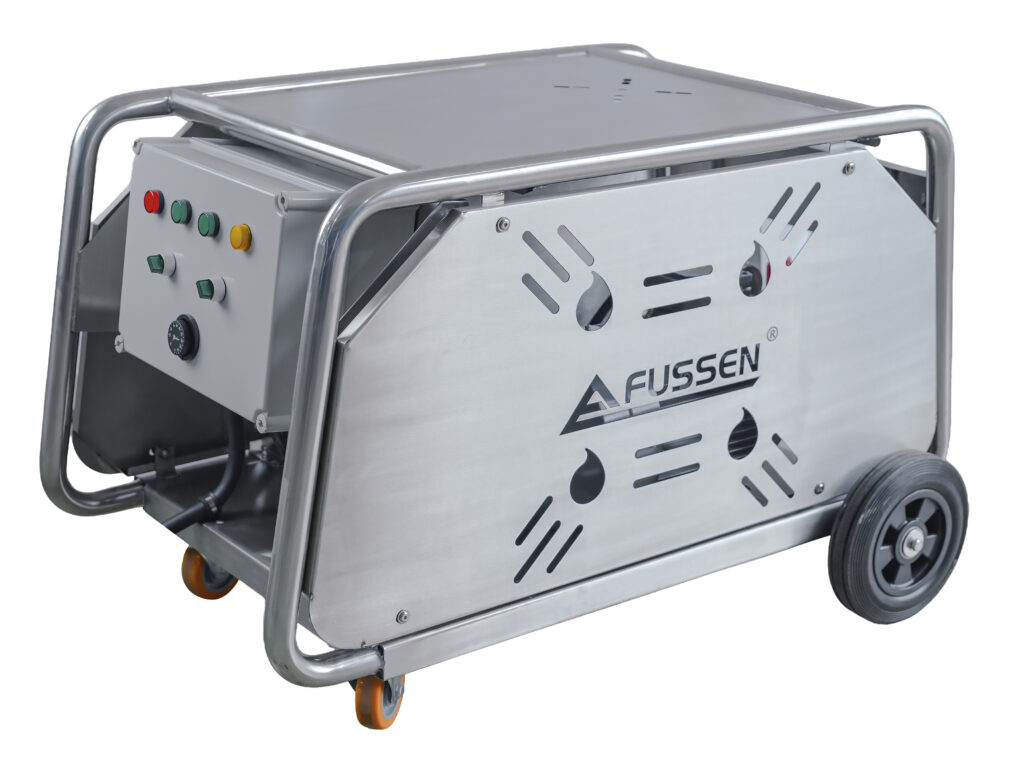
Fussen FHE-P Series hot water high-pressure washer, up to 90°C, compact mobile design for industrial cleaning and degreasing.

When Cold Water Systems Are Sufficient

Although hot water pressure washers are often touted for their ability to tackle tough grease and grime, cold water systems can be sufficient for many applications, particularly in commercial settings. These systems provide an effective solution for a variety of cleaning tasks without the added expense of heating elements.

Key scenarios where cold water pressure washers excel include:

  1. Dust removal: Effective for cleaning surfaces coated in dust and dirt.
  2. Mud cleaning: Ideal for clearing mud from vehicles and outdoor equipment.
  3. Loose debris: Efficient in removing leaves, grass, and other loose materials.
  4. 일반 표면 청소: Suitable for routine maintenance of floors, sidewalks, and exteriors.

In these situations, cold water pressure washers deliver optimal performance and control. Additionally, Fussen Pump specializes in 고압 세척 solutions, ensuring reliability and efficiency for your industrial cleaning needs.

온수 고압 세척기의 장점

Hot water pressure washers offer distinct advantages over their cold water counterparts, particularly in demanding commercial environments. One of the primary benefits is their superior ability to remove oil and grease, making them indispensable for industries requiring thorough sanitation. The hot water enhances cleaning efficiency, allowing operators to achieve faster results while minimizing labor time. Additionally, the use of a 고압 플런저 펌프 ensures stable pressure and flow for optimal cleaning performance.

AdvantageHot Water Pressure Washers
Oil RemovalHighly Effective
Grease CleaningRapidly Cleans
Industrial SanitationEnhanced Thoroughness

These features make hot water pressure washers an essential tool for businesses focused on maintaining high standards of cleanliness and efficiency in their operations.

Industrial Applications for Hot Water Systems

While both hot water and cold water pressure washers serve essential roles in industrial applications, hot water systems excel in environments where heavy grease and stubborn contaminants are prevalent. Their effectiveness becomes particularly evident in the following areas:

  1. Petrochemical facilities: Hot water systems efficiently remove oil and sludge, ensuring compliance with safety regulations.
  2. Food factories: They sanitize surfaces, eliminating harmful bacteria while tackling grease and food residues.
  3. Automotive workshops: Hot water units break down automotive fluids, making cleanup faster and more effective.
  4. Heavy machinery maintenance: They restore equipment to optimal condition by dissolving built-up grime and lubricants.

In these settings, the ability to deliver high-pressure hot water translates into enhanced cleaning power and improved operational efficiency. Additionally, the high-pressure capability of systems like the FEK Series pumps ensures that even the most stubborn contaminants are effectively removed.

Why Pump Technology Determines Pressure Washer Performance

The high-pressure pump serves as the heart of a pressure washer, significantly influencing its overall performance. Quality of the pump directly affects the machine's reliability and efficiency, with low-quality systems often facing common failures that can hinder operation. Understanding pump technology is essential for making an informed purchasing decision. Additionally, selecting the right 고압 호스 is crucial for ensuring optimal service life and operational efficiency in industrial applications.

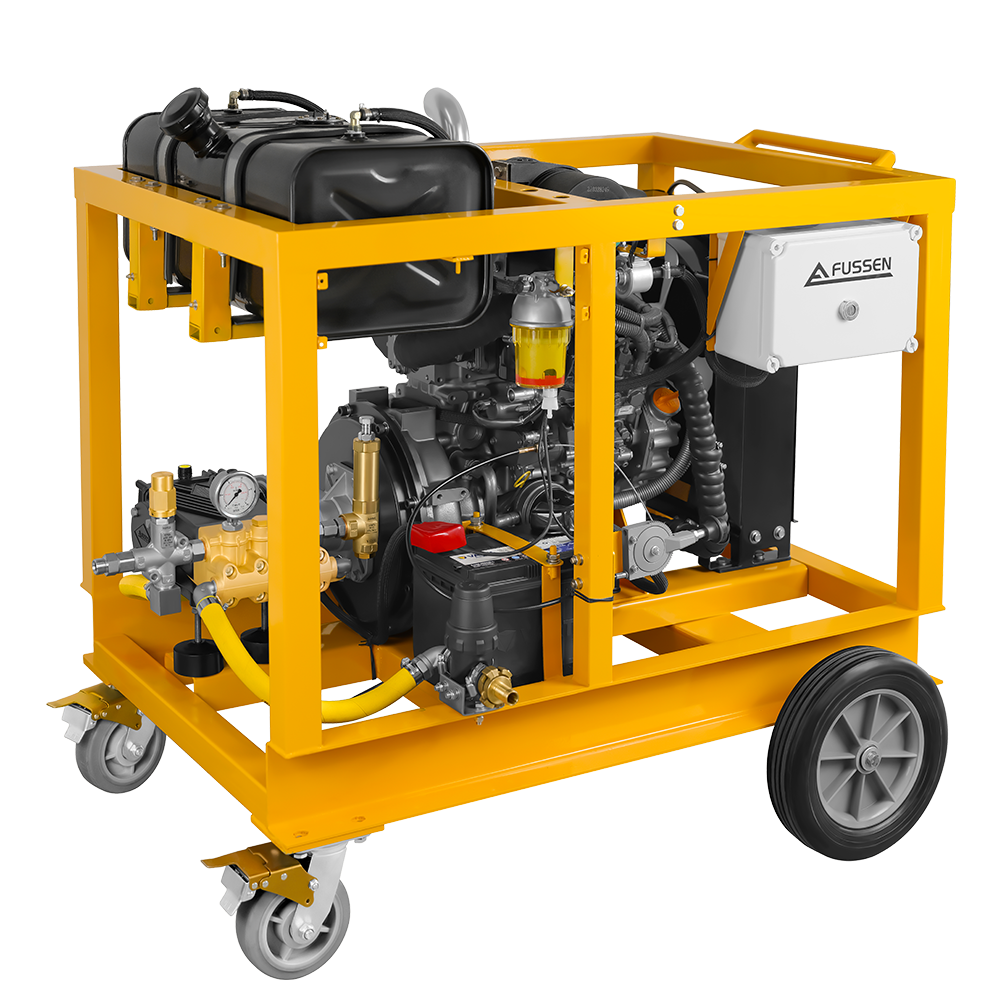
Fussen FCD SERIES Diesel High Pressure Washer

The High-Pressure Pump Is the Core of the System

At the heart of every high-performance pressure washer lies the high-pressure pump, a critical component that significantly influences overall system effectiveness. The pump technology determines not just the pressure output but also various key factors that shape operational efficiency.

  1. Pressure Stability: A robust pump ensures consistent pressure, crucial for effective cleaning.
  2. Cleaning Consistency: Advanced pumps deliver uniform spraying patterns, maximizing cleaning effectiveness across surfaces.
  3. Equipment Lifespan: Quality pumps reduce wear and tear, prolonging the life of the pressure washer.
  4. Operational Control: Superior pump design allows users to adjust pressure settings, providing flexibility tailored to specific cleaning tasks.

Investing in a high-quality high-pressure pump is essential for achieving optimal performance and reliability in industrial cleaning applications. For instance, the FASH Series pumps can deliver up to 250 bar of pressure, making them highly effective for demanding cleaning tasks.

Materials Used in Industrial Pumps

요소Function
세라믹 플런저Provide excellent wear and corrosion resistance
합금강 플런저Deliver high strength for high-pressure operation
High-grade sealsPrevent leakage and improve system stability
Stainless steel pump bodyEnhances corrosion resistance and durability

Common Pump Failures in Low-Quality Systems

When low-quality pumps are employed in pressure washers, several common failures can significantly hinder performance and efficiency. Seal leakage is a prevalent issue, leading to loss of pressure and water wastage. Pressure fluctuations, often caused by inadequate pump design, can disrupt cleaning tasks and create an unreliable user experience. Overheating occurs due to insufficient cooling mechanisms, resulting in reduced lifespan and potential pump failure. Additionally, cavitation damage arises when air enters the pump, leading to erosive wear and compromised performance. These failures underscore the critical importance of investing in high-quality pump technology, as it directly influences the reliability and effectiveness of pressure washing operations, ensuring optimal cleaning results and long-term durability. Choosing the right 펌프 재료 based on environmental conditions can also play a significant role in preventing these issues.

Important Safety and Compliance Considerations

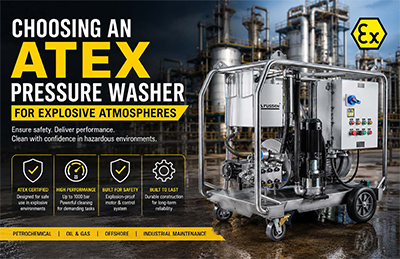
When selecting a commercial pressure washer, safety and compliance are paramount. Explosion-proof pressure washers and integrated pressure safety systems are critical features that enhance operational safety and adhere to regulatory standards. Understanding these considerations ensures both user protection and regulatory compliance in various work environments. Additionally, using certified explosion-proof motors can significantly reduce the risk of ignition in hazardous areas.

Explosion-Proof Pressure Washers

Given the inherent dangers present in hazardous industrial zones, particularly those associated with petrochemical plants, explosion-proof pressure washers are essential for maintaining safety and compliance. These specialized equipment units are designed to minimize the risk of ignition in volatile environments. Key considerations include:

  1. ATEX Certification: Ensure washers meet ATEX standards for explosive atmospheres.
  2. Motor Enclosures: Select units with sealed, explosion-proof motor enclosures to prevent sparks.
  3. Material Compatibility: Use corrosion-resistant materials to withstand harsh chemicals.
  4. Regular Maintenance: Implement a strict maintenance schedule to ensure ongoing compliance and safety. Additionally, look for models that feature a high explosion-proof rating to guarantee reliable protection in hazardous zones.

Pressure Safety Systems

Maintaining safety and compliance in industrial environments extends beyond the use of explosion-proof pressure washers. Essential pressure safety systems, such as safety valves, are critical for preventing over-pressurization and potential accidents. These valves automatically release excess pressure, ensuring operational stability. Pressure regulating valves further enhance safety by controlling the pressure output, allowing operators to maintain optimal performance while minimizing risks.

Additionally, automatic shutdown systems provide an essential layer of protection by halting operation when abnormal conditions are detected. This proactive approach to safety not only protects personnel and equipment but also aligns with regulatory compliance. By integrating these systems, businesses can achieve greater control over their cleaning processes, enhancing both efficiency and safety in high-pressure environments. Moreover, understanding the difference between 안전 밸브 및 압력 조절 밸브 is crucial for ensuring effective pressure management in these systems.

How to Choose the Right 4000 PSI Pressure Washer for Your Business

Selecting the appropriate 4000 PSI pressure washer for a business requires a careful evaluation of several key factors. It is essential to assess the specific cleaning needs and consider the flow rate in conjunction with pressure to ensure optimal performance. Additionally, understanding environmental conditions and comparing total lifecycle costs will help in making an informed decision. A balance between 압력 및 유량 is crucial for effective contaminant removal while preventing damage to surfaces.

Evaluate Cleaning Requirements

How can a business ensure it chooses the right 4000 PSI pressure washer to meet its specific cleaning needs? Evaluating cleaning requirements is essential for making a confident decision. Businesses should consider the following factors:

  1. Surface type: Different surfaces, such as concrete, wood, or metal, require specific cleaning approaches and pressure settings.
  2. Contamination level: Assess the type and extent of dirt, grease, or grime to determine the necessary power and cleaning agents.
  3. Operating hours: Understanding how often the pressure washer will be used helps gauge durability and performance needs.
  4. Mobility requirements: Consider whether the machine needs to be easily transported or stationed in a fixed location, influencing the choice of design and weight. Additionally, businesses may want to explore energy-saving features that can enhance operational efficiency and reduce costs.

Consider Flow Rate Alongside Pressure

While many businesses focus solely on the pressure rating when choosing a 4000 PSI pressure washer, it is crucial to also consider the flow rate to ensure efficient cleaning performance. The flow rate, measured in gallons per minute (GPM), directly impacts the cleaning speed. A higher GPM allows for quicker rinsing and removal of dirt and debris, making the cleaning process more effective. Relying solely on high PSI can lead to inadequate coverage and increased labor time. For optimal results, businesses should seek a balance between pressure and flow rate, ensuring that the pressure washer can tackle tough jobs efficiently while maintaining control over water usage. This combination ultimately enhances productivity and operational efficiency. Additionally, matching pressure and flow combinations is essential for different tasks, as underpowered machines can lead to slow cleaning and inconsistent results.

Assess Environmental Conditions

When assessing environmental conditions, it is essential for businesses to consider the specific challenges their pressure washer will face. Understanding the environment will ensure optimal performance and longevity of the equipment. Key factors to evaluate include:

  1. 부식성 환경: Select materials resistant to chemicals and rust.
  2. High Humidity: Opt for models with protective features against moisture damage.
  3. High Temperature: Ensure the pressure washer can withstand elevated temperatures without overheating.
  4. Hazardous Areas: Choose equipment designed for safety in environments with flammable or explosive materials. For instance, the FCE-EX Series is designed for hazardous environments with explosion-proof features to ensure safe operation.

Compare Total Lifecycle Cost

Choosing the right 4000 PSI pressure washer involves more than just the initial purchase price; it requires a comprehensive evaluation of the total lifecycle cost. This assessment includes not only the initial investment but also ongoing maintenance costs, which can significantly impact long-term profitability. Businesses must consider the risk of downtime, as equipment failures can lead to lost productivity and revenue. Additionally, the availability of spare parts is crucial; limited access can prolong repairs and increase operational disruptions. By analyzing these factors, decision-makers can ensure they select a pressure washer that not only meets their immediate cleaning needs but also aligns with their financial and operational objectives over time, ultimately enhancing control over their investments. Regular maintenance checks are essential to avoid costly repairs and extend the life of the equipment.

Common Mistakes Buyers Make When Purchasing Industrial Pressure Washers

Many buyers make critical errors when selecting industrial pressure washers that can impact performance and longevity. Common mistakes include focusing solely on PSI ratings, neglecting the quality of the pump, and underestimating duty cycle requirements. Additionally, overlooking the importance of proper hose and nozzle systems, as well as after-sales support, can lead to costly regrets. Understanding 고압 세척기 노즐 각도 is crucial to ensure optimal cleaning without damaging surfaces.

Choosing Based Only on PSI

While it may be tempting to focus solely on PSI (pounds per square inch) when selecting an industrial pressure washer, this singular criterion can lead to significant oversights. Buyers should consider multiple factors to ensure they make an informed decision:

  1. GPM (Gallons Per Minute): A higher GPM enhances cleaning efficiency, crucial for large-scale tasks.
  2. 온도: Hot water pressure washers provide improved cleaning power, particularly for grease and oil.
  3. 노즐 종류: Different nozzles affect spray patterns and pressure distribution, impacting cleaning effectiveness.
  4. Durability and Build Quality: A robust construction ensures longevity, reducing maintenance costs and downtime. Additionally, understanding 압력 선택 is vital for optimizing cleaning outcomes, especially in specialized environments like shipyards.

Ignoring Pump Quality

Although buyers often prioritize features like PSI and GPM, neglecting the quality of the pump can lead to significant long-term issues. A pressure washer's pump is its heart; it determines efficiency, durability, and overall performance. Investing in a lower-quality pump may save upfront costs but can result in frequent breakdowns, costly repairs, and operational downtime. Buyers should seek pumps made from reliable materials, such as brass or ceramic, which offer enhanced longevity and resistance to wear. Additionally, understanding pump types—like axial or triplex—ensures optimal performance for specific industrial applications. By prioritizing pump quality, buyers can maintain control over their cleaning operations, ensuring they achieve consistent results while minimizing long-term expenses. Furthermore, selecting pumps like the FAN Series nickel-plated brass can provide excellent corrosion resistance and a long service life.

Underestimating Duty Cycle Requirements

When selecting an industrial pressure washer, buyers often overlook the critical importance of duty cycle requirements, which can lead to inefficient operations and premature equipment failure. Understanding the duty cycle ensures that the equipment operates optimally and lasts longer. Buyers should consider the following factors:

  1. 사용 빈도: Assess how often the washer will be in operation to match it with the appropriate duty cycle.
  2. Duration of Use: Evaluate the length of each cleaning session to avoid overheating and damage.
  3. Load Capacity: Consider the maximum pressure and flow rate in relation to the duty cycle.
  4. Cooling System: Ensure proper cooling mechanisms are in place to maintain performance during extended use.

또한, 정기 청소 of heat exchangers can prevent unplanned outages and extend the service life of the equipment.

Focusing on these aspects will enhance efficiency and prolong the lifespan of the equipment.

Selecting Inadequate Hose and Nozzle Systems

Selecting the right hose and nozzle system is often overlooked in the purchasing process of industrial pressure washers, yet it plays a significant role in overall performance. Buyers frequently fail to match hose diameter and length with the machine’s output capabilities, which can lead to pressure loss and inefficiency. Additionally, selecting the wrong nozzle type can hinder effective cleaning; different applications require specific spray patterns and pressure ratings. A lack of understanding regarding compatibility with existing equipment further complicates the decision. Choosing inadequate hose and nozzle systems can result in operational frustrations, increased wear and tear, and ultimately, subpar cleaning results. Buyers must prioritize these components to ensure optimal performance and longevity of their pressure washing investment. Regular maintenance can prevent 고압 펌프의 물 누출, ensuring your equipment operates efficiently at all times.

Ignoring After-Sales Service and Spare Parts Support

Often overlooked, after-sales service and spare parts support are critical factors in the purchasing decision for industrial pressure washers. Buyers may underestimate the importance of these elements, leading to costly operational disruptions. Ensuring reliable support can enhance long-term satisfaction and efficiency.

주요 고려 사항은 다음과 같습니다.

  1. Response Time: Evaluate how quickly the manufacturer or supplier addresses service requests.
  2. Availability of Spare Parts: Confirm the ease of obtaining replacement parts, crucial for minimizing downtime.
  3. 보증 범위: Understand what the warranty entails regarding repairs and replacements.
  4. Technical Support: Assess the quality of technical assistance offered, including troubleshooting and maintenance guidance.

Neglecting these aspects can jeopardize operational effectiveness and overall satisfaction with the purchase. Additionally, consider that 정품 예비 부품 are supplied with machines, ensuring you have access to necessary components when needed.

Fussen FAD SERIES Diesel High Pressure Washer

결론

In conclusion, selecting the right 4000 PSI commercial pressure washer is crucial for optimizing industrial cleaning operations. By understanding the unique needs of your business and avoiding common pitfalls, you can make an informed decision that enhances productivity and safety. As the saying goes, "An ounce of prevention is worth a pound of cure." Investing in quality equipment not only ensures cleanliness but also prolongs the lifespan of your assets, ultimately benefiting your bottom line.

Why Industrial Buyers Choose Fussen High-Pressure Water Jet Systems


20+ Years of Industry Experience

Founded in 2001, 퓌센 specializes in high-pressure plunger pump technology and industrial cleaning systems.

Advanced Pump Engineering

Built with ceramic plungers, alloy steel plungers, precision machining, and advanced sealing technology for long-term reliability.

Complete Industrial Cleaning Solutions

Fussen offers electric, diesel, hot water, explosion-proof, and ultra-high-pressure cleaning systems for diverse industrial applications.

International Quality Standards

ISO9001 and CE certified, with products exported across Europe, the Middle East, Southeast Asia, and South America.

Customized Engineering Support

Customized pressure, flow rate, corrosion resistance, and application-specific solutions to meet different industrial requirements.

자주 묻는 질문


1. Is 4000 PSI enough for industrial cleaning?

Yes. A 4000 PSI pressure washer is suitable for many industrial cleaning tasks, including heavy equipment cleaning, concrete surface preparation, grease removal, and fleet washing.

2.What industries typically use 4000 PSI pressure washers?

Common industries include construction, manufacturing, transportation, agriculture, shipyards, mining, and facility maintenance.

3.What is the difference between PSI and flow rate?

PSI measures cleaning pressure, while flow rate measures water volume. Higher PSI improves cutting power, while higher flow rate improves cleaning speed and rinsing efficiency.

4.Should I choose a hot water or cold water pressure washer?

Cold water systems are ideal for dirt and mud removal, while hot water pressure washers are better for oil, grease, and industrial sanitation applications.

5.How long do industrial plunger pumps typically last?

High-quality industrial plunger pumps can last thousands of operating hours with proper maintenance, filtration, and seal replacement.

6.What safety features are important in commercial pressure washers?

Important features include safety valves, pressure regulating systems, low water protection, automatic shutdown systems, and high-precision filtration.

7.Are explosion-proof pressure washers necessary for petrochemical facilities?

Yes. In hazardous or flammable environments, explosion-proof pressure washers help ensure safe operation and compliance with industrial safety standards.

8.How do I reduce maintenance costs for industrial pressure washers?

Choose industrial-grade pumps, use clean filtered water, perform regular seal inspections, follow maintenance schedules, and select equipment designed for continuous-duty operation.

공유하기

답글 남기기

이메일 주소는 공개되지 않습니다. 필수 필드는 *로 표시됩니다

뉴스레터를 구독하세요

    언어

    en_uses정말로ptar

    언어