High pressure washers with hot water utilize high PSI and temperatures up to 200°F for effective removal of grease and grime. In contrast, steam cleaning systems operate at even higher temperatures, exceeding 212°F, using low-pressure vapor for gentle yet thorough cleaning. Hot water systems are typically faster and more effective for heavy-duty applications, while steam cleaning is superior for sanitization and delicate surfaces. Exploring their operational efficiencies and applications will provide deeper insights into their selection.

핵심 요약

  • Hot water pressure washers operate at 1,500 to 4,000 PSI, while steam cleaners use lower pressure (100-150 PSI) with high-temperature steam (up to 300°F).
  • Hot water washing is effective for removing heavy grease and oil, whereas steam cleaning excels in sanitization and pathogen control.
  • Steam cleaning uses vaporized water for gentler cleaning on delicate surfaces, while hot water pressure washing applies direct water for tough grime removal.
  • Hot water washers generally require fewer passes for effective cleaning, while steam cleaning effectiveness relies on longer dwell times.
  • Maintenance for hot water washers is simpler, while steam cleaning systems require regular descaling and inspections due to their complex components.

What Is the Difference Between Hot Water Pressure Washing and Steam Cleaning

Hot water pressure washing utilizes a high-pressure washer that heats water to enhance the cleaning process, effectively removing dirt and grime from various surfaces. In contrast, steam cleaning employs water vapor at considerably higher temperatures and lower pressure to achieve sanitation and the removal of stubborn stains. Key differences lie in the pressure and temperature used, as well as the distinct cleaning methods employed by each technique. Additionally, hot water pressure washers are particularly effective in hygiene-sensitive industries where thorough cleaning is essential.

What is a hot water high pressure washer

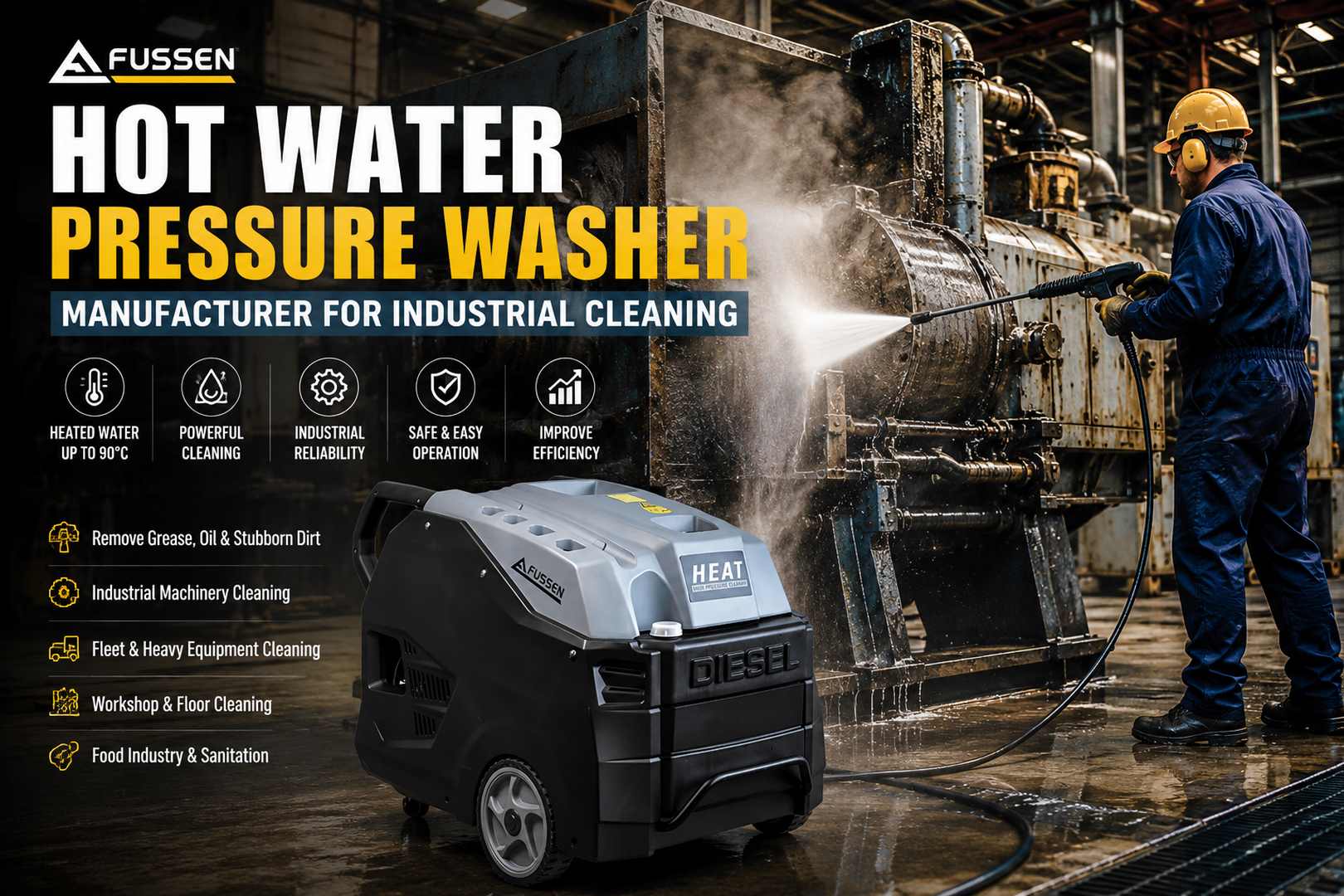
A hot water high pressure washer is a specialized cleaning device designed to combine the force of high-pressure water with elevated temperatures to effectively remove stubborn dirt, grease, and contaminants from various surfaces. Utilizing a hot water pressure washer enhances the cleaning process by allowing detergents to work more efficiently, as heat assists in breaking down oils and grime. This device is particularly beneficial for industrial cleaning methods, where traditional cold water washing may fall short. The integration of heat not only improves cleaning efficacy but also reduces the need for harsh chemicals, making it a more environmentally friendly option. Operators can adjust both pressure and temperature, enabling precise control over the cleaning process for different surface types and levels of contamination. Additionally, hot water systems achieve higher cleaning efficiency as heat accelerates the breakdown of contaminants, allowing effective cleaning at lower pressure levels.

What is steam cleaning

Steam cleaning employs a high-temperature steam vapor to effectively sanitize and clean surfaces, utilizing the power of heat combined with minimal water usage. This method operates at steam cleaning temperatures typically ranging from 212°F to 300°F, which is considerably higher than the water temperatures used in hot water pressure washing. By focusing on steam cleaning temperature vs pressure, this technique can penetrate deep into surfaces, breaking down dirt and grease without the need for harsh chemicals. Industrial degreasing equipment often incorporates steam cleaning capabilities, making it ideal for heavy-duty applications where precision and efficacy are paramount. The combination of temperature and steam pressure enhances the cleaning process, ensuring thorough sanitation and surface maintenance.

Key differences in pressure, temperature, and cleaning method

While both hot water pressure washing and steam cleaning serve the purpose of effectively removing dirt and contaminants, they differ considerably in key aspects such as pressure, temperature, and cleaning methodology. A high pressure hot water cleaning system typically operates at pressures ranging from 1,500 to 4,000 PSI, leveraging heated water (up to 200°F) to enhance cleaning efficiency. In contrast, steam cleaning utilizes lower pressure (around 100-150 PSI) but operates at much higher temperatures, often exceeding 250°F, to produce steam that penetrates and dissolves grease and grime. The cleaning method also varies; hot water pressure washing involves direct water application, while steam cleaning employs vaporized water, allowing for gentler yet effective cleaning, particularly on delicate surfaces. Therefore, understanding hot water vs steam cleaning is essential for selecting the appropriate technique. Additionally, hot water pressure washers are particularly effective for removing grease and oil, making them ideal for industrial cleaning applications.

How Hot Water Pressure Washers Work in Industrial Cleaning

Hot water pressure washers utilize high-pressure water jets to effectively break down grease and contaminants on industrial surfaces. These machines are equipped with sophisticated heating systems, such as diesel boilers or electric heaters, which elevate water temperatures typically ranging from 150°F to 200°F. The combination of high pressure and elevated temperature enhances cleaning performance, allowing for the efficient removal of stubborn residues in various industrial applications. Additionally, the FHE-P Series features a 고압 플런저 펌프 that ensures stable pressure and flow for optimal cleaning results.

Hot Water Pressure Washers Work in Industrial Cleaning

Role of high pressure in breaking grease and contaminants

High pressure plays an essential role in the effectiveness of hot water pressure washers, particularly in industrial cleaning applications. The high-pressure output generated by an industrial hot water pressure washer allows for targeted delivery of water at velocities that dislodge stubborn grease and contaminants. This mechanism is crucial when using a grease removal pressure washer, as the force effectively penetrates and emulsifies thick layers of oil and grime. The combination of high pressure and hot water enhances the cleaning action, enabling operators to achieve superior results in less time. By maximizing the impact of the water jet, such washers minimize the need for harsh chemicals, ensuring not only efficient cleaning but also environmental consideration in industrial settings. Additionally, the operational advantages of electric hot water pressure washers contribute to improved workplace safety and comfort.

Heating systems (diesel boiler, electric heating)

When considering the operation of hot water pressure washers in industrial cleaning, the choice of heating system greatly influences performance and efficiency. Diesel boilers are commonly employed due to their high heating capacity, suitable for extended operation without interruption. They provide rapid temperature increases, reaching peak pressure washer temperature ranges, which enhance cleaning efficacy against stubborn contaminants. Conversely, electric heating systems offer a more controlled heating environment, ideal for smaller operations where mobility and energy efficiency are prioritized. While steam cleaning vs pressure washing debates focus on cleaning methodology, the heating system remains a critical factor in achieving desired results. Understanding these systems allows operators to select the most effective solution tailored to their specific industrial cleaning needs. Additionally, high-pressure washers, like those in the FCD 시리즈, are designed to deliver optimal performance under demanding conditions, making them a strong choice for tough cleaning tasks.

Typical temperature range and cleaning performance

While many factors contribute to the effectiveness of hot water pressure washers in industrial cleaning, the typical temperature range plays an essential role in determining cleaning performance. Typically, hot water pressure washers operate within a temperature range of 150°F to 190°F (65°C to 88°C). This elevated temperature effectively dissolves grease, oils, and heavy soil, enhancing the interaction between the cleaning solution and the surface being treated. The heat also reduces cleaning time considerably, as contaminants are more readily emulsified and lifted away. In contrast, lower temperatures may not achieve similar results, requiring more time and effort. As a result, understanding and utilizing the appropriate temperature settings is vital for optimizing cleaning efficacy in various industrial applications. Additionally, the energy-saving feature of pressure washers helps to further enhance efficiency by automatically stopping the motor when the gun is released.

How Steam Cleaning Systems Work

Steam cleaning systems operate by generating low moisture steam at high temperatures, which effectively penetrates and lifts grease, dirt, and bacteria from surfaces. The high thermal energy of the steam facilitates the breakdown of contaminants, making it an efficient cleaning method for various applications. However, steam cleaning has limitations in heavy industrial settings where the intensity of grime may require more robust cleaning solutions.

Steam Cleaning

Low moisture, high temperature cleaning process

Utilizing a low moisture, high temperature cleaning process, steam cleaning systems deliver effective sanitation by generating steam at temperatures typically exceeding 200°F (93°C). This process relies on the conversion of water into steam under high pressure, facilitating the rapid transfer of heat to surfaces without excessive moisture. The low moisture content minimizes drying time and reduces the risk of water damage. The steam penetrates porous materials and tight crevices, enhancing its ability to clean effectively while maintaining control over the application. The high temperature also aids in dislodging dirt and contaminants, ensuring a thorough clean. Consequently, steam cleaning systems provide a powerful, efficient, and environmentally friendly alternative to traditional cleaning methods, appealing to users requiring precise control over sanitation processes. Moreover, 고압 systems can achieve significant cleaning efficiency when tackling tough industrial residues.

How steam lifts grease and bacteria

The mechanism by which steam cleaning systems effectively lift grease and eliminate bacteria hinges on the unique properties of steam at high temperatures. Steam, generated at temperatures exceeding 200°F, possesses the ability to penetrate surfaces, disrupting the bonds that hold grease and grime in place. This thermal action causes the fats to emulsify, allowing them to be easily wiped away. Additionally, the high temperature of steam inactivates many forms of bacteria and pathogens by denaturing their proteins, effectively sanitizing the surface. The combination of heat and pressure enhances the cleaning efficacy, ensuring that contaminants are not merely displaced but removed. Consequently, steam cleaning systems provide a powerful, efficient solution for maintaining hygiene in various environments.

Limitations of steam for heavy industrial cleaning

While steam cleaning systems are effective in lifting grease and sanitizing surfaces, their application in heavy industrial cleaning reveals certain limitations. The high temperatures required for steam generation may not penetrate deeply into thick layers of industrial grime or contaminants, rendering them less effective for substantial cleaning tasks. Additionally, steam cleaning systems generally require longer operational times to achieve the best results compared to high-pressure methods.

  • Limited effectiveness on heavily encrusted surfaces
  • Extended cleaning duration needed for thorough results
  • Inability to manage large volumes of accumulated debris

These factors necessitate careful consideration when selecting cleaning methods in industrial environments, as control over cleaning efficiency and time is paramount for operational effectiveness. Furthermore, understanding how 고압 세척기 function can help in choosing the most suitable cleaning approach for industrial applications.

Which Is Better for Grease and Oil Removal

In the context of grease and oil removal, hot water pressure washers generally outperform steam cleaning systems due to their higher temperatures and pressures that effectively emulsify heavy contaminants. However, steam cleaning may be sufficient in less demanding environments, such as food processing areas where sanitation is key but heavy grease is not prevalent. Analyzing real-world industrial scenarios reveals distinct applications for both methods, with hot water pressure washers favored in settings like factory floors and machinery maintenance. Additionally, the FKE 시리즈 of pressure washers is designed for high-performance cleaning, making them ideal for tackling tough grease and oil in industrial applications.

Why hot water pressure washers dominate heavy grease cleaning

When tackling heavy grease and oil removal, hot water pressure washers demonstrate superior effectiveness compared to their cold water counterparts. The elevated temperatures facilitate the breakdown of stubborn contaminants, allowing for efficient cleaning. The combination of heat and pressure enhances the emulsification of grease, ensuring a thorough clean.

  • 향상된 세척력: Hot water penetrates and loosens grease molecules more effectively than cold water.
  • 청소 시간 단축: The immediate impact of hot water minimizes the need for prolonged scrubbing or additional chemicals.
  • Versatility in Applications: Ideal for a variety of surfaces, from industrial equipment to kitchen exhaust systems, maximizing operational efficiency. Additionally, hot water pressure washers are suitable for heavy corrosion removal tasks, showcasing their utility beyond just grease and oil cleaning.

When steam cleaning is sufficient

Hot water pressure washers are highly effective for heavy grease and oil removal, yet steam cleaning presents an alternative that can be advantageous in specific scenarios. Steam cleaning is particularly sufficient in contexts where delicate surfaces or sensitive materials are involved, as it utilizes lower pressure while maintaining high temperatures. This method effectively loosens grease and oil without the risk of damaging the underlying structure. Additionally, steam cleaning is ideal for areas requiring sanitization, as the high temperatures eliminate harmful bacteria and pathogens. It excels in confined spaces or intricate machinery where access is limited, enabling thorough cleaning without the need for harsh chemicals. Consequently, steam cleaning serves as a viable option for targeted grease and oil removal in specialized applications. Furthermore, specific applications in the marine industry benefit from steam cleaning techniques, ensuring effective maintenance without compromising equipment integrity.

Real-world industrial scenarios (factory floors, machinery, food plants)

Numerous industrial scenarios, such as factory floors, machinery maintenance, and food processing plants, require efficient methods for grease and oil removal to maintain safety and operational effectiveness. In these environments, the choice between high-pressure hot water and steam cleaning can greatly impact performance.

  • High-pressure hot water excels in breaking down heavy grease, especially on surfaces with stubborn residues. The FHE-S Series, with its heavy-duty industrial build, is specifically designed to handle demanding cleaning tasks in such settings.
  • Steam cleaning is advantageous for sensitive areas, ensuring thorough sanitation without damaging equipment.
  • Combination approaches can be employed for extensive cleaning, leveraging both techniques for ideal results.

Ultimately, the decision hinges on specific needs, including surface type, the extent of contamination, and desired sanitation levels, ensuring operational integrity in industrial applications.

When to Use a Hot Water Pressure Washer

Hot water pressure washers are particularly effective for industrial applications requiring the removal of heavy grease and oil, making them ideal for cleaning heavy machinery and equipment. Their efficacy extends to large surface areas, such as floors, tanks, and vehicles, where persistent contaminants necessitate a higher temperature for best cleaning. Additionally, in continuous cleaning operations, the use of hot water enhances productivity and guarantees thorough sanitation. This is especially true when utilizing a 고압 펌프 that ensures consistent output for optimal cleaning results.

Industrial grease and oil cleaning

When dealing with industrial grease and oil cleaning, the effectiveness of a hot water pressure washer becomes evident, particularly in environments where heavy contaminants are prevalent. The high temperature of the water aids in emulsifying and dissolving stubborn grease, making it easier to remove. This method is particularly beneficial in applications involving machinery, equipment, and workshop floors where oil accumulation can pose safety hazards.

  • Enhances cleaning efficiency by breaking down tough residues swiftly
  • Reduces the need for harsh chemicals by utilizing heat
  • Promotes better sanitation in food processing and automotive industries
  • 그만큼 고압 플런저 펌프 ensures stable operation, optimizing the cleaning process.

Heavy machinery and equipment washing

Cleaning heavy machinery and equipment requires a methodical approach to guarantee effective removal of dirt, grime, and residues that can impact operational efficiency. Utilizing a hot water pressure washer is vital in these scenarios, as heated water enhances the emulsification of grease and oils, ensuring thorough cleaning. The ideal temperature range for hot water is typically between 150°F and 200°F, which effectively dislodges stubborn contaminants without damaging sensitive components. Additionally, hot water pressure washers can reduce the need for harsh chemicals, promoting a safer working environment. Operators should focus on maintaining appropriate pressure settings to prevent equipment damage while ensuring effective cleaning. Regular maintenance of heavy machinery is essential to extend lifespan and enhance performance, making hot water pressure washing an invaluable tool. Moreover, using a high-pressure washer like the FWE Series ensures consistent performance and durability in demanding cleaning tasks.

Large surface cleaning (floors, tanks, vehicles)

In the context of large surface cleaning, such as floors, tanks, and vehicles, the application of a hot water pressure washer becomes particularly advantageous. The heated water effectively emulsifies grease and grime, ensuring thorough cleaning without damaging surfaces. This method is ideal for maintaining hygiene in commercial spaces and ensuring operational efficiency in industrial settings.

  • Enhanced cleaning power: Hot water penetrates and dissolves stubborn dirt and oil more effectively than cold water.
  • Time efficiency: The combination of heat and pressure reduces cleaning time considerably, leading to increased productivity.
  • 다재: Suitable for various surfaces, including concrete, metal, and painted finishes, ensuring broad applicability across different cleaning tasks.

This technology is essential for superior cleanliness in large-scale operations, as 정기 청소 can prevent unplanned outages and extend service life.

Continuous cleaning operations

Although various cleaning methods exist, the hot water pressure washer emerges as the preferred choice for continuous cleaning operations due to its efficiency and effectiveness. This equipment excels in environments requiring consistent maintenance, such as industrial facilities, commercial kitchens, and vehicle fleets. The elevated temperatures of hot water enhance the solubility of grease and oils, facilitating quicker and more thorough removal of contaminants. Additionally, continuous use of hot water pressure washers minimizes downtime, ensuring that surfaces remain clean and safe for operational activities. Regular application of this method also aids in prolonging the lifespan of equipment and infrastructure. Consequently, organizations seeking a reliable solution for ongoing cleaning tasks will find hot water pressure washers indispensable in maintaining cleanliness standards. Furthermore, the high-flow capabilities of high-volume cleaning power can significantly improve cleaning efficiency in demanding environments.

When Steam Cleaning Is the Better Choice

Steam cleaning is particularly advantageous in scenarios requiring stringent sanitization and effective bacteria control due to its high temperature and moisture management capabilities. Additionally, it is ideal for sensitive equipment and low-water environments where traditional methods may cause damage or excessive moisture. Furthermore, steam cleaning excels in detail-oriented tasks within confined spaces, ensuring thorough cleaning without the risk of oversaturation.

Sanitization and bacteria control

When considering effective methods for sanitization and bacteria control, steam cleaning emerges as a superior choice due to its ability to reach high temperatures that kill a wide range of pathogens. This method utilizes pressurized steam, which penetrates surfaces more deeply than hot water, ensuring thorough disinfection.

Key advantages of steam cleaning include:

  • Temperature Efficiency: Capable of reaching temperatures of 250°F (121°C) or higher, effectively neutralizing bacteria, viruses, and mold.
  • Chemical-Free Cleaning: Reduces the need for harmful chemicals, making it safer for both users and the environment.
  • Versatile Application: Suitable for various surfaces, including tiles, upholstery, and kitchen equipment, enhancing overall sanitation.

Sensitive equipment or low-water environments

In environments where sensitive equipment is present or water usage must be minimized, steam cleaning offers a strategic advantage. This method utilizes high-temperature steam to effectively remove contaminants without the excessive moisture that can damage delicate machinery. Steam cleaning operates at lower water volumes, making it ideal for situations where water accumulation poses a risk to electronic components or intricate mechanical systems. Additionally, the rapid evaporation of steam reduces downtime, allowing for quicker return to operation. The targeted application of steam can penetrate crevices and intricate designs, ensuring thorough cleaning while minimizing the risk of water-related issues. Consequently, steam cleaning emerges as the preferred choice for maintaining cleanliness in sensitive and low-water environments, balancing efficacy with caution.

Detail cleaning and confined spaces

How can cleaning professionals effectively tackle intricate spaces with limited accessibility? Steam cleaning emerges as the superior choice in these scenarios due to its ability to penetrate narrow gaps and corners without the need for excessive water pressure. The steam’s high temperature and low volume allow for the effective removal of grime and contaminants in confined areas, where traditional methods may struggle.

  • Effective sanitization: Steam kills bacteria and viruses, ensuring a hygienic environment.
  • Minimal residue: The low water usage reduces drying time and prevents water damage.
  • Versatile applications: Ideal for various surfaces, including upholstery, machinery, and hard-to-reach spots.

Utilizing steam cleaning enables professionals to maintain cleanliness and safety in challenging environments.

Cost, Efficiency, and Operational Differences

The operational differences between hot water pressure washers and steam cleaning systems considerably impact cost and efficiency. Key factors include cleaning speed and labor efficiency, variations in water and energy consumption, maintenance requirements, and overall system complexity. An extensive analysis of these elements reveals the total cost of ownership for each method, guiding users in selecting the most suitable cleaning solution for their needs.

청소 속도 및 노동 효율성

While both high-pressure washers using hot water and steam cleaning offer effective solutions for various cleaning tasks, their cleaning speed and labour efficiency can differ considerably based on specific operational parameters. High-pressure washers tend to remove dirt and grime more rapidly due to their powerful jets, allowing for swift coverage of larger surfaces. Conversely, steam cleaning may require more time to penetrate deeply into surfaces, making it less efficient for extensive areas.

  • Hot water systems often reduce cleaning time due to higher temperature capabilities.
  • Steam cleaning’s effectiveness relies on dwell time, which can extend cleaning durations.
  • Labour efficiency can vary, with high-pressure washers necessitating fewer passes for superior results compared to steam cleaners. Furthermore, the 고압 성능 of the FED Series diesel high-pressure washer enhance its cleaning performance in industrial applications.

Water and energy consumption

Water and energy consumption plays an essential role in evaluating the cost and efficiency of high-pressure washers using hot water versus steam cleaning systems. Hot water systems typically utilize less energy per gallon than steam cleaners, providing a cost-effective option for continuous use. Conversely, steam cleaning, while efficient at breaking down stubborn grime, consumes more water and energy due to its higher operational temperatures. Understanding the 청소 성능 지표 can further assist users in determining the most suitable option for their specific cleaning needs.

System TypeWater Consumption (GPH)Energy Consumption (kWh)
Hot Water Washer2-41.5-2.5
Steam Cleaner1-33-5

Maintenance and system complexity

When evaluating maintenance and system complexity, it is essential to take into account the inherent differences between hot water washers and steam cleaning systems. Hot water washers generally feature simpler designs, requiring less frequent maintenance. In contrast, steam cleaning systems incorporate more intricate components, leading to increased operational demands.

  • Hot water washers typically have fewer parts, simplifying repair and upkeep.
  • Steam cleaning systems require regular descaling and inspection of boilers, adding to maintenance complexity.
  • The efficiency of hot water washers allows for quicker cleaning cycles, minimizing downtime compared to steam systems. Additionally, proper hose selection based on working pressure can significantly impact the longevity and reliability of both systems.

Understanding these differences can aid users in selecting the most suitable option for their specific operational needs while maintaining control over maintenance requirements.

Total cost of ownership

The total cost of ownership (TCO) for high-pressure washers, whether hot water or steam cleaning systems, encompasses not only the initial purchase price but also ongoing operational expenses and efficiency metrics. Hot water systems typically have lower initial costs and require less energy due to their efficient heating mechanisms, resulting in reduced utility bills. Conversely, steam cleaning systems, while more expensive upfront, often yield higher cleaning efficiency and reduced labor costs due to their superior cleaning capabilities. Maintenance costs also differ; steam systems may incur higher servicing expenses over time. Ultimately, the TCO analysis should include these factors, allowing users to assess long-term value and operational effectiveness, thereby enabling informed decision-making tailored to specific cleaning requirements. Furthermore, Fussen Pump’s high-pressure systems are designed with premium materials to enhance their overall efficiency and durability, which can positively impact TCO.

Common Mistakes When Choosing Between Hot Water and Steam Cleaning

When selecting between hot water and steam cleaning, common errors can greatly impact effectiveness and efficiency. Many individuals mistakenly assume that higher temperatures guarantee superior cleaning results, while others overlook the vital role of pressure and flow rate in the cleaning process. Additionally, opting for steam cleaning in heavy industrial applications without considering the specific cleaning requirements can lead to suboptimal outcomes. Understanding the significance of pump technology can greatly improve the selection process for pressure washers.

Assuming higher temperature always means better cleaning

Assuming that higher temperatures inherently lead to superior cleaning results is a common misconception in the domain of pressure washing and steam cleaning. While elevated temperatures can enhance the efficacy of certain detergents and eliminate stubborn grime, they do not universally guarantee ideal outcomes. Factors such as surface material compatibility, soil type, and cleaning technique play vital roles in determining effectiveness.

  • High temperatures may damage sensitive surfaces, such as paint or plastic.
  • Excessive heat can lead to faster evaporation, reducing dwell time for cleaning agents.
  • In some cases, steam cleaning may prove more effective at lower temperatures due to its ability to penetrate and loosen grime. Furthermore, pressure choice should be based on application requirements, as it significantly impacts cleaning performance.

Understanding these nuances is essential for making informed decisions regarding cleaning methods.

Ignoring pressure and flow rate

While many focus on temperature as a primary factor in cleaning efficacy, neglecting the importance of pressure and flow rate can lead to less than ideal results in both hot water and steam cleaning applications. Pressure, measured in PSI (pounds per square inch), directly impacts the abrasive force exerted on surfaces, vital for removing stubborn contaminants. Conversely, flow rate, measured in GPM (gallons per minute), determines the volume of water delivered, affecting coverage and rinse efficiency. A high-pressure system without adequate flow may not effectively dissolve dirt, while a high flow rate at low pressure may leave residues. Balancing these parameters guarantees excellent cleaning performance, enhancing efficiency and achieving desired outcomes based on specific cleaning needs and surface types. Additionally, understanding 청소 효율 is essential for selecting the right equipment and achieving optimal results.

Choosing steam for heavy industrial grease

Selecting steam cleaning for heavy industrial grease removal often leads to common misconceptions that can hinder effective cleaning. While steam is effective for penetrating and emulsifying heavy grease, improper application can result in inadequate results. Users may underestimate the significance of pressure settings and steam temperature, which must be calibrated for peak performance.

  • Not all steam cleaners reach the necessary temperature to dissolve industrial grease effectively.
  • Users may incorrectly believe that steam alone suffices without adequate pre-treatment or agitation.
  • Evaluating surface compatibility is crucial, as steam may not be suitable for all materials.
  • 또한, 이해하는 것은 압력 및 유량 is essential for optimizing cleaning effectiveness and preventing surface damage.

Understanding these factors guarantees that steam cleaning is employed effectively, maximizing efficiency and achieving superior grease removal in industrial environments.

Not matching cleaning method to application

Misapplying cleaning methods can lead to inefficiencies and subpar results, particularly when choosing between hot water and steam cleaning. Selecting the incorrect method can result in inadequate cleaning, potential equipment damage, or increased operational costs. Understanding the specific applications for each method is vital for peak performance. Additionally, utilizing advanced high-pressure technology can significantly enhance cleaning efficiency and effectiveness.

Application TypeHot Water CleaningSteam Cleaning
Heavy Grease RemovalEffective, reduces grease residueLess effective, may require additional chemicals
Surface SanitizationGood for non-porous surfacesExcellent for sensitive materials
Stain RemovalEffective for tough stainsIdeal for delicate fabrics
시간 효율성Faster cleaning, higher flow ratesSlower, requires dwell time

Making informed choices guarantees effective cleaning and maximizes the lifespan of equipment.

How to Choose the Right System for Your Application

Selecting the appropriate cleaning system necessitates a careful evaluation of specific application requirements, including the distinctions between food processing and heavy industry needs. Factors such as indoor versus outdoor cleaning conditions, frequency of use, and overall workload must also be considered to guarantee peak efficiency and effectiveness. Additionally, safety and compliance with industry regulations play a vital role in determining the best choice for each unique scenario. Understanding the differences between hot water and cold water pressure washers is crucial in making an informed decision.

Food processing vs heavy industry requirements

When determining the appropriate cleaning system for specific applications in food processing and heavy industry, several vital factors must be considered. The requirements vary markedly due to the distinct nature of operations, cleanliness standards, and types of contaminants involved.

  • Regulatory Compliance: Food processing demands stringent adherence to health regulations, necessitating systems capable of thorough sanitation.
  • 오염물질 유형: Heavy industry often deals with grease, oil, and heavy debris, requiring robust systems that can generate higher pressure and temperature.
  • Operational Downtime: In food processing, minimizing downtime is essential; therefore, efficient systems that can operate continuously without compromising hygiene are imperative. Moreover, 높은 유량 in cleaning systems are essential for effectively removing stubborn contaminants.

Selecting the right cleaning system entails evaluating these factors to guarantee peak performance and compliance with industry standards.

실내 청소 조건 vs 실외 청소 조건

Understanding the differences between indoor and outdoor cleaning conditions is essential for selecting the appropriate cleaning system for diverse applications. Indoor environments typically necessitate lower temperature settings and less aggressive cleaning solutions to mitigate risks associated with ventilation and surface damage. In contrast, outdoor settings often accommodate higher temperatures and more potent cleaning agents, effectively addressing tougher contaminants like grease, grime, and mold. The choice between hot water and steam cleaning also hinges on factors such as surface material, desired sanitation level, and environmental concerns. Indoor applications might favor steam cleaning for its reduced water usage and chemical reliance, while outdoor conditions can benefit from the robust efficacy of hot water systems. Ultimately, understanding these nuances guarantees peak cleaning performance and safety.

Cleaning frequency and workload

How often cleaning tasks are performed and the volume of dirt and contaminants encountered greatly influence the choice between hot water and steam cleaning systems. Regular cleaning schedules with light to moderate dirt accumulation may benefit from hot water systems, as they effectively remove grime while conserving water and energy. Conversely, steam cleaning is ideal for heavy-duty applications where grease and stubborn contaminants are prevalent, as it utilizes high temperatures to penetrate and dissolve tough residues. Furthermore, 고압 플런저 펌프 found in systems like the FME Series ensure stable, long-term performance, making them a reliable option for both cleaning methods.

  • Hot water systems are efficient for routine maintenance.
  • Steam cleaning excels in tackling industrial-grade dirt and grease.
  • Assessment of frequency guarantees peak equipment performance and longevity.

Understanding these factors allows operators to select the most suitable system for their specific cleaning requirements.

Safety and compliance considerations

Selecting the appropriate cleaning system involves evaluating safety and compliance alongside operational needs. Organizations must consider regulations governing chemical usage, emissions, and noise levels, which vary by industry and location. High pressure washers, whether utilizing hot water or steam, must comply with safety standards such as OSHA and ANSI. Additionally, operators should assess the risks associated with high-pressure systems, including potential hazards from pressurized water and chemical exposure. Proper training and personal protective equipment (PPE) are essential to mitigate these risks. Moreover, certifications on equipment efficiency and environmental impact should be scrutinized to guarantee they meet the required compliance benchmarks. A thorough risk assessment will guide the selection of the most suitable cleaning technology for specific applications while guaranteeing safety and compliance. Furthermore, using 인증된 방폭 장비 is critical in hazardous environments to prevent ignition sources during cleaning operations.

자주 묻는 질문

Can I Use Detergent With Hot Water Pressure Washers?

Yes, detergent can be used with hot water pressure washers. This combination enhances cleaning efficiency by allowing the detergent to penetrate and emulsify dirt and grime, optimizing the overall effectiveness of the cleaning process.

How Long Does It Take for Steam Cleaning to Dry?

Steam cleaning typically dries within 30 minutes to two hours, depending on factors like humidity and airflow. Isn’t it remarkable how efficient steam can be, transforming surfaces while minimizing drying time and maximizing cleanliness?

Are Hot Water Pressure Washers Safe for All Surfaces?

Hot water pressure washers are generally safe for most surfaces, including concrete and brick. However, caution is advised on delicate materials like wood or painted surfaces, as high temperatures and pressures can cause damage or deterioration.

What Maintenance Is Required for Steam Cleaning Systems?

Like a finely tuned engine, steam cleaning systems require regular maintenance, including descaling, checking seals, and inspecting hoses. Such diligence guarantees peak performance, prolongs lifespan, and prevents costly repairs, empowering users to achieve consistent, effective cleaning results.

Can I Rent Hot Water Pressure Washers or Steam Cleaners?

Yes, both hot water pressure washers and steam cleaners are commonly available for rent at various equipment rental stores. Users should verify specifications, availability, and rental terms to guarantee suitability for their intended cleaning tasks.

결론

In the domain of cleaning, where grime meets technology, choosing between hot water pressure washing and steam cleaning is akin to selecting the right tool for a craftsman. Each method, with its unique strengths, serves specific purposes in the fight against stubborn dirt and grease. By understanding their nuances, one can deftly navigate the landscape of industrial cleaning, ensuring ideal results and efficiency, transforming surfaces from tarnished to pristine with the right application at hand.

Talk to Fussen About Your Cleaning Requirements

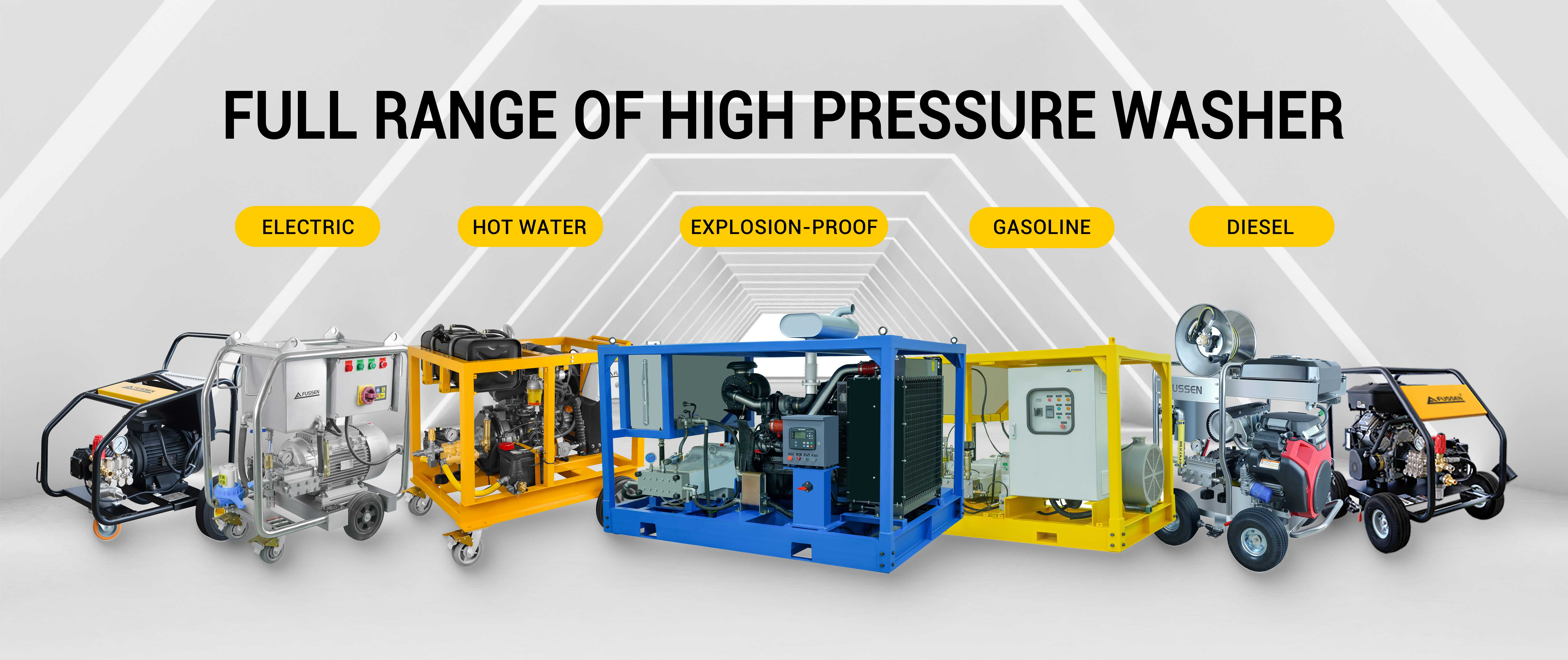
FUSSEN FULL RANGE OF HIGH PRESSURE WASHER

If you’re selecting a hot water high pressure washer for industrial use, 퓌센 can help you match the right pressure, flow, and system configuration to your application.
Get expert guidance and a solution built for long-term performance.

공유하기

답글 남기기

이메일 주소는 공개되지 않습니다. 필수 필드는 *로 표시됩니다

뉴스레터를 구독하세요

    언어

    en_uses정말로ptar

    언어