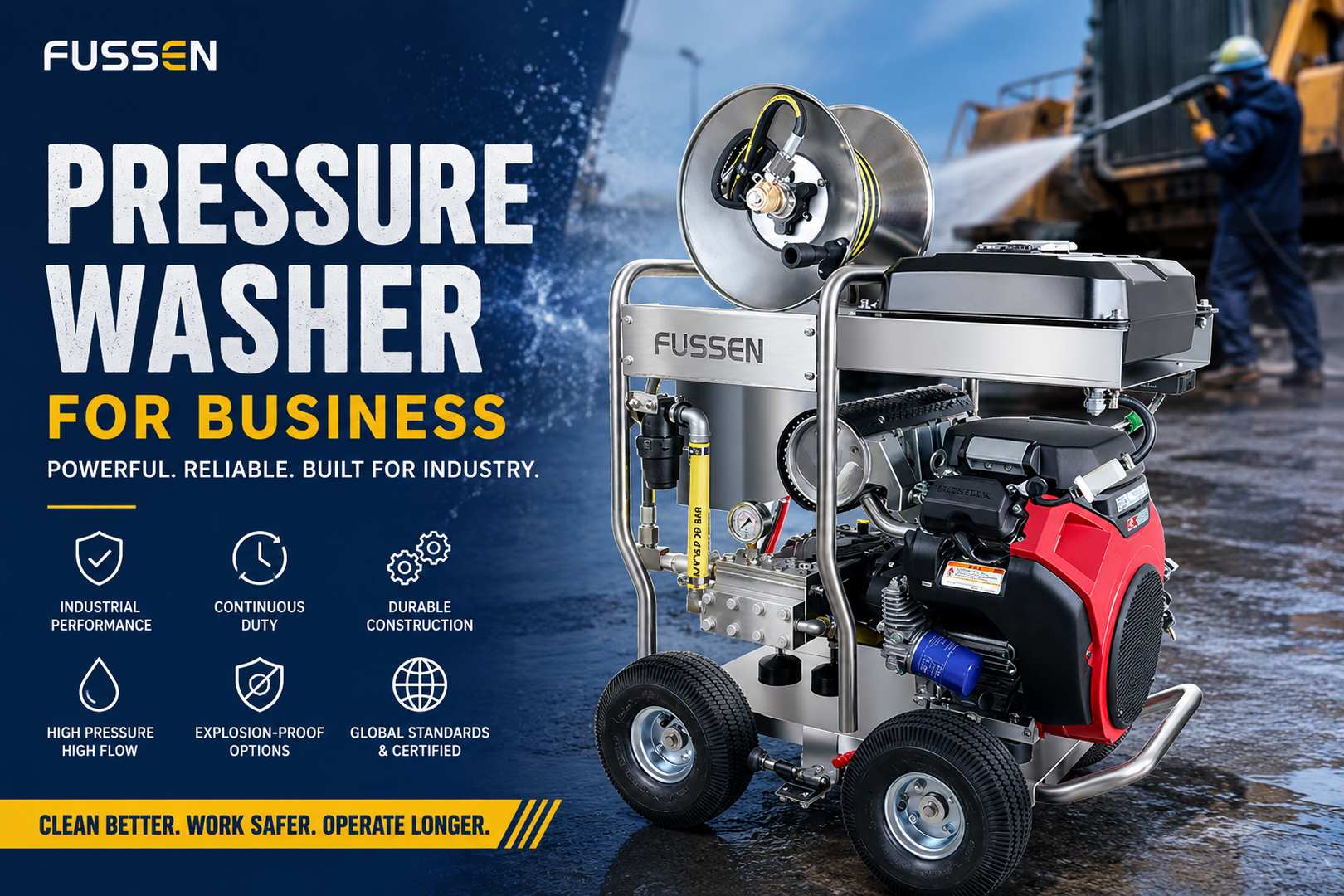
بالنسبة للشركات، لا تُعدّ غسالة الضغط مجرد أداة تنظيف، بل هي أصل تشغيلي أساسي. ففي البيئات الصناعية، يرتبط التنظيف ارتباطًا وثيقًا بوقت تشغيل المعدات، وسلامة مكان العمل، وجودة المنتج، وتكاليف الصيانة. سواءً كنت تزيل الشحوم من آلات الإنتاج، أو تنظف معدات البناء، أو تغسل حظائر الماشية، أو تزيل الصدأ من الأسطح الفولاذية، فإن استخدام الآلة غير المناسبة سيؤدي إلى إبطاء العمل، وزيادة وقت التوقف، ورفع تكاليف التشغيل على المدى الطويل.
لهذا السبب، لا ينبغي للشركات تقييم غسالات الضغط بنفس طريقة تقييم أصحاب المنازل أو ورش العمل الصغيرة. فغسالات الضغط المنزلية مصممة لمهام قصيرة وخفيفة، مثل غسل السيارات أو الأفنية أو الأسطح الخارجية الصغيرة. أما غسالات الضغط الصناعية، على النقيض، فهي مصممة للتشغيل المستمر، وضغط تشغيل أعلى، ومعدلات تدفق أكبر، وفي بيئات أقسى بكثير. وهي مصممة لتنظيف الآلات الثقيلة، ومعدات الإنتاج، والسفن، والطرق، وأرضيات المصانع، والأسطح الصناعية حيث تشكل الأوساخ والزيوت والترسبات والطلاء والرواسب والمخلفات الكيميائية جزءًا من العمليات اليومية.
لا يقتصر الفرق على مجرد "قوة أكبر". تتطلب تطبيقات التنظيف الصناعية آلة مزودة بمضخة مكبس شديدة التحمل، ومحرك صناعي موثوق، وأختام متينة، وضغط ثابت، وهيكل يتحمل ساعات العمل الطويلة وظروف مواقع العمل القاسية. في العديد من بيئات العمل، يجب أن تتناسب غسالة الضغط مع بيئة التطبيق نفسها، سواء كان ذلك يعني التنظيف بالماء الساخن لإزالة الشحوم، أو التنقل باستخدام الديزل للمواقع النائية، أو تصميمات مقاومة للانفجار للمناطق البتروكيماوية الخطرة.
بالنسبة لمشتري الشركات، تكمن قيمة غسالة الضغط الصناعية في النتائج التي تحققها. فالنظام المُختار بعناية يُمكنه تقليل وقت التنظيف اليدوي، وتقصير فترات توقف الصيانة، وتحسين جودة التنظيف، وإطالة عمر المعدات باهظة الثمن. كما يُمكنه خفض تكاليف العمالة، وتقليل استخدام المواد الكيميائية، ومساعدة المنشآت على الحفاظ على عمليات أنظف وأكثر أمانًا وكفاءة. بعبارة أخرى، لا تستثمر الشركات في غسالات الضغط الصناعية لمجرد التنظيف، بل تستثمر فيها لحماية الأصول، وتحسين الإنتاجية، وضمان استمرارية العمليات.
في بيئة الأعمال بين الشركات (B2B)،, “"“غسالة ضغط للأعمال”"لا يعني ذلك نسخة أقوى من آلة تنظيف المنزل. يشير هذا المصطلح إلى نظام تنظيف صناعي يتم اختياره بناءً على مهمة تجارية، وبيئة عمل، وهدف إنتاجي. لا يشتري المشتري مجرد آلة للتنظيف فحسب، بل يستثمر في آلة يجب أن تنظف بشكل أسرع، وتعمل لفترة أطول، وتتحمل ظروفًا أقسى، وتدعم العمليات اليومية دون أن تصبح هي نفسها مصدرًا للصيانة.
عملياً، عادةً ما يتم تعريف غسالة الضغط التجارية بأربعة أشياء: التطبيق، والإخراج، والمتانة، ودورة التشغيل. يجب أن تتناسب الغسالة مع نوع التلوث المراد إزالته، والسطح المراد تنظيفه، وساعات التشغيل، والبيئة التي ستعمل فيها. قد يبحث مقاول تنظيف معدات الخرسانة، وحوض بناء السفن لإزالة الملح والتآكل، ومصنع الأغذية لغسل مناطق الإنتاج، عن "غسالة ضغط للأعمال"، لكنهم لا يحتاجون إلى نفس الآلة. ما يحتاجونه هو نظام هندسي مصمم خصيصًا ليتناسب مع حجم عملهم.
من أكثر المفاهيم الخاطئة شيوعًا في السوق الاعتقاد بأن الضغط العالي يعني دائمًا تنظيفًا أفضل. صحيح أن الضغط مهم لأنه يحدد قوة التأثير على السطح، ولكن بالنسبة لمعظم التطبيقات التجارية،, معدل التدفق لا يقل أهمية - بل غالباً ما يكون أكثر أهمية - من الضغط وحده.
يساعد الضغط على تفتيت الرابطة بين الملوثات والسطح. ويحدد معدل التدفق سرعة إزالة المواد المتفتتة ومساحة السطح التي يمكن تنظيفها في فترة زمنية محددة. بعبارة أخرى، يوفر الضغط قوة القطع، بينما يزيد التدفق من الإنتاجية.
على سبيل المثال، إذا احتاج فريق صيانة إلى غسل أرضيات مصانع كبيرة، أو تنظيف معدات زراعية، أو شطف آلات ثقيلة مغطاة بالطين والحطام، فإن آلة ذات ضغط مناسب ولكن تدفق غير كافٍ ستؤدي إلى إبطاء العمل. قد تزيل الأوساخ في النهاية، لكنها لن تفعل ذلك بكفاءة. في المقابل، يمكن لغسالة الضغط الصناعية عالية التدفق تنظيف أسطح أكبر بسرعة أكبر، وتقليل وقت المشغل، وتحسين إنتاجية التنظيف الإجمالية. لهذا السبب، لا ينبغي للمشترين الصناعيين تقييم الآلة بناءً على الضغط (PSI) أو التدفق (بالبار) فقط، بل يجب عليهم النظر إلى... الضغط والتدفق كزوج عامل.
تُعرَّف غسالة الضغط المناسبة للاستخدام التجاري أيضًا بمدى قدرتها على العمل لفترات طويلة دون انخفاض في الأداء أو تعطل في المكونات. أما الوحدات المنزلية والتجارية الخفيفة، فتُصمَّم عادةً للاستخدام المتقطع: دورات تنظيف قصيرة، وأحمال أخف، وفترات راحة طويلة بين عمليات التنظيف. بينما لا يعمل المستخدمون الصناعيون بهذه الطريقة.
في المصانع، ومواقع البناء، وصيانة السفن، وعمليات الصرف الصحي، وورش المعدات الثقيلة، قد تحتاج الآلة إلى العمل لفترات طويلة يوميًا. وهذا يُحمّل المضخة والمحرك والأختام والصمامات والهيكل ونظام التبريد ضغوطًا أكبر بكثير. لهذا السبب، تُصنع غسالات الضغط الصناعية بمضخات مكبسية شديدة التحمل، وأنظمة قيادة أكثر قوة، وهياكل أكثر متانة، ومكونات مصممة للتشغيل المستمر تحت الضغط.
هنا يكمن دور مشتري الشركات في التفكير بما يتجاوز المواصفات الظاهرية. فالآلة التي تبدو قوية على الورق، ولكنها لا تستطيع الحفاظ على إنتاجية ثابتة خلال ساعات العمل الطويلة، ستتحول سريعًا إلى مصدر للتوقف عن العمل، وتكاليف الصيانة، وفقدان إنتاجية العمالة. في الاستخدام التجاري، لا تُعدّ الموثوقية في ظل التشغيل المستمر ميزة إضافية، بل هي شرط أساسي.
بالنسبة للعديد من الشركات، تُعدّ غسالة الضغط الصناعية جزءًا من نظام الصيانة وليست أداة تنظيف مستقلة. فهي تدعم التنظيف الروتيني، والصيانة الوقائية، وأعمال الصيانة أثناء فترات التوقف، والتعقيم، وتجهيز الأسطح في جميع أنحاء المنشأة.
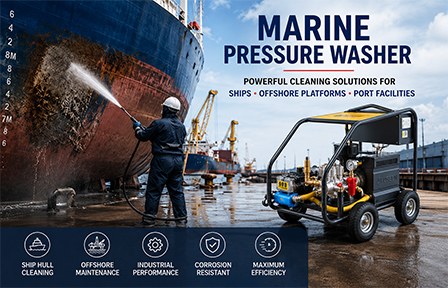
في بيئات الإنتاج، تُستخدم غسالات الضغط لإزالة الزيوت والغبار والرواسب ومخلفات المواد الكيميائية وبقايا الطعام والترسبات الكلسية وجزيئات المعادن من الآلات ومناطق العمل. وفي الصناعات الثقيلة، تُستخدم لتنظيف مركبات البناء ومعدات العمليات والخزانات والناقلات والأرضيات والأسطح الإنشائية. أما في القطاعات البحرية والبلدية، فتُستخدم لتنظيف السفن وغسل الطرق وصيانة الأساطيل وتنظيف البنية التحتية العامة.
تكمن القيمة التجارية في ما يتيحه التنظيف. فغسالة الضغط الصناعية المختارة بعناية تُساعد على تقليل وقت توقف الصيانة، والحفاظ على كفاءة تشغيل المعدات، وتحسين معايير النظافة، وإطالة عمر الأصول، وتقليل أعمال التنظيف اليدوية. ولهذا السبب، لا تشتري الشركات هذه الآلات بناءً على ميزات تُشبه تلك الموجودة في المنتجات الاستهلاكية، بل تشتريها كـ معدات تشغيلية مصممة لحماية وقت التشغيل، وتحسين الكفاءة، ودعم التنظيف الصناعي على نطاق واسع.
تحتاج الشركات المختلفة إلى تكوينات مختلفة لغسالات الضغط. يعتمد الاختيار الصحيح على مكان استخدام الجهاز، ونوع الملوثات المراد إزالتها، ومدة تشغيل الوحدة، وما إذا كان الموقع يتطلب متطلبات سلامة خاصة.

تُعدّ غسالات الضغط العالي الكهربائية خيارًا مثاليًا للمصانع، وورش العمل، والمستودعات، ووحدات الإنتاج، وغيرها من أماكن التنظيف الداخلية أو الثابتة. فهي توفر ضغطًا ثابتًا، وضوضاء أقل، وتشغيلًا أنظف لعدم انبعاثها عادمًا من المحرك.
بالنسبة للشركات التي تتمتع بإمدادات كهربائية موثوقة، غالباً ما تكون النماذج الكهربائية أسهل صيانةً من الوحدات التي تعمل بالوقود. وهي مناسبة لتنظيف المعدات اليومي، وغسل الأرضيات، وصيانة مناطق الإنتاج، ومهام التنظيف الصناعية العامة.
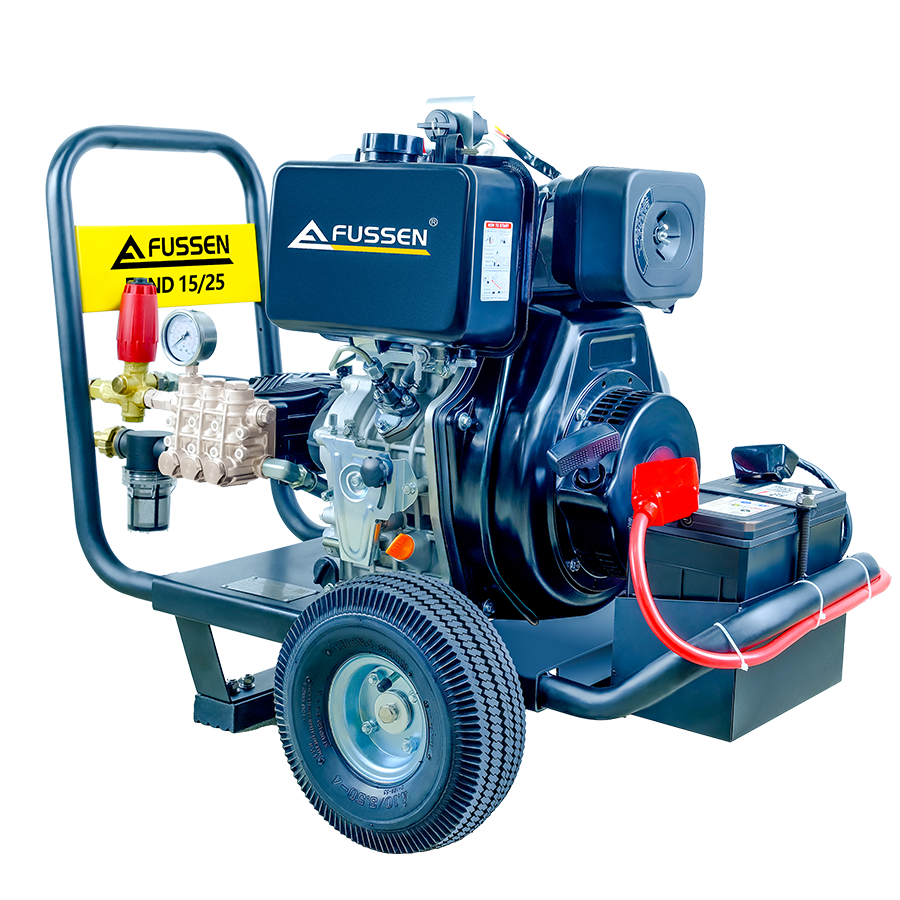
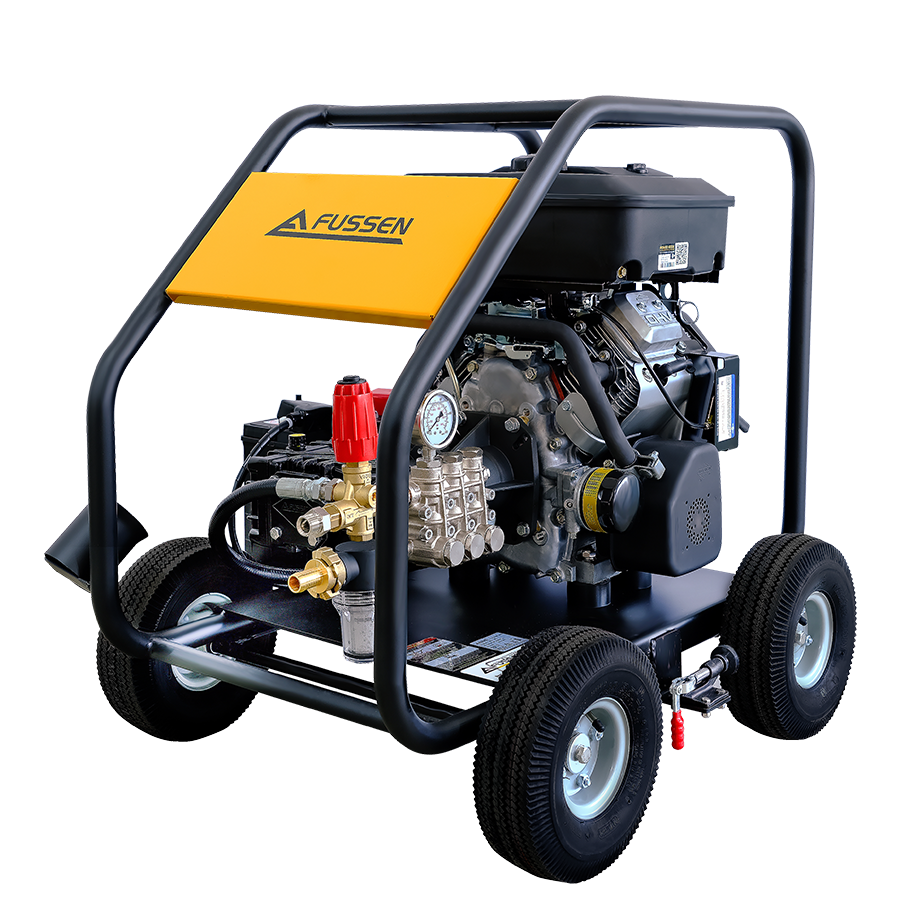
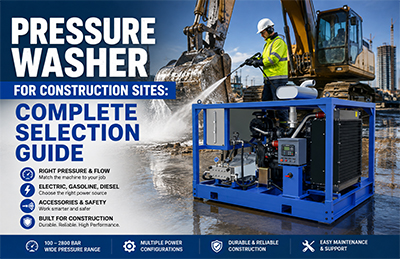
صُممت غسالات الضغط التي تعمل بالديزل والبنزين لأعمال التنظيف الخارجية والمتنقلة. وهي شائعة الاستخدام في مواقع البناء والمزارع وأحواض بناء السفن والمشاريع البلدية وساحات الآلات الثقيلة ومواقع العمل النائية حيث تكون الطاقة الكهربائية محدودة أو غير متوفرة.
تتمثل ميزتها الأكبر في سهولة التنقل. إذ يمكن للمشغلين نقل الآلة بين مناطق العمل دون الاعتماد على مصدر طاقة ثابت. بالنسبة للشركات التي تنظف المعدات الكبيرة والمركبات والطرق والمرافق الخارجية أو مواقع العمل المتعددة، توفر غسالات الضغط التي تعمل بالوقود المرونة اللازمة للعمليات الميدانية الشاقة.
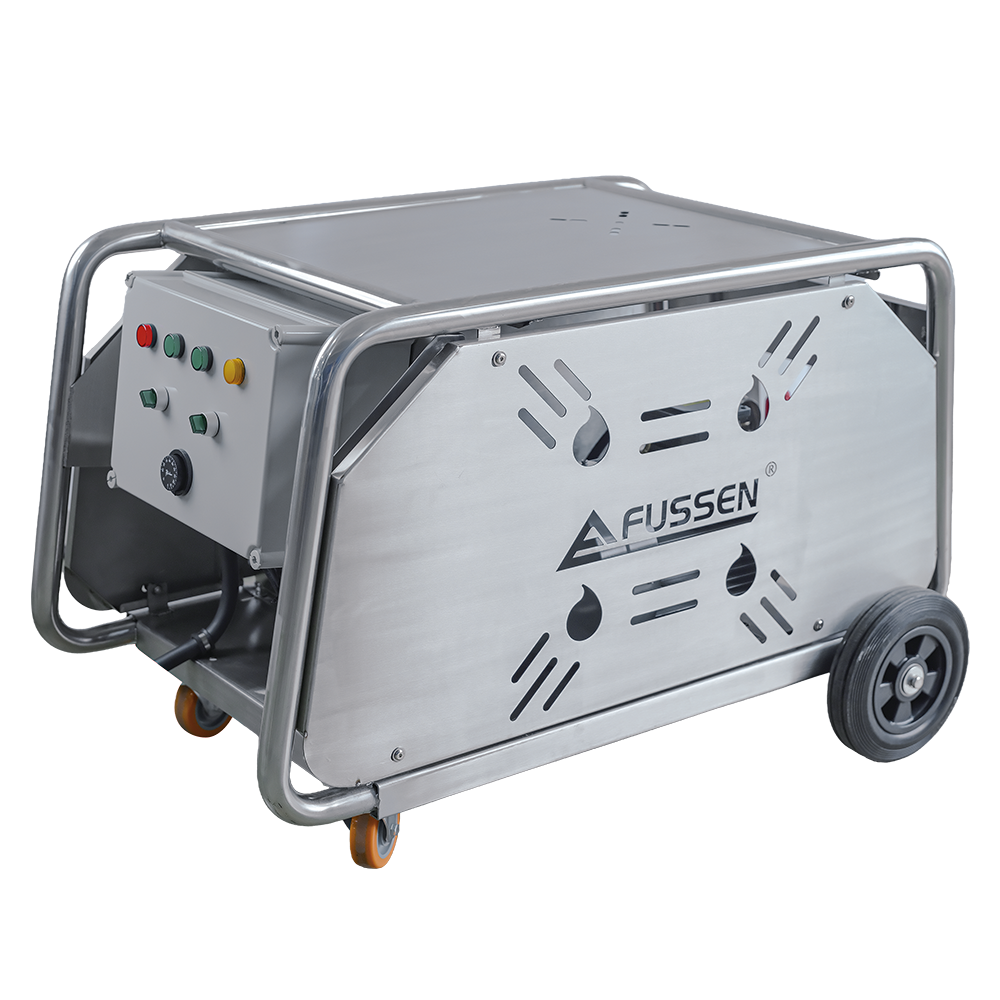
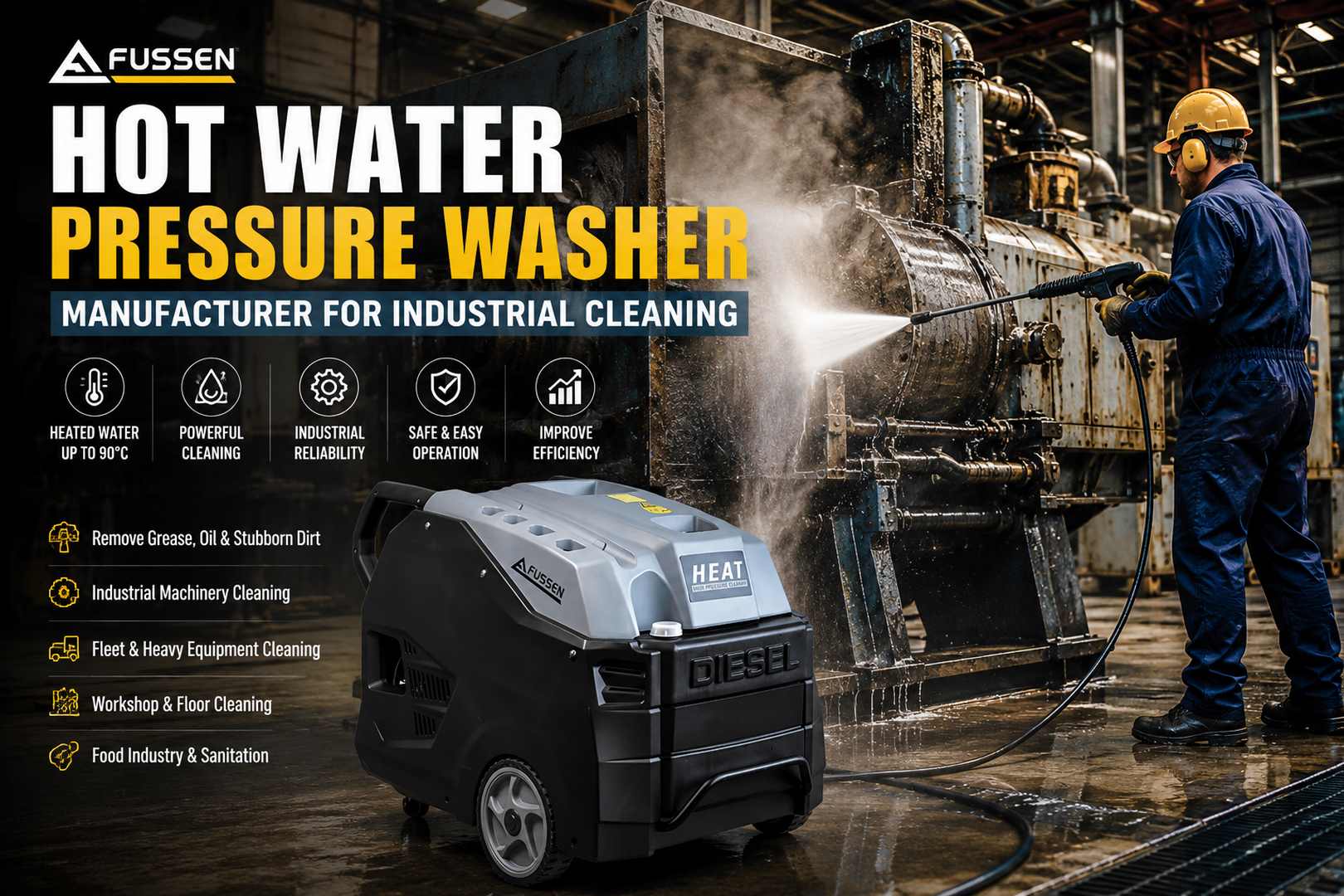
صُممت غسالات الضغط بالماء الساخن للاستخدامات التي لا يكفي فيها الماء البارد وحده. فالحرارة تساعد على تفتيت الزيوت والشحوم والشمع والرواسب والمخلفات الكيميائية بشكل أسرع، مما يجعل أنظمة الماء الساخن مفيدة بشكل خاص لإزالة الشحوم الصناعية.
تستفيد الشركات العاملة في مجالات التصنيع، وخدمات السيارات، وتصنيع الأغذية، وصيانة البتروكيماويات، وتنظيف المعدات الثقيلة، من غسالات الضغط بالماء الساخن. فهي تُقلل وقت التنظيف، وتُخفض استهلاك المنظفات، وتُحسّن نتائج إزالة الملوثات الزيتية أو اللزجة.
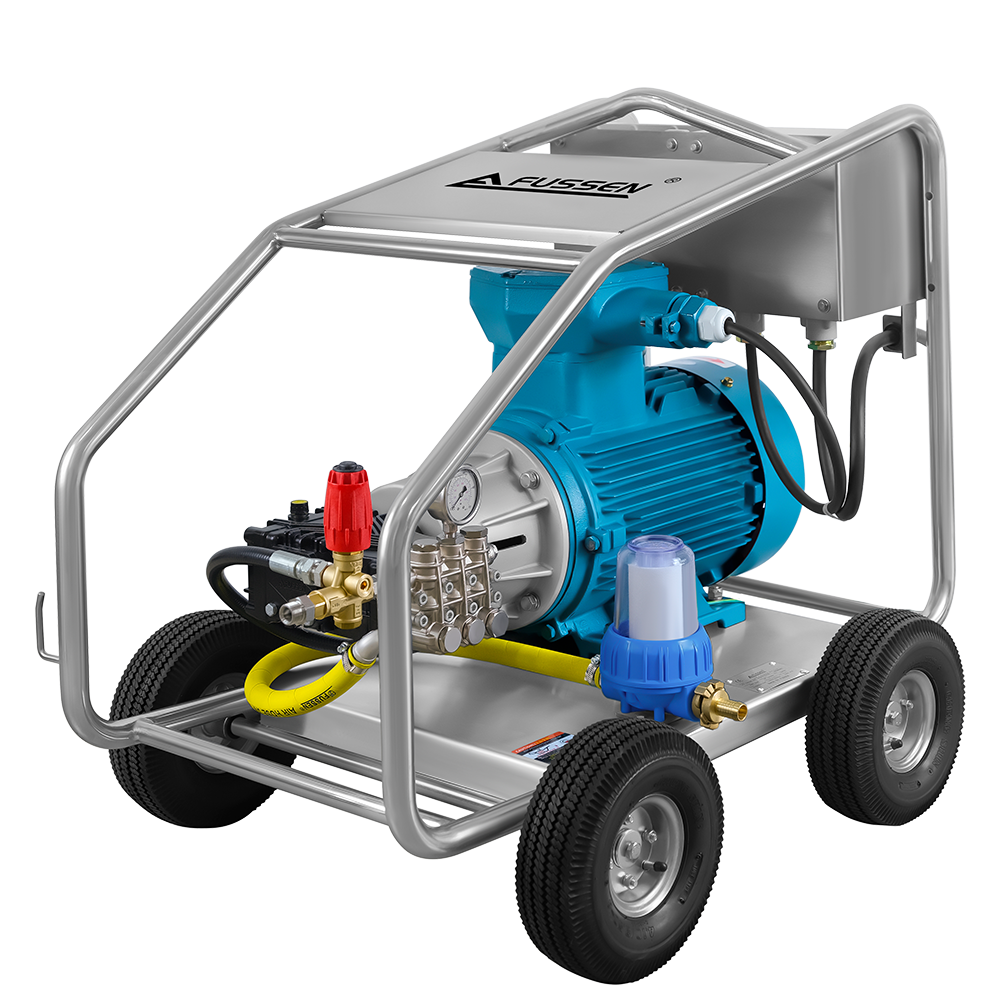
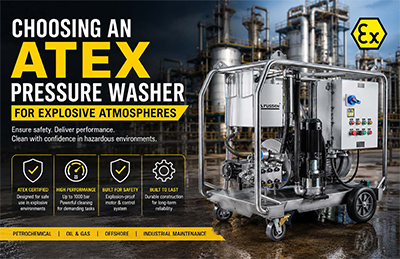
صُممت غسالات الضغط المقاومة للانفجار للاستخدام في البيئات الخطرة التي قد تحتوي على غازات أو أبخرة أو سوائل قابلة للاشتعال أو غبار قابل للاحتراق. وتستخدم هذه الآلات محركات مقاومة للانفجار، وأنظمة تحكم محمية، ومكونات كهربائية مصممة خصيصًا للسلامة لتقليل مخاطر الاشتعال.
تُستخدم هذه الغسالات على نطاق واسع في منشآت النفط والغاز، ومصانع البتروكيماويات، ومواقع معالجة المواد الكيميائية، ومحطات تخزين الوقود، وغيرها من البيئات الصناعية الخاضعة للرقابة. بالنسبة لهذه المنشآت، لا يقتصر اختيار غسالات الضغط على أداء التنظيف فحسب، بل يشمل أيضاً الالتزام بمعايير السلامة، والتحكم في المخاطر، وحماية الأفراد والممتلكات.
عندما تقارن الشركات بين غسالات الضغط، يكمن الخطأ غالبًا في التركيز على الرقم الرئيسي - عادةً الضغط - دون النظر إلى الصورة الكاملة للأداء. في مجال التنظيف الصناعي، تكمن القيمة الحقيقية للآلة في مدى كفاءتها في أداء وظائفها. الضغط، والتدفق، وجودة المضخة، ودورة التشغيل تعمل معًا. قد تكون الوحدة التي تبدو قوية على الورق خيارًا خاطئًا إذا كانت تنظف ببطء شديد، أو تتلف بسرعة كبيرة، أو لا تستطيع تحمل ساعات التشغيل المطلوبة.
يحدد الضغط قوة اصطدام تيار الماء بالسطح. يُعدّ الضغط العامل الأساسي الذي يُساعد على فكّ الروابط بين الأوساخ، والقشور، والطلاء، والشحوم، والصدأ، أو الرواسب، والطبقة الأساسية الموجودة أسفلها. بعبارة أخرى، يُعطي الضغط الآلة قدرتها على القطع والإزالة.
مع ذلك، يجب أن يتناسب الضغط مع نوع السطح ومهمة التنظيف. فالضغط المنخفض جدًا قد يُبقي على الأوساخ العنيدة، بينما الضغط المرتفع جدًا قد يُتلف الأسطح الناعمة، والطلاءات، والأختام، أو مكونات المعدات. على سبيل المثال، يتطلب غسل المعدات العامة، وتنظيف أرضيات المصانع، وتنظيف المركبات عادةً ضغطًا متوسطًا، في حين أن إزالة الصدأ، وتحضير الأسطح، وإزالة بقايا الخرسانة، أو إزالة الترسبات الصناعية الثقيلة تتطلب مستويات ضغط أعلى بكثير.
لهذا السبب، لا ينبغي للمشترين الصناعيين أن يسألوا فقط: "ما مقدار الضغط الذي يتحمله؟" بل السؤال الأفضل هو:, “"ما هو نطاق الضغط المناسب لسطحي، ومستوى التلوث، وهدف التنظيف الذي أسعى إليه؟"” في الاستخدام التجاري، يكون الضغط المناسب هو الضغط الذي يزيل التلوث بكفاءة دون التسبب في تآكل غير ضروري أو هدر للمياه أو تلف الأسطح.
إذا كان الضغط هو ما يُحرر التلوث،, معدل التدفق هو ما يحمله بعيدًا. يقيس معدل التدفق كمية المياه التي توفرها الآلة في الدقيقة، وفي العديد من التطبيقات الصناعية يعتبر المؤشر الحقيقي لإنتاجية التنظيف.
هذا الأمر مهم لأن الشركات نادراً ما تنظف سطحاً صغيراً واحداً. فهي تنظف الآلات والأرضيات ومعدات الإنتاج والخزانات والمركبات وهياكل السفن والمناطق الصناعية الكبيرة حيث السرعة عامل حاسم. قد تكون الآلة ذات الضغط العالي والتدفق المنخفض فعالة في بقعة واحدة، لكنها غالباً ما تنظف ببطء على مساحات أكبر لأنها تفتقر إلى كمية الماء اللازمة لشطف الأوساخ المتراكمة بسرعة.
من الناحية العملية، يمكن لغسالة الضغط ذات التدفق العالي أن:
لهذا السبب يقوم المشترون الصناعيون ذوو الخبرة بالمقارنة الضغط والتدفق معًا, ليس بمعزل عن غيره. لا يتم اختيار غسالة الضغط التجارية بناءً على "أقصى ضغط"؛ بل يتم اختيارها بناءً على أفضل أداء. معدل التنظيف في الساعة.
في غسالات الضغط الصناعية، يُعدّ نظام المضخة والمحرك أهم من المظهر الخارجي أو الادعاءات التسويقية البراقة. فهذه هي المكونات التي تحدد ما إذا كانت الآلة ستعمل بكفاءة وموثوقية تحت الضغط يوماً بعد يوم.
يستخدم معظم خبراء غسيل الضغط التجاري المحترفين أنظمة المضخات المكبسية لأنها توفر استقرار الضغط والمتانة وسهولة الصيانة اللازمة للأعمال الصناعية. يمكن لمضخة المكبس عالية الجودة أن تتحمل ساعات تشغيل طويلة، وتحافظ على تدفق ثابت، وتتعامل مع مهام التنظيف الشاقة مثل غسل المعدات، وإزالة الشحوم، وتجهيز الأسطح، والصيانة الثقيلة.
إحدى النقاط المهمة التي يجب على المشترين مراعاتها هي مادة المكبس نفسها. مكابس سيراميكية تُفضّل المكابس الخزفية على نطاق واسع في الآلات الصناعية نظرًا لمقاومتها الممتازة للتآكل والحرارة والتآكل الكيميائي أثناء التشغيل المستمر. وبالمقارنة مع المكابس المعدنية التقليدية، توفر المكابس الخزفية عمومًا عمرًا أطول واستقرارًا أفضل على المدى البعيد، لا سيما في التطبيقات ذات الضغط العالي أو التي تتطلب جهدًا كبيرًا. قد تُستخدم المكابس المعدنية في بعض الأنظمة ذات الجهد المنخفض، ولكن بالنسبة للشركات التي لديها جداول تنظيف مكثفة، فإن متانة المضخة أمر لا يُمكن التنازل عنه.
لا تقل أهمية جودة المحرك عن ذلك. فموثوقية غسالة الضغط تعتمد كلياً على موثوقية النظام الذي يُشغل المضخة. يجب أن تكون المحركات الصناعية ذات حجم مناسب، وأن تعمل بسلاسة تحت الحمل، وأن تدعم دورات تشغيل طويلة دون ارتفاع درجة حرارتها أو انخفاض أدائها.
بالنسبة لمستخدمي الأعمال، فإن أحد أكبر الفروقات بين وحدة غسيل الضغط المنزلية ووحدة غسيل الضغط الصناعية هو دورة العمل—بمعنى آخر، المدة التي يمكن أن تعمل فيها الآلة قبل أن تحتاج إلى الراحة أو التبريد أو تتعرض لخطر التآكل المبكر.
في البيئات التجارية والصناعية، يُتوقع عادةً أن تعمل غسالات الضغط لفترات طويلة يوميًا. قد يستخدم فريق الصيانة الآلة لعدة ساعات لتنظيف خطوط الإنتاج. وقد يقوم المقاول بتشغيلها باستمرار أثناء صيانة المعدات أو أعمال الإيقاف. وقد يعتمد عليها فريق النظافة في مناطق عمل متعددة خلال نوبة عمل واحدة.
وهذا يعني أنه يجب تصميم الآلة من أجل التشغيل المستمر, لا يُستخدم بشكل متقطع. تتطلب الصناعة وقت تشغيل أعلى بكثير، ويجب أن تكون الغسالة قادرة على الحفاظ على ضغط وتدفق ثابتين دون أن تُصبح عبئًا على الصيانة. وهنا تبرز أهمية تصميم المضخة شديدة التحمل، والأختام المتينة، والمحركات عالية الجودة، والتبريد المناسب، والهياكل المتينة.
بالنسبة للمشترين، الخلاصة بسيطة: أفضل غسالة ضغط تجارية ليست بالضرورة تلك التي تتمتع بأعلى تصنيف للضغط، بل هي تلك التي يمكنها توفير أداء التنظيف المطلوب. باستمرار وأمان وكفاءة طوال ساعات العمل التي تتطلبها عملياتك.
يُحدد أداء غسالة الضغط الصناعية بمكوناتها الداخلية، وليس بمظهرها الخارجي أو تصنيف الضغط المعلن عنه. صُممت الأنظمة الاحترافية لتعمل بكفاءة عالية في ظروف قاسية، لساعات متواصلة، مع الحفاظ على ضغط ثابت وتدفق منتظم وعمر خدمة طويل. يساعد فهم المكونات الهندسية الرئيسية الشركات على تقييم المعدات بناءً على قيمتها طويلة الأجل بدلاً من المواصفات المعلنة.
ال مضخة مكبس عالية الضغط يُعدّ قلب كل غسالة ضغط احترافية. فهو يحوّل الطاقة الميكانيكية من المحرك إلى ماء عالي الضغط، مما يوفر القوة اللازمة لتطبيقات التنظيف الصناعية.
على عكس المضخات المحورية أو المتذبذبة المستخدمة في المنازل، صُممت مضخات المكبس الصناعية للتشغيل المتواصل، وتتحمل ضغوطًا أعلى بكثير وساعات عمل أطول. يوفر تصميمها ذو الإزاحة الموجبة ضغطًا ثابتًا، وكفاءة حجمية عالية، ومتانة ممتازة، مما يجعلها مثالية للتطبيقات الصعبة مثل تنظيف المعدات، وتحضير الأسطح، والتنظيف بالضغط العالي، وصيانة خطوط الأنابيب.
تتميز مضخات المكبس الممتازة أيضًا بأعمدة كرنك عالية القوة، ومحامل دقيقة، ومكابس سيراميكية لتقليل التآكل وإطالة عمر الخدمة في ظل أحمال العمل الثقيلة.

يوفر المحرك الطاقة اللازمة لتشغيل المضخة عالية الضغط، وجودته تؤثر بشكل مباشر على موثوقية الآلة وعمرها التشغيلي.
تستخدم غسالات الضغط الكهربائية الاحترافية عادةً محركات صناعية منخفضة السرعة, مما يُنتج حرارة أقل، واهتزازات أقل، ويُقلل الضغط على كلٍ من المحرك والمضخة. كما أن التشغيل بسرعات دوران منخفضة يُقلل من تآكل المحامل ويُحسّن الموثوقية على المدى الطويل أثناء التشغيل المستمر.
قد يتم تشغيل غسالات الضغط الصناعية بواسطة:
يضمن اختيار مصدر الطاقة المناسب أن تتناسب الآلة مع بيئة العمل وظروف التشغيل المطلوبة.
نادراً ما تتطلب مهام التنظيف الصناعي أقصى ضغط طوال الوقت. لذلك، تتضمن غسالة الضغط الاحترافية... نظام صمام تنظيم الضغط وهذا يسمح للمشغلين بضبط ضغط التشغيل وفقًا لتطبيق التنظيف.
تؤدي هذه الصمامات عدة وظائف مهمة:
يشتمل نظام تنظيم الضغط المصمم بشكل صحيح أيضًا على صمامات أمان ووظائف تجاوز تساعد في حماية الآلة أثناء الانقطاعات المؤقتة في تدفق المياه.
تؤثر جودة المياه بشكل كبير على عمر غسالة الضغط. فالرمل وجزيئات الصدأ والترسبات الكلسية وغيرها من الملوثات التي تدخل المضخة يمكن أن تتسبب في تلف سريع للأختام والمكابس والصمامات والمكونات الداخلية.
لذلك تتضمن غسالات الضغط الصناعية الاحترافية أنظمة ترشيح المياه متعددة المراحل لإزالة الشوائب قبل وصول الماء إلى مضخة الضغط العالي. يقلل الماء النظيف من تآكل المكونات، ويحافظ على أداء مستقر، ويخفض تكاليف الصيانة بشكل كبير طوال عمر الجهاز.
بالنسبة للشركات العاملة في مواقع البناء، أو عمليات التعدين، أو خدمات التنظيف البلدية، أو المنشآت التي تستخدم المياه المعاد تدويرها أو غير المعالجة، يُعد نظام الترشيح الفعال بالغ الأهمية. فهو يحمي المضخة من الجزيئات الكاشطة، مما يُسهم في تعزيز موثوقية المعدات ويضمن أداءً تنظيفياً ثابتاً على مدار سنوات من الاستخدام الصناعي.
في العديد من البيئات الصناعية، لا يكفي أداء التنظيف وحده. يجب على المنشآت التي تتعامل مع الغازات والأبخرة والمذيبات القابلة للاشتعال، أو الغبار القابل للاحتراق، ضمان ملاءمة جميع المعدات الكهربائية للمواقع الخطرة. ولذلك، صُممت غسالات الضغط المقاومة للانفجار ليس فقط لتوفير تنظيف عالي الضغط، بل أيضًا لتقليل مخاطر الاشتعال والامتثال لمعايير السلامة الصناعية الصارمة.
بالنسبة للصناعات مثل النفط والغاز والبتروكيماويات والمعالجة الكيميائية وتخزين الوقود والعمليات البحرية، فإن اختيار المعدات الحاصلة على شهادة مقاومة الانفجار المناسبة غالباً ما يكون متطلباً تنظيمياً وليس ميزة اختيارية.
من أولى العوامل التي يجب على المشترين الصناعيين تقييمها ما إذا كانت غسالة الضغط تفي بمعايير المناطق الخطرة المطلوبة.
ATEX يُعدّ التوجيه الأوروبي الذي ينظم استخدام المعدات المخصصة للاستخدام في الأجواء القابلة للانفجار، بينما Exd (علبة مقاومة للهب) يشير إلى طريقة حماية يتم فيها وضع المكونات الكهربائية داخل غلاف قادر على احتواء انفجار داخلي ومنع اللهب من إشعال الغلاف الجوي المحيط.
بحسب بيئة التركيب، ينبغي على المشترين أيضًا مراعاة ما يلي:
يضمن اختيار المعدات الحاصلة على الشهادة الصحيحة الامتثال للوائح التنظيمية مع تقليل المخاطر التشغيلية وتبسيط عمليات التفتيش على السلامة.
تُعدّ منشآت البتروكيماويات من بين أكثر الظروف التشغيلية صعوبةً بالنسبة لمعدات التنظيف الصناعية. فخلال الصيانة الدورية، قد يواجه المشغلون مواد هيدروكربونية متطايرة، ومذيبات، وأبخرة وقود، وغازات قابلة للاشتعال، مما قد يُؤدي إلى تكوين أجواء قابلة للانفجار.
تُستخدم غسالات الضغط المقاومة للانفجار بشكل شائع في:
باستخدام معدات مصممة خصيصًا للبيئات الخطرة، يمكن لفرق الصيانة أداء مهام التنظيف الأساسية بأمان دون إدخال مصادر اشتعال إضافية.
يُعد النظام الكهربائي أحد أهم الفروقات بين غسالة الضغط القياسية والنموذج المقاوم للانفجار.
تتضمن غسالات الضغط الاحترافية المقاومة للانفجار العديد من ميزات السلامة، بما في ذلك:
تعمل هذه المكونات معًا لمنع الشرر أو الأقواس الكهربائية أو الحرارة الزائدة من التسرب إلى الغلاف الجوي المحيط، مما يقلل بشكل كبير من خطر نشوب حريق أو انفجار أثناء التشغيل.
حماية المعدات أمر مهم، لكن حماية الأفراد هي الأولوية القصوى. صُممت غسالات الضغط الاحترافية المقاومة للانفجار بميزات أمان متعددة للمشغل لتقليل مخاطر مكان العمل أثناء التنظيف بالضغط العالي.
تشمل آليات الحماية النموذجية ما يلي:
إلى جانب التدريب المناسب للمشغلين، وعمليات الفحص الروتينية للمعدات، والامتثال لإجراءات السلامة في الموقع، تساعد هذه الميزات في خلق بيئة عمل أكثر أمانًا مع ضمان الأداء الموثوق به في التطبيقات الصناعية الخطرة.
بالنسبة للشركات العاملة في الصناعات عالية المخاطر، فإن الاستثمار في غسالة ضغط مقاومة للانفجار لا يتعلق فقط بتلبية اللوائح، بل يتعلق بحماية الأفراد، والحفاظ على الأصول القيّمة، والحفاظ على العمليات دون انقطاع في بيئات لا يمكن فيها التهاون في السلامة.
إن اختيار غسالة الضغط الصناعية المناسبة لا يقتصر على اختيار الطراز ذي أعلى ضغط، بل يتطلب مطابقة الجهاز مع متطلبات عملك. يجب أن يوفر النظام الأمثل أداء التنظيف المطلوب مع ضمان موثوقية عالية على المدى الطويل، وأمان، وتكاليف تشغيل منخفضة. قبل الاستثمار، ضع في اعتبارك العوامل الخمسة التالية.
ابدأ بتحديد مكان وكيفية استخدام غسالة الضغط. تحدد بيئة التشغيل تكوين الجهاز ومصدر الطاقة ومتطلبات السلامة.
اسأل نفسك:
على سبيل المثال، قد يحتاج مصنع إلى غسالة ضغط كهربائية ثابتة، بينما قد يحتاج مقاول بناء إلى وحدة متنقلة تعمل بالديزل. وينبغي على المنشآت التي تتعامل مع مواد قابلة للاشتعال أن تفكر في استخدام غسالات ضغط مقاومة للانفجار حاصلة على الشهادات المناسبة للمناطق الخطرة.
ينبغي دائمًا تقييم الضغط ومعدل التدفق معًا. يحدد الضغط قوة التنظيف، بينما يحدد معدل التدفق سرعة إزالة الملوثات ومساحة المنطقة التي يمكن تنظيفها في فترة زمنية محددة.
كإرشاد عام:
| تطبيق التنظيف | التكوين الموصى به |
|---|---|
| تنظيف معدات المصانع والمركبات | ضغط متوسط، تدفق متوسط |
| الآلات الثقيلة ومعدات البناء | ضغط عالٍ، تدفق عالٍ |
| تنظيف الأرضيات الصناعية والمرافق | ضغط متوسط، تدفق عالٍ |
| إزالة الزيوت والشحوم وبقايا المواد الكيميائية | ماء ساخن بضغط وتدفق مناسبين |
| تحضير السطح وإزالة الطلاء | أنظمة الضغط العالي للغاية |
بدلاً من اختيار أعلى ضغط متاح، اختر مزيجًا يتناسب مع تطبيق التنظيف الخاص بك ويزيد الإنتاجية إلى أقصى حد.
سيحدد مصدر الطاقة المتاح وبيئة العمل نظام القيادة الأنسب.
يساعد اختيار مصدر الطاقة الصحيح على تحسين كفاءة التشغيل مع تقليل تكاليف الوقود أو الصيانة غير الضرورية.
لا ينبغي التغاضي عن السلامة أبداً، وخاصة في البيئات الصناعية.
تأكد من أن المعدات تتوافق مع المعايير المطلوبة لقطاعك، بما في ذلك:
بالنسبة لمنشآت النفط والغاز، ومصانع البتروكيماويات، ومحطات تخزين الوقود، ومواقع المعالجة الكيميائية، فإن اختيار المعدات الحاصلة على شهادة مقاومة الانفجار المناسبة أمر ضروري لكل من الامتثال التنظيمي وسلامة مكان العمل.
وأخيرًا، قيّم الشركة المصنعة - وليس الجهاز فقط. فغسالة الضغط استثمار طويل الأجل، ويمكن أن يكون لدعم المورد تأثير كبير على موثوقية المعدات وتكاليف دورة حياتها.
ضع في اعتبارك ما يلي:
لن يكتفي المصنع الكفء بترشيح آلة من كتالوج فحسب، بل سيفهم تطبيقك، ويوصي بمزيج الضغط والتدفق المناسب، ويقدم الدعم الفني المستمر طوال فترة خدمة المعدات.
باتباع هذه الخطوات الخمس، يمكن للشركات اختيار غسالة ضغط صناعية بثقة توفر التوازن الصحيح بين أداء التنظيف والمتانة والسلامة والعائد على الاستثمار على المدى الطويل.
إن اختيار غسالة ضغط صناعية يتجاوز مجرد مقارنة المواصفات، فهو يتعلق بالتعاون مع شركة مصنعة تفهم تحديات التنظيف الصناعي وتستطيع توفير حلول موثوقة ومخصصة لكل تطبيق. مع أكثر من عقدين من الخبرة في تكنولوجيا نفث الماء عالي الضغط،, فوسن تجمع بين الخبرة الهندسية والتصنيع المتقدم وعروض المنتجات الشاملة لدعم الشركات في مجموعة واسعة من الصناعات.
تأسست شركة فوسن عام 2001، وتخصصت لأكثر من 20 عامًا في البحث والتطوير والتصنيع لمعدات التنظيف الصناعية عالية الضغط. وخلال هذه الفترة، واصلنا تطوير تقنية نفث الماء عالي الضغط لدينا من خلال الابتكار والخبرة الصناعية والتعاون مع الجامعات الرائدة.
بصفتها أول شركة مصنعة لغسالات الضغط العالي مدرجة في بورصة الصين الثالثة الجديدة، فقد رسخت شركة فوسن سمعة قوية لجودة منتجاتها وابتكاراتها التكنولوجية وحلولها الصناعية الموثوقة.
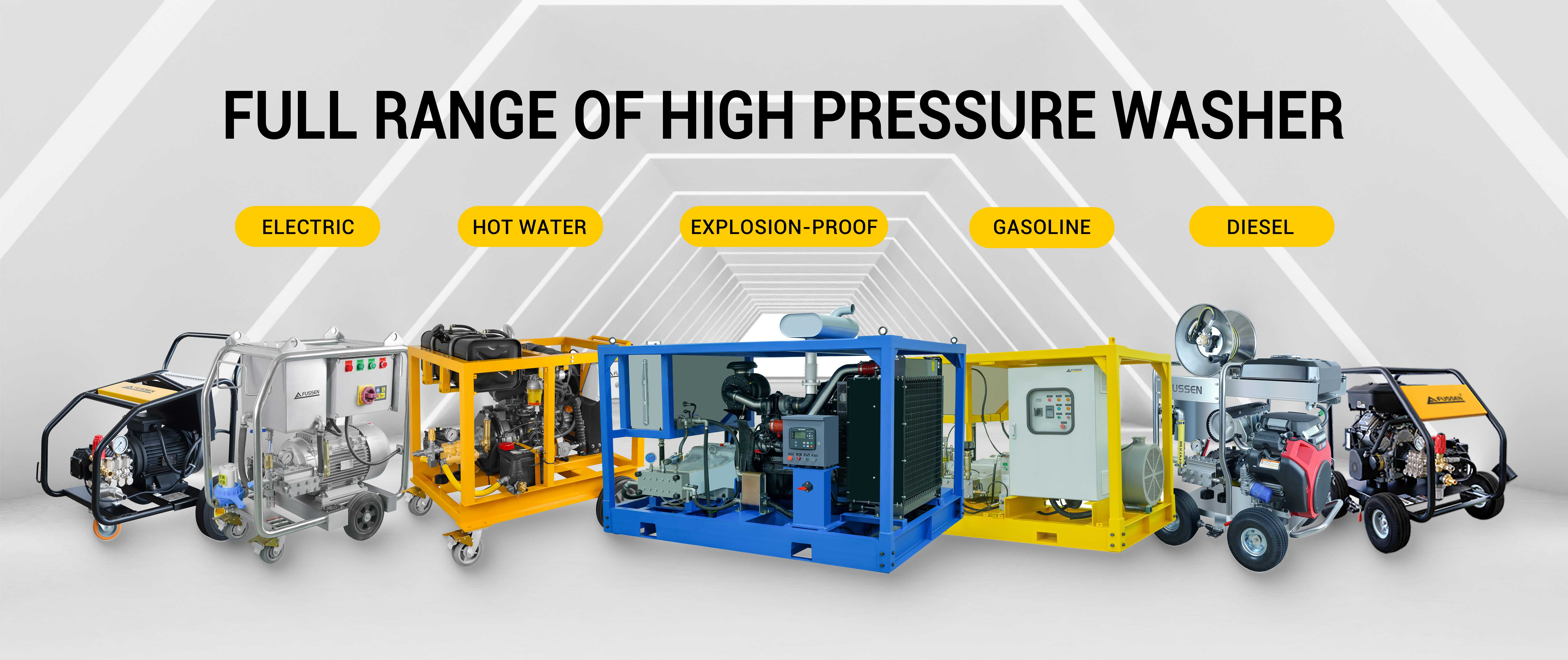
تختلف تحديات التنظيف باختلاف الصناعات. ولذلك، تقدم شركة فوسن مجموعة متكاملة من غسالات الضغط الصناعية لتناسب جميع بيئات التشغيل والتطبيقات تقريبًا.
تشمل مجموعة منتجاتنا ما يلي:
تتيح هذه المجموعة الشاملة من المنتجات للشركات اختيار المعدات التي تتناسب بدقة مع متطلباتها التشغيلية.
تتميز جميع غسالات الضغط من فوسن بمضخة مكبس عالية الأداء مصممة للتشغيل الصناعي المتواصل. صُممت مضخاتنا باستخدام مواد فائقة الجودة وعمليات تصنيع دقيقة، مما يوفر ضغطًا ثابتًا وكفاءة عالية ومتانة استثنائية في ظل ظروف العمل الصعبة.
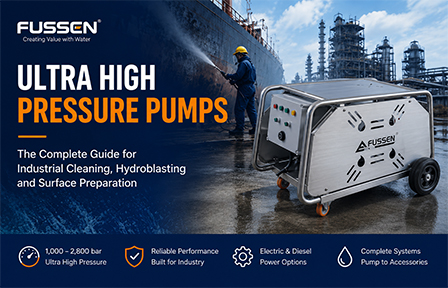
كما تقوم شركة فوسن بتصنيع مضخات عالية الضغط قادرة على ضخ ما يصل إلى 2800 بار و 1000 لتر/دقيقة, ، ودعم التطبيقات التي تتراوح من تنظيف المعدات الروتيني إلى نفث الماء الصناعي عالي الضغط للغاية.
صُممت منتجات فوسن لتلبية متطلبات الأسواق الصناعية العالمية. وتعمل مرافق التصنيع لدينا وفقًا لـ نظام إدارة الجودة ISO 9001, بينما معداتنا حاصل على شهادة CE للوفاء بمعايير السلامة والجودة الدولية.
بالإضافة إلى أنظمة التحكم الذكية، وبراءات الاختراع الوطنية المتعددة، والخبرة الواسعة في التصدير، توفر شركة Fussen للعملاء الصناعيين في جميع أنحاء العالم حلول غسيل الضغط الموثوقة المدعومة بالدعم الفني الاحترافي وخدمات الهندسة المخصصة.
إن اختيار غسالة الضغط المناسبة للأعمال لا يقتصر على اختيار أعلى ضغط أو أقل سعر. فالحل الأمثل للتنظيف الصناعي هو الذي يتناسب مع استخدامك وبيئة عملك وأهدافك التجارية طويلة الأجل.
استعرضنا في هذا الدليل العوامل الرئيسية التي ينبغي على كل مشترٍ صناعي تقييمها، بدءًا من الضغط ومعدل التدفق وصولًا إلى جودة المضخة، ودورة التشغيل، ومصدر الطاقة، وشهادات السلامة. كما سلطنا الضوء على اختلاف متطلبات تكوينات الآلات باختلاف الصناعات، سواءً أكانت غسالة ضغط كهربائية لصيانة المصانع، أو نظام ماء ساخن لإزالة الشحوم الصناعية، أو وحدة تعمل بالديزل لمواقع العمل النائية، أو غسالة ضغط مقاومة للانفجار للبيئات الخطرة.
باختيار معدات مصممة خصيصًا لمهام التنظيف، تستطيع الشركات تقليل وقت توقف الصيانة، وتحسين كفاءة التنظيف، وخفض تكاليف التشغيل، وإطالة عمر الأصول القيّمة. والأهم من ذلك، أن الاستثمار في غسالة الضغط الصناعية المناسبة يُسهم في توفير بيئات عمل أكثر أمانًا، وزيادة الإنتاجية، وتعزيز موثوقية التشغيل على المدى الطويل.
بفضل خبرتها التصنيعية التي تزيد عن 20 عامًا، وتقنية مضخات المكبس المتقدمة، ومجموعة كاملة من حلول غسيل الضغط الصناعي،, فوسن تلتزم الشركة بمساعدة الشركات في إيجاد نظام التنظيف المناسب لكل استخدام.. سواء كنت بحاجة إلى غسالة ضغط صناعية قياسية أو حل نفاث مائي عالي الضغط مصمم خصيصًا، فإن فريقنا الهندسي على استعداد لمساعدتك في تحسين أداء التنظيف مع زيادة عائد استثمارك إلى أقصى حد.

 English
  Spanish
  French
  Russian
  Japanese
  Portuguese
  Arabic
  Korean