English
  Spanish
  French
  Russian
  Japanese
  Portuguese
  Arabic
  Korean

كيف تعمل غسالات الضغط بالماء الساخن
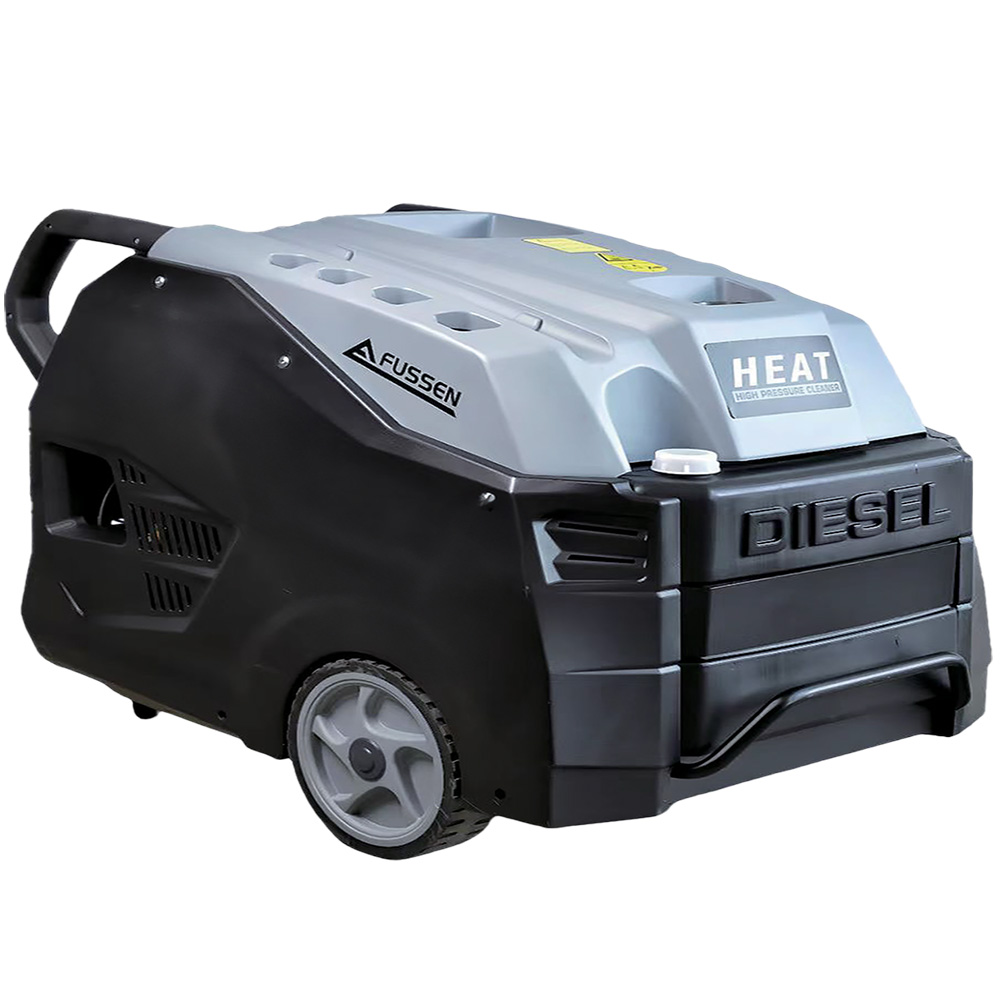
تعمل غسالات الضغط بالماء الساخن على تحسين عملية التنظيف من خلال الجمع بين الضغط وتدفق الماء والحرارة. فبينما يعتمد النظام الأساسي على مضخة ضغط عالٍ لتوليد قوة التنظيف، يقوم نظام تسخين إضافي برفع درجة حرارة الماء قبل وصوله إلى فوهة الرش. هذا المزيج من الطاقة الحرارية والتأثير الميكانيكي يسمح لغسالات الضغط بالماء الساخن بإزالة الشحوم والزيوت والملوثات الأخرى المستعصية بكفاءة أعلى من أنظمة الماء البارد.
ضغط المضخة وتدفق المياه
تبدأ عملية تشغيل غسالة الضغط بالماء الساخن بنفس طريقة تشغيل نظام الماء البارد. يدخل الماء إلى الجهاز عبر خط الإمداد ويمر عبر مضخة ضغط عالٍ، عادةً ما تكون مضخة مكبس مصممة للاستخدام الصناعي. تضغط المضخة الماء وتدفعه عبر النظام الداخلي بضغط مضبوط.
بمجرد ضغط الماء، يتدفق عبر ملف تسخين أو مبادل حراري حيث ترتفع درجة حرارته. بعد التسخين، ينتقل الماء الساخن المضغوط عبر خرطوم الضغط العالي ويخرج الماء من مسدس الرش قبل أن يخرج من الفوهة على شكل تيار تنظيف قوي. يعمل مزيج الضغط والتدفق على إزالة الملوثات، بينما يساعد الماء الساخن على تفكيك وإذابة المواد التي قد تبقى عالقة على السطح.
تشغيل الموقد أو نظام التدفئة
تستخدم غسالات الضغط بالماء الساخن عادةً موقدًا يعمل بالديزل أو الغاز، أو في بعض الحالات نظام تسخين كهربائي. في الأنظمة التي تعتمد على الموقد، يُشعل الوقود داخل غرفة احتراق تحيط بملف من أنابيب الماء المضغوط. ومع تشغيل الموقد، تنتقل الحرارة عبر الملف، مما يرفع درجة حرارة الماء المتدفق داخله.
تُتيح عملية التسخين هذه رفع درجة حرارة الماء إلى مستويات مناسبة للتنظيف الشاق، وغالبًا ما تتراوح بين 70 و90 درجة مئوية في التطبيقات الصناعية. ويتم التحكم في نظام التسخين بدقة للحفاظ على درجات حرارة ثابتة مع منع ارتفاع درجة الحرارة أو استهلاك الوقود بشكل مفرط.
كيفية تفاعل درجة الحرارة والضغط والمنظفات
في غسيل بالضغط بالماء الساخن, تعتمد فعالية التنظيف على التفاعل بين ثلاثة عوامل رئيسية: درجة الحرارة، والضغط، والمنظفات. يوفر الضغط القوة الميكانيكية اللازمة لإزالة الملوثات من الأسطح، بينما تساعد درجة الحرارة على تفتيت الزيوت والشحوم وبقايا الهيدروكربونات الأخرى.
تُقلل درجات الحرارة المرتفعة من لزوجة الزيوت والدهون، مما يُسهّل ذوبانها وإزالتها. كما تُخفّض الحرارة التوتر السطحي للماء، مما يسمح له باختراق الملوثات بفعالية أكبر. وعند استخدام المنظفات، يُحسّن الماء الساخن من فعاليتها بتسريع التفاعلات الكيميائية ومساعدة مواد التنظيف على الانتشار بالتساوي على السطح.
من خلال الجمع بين هذه العناصر، يمكن لغسالات الضغط بالماء الساخن أن تنظف بشكل أسرع وغالبًا ما تتطلب مواد كيميائية أقل من أنظمة الماء البارد، مما يجعلها ذات قيمة خاصة في التطبيقات الصناعية والصرف الصحي.

لماذا قد تكون درجة الحرارة أكثر فعالية من الضغط العالي
في العديد من عمليات التنظيف، يُمكن أن يُحسّن رفع درجة حرارة الماء نتائج التنظيف بشكلٍ أكثر فعالية من مجرد زيادة الضغط. فبينما يزيد الضغط العالي من القوة الميكانيكية لتدفق الماء، تُغيّر درجة الحرارة الخصائص الفيزيائية للملوثات، مما يُسهّل إزالتها. بالنسبة لمواد مثل الشحوم والزيوت والمخلفات الصناعية، تلعب الحرارة دورًا حاسمًا في تفتيت التلوث، مما يُسهّل غسله بكفاءة أكبر.
لزوجة الزيوت والشحوم التي تقلل الحرارة
تصبح الزيوت والدهون والشحوم أقل لزوجة عند تعرضها لدرجات حرارة عالية. ومع ارتفاع درجة الحرارة، تبدأ هذه المواد بالانسياب والتدفق بسهولة أكبر، مما يسمح للماء بفصلها عن السطح. هذه العملية تُسهّل على تيار الماء المضغوط رفع الملوثات وإزالتها.
في البيئات الصناعية التي تتعرض فيها الآلات والمعدات بشكل متكرر لمواد التشحيم والوقود والزيوت الهيدروليكية، يُحسّن الماء الساخن كفاءة التنظيف بشكل ملحوظ. فبدلاً من الاعتماد على ضغط عالٍ للغاية لإزالة الشحوم عن السطح، تسمح الحرارة للملوثات بالذوبان والشطف بشكل طبيعي.
انخفاض التوتر السطحي وتحسين اختراق الملوثات
تؤثر درجة الحرارة أيضاً على التوتر السطحي للماء. فكلما ارتفعت درجة حرارة الماء، انخفض توتره السطحي، مما يسمح له بالانتشار بسهولة أكبر على الأسطح واختراق الفجوات الصغيرة حيث تتراكم الملوثات.
يُحسّن انخفاض التوتر السطحي قدرة الماء على الوصول إلى مناطق مثل الشقوق والفواصل والأسطح الخشنة حيث قد تتراكم الأوساخ والشحوم. ويساعد هذا الاختراق الأعمق على تفتيت الملوثات من الأسفل بدلاً من إزالة المواد من الطبقة الخارجية فقط.
كسر الالتصاق بين الملوثات والأسطح
تبقى العديد من الملوثات على الأسطح لأنها تُشكّل روابط لاصقة قوية مع المادة الموجودة أسفلها. تعمل الحرارة على إضعاف هذه الروابط عن طريق تليين البقايا وتغيير التركيب الكيميائي لمواد مثل الشحوم والشمع والزيوت الصناعية.
بمجرد إضعاف هذه الروابط، يمكن لتيار الماء المضغوط إزالة التلوث بقوة ميكانيكية أقل. وهذا لا يحسن كفاءة التنظيف فحسب، بل يقلل أيضًا من الحاجة إلى ضغط عالٍ للغاية، والذي قد يتسبب أحيانًا في تلف الأسطح أو الطلاءات الحساسة.
أداء التنظيف - الماء الساخن مقابل الماء البارد
لا تعتمد فعالية غسالة الضغط على الضغط فحسب، بل على نوع التلوث المراد إزالته أيضاً. وتختلف أنظمة الماء الساخن عن أنظمة الماء البارد في أدائها تبعاً لطبيعة الأوساخ، سواء كانت عضوية أو زيتية أو جسيمية. ويساعد فهم كيفية تعامل كل نظام مع مختلف أنواع الملوثات المشغلين على اختيار أسلوب التنظيف الأمثل لتطبيقاتهم المحددة.
إزالة الشحوم والزيوت والهيدروكربونات
تُعدّ غسالات الضغط بالماء الساخن أكثر فعالية بشكل ملحوظ في إزالة الشحوم والزيوت والملوثات الهيدروكربونية. تميل هذه المواد إلى الالتصاق بشدة بالأسطح، ويصعب إزالتها بالقوة الميكانيكية وحدها. يُقلل الماء الساخن من لزوجة الزيوت، ويُساعد على إذابة الشحوم، مما يُسهّل فصلها عن السطح.
في قطاعات مثل التصنيع والنقل وتجهيز الأغذية، تتعرض المعدات والأسطح بشكل متكرر لمواد التشحيم ومخلفات الوقود وزيوت الطهي. في هذه الحالات، يمكن لغسالات الضغط بالماء الساخن إزالة هذه الملوثات بشكل أسرع، وغالبًا ما تتطلب كمية أقل من المنظفات الكيميائية مقارنةً بأنظمة الماء البارد.
لا تزال غسالات الضغط بالماء البارد قادرة على إزالة بعض الزيوت أو الشحوم، ولكن العملية تتطلب عادةً ضغطًا أعلى، أو عدة دورات تنظيف، أو منظفات إضافية لتحقيق نتائج مماثلة.
إزالة الأوساخ والتربة والحطام المعدني
تُعدّ غسالات الضغط بالماء البارد فعّالة للغاية في إزالة الأوساخ والطين والرمل وغيرها من الملوثات الجزيئية. لا ترتبط هذه المواد عادةً بالسطح كيميائياً، ويمكن إزالتها بفعل القوة الميكانيكية الناتجة عن ضغط الماء العالي.
غالباً ما تتضمن تطبيقات مثل تنظيف مواقع البناء، وغسل المعدات الزراعية، وصيانة الأسطح الخارجية هذا النوع من التلوث. في هذه الحالات، توفر غسالات الضغط بالماء البارد أداءً فعالاً في التنظيف دون الحاجة إلى أنظمة تسخين معقدة.
لا يزال من الممكن استخدام الماء الساخن لهذه المهام، ولكنه بشكل عام لا يوفر ميزة كبيرة عندما يتكون التلوث الأساسي من جزيئات سائبة بدلاً من الزيوت أو الشحوم.
مقارنة سرعة التنظيف وكفاءة التشغيل
من أهم مزايا غسالات الضغط بالماء الساخن تقليل وقت التنظيف الإجمالي عند التعامل مع الأسطح الزيتية أو الدهنية. فبفضل قدرة الماء الساخن على تفتيت الملوثات بسرعة أكبر، يحتاج المستخدمون عادةً إلى عدد أقل من مرات التنظيف لتحقيق النتيجة المرجوة.
تساهم هذه الكفاءة المحسّنة في تقليل وقت العمل، واستهلاك المنظفات، واستهلاك المياه في العديد من عمليات التنظيف الصناعية. ونتيجةً لذلك، ورغم أن غسالات الضغط بالماء الساخن عادةً ما تتطلب معدات وطاقة أكثر، إلا أنها توفر كفاءة تشغيلية أفضل في البيئات التي تتطلب إزالة الشحوم والزيوت بشكل متكرر.
تظل غسالات الضغط بالماء البارد الخيار المفضل لمهام التنظيف الروتينية التي تشمل الأوساخ أو الغبار أو الحطام العام، حيث لا يؤدي تسخين الماء إلى تحسين أداء التنظيف بشكل كبير.
مزايا غسالات الضغط بالماء البارد
لا تزال غسالات الضغط بالماء البارد من أكثر حلول التنظيف استخدامًا في البيئات السكنية والتجارية والصناعية. إن فعاليتها في مهام التنظيف العامة، إلى جانب تصميمها الميكانيكي البسيط، تجعلها خيارًا عمليًا للعديد من العمليات التي لا تشكل فيها الشحوم والزيوت الثقيلة الملوثات الرئيسية.
انخفاض تكلفة المعدات
من أهم مزايا غسالات الضغط بالماء البارد انخفاض سعر شرائها. ولأن هذه الآلات لا تتطلب مواقد أو ملفات تسخين أو أنظمة وقود أو مكونات للتحكم في درجة الحرارة، فإن تصميم النظام ككل أبسط وأقل تكلفة في التصنيع.
بفضل انخفاض التكلفة الأولية، تُعدّ غسالات الضغط بالماء البارد خيارًا عمليًا للشركات التي تحتاج إلى معدات تنظيف موثوقة ولكنها لا تتطلب الإمكانيات المتخصصة للأنظمة المُسخّنة. في تطبيقات مثل الصيانة العامة للمرافق أو التنظيف الخارجي، غالبًا ما توفر أنظمة الماء البارد أداءً كافيًا بسعر معقول.
صيانة نظام أبسط
تتميز غسالات الضغط بالماء البارد أيضاً بانخفاض متطلبات الصيانة. فبدون مكونات تسخين أو أنظمة احتراق، يقل عدد الأجزاء التي تتطلب فحصاً أو ضبطاً أو استبدالاً.
تركز الصيانة الدورية عادةً على المضخة، والأختام، والفلاتر، والخراطيم، و فوهات. يمكن لهذه البساطة أن تقلل من وقت التوقف وتجعل صيانة المعدات أسهل، لا سيما في البيئات التي تكون فيها موارد الصيانة محدودة.
معدات محمولة ومتوفرة على نطاق واسع
نظراً لأن غسالات الضغط بالماء البارد أخف وزناً وأقل تعقيداً من أنظمة الماء الساخن، فإنها غالباً ما تكون أسهل في النقل والتركيب في مواقع مختلفة. وقد صُممت العديد من هذه الوحدات كآلات محمولة يمكن نقلها بين مواقع العمل أو في أرجاء المنشآت الكبيرة.
بفضل سهولة نقلها، تُعدّ غسالات الضغط بالماء البارد مناسبة تمامًا لتطبيقات مثل تنظيف مواقع البناء، وغسل المركبات، وصيانة الأسطح الخارجية، وتنظيف المعدات بشكل عام. وقد جعلها انتشارها الواسع وسهولة تشغيلها أداة أساسية في العديد من عمليات الصيانة والخدمة.
مزايا غسالات الضغط بالماء الساخن
توفر غسالات الضغط بالماء الساخن مزايا عديدة في البيئات التي تحتوي على ملوثات مثل الشحوم والزيوت وغيرها من الرواسب الصعبة. فمن خلال الجمع بين الحرارة وتدفق الماء عالي الضغط، تستطيع هذه الأنظمة تنظيف الأسطح بكفاءة أعلى من أنظمة الماء البارد في العديد من التطبيقات الصناعية. وتساعد الطاقة الحرارية الإضافية على تفتيت الملوثات، مما يقلل وقت التنظيف ويحسن الفعالية الإجمالية.
إزالة أسرع للشحوم والزيوت
من أهم مزايا غسالات الضغط بالماء الساخن قدرتها على إزالة الشحوم والزيوت بسرعة. فالحرارة تقلل من لزوجة الزيوت والدهون، مما يجعلها أقل كثافة وأسهل في الانفصال عن الأسطح. وبمجرد تفككها، يقوم تيار الماء المضغوط بشطف هذه المواد بسهولة أكبر.
تُعدّ هذه الخاصية بالغة الأهمية في الصناعات التي تتعرض فيها المعدات لمواد التشحيم أو مخلفات الوقود أو زيوت الطهي. وتعتمد مصانع الإنتاج ومرافق صيانة المركبات وبيئات تصنيع الأغذية غالباً على غسالات الضغط بالماء الساخن للحفاظ على بيئة عمل نظيفة وآمنة.
تقليل استخدام المواد الكيميائية
يمكن للتنظيف بالماء الساخن أن يقلل بشكل كبير من الحاجة إلى المنظفات الكيميائية. ولأن الماء الساخن يساعد على إذابة الشحوم وتفتيت الملوثات المستعصية، فإن المشغلين غالباً ما يحتاجون إلى كميات أقل من مواد التنظيف لتحقيق النتائج المرجوة.
يُوفر تقليل استخدام المواد الكيميائية فوائد عديدة، منها انخفاض تكاليف التشغيل، وسهولة إدارة مياه الصرف الصحي، وتقليل الأثر البيئي. في بعض الحالات، قد يكون الماء الساخن وحده كافيًا لإزالة الملوثات التي تتطلب استخدام منظفات قوية عند استخدام أنظمة المياه الباردة.
تحسين الصرف الصحي للصناعات الحساسة للنظافة
تُستخدم غسالات الضغط بالماء الساخن على نطاق واسع في البيئات التي تُعدّ فيها النظافة الصحية أمراً بالغ الأهمية. تساعد درجات حرارة الماء المرتفعة على إزالة المخلفات البيولوجية وتحسين فعالية عمليات التنظيف في صناعات مثل تصنيع الأغذية والزراعة ومرافق الصحة العامة.
في هذه البيئات، يُسهم الماء الساخن في تنظيف أكثر شمولاً من خلال تحليل المواد العضوية والمساعدة في إزالة الملوثات التي قد تؤثر على معايير النظافة والسلامة. وهذا ما يجعل أنظمة الماء الساخن ذات قيمة خاصة للعمليات التي يجب أن تلتزم بمتطلبات نظافة صارمة.
التنظيف بالماء الساخن مقابل التنظيف الكيميائي
في العديد من عمليات التنظيف الصناعية، تُزال الملوثات كالشحوم والزيوت والرواسب الثقيلة عادةً باستخدام المنظفات الكيميائية. إلا أن الغسيل بالماء الساخن المضغوط يُقدم بديلاً فعالاً، إذ يستخدم الطاقة الحرارية لتفكيك هذه الملوثات. فبرفع درجة حرارة الماء، يُمكن للمشغلين في كثير من الأحيان تقليل الحاجة إلى المنظفات الكيميائية القوية، أو حتى الاستغناء عنها تماماً، مع الحفاظ على كفاءة التنظيف.
تقليل استخدام المنظفات مع التنظيف الحراري
يُحسّن الماء الساخن من قدرة عملية التنظيف على إذابة الزيوت والدهون والملوثات الأخرى القائمة على الهيدروكربونات. ومع ارتفاع درجة الحرارة، تقل لزوجة الشحوم والزيوت، مما يُسهّل فصلها عن الأسطح. وهذا يسمح لتيار الماء المضغوط بإزالة الملوثات دون الاعتماد بشكل كبير على المنظفات الكيميائية.
في كثير من الحالات، يكفي الماء الساخن وحده لإزالة المواد التي تتطلب عادةً مواد تنظيف متخصصة عند استخدام أنظمة الماء البارد. وعندما تكون المنظفات ضرورية، فإن كميات أقل منها غالباً ما تكون كافية لأن الحرارة تعزز فعالية مواد التنظيف.
مزايا بيئية ومزايا تصريف مياه الصرف الصحي
يمكن أن يُسهم الحد من استخدام المنظفات الكيميائية في تحقيق فوائد بيئية، لا سيما في المنشآت الصناعية التي يتعين عليها إدارة تصريف مياه الصرف الصحي. إذ يمكن أن تُدخل مواد التنظيف الكيميائية ملوثات إضافية إلى مجاري مياه الصرف الصحي، مما يستلزم عمليات معالجة أكثر تعقيدًا قبل التخلص منها.
بفضل اعتمادها بشكل أكبر على درجة الحرارة وقوة التنظيف الميكانيكية، يمكن لغسالات الضغط بالماء الساخن أن تساعد في خفض تركيز المواد الكيميائية في مياه الصرف الصحي. وهذا بدوره قد يُسهّل الامتثال للوائح البيئية ويقلل التكاليف المرتبطة بأنظمة معالجة مياه الصرف الصحي.
فوائد السلامة للمشغلين
يساهم تقليل استخدام مواد التنظيف الكيميائية في تحسين سلامة مكان العمل. تحتوي العديد من المنظفات الصناعية على مواد تتطلب عناية خاصة واستخدام معدات الوقاية الشخصية لمنع ملامستها للجلد أو استنشاقها أو التعرض لها عن طريق الخطأ.
عند استخدام الماء الساخن في معظم أعمال التنظيف، قد يحتاج المشغلون إلى كميات أقل من المواد الكيميائية الخطرة. وهذا بدوره يقلل من المخاطر الصحية، ويبسط متطلبات التخزين والمناولة، ويساهم في توفير بيئة عمل أكثر أمانًا أثناء عمليات التنظيف.
نطاقات درجة الحرارة والضغط الموصى بها حسب التطبيق
يُعدّ اختيار المزيج المناسب من درجة حرارة الماء وضغطه أمرًا بالغ الأهمية لتحقيق نتائج تنظيف فعّالة مع حماية الأسطح والمعدات. تتطلب مهام التنظيف المختلفة معايير تشغيل مختلفة تبعًا لنوع التلوث والمواد المراد تنظيفها. في كثير من الحالات، يسمح رفع درجة حرارة الماء للمشغلين بتحقيق نتائج أفضل دون الحاجة إلى زيادة الضغط بشكل مفرط.
توضح الإرشادات التالية نطاقات الضغط ودرجة الحرارة النموذجية المستخدمة في تطبيقات التنظيف الصناعية والتجارية الشائعة.
| طلب | نطاق الضغط النموذجي | نطاق درجة الحرارة النموذجي | ملحوظات |
|---|---|---|---|
| غسيل المركبات والأسطول | 100-200 بار (1500-3000 رطل لكل بوصة مربعة) | ماء بارد حتى 60 درجة مئوية (140 درجة فهرنهايت) | فعال في إزالة الأوساخ والطين والشحوم الخفيفة من الطرق دون إتلاف أسطح المركبات |
| إزالة الشحوم والزيوت الصناعية | 150-300 بار (2200-4500 رطل لكل بوصة مربعة) | 70–90 درجة مئوية (160–195 درجة فهرنهايت) | تساعد الحرارة على إذابة مواد التشحيم وبقايا الوقود والشحوم الثقيلة الموجودة على الآلات |
| النظافة الصحية في عمليات تصنيع الأغذية | 120-200 بار (1800-3000 رطل لكل بوصة مربعة) | 80–95 درجة مئوية (175–200 درجة فهرنهايت) | تعمل درجات الحرارة المرتفعة على تحسين النظافة وإزالة المخلفات العضوية |
| تنظيف معدات البناء والمعدات الثقيلة | 180–300 بار (2600–4500 رطل لكل بوصة مربعة) | 60–80 درجة مئوية (140–175 درجة فهرنهايت) | مفيد لإزالة الطين والزيوت والحطام المتصلب من المعدات |
| البنية التحتية والتنظيف البلدي | 200-400 بار (3000-6000 رطل لكل بوصة مربعة) | 60–90 درجة مئوية (140–195 درجة فهرنهايت) | مناسب لصيانة الطرق وتنظيف المرافق العامة والأسطح الصناعية |
تُعد هذه النطاقات مرجعية عامة وقد تختلف باختلاف معدات التنظيف., تكوين الفوهة،, والمواد السطحية المحددة المستخدمة. عمليًا، ينبغي على المشغلين موازنة الضغط ومعدل التدفق ودرجة الحرارة لتحقيق تنظيف فعال مع تقليل مخاطر تلف السطح أو استهلاك الطاقة غير الضروري.
التطبيقات النموذجية لكل نظام
تُستخدم غسالات الضغط بالماء الساخن والبارد على نطاق واسع في البيئات الصناعية والتجارية والبلدية. ويعتمد اختيار النظام المناسب على نوع الملوثات المراد إزالتها، ومستوى النظافة المطلوب، وبيئة التشغيل. فبينما تُعدّ أنظمة الماء البارد فعّالة في مهام التنظيف العامة، يُفضّل استخدام أنظمة الماء الساخن في الأماكن التي تتواجد فيها الشحوم والزيوت والمخلفات الصناعية الثقيلة.
تنظيف المعدات والآلات الصناعية
تتعامل المنشآت الصناعية بشكل متكرر مع الشحوم ومواد التشحيم والمخلفات الزيتية الناتجة عن الآلات الثقيلة وعمليات التصنيع. في هذه البيئات، تُعد غسالات الضغط بالماء الساخن الحل الأمثل في كثير من الأحيان، لأن الحرارة تساعد على إذابة الشحوم وتفكيك الملوثات الهيدروكربونية بكفاءة أكبر.
لا يزال بالإمكان استخدام أنظمة الماء البارد لإزالة الغبار والطين والحطام المتراكم على أسطح المعدات. مع ذلك، عند التعامل مع تراكمات الشحوم أو الزيوت العنيدة، توفر أنظمة الماء الساخن عادةً نتائج تنظيف أسرع، وقد تقلل الحاجة إلى المنظفات الكيميائية.
عمليات غسيل الأسطول والمركبات
تستخدم عمليات غسيل أساطيل المركبات عادةً غسالات الضغط بالماء البارد والساخن، وذلك حسب متطلبات التنظيف. غالبًا ما تكون غسالات الضغط بالماء البارد كافية لغسيل المركبات الروتيني، حيث تتمثل الملوثات الرئيسية في أوساخ الطرق والغبار والطين.
تُعدّ غسالات الضغط بالماء الساخن أكثر فعالية عند تعرض المركبات للشحوم الكثيفة، أو بقايا الوقود، أو الملوثات الزيتية على الطرق. غالبًا ما تستفيد أساطيل النقل، ومركبات البناء، وشاحنات الخدمة من التنظيف بالماء الساخن لأنه يُزيل هذه المواد بسرعة أكبر ويُحسّن كفاءة التنظيف بشكل عام.
أعمال البناء وصيانة البنية التحتية
تتعرض معدات البناء وأسطح البنية التحتية بشكل متكرر للطين والرواسب الإسفلتية والملوثات المتصلبة. وتُعد غسالات الضغط بالماء البارد فعالة في إزالة الأوساخ السائبة ومخلفات البناء من الأسطح مثل الخرسانة وهياكل المعدات والواجهات الخارجية للمباني.
بالنسبة لمهام التنظيف الأكثر صعوبة، مثل إزالة بقع الزيت من آلات البناء أو تفتيت بقايا الأسفلت والقطران، توفر غسالات الضغط بالماء الساخن أداءً أفضل. يساعد الجمع بين الحرارة والضغط على تليين المواد المستعصية وتسريع عملية التنظيف.
بيئات معالجة الأغذية والصرف الصحي
في منشآت تصنيع الأغذية والبيئات التي تتطلب معايير نظافة عالية، يُفضل استخدام غسالات الضغط بالماء الساخن لأن درجات الحرارة المرتفعة تساعد على إزالة المخلفات العضوية وتحسين النظافة. كما أن الحرارة تساعد في إذابة الدهون والزيوت ومخلفات الطعام التي قد تتراكم على أسطح المعدات.
لا يزال بالإمكان استخدام أنظمة الماء البارد في خطوات التنظيف الأولية، مثل إزالة بقايا الطعام أو شطف المعدات. مع ذلك، في مهام التنظيف التي تركز على التعقيم، حيث تُعد إزالة الشحوم والالتزام بمعايير النظافة أمراً بالغ الأهمية، توفر غسالات الضغط بالماء الساخن نتائج أكثر فعالية بشكل عام.
أنواع أنظمة غسيل الضغط بالماء الساخن
تتوفر أنظمة غسيل الضغط بالماء الساخن بتكوينات متعددة لتناسب بيئات التشغيل المختلفة، ومتطلبات التنقل، وقدرات التنظيف. يعتمد اختيار النظام غالبًا على ما إذا كان العمل يُجرى في منشأة صناعية ثابتة، أو في مساحات خارجية واسعة، أو ضمن عمليات خدمة متنقلة. يساعد فهم أنواع الأنظمة الرئيسية المشغلين على اختيار المعدات التي تُحقق التوازن بين الأداء، وسهولة التنقل، وكفاءة التشغيل.
غسالات الضغط المتنقلة المثبتة على عربات
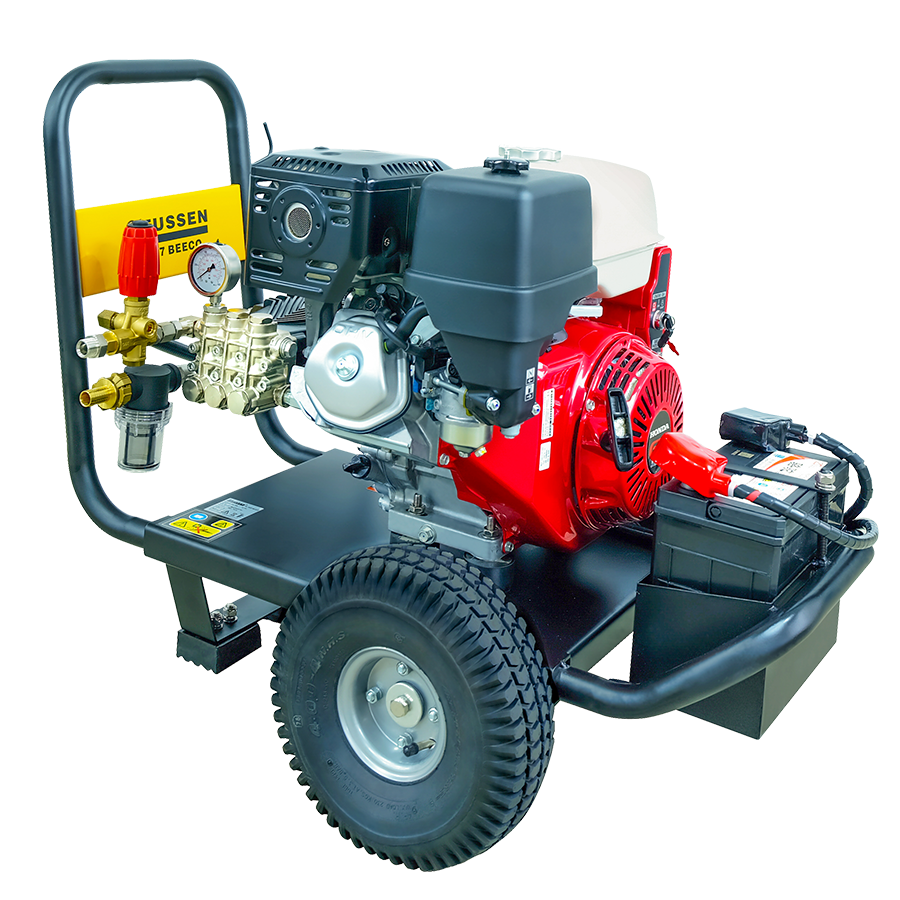
تُعدّ غسالات الضغط المتنقلة المثبتة على عربات وحدات صغيرة الحجم مصممة لسهولة النقل داخل ورش العمل والمصانع ومرافق الصيانة. تتضمن هذه الأنظمة عادةً مضخة مدمجة ووحدة تسخين وبكرة خرطوم ولوحة تحكم مثبتة على إطار بعجلات.
تُستخدم هذه الآلات عادةً لتنظيف المعدات، وصيانة الورش، وغسل المركبات. وتتيح سهولة نقلها للمشغلين إمكانية تحريك الوحدة مباشرةً إلى موقع التنظيف، مما يجعلها مناسبة للمنشآت التي تتطلب تنفيذ مهام التنظيف في نقاط متعددة داخل الموقع.
غسالات ضغط الماء الساخن المثبتة على مقطورة
توفر غسالات الضغط المحمولة على مقطورات حلاً متنقلاً للتنظيف في المساحات الخارجية الكبيرة أو مواقع العمل التي قد يكون الوصول فيها إلى المعدات الثابتة محدوداً. يتم تركيب نظام غسالة الضغط على منصة مقطورة، وغالباً ما يتم تشغيله بمحرك ديزل ومزود بخزان مياه ومصدر وقود.
تُستخدم هذه الأنظمة بكثرة في تنظيف مواقع البناء، والصيانة البلدية، وعمليات غسل أساطيل المركبات. وتتيح سهولة نقلها للمشغلين نقل معدات التنظيف بالضغط العالي بين المواقع دون الاعتماد على البنية التحتية للمنشأة.
أنظمة التنظيف الصناعية المثبتة على منصات انزلاقية
صُممت غسالات الضغط بالماء الساخن المثبتة على قاعدة انزلاقية للبيئات الصناعية التي تتطلب قدرة تنظيف عالية وتشغيلًا مستمرًا. تُركّب هذه الأنظمة على قاعدة صلبة (قاعدة انزلاقية) وتُدمج عادةً في محطات التنظيف الصناعية أو مرافق الإنتاج.
تتميز هذه الأنظمة عادةً بقدرات ضغط وتدفق أعلى من الوحدات المحمولة، ويمكن توصيلها بأنظمة إمداد المياه المركزية. وتُستخدم الأنظمة المركبة على منصات انزلاقية على نطاق واسع في المصانع، ومنشآت البتروكيماويات، وعمليات الصيانة الصناعية واسعة النطاق.
معدات التنظيف البلدية المثبتة على الشاحنات
صُممت أنظمة غسيل الضغط بالماء الساخن المثبتة على الشاحنات خصيصًا لعمليات تنظيف البنية التحتية واسعة النطاق والبلديات. تُركّب هذه الأنظمة مباشرةً على مركبات الخدمة، وقد تشمل خزانات مياه عالية السعة، ومضخات قوية، وأنظمة تسخين، وبكرات خراطيم طويلة.
تستخدم فرق الصيانة البلدية أنظمة محمولة على شاحنات لأداء مهام مثل تنظيف الشوارع، وإزالة الكتابات على الجدران، وغسل البنية التحتية، وصيانة المنشآت الصناعية. ويجعلها الجمع بين سهولة الحركة، والطاقة العالية، وسعة المياه الكبيرة مناسبة للتطبيقات الميدانية الصعبة.
اعتبارات التكلفة والتشغيل
عند اختيار غسالات الضغط التي تعمل بالماء الساخن أو البارد، تُعدّ تكاليف التشغيل عاملاً مهماً. فبينما تتطلب أنظمة الماء الساخن عادةً استثماراً أولياً أعلى، إلا أنها توفر مزايا في الكفاءة في بعض تطبيقات التنظيف. ويساعد تقييم تكاليف الشراء واستهلاك الطاقة وكفاءة العمالة على تحديد النظام الأنسب للتشغيل على المدى الطويل.
مقارنة تكلفة شراء المعدات
تتميز غسالات الضغط بالماء البارد عموماً بانخفاض سعر شرائها نظراً لتصميمها البسيط وعدم احتوائها على مكونات تسخين. وهي تتكون عادةً من مضخة ومحرك ونظام للتحكم في الضغط.
تتطلب غسالات الضغط بالماء الساخن مكونات إضافية مثل الشعلات، وملفات التسخين، وأنظمة الوقود، ووحدات التحكم في درجة الحرارة. تزيد هذه العناصر الإضافية من التكلفة الأولية للمعدات. مع ذلك، في التطبيقات التي تتضمن الشحوم والزيوت والملوثات الثقيلة، يمكن أن يبرر الأداء المحسن للتنظيف الاستثمار الأعلى.
استهلاك الطاقة والوقود
تستهلك أنظمة المياه الباردة الطاقة بشكل أساسي من خلال المضخة والمحرك، مما يجعلها موفرة للطاقة نسبياً لمهام التنظيف العامة.
تتطلب غسالات الضغط بالماء الساخن طاقة إضافية لتسخين الماء. وبحسب تصميم النظام، قد يشمل ذلك عناصر تسخين تعمل بالديزل أو الغاز أو الكهرباء. على الرغم من ارتفاع استهلاك الطاقة، إلا أن زيادة فعالية التنظيف يمكن أن تقلل من وقت التنظيف واستخدام المواد الكيميائية في العديد من البيئات الصناعية.
سرعة التنظيف وكفاءة العمالة
غالباً ما تُحسّن غسالات الضغط بالماء الساخن سرعة التنظيف عند التعامل مع الشحوم والزيوت والملوثات الصناعية المستعصية. فالحرارة تساعد على تفتيت هذه المواد، مما يسمح للمستخدمين بإزالتها بسرعة أكبر.
يمكن أن يؤدي تقليل وقت التنظيف إلى خفض تكاليف العمالة، لا سيما في المنشآت الصناعية الكبيرة أو عمليات صيانة أساطيل المركبات. في المقابل، قد تتطلب أنظمة المياه الباردة وقتًا إضافيًا، أو عمليات تنظيف متكررة، أو منظفات كيميائية أقوى لتحقيق نتائج مماثلة.
الاعتبارات البيئية والسلامة
تُعدّ اللوائح البيئية والسلامة المهنية من العوامل بالغة الأهمية في عمليات التنظيف الصناعي. ويمكن أن يؤثر اختيار غسالات الضغط بالماء الساخن أو البارد على استخدام المواد الكيميائية، وإدارة مياه الصرف الصحي، وسلامة المشغلين.
تقليل انبعاثات المواد الكيميائية مع التنظيف بالماء الساخن
غالباً ما تقلل غسالات الضغط بالماء الساخن من الحاجة إلى المنظفات الكيميائية القوية، لأن الحرارة تساعد على إذابة الزيوت والشحوم. وبالاعتماد بشكل أكبر على درجة الحرارة وقوة التنظيف الميكانيكية، يمكن للمنشآت تقليل كمية المواد الكيميائية اللازمة لمهام التنظيف الروتينية.
يمكن أن يساعد تقليل استخدام المواد الكيميائية في تقليل التأثير البيئي وتبسيط متطلبات معالجة مياه الصرف الصحي.
لوائح الصرف الصحي والبيئة
يجب أن تلتزم عمليات التنظيف الصناعية باللوائح البيئية المتعلقة بتصريف مياه الصرف الصحي. وقد تُنتج عمليات التنظيف التي تعتمد بشكل كبير على المنظفات مياه صرف صحي تحتوي على مخلفات كيميائية تتطلب معالجة قبل التخلص منها.
يُمكن أن يُساهم استخدام أنظمة الماء الساخن في الحد من التلوث الكيميائي في مياه الصرف الصحي. وفي بعض المنشآت، قد يُسهّل ذلك الامتثال للوائح تصريف المياه البيئية ويُقلل من تكاليف معالجة مياه الصرف الصحي.
سلامة المشغل عند استخدام أنظمة درجات الحرارة العالية
على الرغم من أن غسالات الضغط بالماء الساخن توفر أداء تنظيف محسّن، إلا أنها تتطلب احتياطات السلامة المناسبة بسبب ارتفاع درجات حرارة الماء والضغوط العالية المستخدمة.
يجب تدريب المشغلين على التعامل الآمن مع المعدات الساخنة واستخدام معدات الوقاية الشخصية المناسبة عند الضرورة. كما أن التصميم السليم للمعدات - بما في ذلك أنظمة التحكم في درجة الحرارة، وأنظمة تخفيف الضغط، والمكونات المعزولة - يساعد أيضاً في الحفاظ على ظروف تشغيل آمنة أثناء مهام التنظيف الصناعي.
دليل اتخاذ القرار السريع - الماء الساخن أم الماء البارد؟
يعتمد اختيار غسالات الضغط التي تعمل بالماء الساخن أو البارد غالبًا على نوع التلوث المراد إزالته وبيئة التشغيل. فبينما تُعدّ أنظمة الماء البارد فعّالة للتنظيف العام، تُوفّر أنظمة الماء الساخن مزايا واضحة عند التعامل مع الشحوم أو الزيوت أو المخلفات الصناعية الثقيلة. يُساعد الدليل التالي المشغلين على تحديد النظام الأنسب لمهام التنظيف بسرعة.
جدول مقارنة مهام التنظيف
| مهمة التنظيف | النظام الموصى به | سبب |
|---|---|---|
| إزالة الطين والغبار والتراب | غسالة ضغط بالماء البارد | القوة الميكانيكية كافية لإزالة الملوثات السائبة |
| غسيل المركبات والصيانة العامة | ماء بارد أو ساخن | الماء البارد للغسيل العادي؛ الماء الساخن لإزالة البقايا الزيتية |
| إزالة الشحوم والزيوت الصناعية | غسالة ضغط الماء الساخن | تعمل الحرارة على تفتيت الشحوم وتقليل وقت التنظيف |
| النظافة الصحية في عمليات تصنيع الأغذية | غسالة ضغط الماء الساخن | تؤدي درجات الحرارة المرتفعة إلى تحسين النظافة وإزالة الملوثات |
| تنظيف معدات البناء | غسالة ضغط الماء الساخن | يساعد على إذابة الزيوت والأسفلت والمخلفات المتصلبة |
| تنظيف البنية التحتية البلدية | غسالة ضغط الماء الساخن | إزالة أسرع للرواسب العنيدة والأوساخ الحضرية |
إزالة الزيوت والشحوم مقابل إزالة الأوساخ والتربة
تعتمد غسالات الضغط بالماء البارد بشكل أساسي على القوة الميكانيكية لإزالة الملوثات. وهذا ما يجعلها فعالة في تنظيف الأوساخ والرمل والطين وغيرها من المواد السائبة غير المرتبطة كيميائياً بالأسطح.
أما غسالات الضغط بالماء الساخن، فتجمع بين الضغط والحرارة. تساعد درجات الحرارة المرتفعة على إذابة الشحوم والزيوت، وتقليل اللزوجة، وإضعاف الالتصاق بين الملوثات والأسطح. وهذا يجعل أنظمة الماء الساخن أكثر فعالية بشكل ملحوظ في البيئات الصناعية التي تتواجد فيها مواد التشحيم أو الوقود أو الرواسب الثقيلة.
اختيار النظام المناسب لتحقيق الكفاءة التشغيلية
تعتمد الكفاءة التشغيلية على تحقيق التوازن بين تكلفة المعدات وسرعة التنظيف ومتطلبات الصيانة. عادةً ما تكون أنظمة المياه الباردة أقل تكلفة وأسهل في الصيانة، مما يجعلها مناسبة لمهام التنظيف الروتينية.
قد تتطلب غسالات الضغط بالماء الساخن استثمارًا أوليًا أعلى، لكنها تُحسّن الإنتاجية في البيئات الغنية بالشحوم بتقليل وقت التنظيف واستهلاك المواد الكيميائية. بالنسبة للمنشآت التي تتعامل بانتظام مع الملوثات الزيتية، غالبًا ما توفر أنظمة الماء الساخن كفاءة أفضل على المدى الطويل.
كيفية الاختيار بين غسالات الضغط التي تعمل بالماء الساخن وتلك التي تعمل بالماء البارد
اختيار غسالة الضغط المناسبة يتطلب الأمر تقييم عدة عوامل تشغيلية، بما في ذلك نوع التلوث، وتواتر التنظيف، والبيئة التي سيتم فيها استخدام المعدات. يساعد فهم هذه العوامل الشركات على اختيار نظام يوفر أداءً موثوقًا وتشغيلًا فعالًا من حيث التكلفة.
نوع التلوث وهدف التنظيف
غالباً ما تكون طبيعة الملوثات هي العامل الأهم عند الاختيار بين أنظمة المياه الساخنة والباردة. ويمكن عادةً إزالة الأوساخ والغبار والرمل والحطام المتناثر بفعالية باستخدام غسيل الضغط بالماء البارد.
في المقابل، تستجيب الملوثات مثل الشحوم والزيوت ومخلفات الوقود ومخلفات تصنيع الأغذية بشكل أفضل بكثير للماء الساخن. في هذه الحالات، يمكن لغسالات الضغط بالماء الساخن أن تحسن بشكل ملحوظ من فعالية التنظيف.
معدل التنظيف ودورة التشغيل
قد تجد المنشآت التي تقوم بأعمال تنظيف عرضية أن غسالات الضغط بالماء البارد كافية لاحتياجاتها. فهذه الأنظمة أبسط، وتتطلب صيانة أقل، وعادةً ما تكون تكاليف تشغيلها أقل.
مع ذلك، قد تستفيد العمليات التي تتطلب تنظيفًا متكررًا أو مستمرًا - مثل الصيانة الصناعية، وغسل أساطيل المركبات، وتعقيم مصانع تجهيز الأغذية - من كفاءة التنظيف العالية لغسالات الضغط بالماء الساخن. إذ يمكن لدورات التنظيف الأسرع أن تقلل من وقت العمل وتحسن الإنتاجية الإجمالية.
بيئات التشغيل الداخلية مقابل بيئات التشغيل الخارجية
تؤثر بيئة التنظيف أيضاً على اختيار المعدات. غالباً ما تُستخدم غسالات الضغط بالماء البارد في البيئات الخارجية حيث قد لا يكون الوصول إلى أنظمة التدفئة ضرورياً.
تُستخدم أنظمة الماء الساخن بشكل شائع في البيئات الصناعية الخاضعة للرقابة، وورش العمل، ومناطق الصرف الصحي حيث تُعدّ إزالة الشحوم ومعايير النظافة من الأمور بالغة الأهمية. وفي المناخات الباردة، يُمكن أن يُساعد الماء الساخن أيضًا في منع التجمّد وتحسين أداء التنظيف.
الميزانية وتكاليف التشغيل طويلة الأجل
تشمل اعتبارات الميزانية كلاً من تكلفة الشراء الأولية ونفقات التشغيل طويلة الأجل. تتميز غسالات الضغط بالماء البارد عادةً بتكاليف أولية أقل ومتطلبات صيانة أبسط.
تتطلب أنظمة الماء الساخن استثمارات إضافية نظرًا لمكونات التسخين وأنظمة الوقود. مع ذلك، قد تُقلل هذه الأنظمة من استهلاك المنظفات، وتُقصر وقت التنظيف، وتُحسّن كفاءة التشغيل في التطبيقات الصناعية الصعبة. بمرور الوقت، يُمكن لهذه التحسينات في الكفاءة أن تُعوّض التكلفة الأولية المرتفعة للمعدات.

أنظمة غسيل الضغط الصناعية بالماء الساخن والبارد
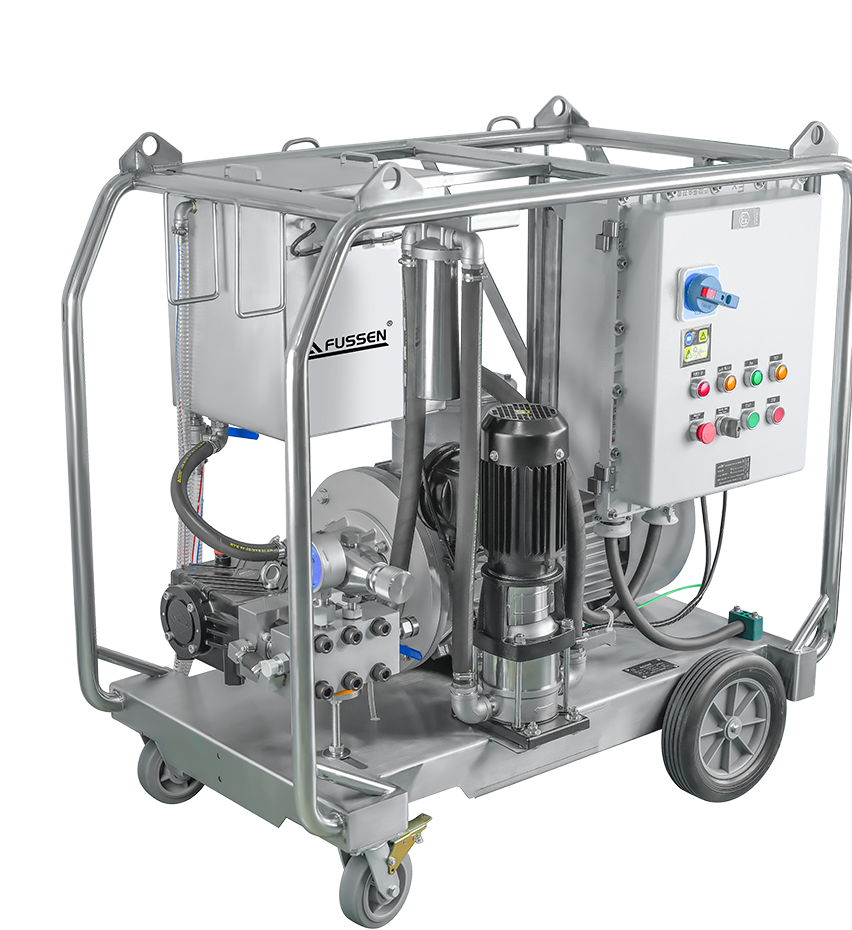
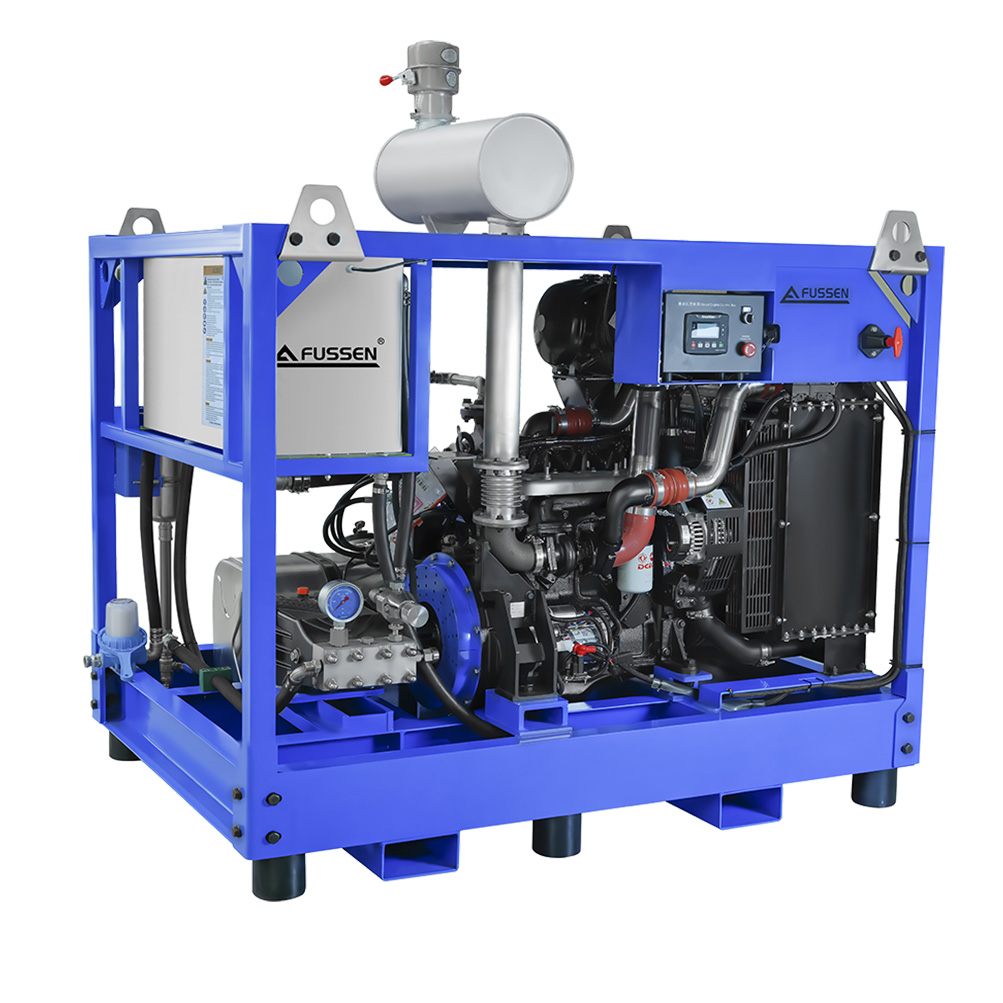
تجمع الأنظمة المصممة لبيئات التنظيف الصناعية بين مضخات مكبس متينة, تتميز هذه الأنظمة بكفاءتها العالية في التدفئة، وتكوينات الضغط والتدفق المناسبة لكل تطبيق. وقد صُممت هذه الأنظمة لتعمل بكفاءة وموثوقية في الظروف الصعبة التي تتطلب تشغيلاً مستمراً، وأداء تنظيف عالي، وسلامة تشغيلية.
تتضمن أنظمة غسيل الضغط الصناعية عادةً مضخات عالية الأداء، وهياكل متينة، ومكونات تسخين مياه مُحسّنة. في أنظمة الماء الساخن، تعمل الشعلات أو ملفات التسخين على رفع درجة حرارة الماء لتحسين إزالة الشحوم والزيوت والملوثات الصناعية. أما أنظمة الماء البارد، فتركز على توفير ضغط عالٍ وتدفق ثابتين لمهام التنظيف العامة.
يضمن التصميم السليم للنظام أداءً موثوقًا به في عمليات الصيانة الصناعية والبلدية والبنية التحتية. ويُعدّ اختيار سعة المضخة، ومعدل الضغط، ودرجة الحرارة المناسبة، والملحقات - مثل الخراطيم والفوهات ومسدسات الرش - بما يتناسب مع التطبيق المقصود أمرًا ضروريًا لتحقيق أداء تنظيف فعال وآمن.
الأسئلة الشائعة حول غسالات الضغط بالماء الساخن والبارد
هل استخدام الماء الساخن أفضل دائماً من استخدام الماء البارد في غسيل الضغط؟
لا يُعدّ الماء الساخن ضروريًا دائمًا لكل مهمة تنظيف. تُعتبر غسالات الضغط التي تعمل بالماء البارد فعّالة للغاية في إزالة الأوساخ والطين والرمل والملوثات الأخرى السائبة. مع ذلك، يصبح الماء الساخن أكثر فعالية بشكل ملحوظ عند التعامل مع الشحوم والزيوت وبقايا المواد الهيدروكربونية الأخرى. يعتمد الاختيار على نوع التلوث ومستوى التنظيف المطلوب.
هل يمكن للماء البارد إزالة الدهون بفعالية؟
يُمكن للماء البارد إزالة الشحوم إلى حدٍ ما، خاصةً عند استخدامه مع المنظفات القوية. مع ذلك، تميل الشحوم والزيوت إلى البقاء لزجة في درجات الحرارة المنخفضة، مما يجعل إزالتها أكثر صعوبة. يُساعد الماء الساخن على تفتيت هذه المواد بسرعة أكبر عن طريق تقليل لزوجتها وإضعاف التصاقها بالأسطح.
هل تتطلب غسالات الضغط بالماء الساخن صيانة أكثر؟
تتضمن غسالات الضغط بالماء الساخن عادةً مكونات أكثر من أنظمة الماء البارد، بما في ذلك الشعلات وملفات التسخين وأنظمة الوقود. تتطلب هذه الأجزاء الإضافية فحصًا وصيانة دورية لضمان التشغيل الموثوق. أما أنظمة الماء البارد فهي أبسط وتتطلب عادةً صيانة أقل، ولكن كلا النظامين يتطلبان عناية مناسبة بالمضخة وفحص الخراطيم وصيانة منتظمة.
متى يكون الماء الساخن ضرورياً للتنظيف الصناعي؟
يُعدّ الماء الساخن ذا قيمة بالغة في التطبيقات التي تتواجد فيها الشحوم والزيوت والوقود أو المخلفات الصناعية الثقيلة. ومن الأمثلة الشائعة على ذلك: تعقيم عمليات تصنيع الأغذية، وصيانة السيارات والأسطول، وتنظيف الآلات الصناعية، وعمليات البتروكيماويات. في هذه البيئات، يُحسّن الجمع بين الحرارة والضغط من كفاءة التنظيف، وقد يُقلّل من الحاجة إلى المنظفات الكيميائية.
خاتمة
يعتمد اختيار غسالة الضغط المناسبة، سواءً كانت تعمل بالماء الساخن أو البارد، على نوع التلوث وبيئة التنظيف ومتطلبات التشغيل. توفر أنظمة الماء البارد حلاً فعالاً من حيث التكلفة وموثوقاً لإزالة الأوساخ والطين والشوائب العامة، بينما تقدم أنظمة الماء الساخن أداءً فائقاً عند التعامل مع الشحوم والزيوت والمخلفات الصناعية الثقيلة. من خلال فهم كيفية تفاعل درجة الحرارة والضغط وأهداف التنظيف، يستطيع المشغلون اختيار المعدات التي تزيد الكفاءة إلى أقصى حد مع تقليل وقت التوقف وتكاليف التشغيل.
بالنسبة لتطبيقات التنظيف الصناعية الصعبة، يعد اختيار تكوين النظام المناسب - مستوى الضغط ومعدل التدفق وقدرة التسخين والملحقات - أمرًا بالغ الأهمية للأداء والموثوقية على المدى الطويل.
إذا كنت بصدد تقييم أنظمة غسيل الضغط لتنظيف المنشآت الصناعية أو البنية التحتية، فإن اختيار المعدات المصممة خصيصًا لتطبيقك يُحدث فرقًا كبيرًا. اكتشف حلول غسيل الضغط الصناعية عالية الأداء من فوسن, تم تصميمها هندسياً لتحقيق المتانة، وإخراج ضغط مستقر، وتشغيل موثوق به في البيئات الصعبة. تواصل مع فريقنا لمناقشة التكوين المناسب لمتطلبات التنظيف الخاصة بك.