Choosing the right pressure washer nozzle is just as important as selecting the pressure washer itself.
Even with the same machine, the nozzle you use determines cleaning power, efficiency, surface safety, and overall system performance.
Many cleaning problems—poor results, surface damage, pressure loss, or overheating—are not caused by the washer, but by an incorrectly selected nozzle.
This guide explains how to choose a pressure washer nozzle by understanding spray angle, nozzle size (orifice), and real-world applications, helping you get the best performance from your system.

A smaller angle produces higher impact force, while a wider angle increases coverage and reduces surface stress.
0° Nozzle (Red)
A straight, concentrated jet with maximum impact.
Used for extremely stubborn contamination such as heavy buildup or metal surface preparation.
Not recommended for delicate surfaces.
15° Nozzle (Yellow)
High-impact fan spray for tough industrial dirt, concrete, and heavy equipment cleaning.
25° Nozzle (Green)
The most commonly used spray pattern.
Offers an excellent balance between cleaning power and surface safety for general cleaning tasks.
40° Nozzle (White)
Wide spray pattern with reduced pressure.
Ideal for vehicles, painted surfaces, glass, and light-duty washing.
Understanding these pressure washer spray patterns helps prevent surface damage while maintaining effective cleaning.
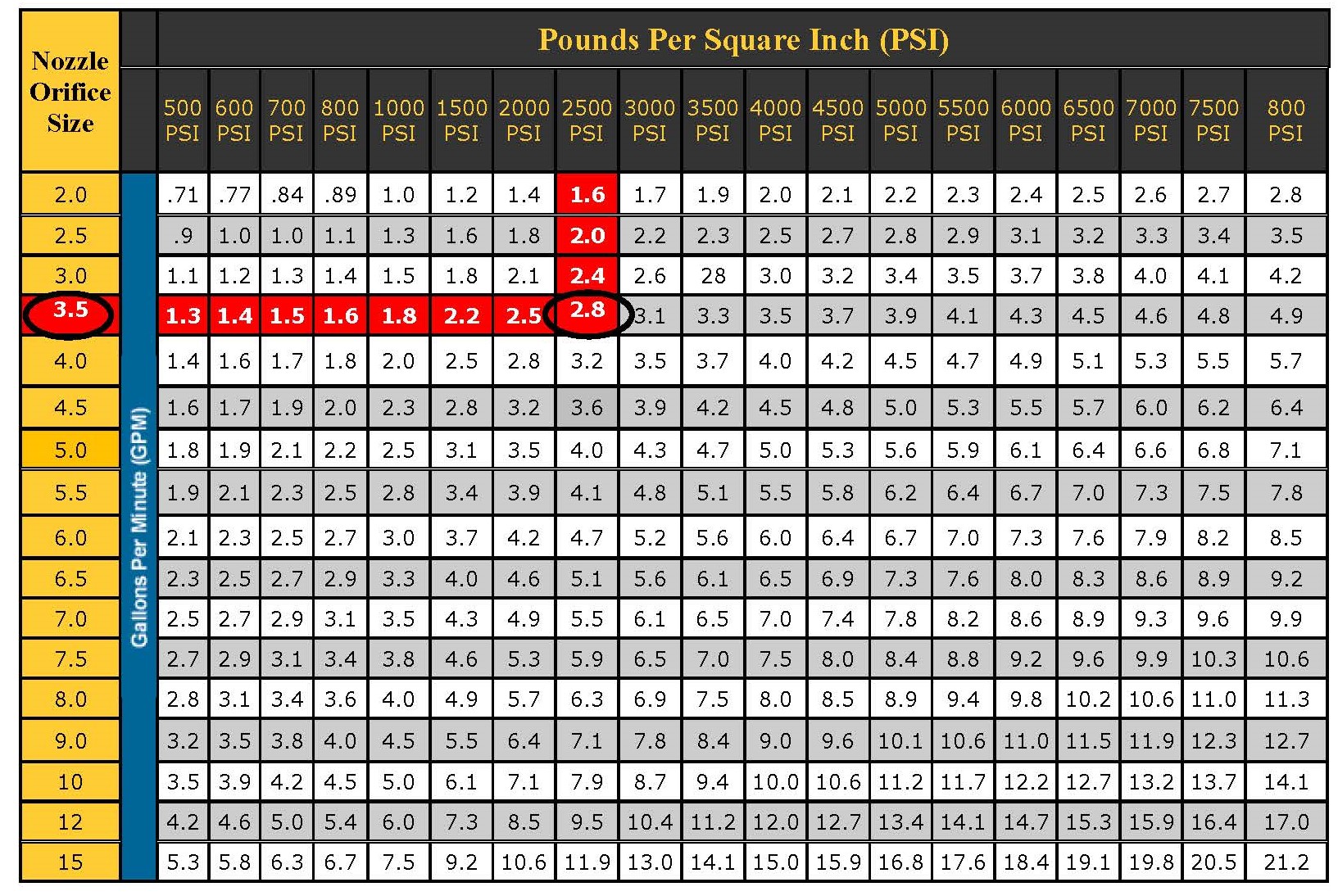
While spray angle controls how water hits the surface, pressure washer nozzle size determines how much pressure and flow your system actually delivers.
The nozzle orifice must match the washer’s operating pressure (PSI or bar) and flow rate (GPM or L/min).
An incorrect nozzle size can cause:
Pressure loss or failure to reach rated pressure
Continuous bypass at the unloader valve
Excessive heat buildup in the system
Reduced pump life and inefficient cleaning
This is why nozzle selection should always be treated as part of the entire pressure washer system, not a standalone accessory.
In simple terms:
Smaller orifice → higher pressure, lower flow
Larger orifice → lower pressure, higher flow
For industrial systems, always verify nozzle size using a pressure washer nozzle chart or calculator based on your machine’s rated pressure and flow.
Beyond standard angle nozzles, several specialized nozzles are widely used in professional and industrial cleaning.
A rotating 0° spray that combines high impact with wider coverage.
Turbo nozzles can significantly reduce cleaning time on concrete, steel, and heavily soiled surfaces, making them ideal for heavy-duty industrial applications.

Designed for pipe and drain cleaning, using rear-facing jets for propulsion and flushing debris out of the line.
Some designs also include a forward-facing jet to help break through stubborn blockages.
A low-pressure nozzle used to apply cleaning chemicals or detergents before rinsing.
This nozzle is not intended for high-pressure cleaning but is essential for effective pre-treatment.
These industrial pressure washer nozzles expand application capability far beyond basic surface washing.
Many performance issues are caused by simple nozzle selection mistakes:
Ignoring nozzle size and only focusing on spray angle
This often results in pressure loss or unstable system operation.
Using a nozzle rated below system pressure
This can overload the pump, cause excessive bypass, and lead to premature wear.
Selecting an overly aggressive spray pattern for delicate surfaces
This may cause surface damage, requiring costly repairs or rework.
Understanding how to choose a pressure washer nozzle correctly helps protect both the equipment and the surface being cleaned.
Medium to High Pressure Systems (around 500 bar)
Commonly paired with 15° or 25° fan nozzles and rotary turbo nozzles for deck cleaning, industrial floors, and equipment maintenance.
Ultra-High Pressure Systems (1000 bar and above)
Typically use specialized straight jet, rotating, or surface preparation nozzles for paint removal, heavy-duty descaling, and shipyard applications.
Matching the correct nozzle ensures maximum cleaning efficiency, stable pressure, and long service life for industrial systems.
The right pressure washer nozzle is essential for safe, efficient, and professional cleaning results.
By understanding nozzle angle, nozzle size, and application requirements, you can dramatically improve performance while protecting both surfaces and equipment.
Always remember:
The nozzle is part of the system—not just an accessory.

 English
  Spanish
  French
  Russian
  Japanese
  Portuguese
  Arabic
  Korean